
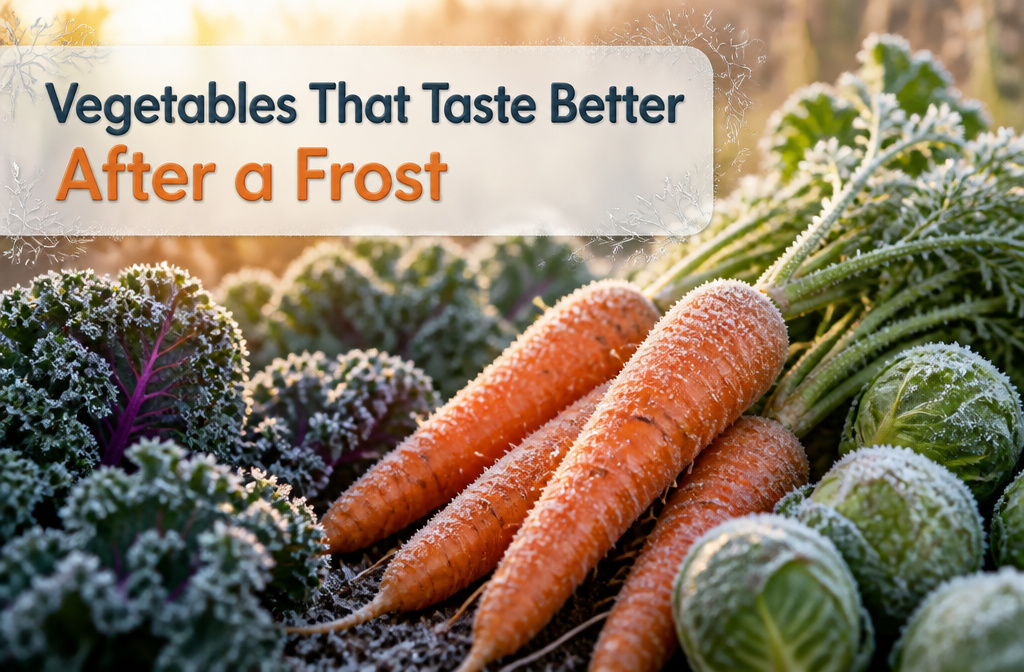
Certain hardy vegetables actually taste better after a frost, when cold triggers a survival response that converts starches to sugars inside the plant’s cells. The effect is real and detectable: a carrot harvested in December after several light froths will taste almost like a different vegetable than the same variety pulled in September. That sugar acts as natural antifreeze, protecting cell walls from rupturing while the gardener gets a markedly sweeter harvest.
Why Frost Makes Vegetables Sweeter
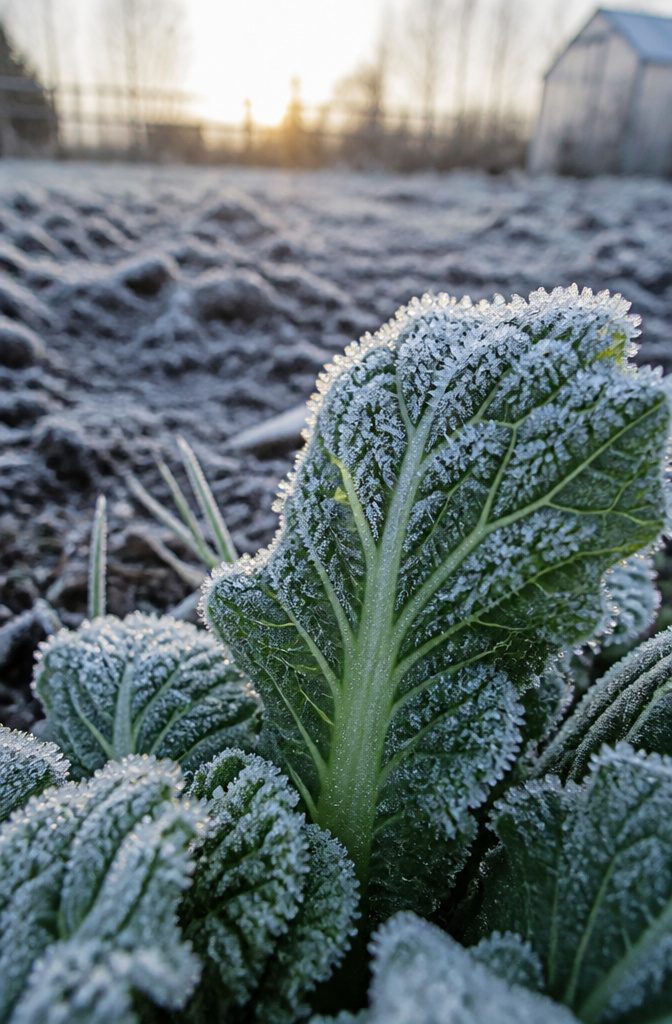
When temperatures drop toward freezing, certain hardy vegetables begin cold sweetening, a survival trick that happens right in the plant’s cells. Starches convert to sugars, and those sugars act as natural antifreeze by lowering the freezing point of water in the tissue. The plant keeps metabolizing these sugars for warmth, and the extra dissolved solids make it harder for ice crystals to form inside cell membranes.
This is the same principle that keeps jam from freezing rock-solid. The sugar molecules interfere with water’s ability to lock into rigid ice structures, protecting the cell walls from rupturing. The plant survives, and the gardener gets vegetables that taste markedly sweeter than they did before the cold set in.
Some greens get a second benefit: colder temperatures also dial back production of bitter compounds like glucosinolates and alkaloids. Less bitterness plus more sugar means the flavor shift can be dramatic after even a light frost. Root vegetables concentrate the effect further, since their above-ground growth slows and more sugars stay stored in the root rather than feeding new leaves.
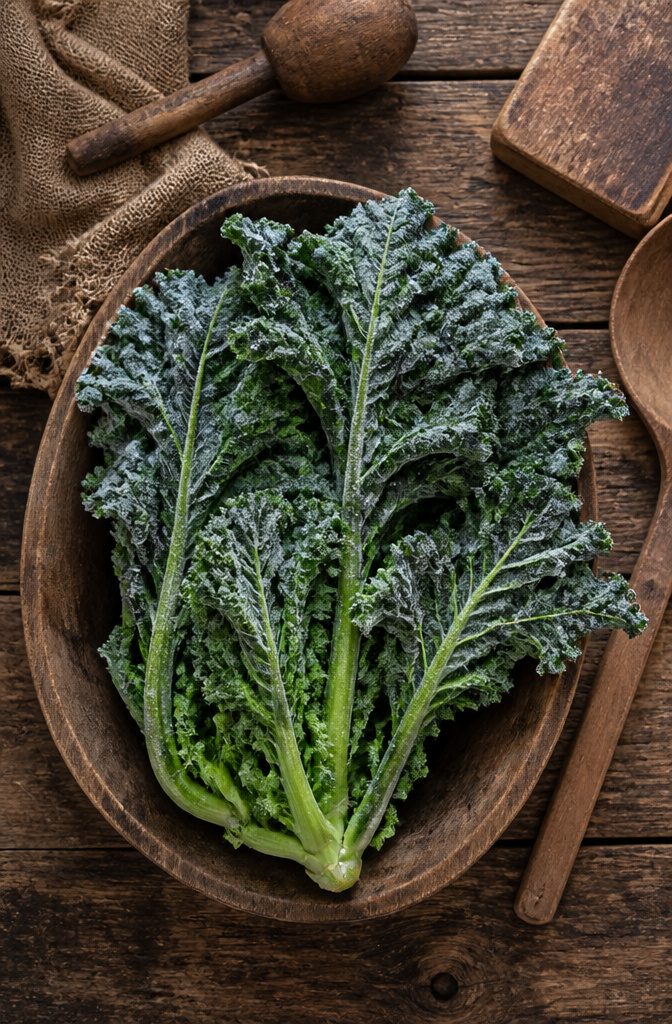
Kale After Frost
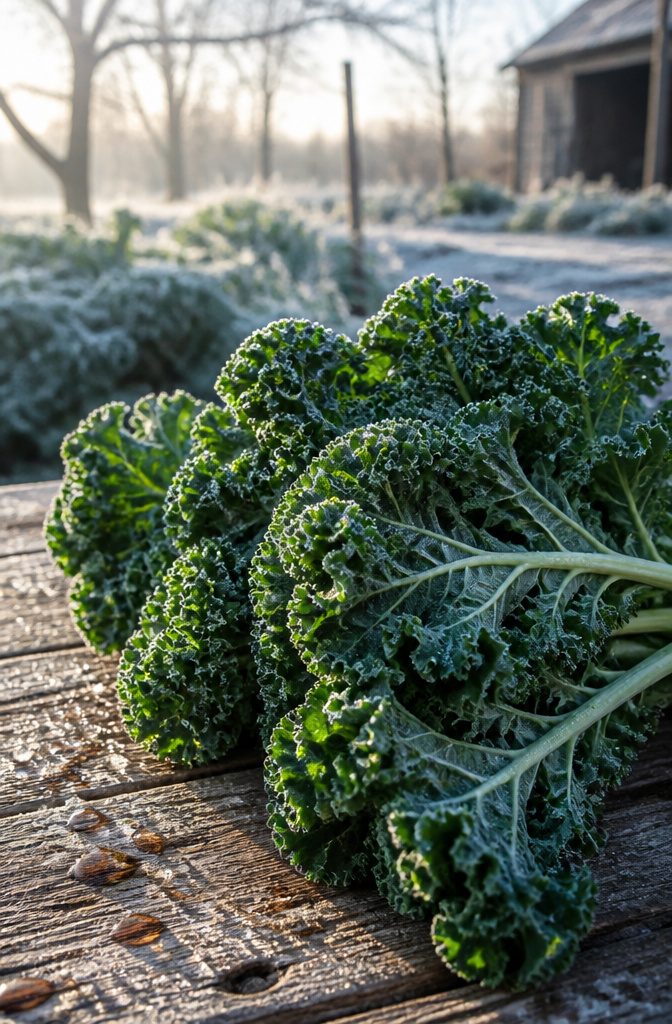
Kale belongs to the brassica family, and like its relatives, the leaves turn markedly sweeter once frost hits. The cold triggers a survival response: starches convert to sugars that act as a natural antifreeze, protecting the plant’s cells from freezing. That chemistry shift is real and detectable on the tongue.
I used to pull my kale by Thanksgiving, figuring the garden was finished. Then a neighbor left hers in the ground through a 22°F night in early December and brought me a bag of leaves the next week. The difference was immediate. Pre-frost kale from the same row had been acceptable, slightly peppery, the kind of green you tolerate for nutrition. Post-frost leaves carried an actual sweetness, almost like a mild lettuce with body, and the bitterness had dropped away entirely.
Kale survives down to about 20°F without protection, and in many zones it will stand through winter with just a light mulch. Harvest from the bottom, taking no more than a third of the plant at a time, and it keeps producing fresh growth through the cold months. The cut-and-come-again habit means one planting can feed you across a season most gardeners write off entirely.
Carrots Left in the Ground
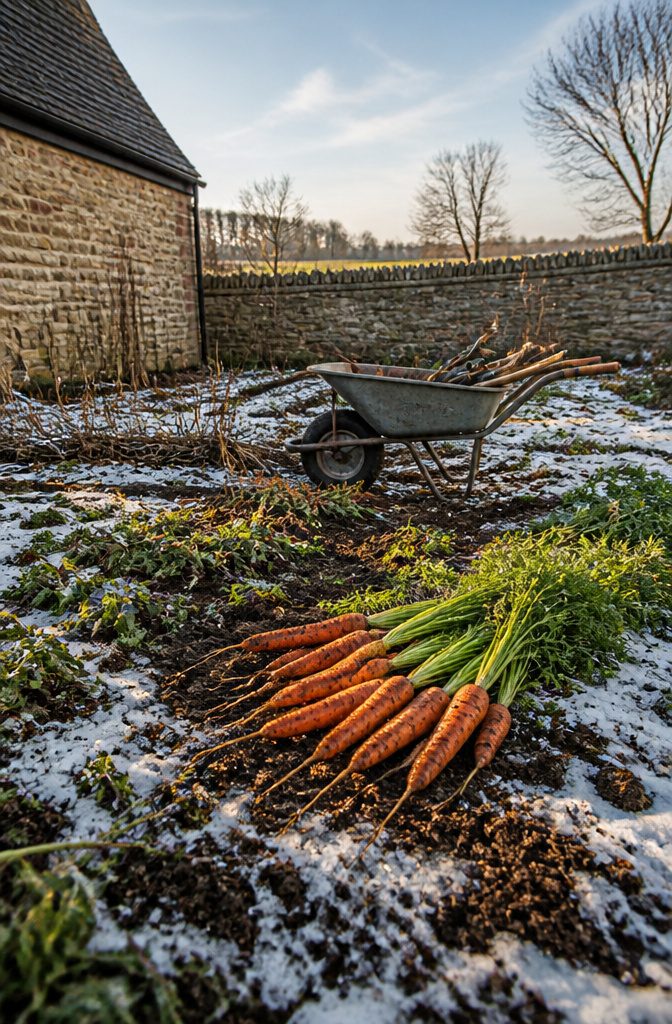
Carrots left in the ground past the first frost turn sweeter than anything pulled in September. The cold triggers a defense: the root converts starches into sugars that lower its freezing point, so the cells stay intact even as the soil hardens. A carrot harvested in December after several light frosts will taste almost like a different vegetable than the same variety lifted early.
I plant fall carrots in late July through early August, timing them to size up before the cold. In my zone, that window matters; too early and heat makes them bitter, too late and short daylight stalls them out. Once frost hits, the soil itself becomes a natural cellar. A thick layer of straw over the bed lets me pull crisp, sweet carrots through January some years.
Roasting brings out what the frost started. Olive oil and a drizzle of honey on a cold-weather carrot needs no other sweetener; the root already carries enough. Danvers and Nantes are the varieties most gardeners mention for this treatment, though any carrot left long enough will shift the same direction.
Parsnips and Several Frosts
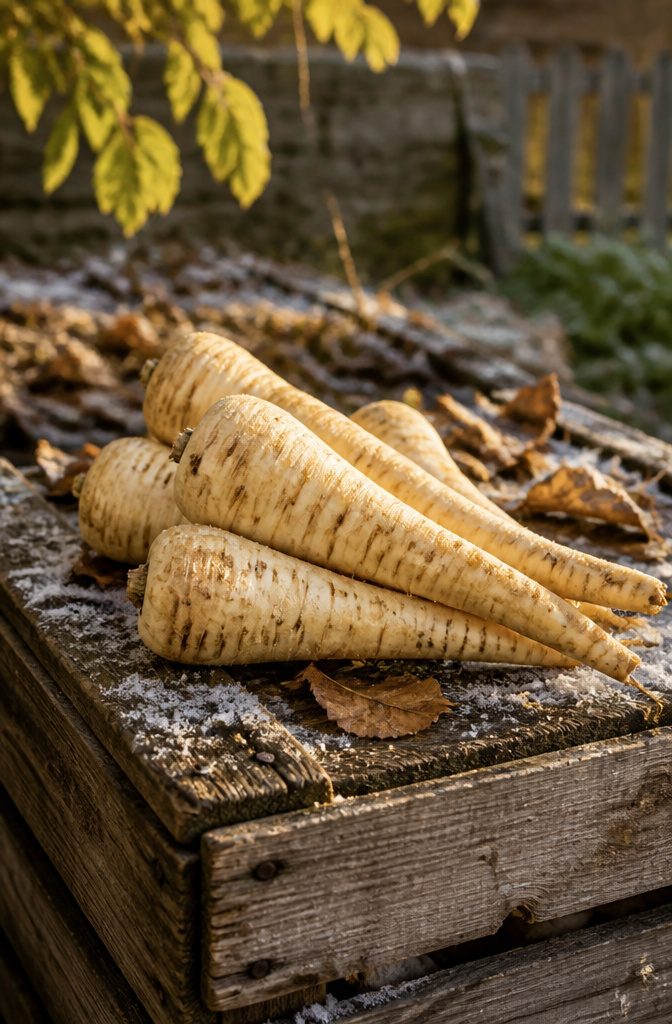
Parsnips sit in the ground through October and into November while the rest of the garden browns and folds. The leaves die back, the air carries that earthy fall smell, and the roots keep converting starch to sugar. One frost starts the process, but the sweetness deepens with each cold cycle that follows. After several frosts, the nutty, almost honeyed flavor that makes parsnips worth growing finally comes through.
I used to pull them too early, thinking the first light freeze was the signal. The roots were fine, but the sharp edge lingered. Leaving them through repeat frosts, even until the ground threatens to freeze solid, changes the character entirely. By then they can taste sweeter than carrots, which improve with cold but never need the wait.
A drizzle of olive oil and honey before roasting draws that sweetness out without much effort. The mid-winter harvest is why parsnips turned into a Christmas tradition in the first place.
Brussels Sprouts and Bitterness
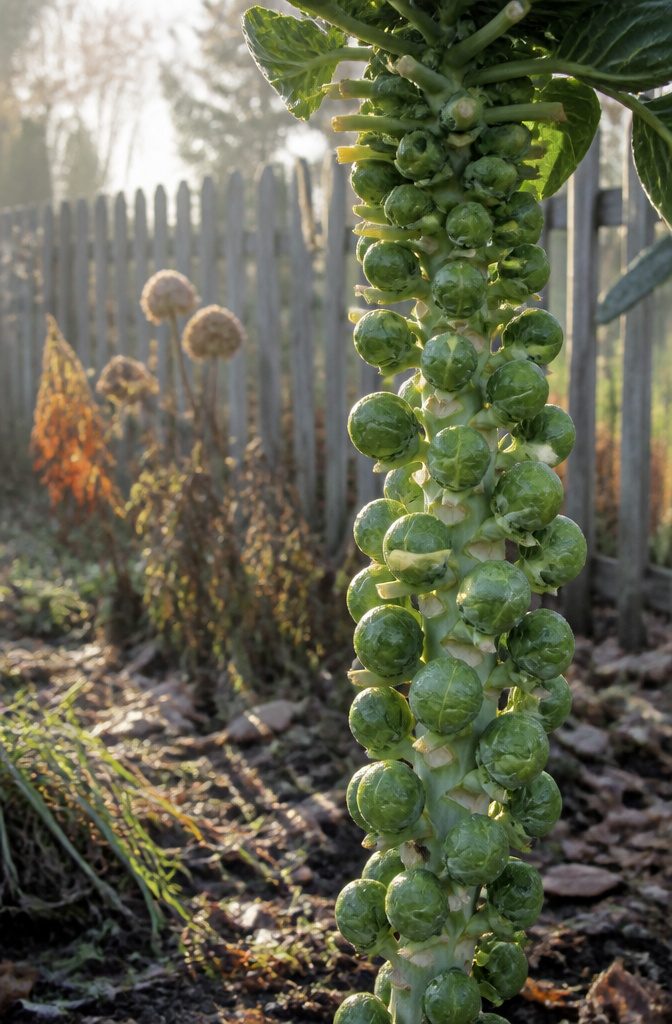
Brussels sprouts sit at the center of every argument about whether winter vegetables are worth the trouble. Raw or undercooked, they carry a sulfurous bite that has turned two generations against them. The cold changes that. After a frost, stored starches convert to sugars that blunt the harsh compounds, and the bitterness that makes Brussels sprouts divisive drops away while a mellow sweetness takes its place.
The effect is the same antifreeze chemistry that hardens kale and carrots: sugars lower the freezing point inside the cells, protecting the plant from real damage. Brussels sprouts simply happen to start from a more extreme place, so the shift is more dramatic. What was nearly inedible to some palates becomes mild enough to roast in halves with nothing but oil and salt.
Start seeds roughly four months before your first fall frost date. The stalks grow tall enough to need staking against wind or light snow. Harvest from the bottom up when individual sprouts reach about one inch across and feel firm, or cut the whole stalk if you need them all at once. Either way, wait for that frost.
Broccoli in Cold Weather
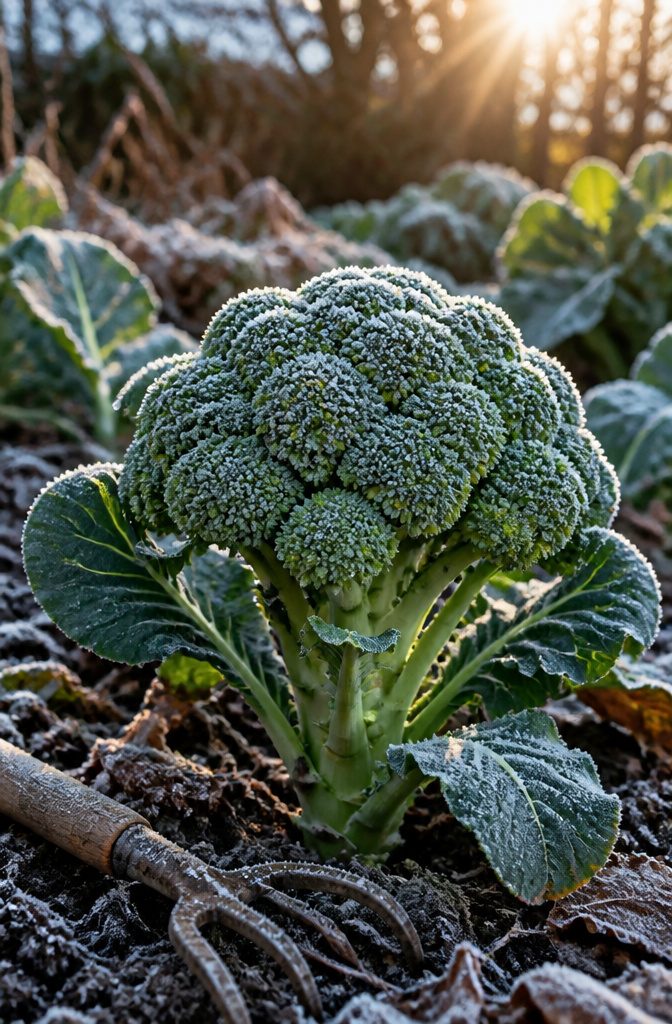
Broccoli heads into cold weather with more stamina than most gardeners expect. The plants survive down to 25°F, and light snow sits on the leaves without doing real damage. That toughness matters less than what happens inside the plant when the temperature drops.
Cold triggers a survival response in broccoli and the rest of the brassicas. Starches convert to sugars, which lowers the freezing point of the plant’s cells. The result is a measurable change on the plate: the florets lose some of their sharp edge, and the stems pick up a sweetness that reads as fuller flavor rather than simply more sugar. Both parts benefit, so the stalks are worth peeling and cooking rather than discarding.
"That little bit of natural sweetness softens their bite and makes the flavors more complex. It’s one of the reasons fall harvests taste so much better than spring ones."
For the home gardener, this means a late planting pays off in two currencies: fewer cabbage worms in cool weather, and a harvest that needs less help from the kitchen. A head cut in November after a few frosts carries itself differently than one rushed in before summer heat sets the flower buds loose.
Cabbage Under Snow
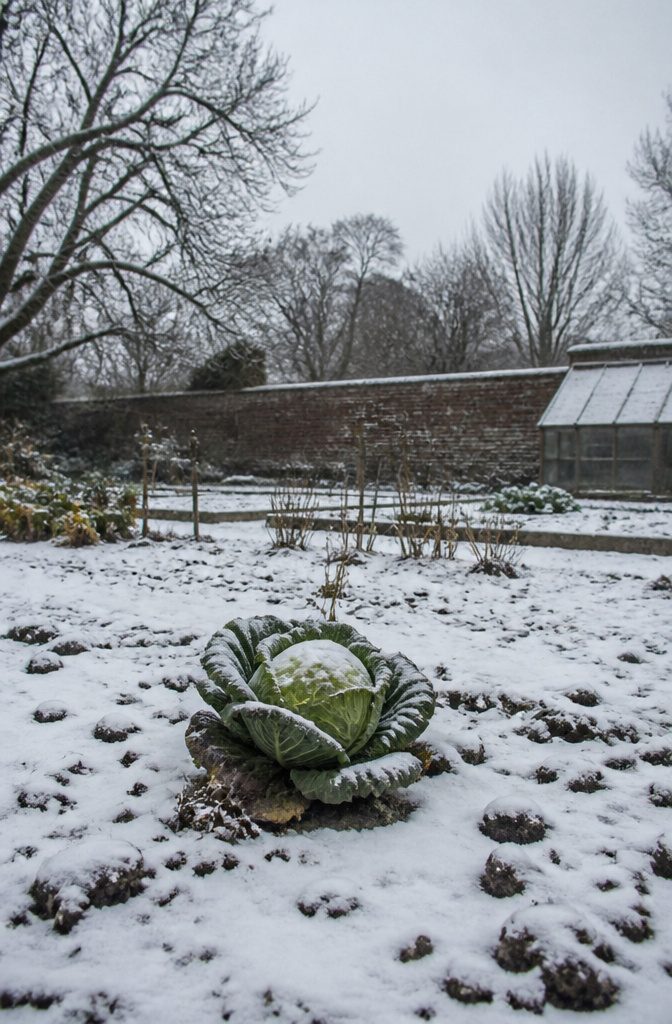
Cabbage heads keep their composure when a frost settles in. The tight, layered structure acts like insulation; the outer leaves may wilt or brown, but the inner heart stays protected and continues to sweeten. Cold triggers the same sugar conversion that benefits the rest of the brassica family, turning starches into a natural antifreeze that happens to taste better on a plate.
Some varieties can handle a blanket of snow without complaint, though extended periods below 25°F will eventually push them past their limit. The headed types in particular earn their keep in a winter garden: even when a few outer leaves take a beating from wind or freeze, you can peel them back and find firm, usable cabbage inside. I plant mine for a fall harvest and let the weather do the work of improving flavor that no kitchen trick quite matches.
Harvest after several moderate freezes between 24 and 28°F for the sweetest heads, but don’t wait for a hard freeze under 24°F unless you’re after horseradish. Cabbage at that point is better pulled and stored than left to gamble with true deep cold.
Beets From the Cold Soil
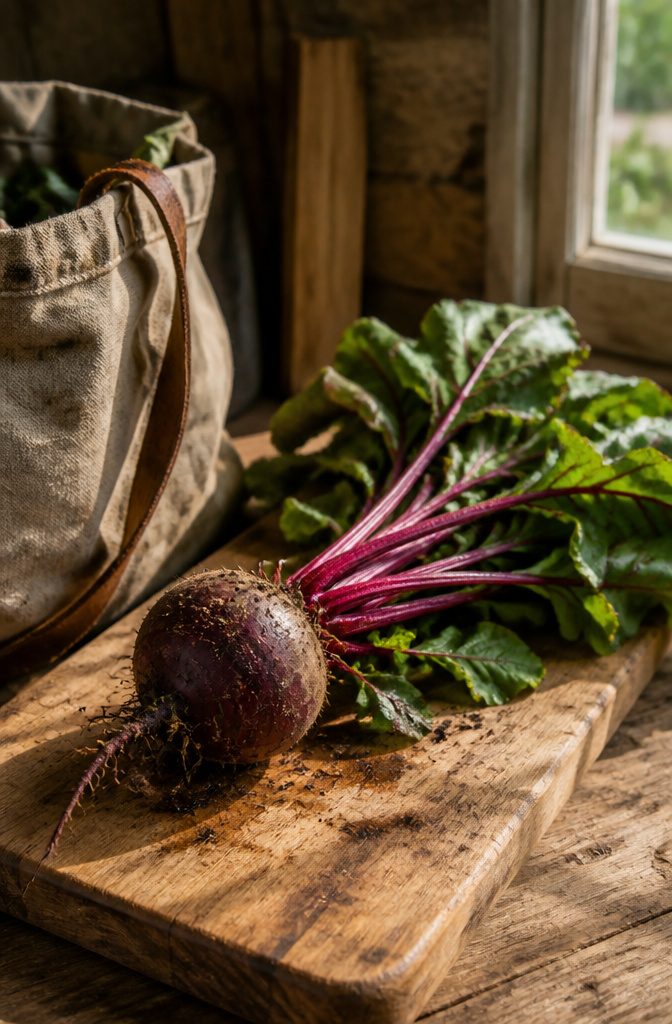
Beets pulled from cold soil carry a sweetness that can turn a beet skeptic into a regular buyer. I used to think the earthy flavor was the whole story, until I left a row in the ground past the first frost and roasted them a week later. The difference was immediate: the sugar had concentrated, and that dense red pigment had deepened right along with it.
Most beet varieties need 60 to 90 days from sowing to harvest, so timing a fall crop means counting backward from your average first frost date. Direct sow roughly 6 to 8 weeks before that date, keep the soil evenly moist to avoid woody roots, and let the cold do the finishing work. The roots stay insulated by the soil itself, which buys you more leeway than leafy greens above ground.
Roasting is the move that brings out what the frost started. The sugar conversion is already in the beet; dry heat just lets it caramelize at the edges.
Radishes Past Their Reputation
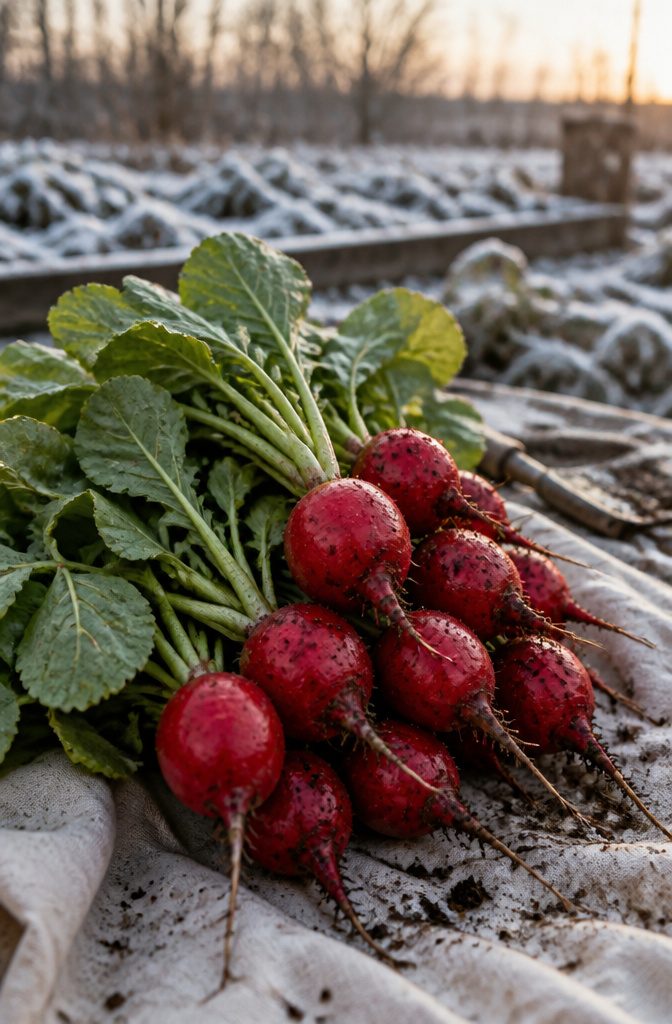
Radishes carry a reputation for fierce pepper that sends some gardeners straight to the milder crops. The frost fixes that. After a night in the upper twenties, the same root you would have pulled in October softens into something rounded, still crisp and juicy but with the edge taken off. The cold triggers the plant to convert starches to sugars, and that sugar acts as a natural antifreeze, protecting the cells while it sweetens the flesh.
I used to treat radishes as a spring-only crop, sowing them in March and giving up the bed by June. Fall sowings changed that. The quick growth means a late-September planting can size up before hard freeze sets in, and the light frosts along the way only improve them. Zones 2 to 10 keep them viable well past when the tomatoes have blackened.
The trick is knowing when to stop. A light frost or two deepens the flavor; repeated hard freezes turn the texture flabby. The soil still insulates the root, so radishes tolerate more cold than the tops suggest, but pulling them before the ground freezes solid saves the crop. The best radishes of the year may be the ones you harvest in November, not May.
Spinach in Low Temperatures
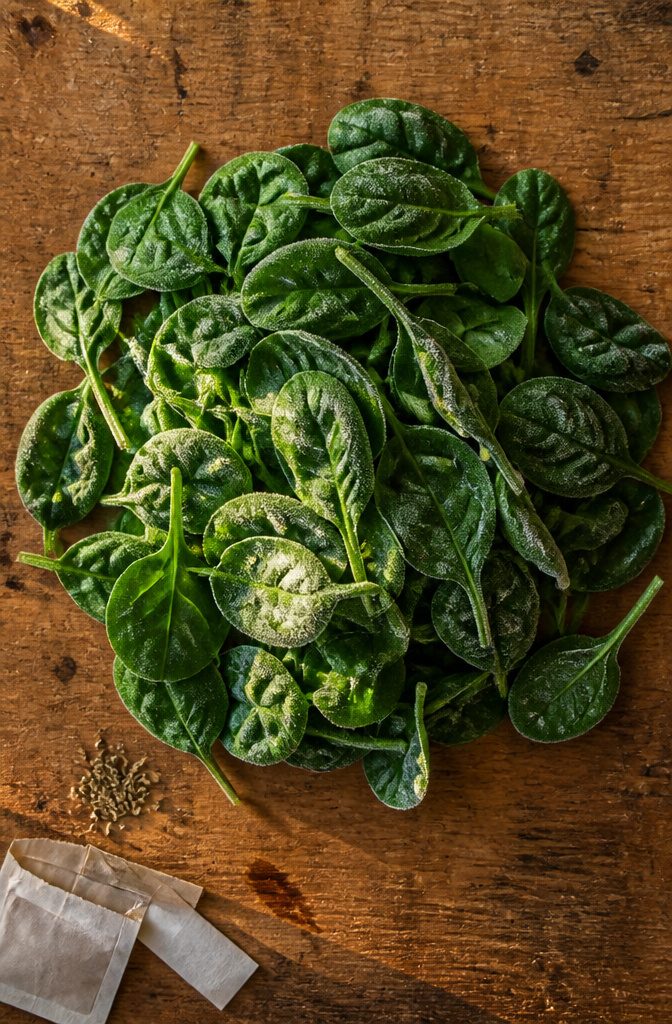
Spinach turns almost unrecognizable after a frost. Before cold sets in, the leaves can taste bitterly acrid, sharp enough to make you wince in a raw salad. The same plant, once temperatures drop, softens into something mild and noticeably sweet, its natural sugars concentrated by the cold.
This is one of the hardiest greens you can grow. Spinach thrives in low temperatures that would kill more delicate plants, and it keeps producing even under snow. Mature leaves are ready in under 50 days from sowing, though baby leaves can be trimmed sooner if you are careful not to take too many at once.
That speed and toughness make spinach the bookends of the growing season. It goes in among the earliest spring plantings and survives as one of the latest fall crops. In my own planning, I aim to get seeds in the ground until about four weeks before the first expected fall frost, as long as the weather stays cool. If heavy snow is forecast, a simple row cover keeps the leaves from being buried completely, though the plant itself does not need coddling.
Leeks and Mild Sweetness
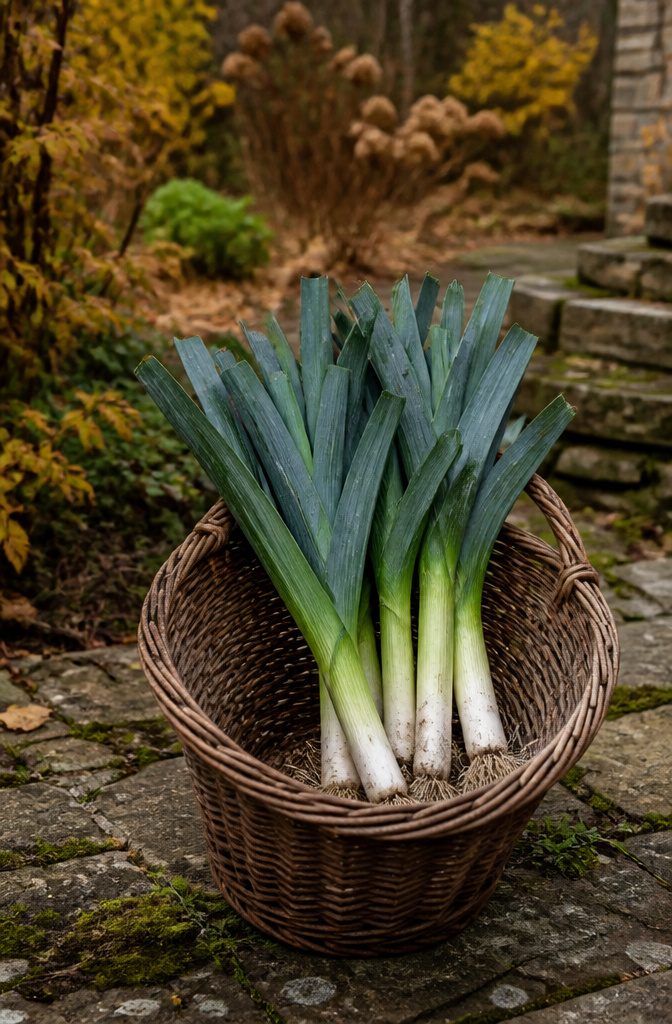
Leeks sit in the ground like a savings account you draw from as needed. The stalks need to reach at least an inch in diameter before they are worth pulling, which usually takes 100 to 120 days from planting. Cold does what time alone cannot: the sharp, oniony bite mellows into something sweeter and more delicate. I have read accounts from gardeners who leave them standing through snow, sometimes with only a light mulch for insulation, and lift them for a January soup. In milder climates, a late summer planting lets you overwinter them for that purpose. The allium family treats frost differently than most crops expect; where others wither, leeks convert cold into flavor. Dig them in stages rather than all at once. The ground stores them better than any refrigerator, and the taste improves the longer you wait.
Turnips Left Longer
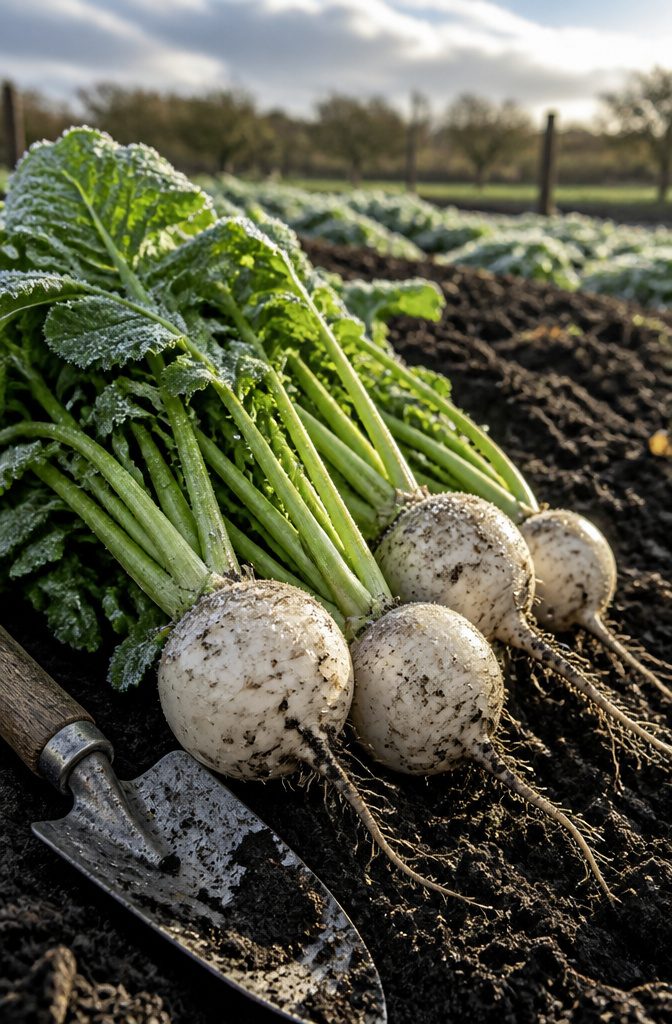
Turnips are brassicas that behave like root vegetables, and that split personality works in your favor once frost arrives. The root converts starches to sugars as soil temperatures drop below 40°F, losing the sharp bite that makes so many people turn away from them. I used to pull mine the moment nights got cold, not realizing the ones I left were the ones my neighbor kept raving about.
The greens survive too, which is easy to forget when you’re tunnel-visioning on the root. Those tops may die back a little after snow, but they rebound sweet enough to cook on their own merit, not just as a throwaway bonus. Harvest before hard freeze if you want milder flavor; let them ride through several light frosts for real sweetness. You can also sow a late crop 8 to 10 weeks before first fall frost and pull baby turnips earlier, though they won’t have the same depth.
Swiss Chard Survivors
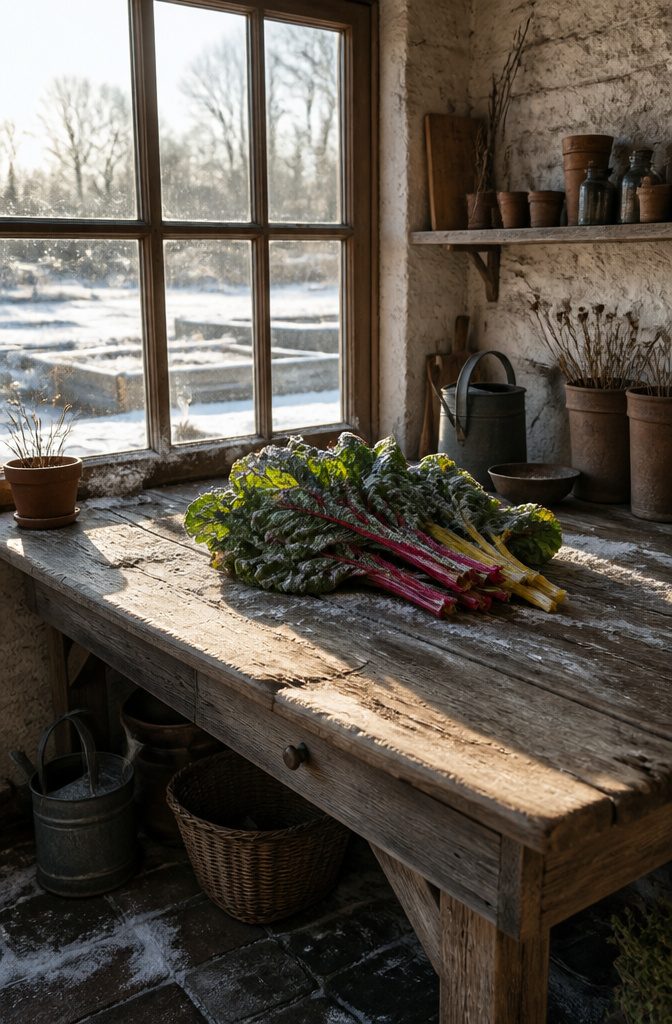
Swiss chard earns its place in the frost garden on two counts. The leaves turn sweeter after light frost exposure, a shift you can actually taste when sautéing the tougher leaves and stems. The plant itself survives down to about 15°F, well below what most of us in the lower 48 will see in a typical winter.
I grew the Bright Lights mix one fall and watched the stems, neon pink and orange and yellow, stay upright through a hard freeze that flattened everything else in the bed. The color is no summer trick; it holds deep into cold weather. The stems get more attention than they deserve in August, but by October they are what keep the plant harvestable when spinach has turned to slime.
One note from my reading: some growers advise pulling the whole crop once frosts start, to capture that sweetness before a hard freeze does real damage. The plant can take 15°F, but the leaf quality at that point is a gamble I would rather not take.
Celeriac’s Nutty Depth
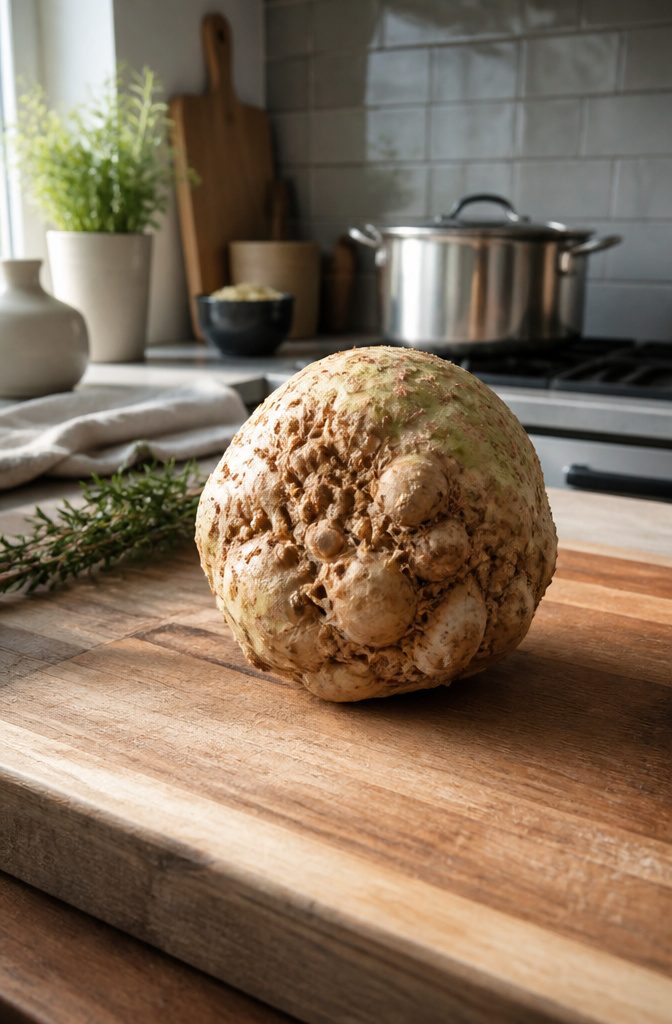
Celeriac is ugly. The knobby, hairy root looks like something that washed up on a beach, and most grocery stores relegate it to a bottom shelf where it sits until it wrinkles. I passed it up for two seasons before a late-November harvest changed my mind.
The starch in celeriac shifts to sugar after frost hits, and that cold-sweetening deepens the nutty, celery-like flavor rather than making it simply sweet. A frosted root carries more complexity than the mild, almost watery tubers dug in early fall. The cold also slows the greens, so sugars stay in the root instead of feeding upward growth, and the reduced water content concentrates what remains.
I leave mine in the ground through several light frosts and pull them as needed through early December. In soups and stews, the depth is noticeable against autumn squash or beans; the root holds its shape without turning mealy. Cold storage in the ground beats the refrigerator for flavor, though a heavy mulch helps if your soil freezes solid.
The classic French remoulade gets the press, but a simple celeriac and potato soup after the first hard frost is what converted me. The nuttiness carries the bowl.
Cauliflower and Cold Exposure
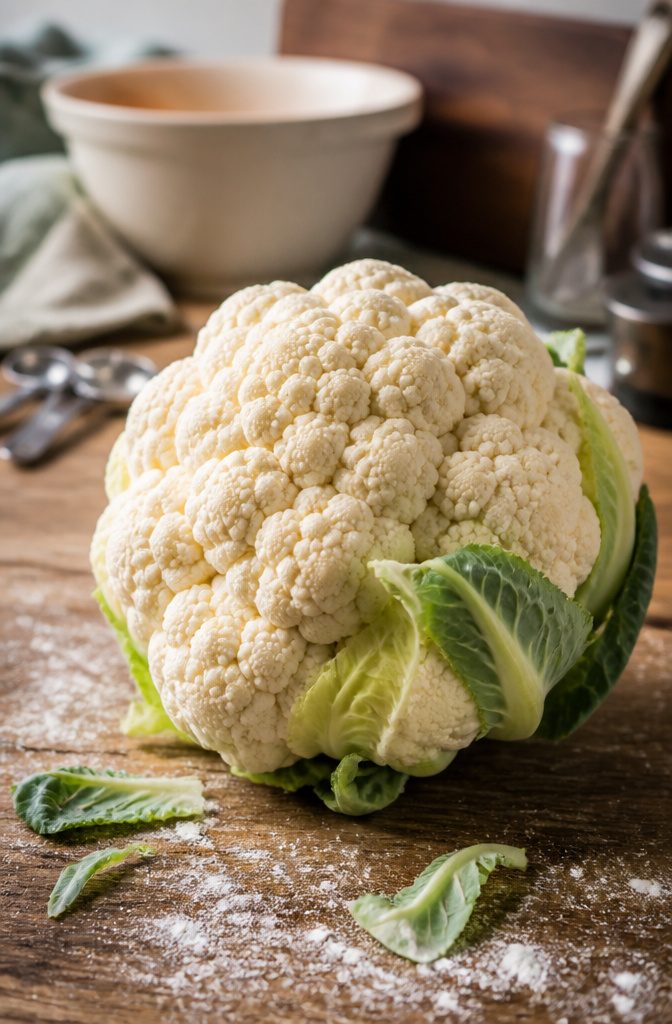
Cauliflower belongs to the same Brassica family as kale and cabbage, and the curd responds to cold in much the same way. A light frost keeps the head tight while converting starches to sugars, so the flavor deepens rather than turning bland or bitter. Most varieties need roughly 80 days from transplant to harvest, which means a mid-summer planting puts you right in the window for those first cold nights.
Fall cauliflower has another advantage over spring plantings: the heads mature in cooler, more stable weather, so you’re less likely to hit the buttoning or ricing that heat stress causes. The plants tolerate temperatures down to about 26 °F, a moderate freeze that would damage less hardy crops. I aim to let mine see at least one or two nights in the high 20s before I cut the head, though I watch the forecast and pull them if a hard freeze below 24 °F is coming. The curd won’t survive that.
Mustard Greens Mellowed
Mustard greens are the loud guest at the raw-salad party, all heat and prickle, and that bite is exactly why some gardeners pass them by. A few frosts change the negotiation entirely. The plant converts starch to glucose to keep its cells from freezing, a process called cold sweetening, and that extra sugar tames the fire rather than masking it. What remains is a softer pepper, still identifiable but no longer insistent. For anyone who has tried mustard greens once and written them off as too sharp, the post-frost leaf is a different vegetable in practice even if the seed packet reads the same. I find them usable straight from the cold frame at that point, where before I would have limited them to long-cooked pots. The chemistry also means less of the glucosinolate heat compounds overall as temperatures drop, so the mellowing runs on two tracks at once.
Which Frost Is Too Much
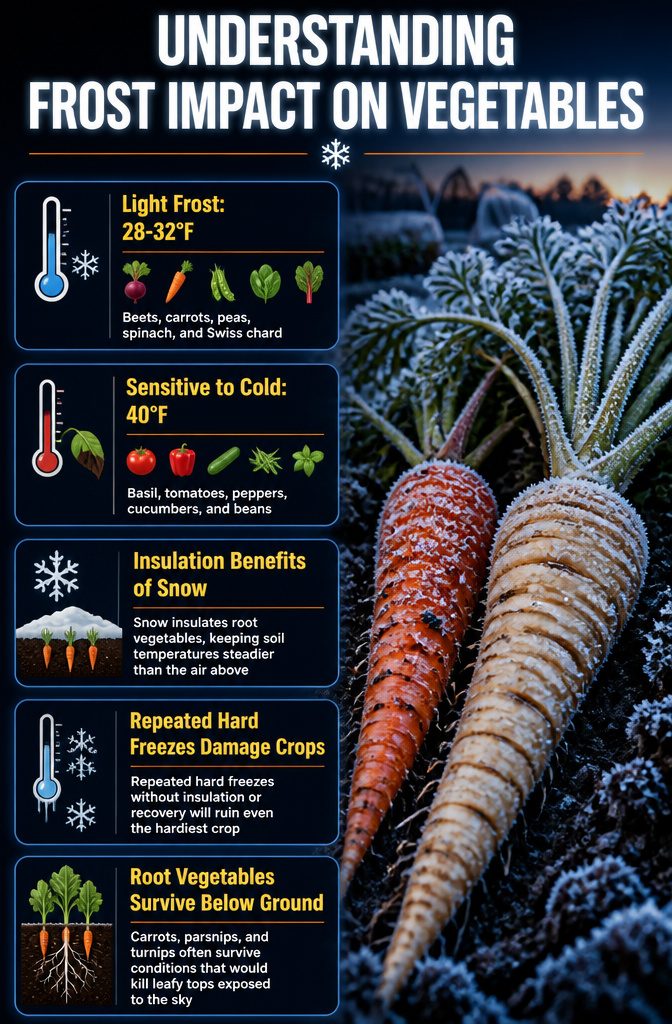
A light frost sits between 28 and 32 degrees Fahrenheit, and that band is where most frost-tolerant vegetables do their best work. Beets, carrots, peas, spinach, and Swiss chard all handle those temperatures without complaint; some, like broccoli and cauliflower, come through a light freeze with sweeter flesh and firmer texture. The real damage starts when the thermometer drops below that threshold and stays there, or when a hard freeze hits tender growth that has no insulation.
Warm-weather crops tell a different story. Basil leaves can blacken in the 40s, and tomatoes, peppers, cucumbers, and beans begin shutting down well before any ice forms. Even pumpkins, which can survive a 35-degree night, need daytime temperatures back up near 70 degrees to recover. Without that rebound, the injury accumulates.
Snow changes the math. A blanket of snow insulates root vegetables in the ground, keeping soil temperatures steadier than the air above. That is why carrots, parsnips, and turnips often survive conditions that would kill leafy tops exposed to the sky. Row covers and cold frames extend the same protection artificially, letting plants chill without freezing solid so you can keep harvesting later than the calendar suggests. Repeated hard freezes without insulation or recovery will ruin even the hardiest crop, so the game is knowing when to cover, when to harvest, and when to let the plant sit and sweeten.
When to Harvest After Frost
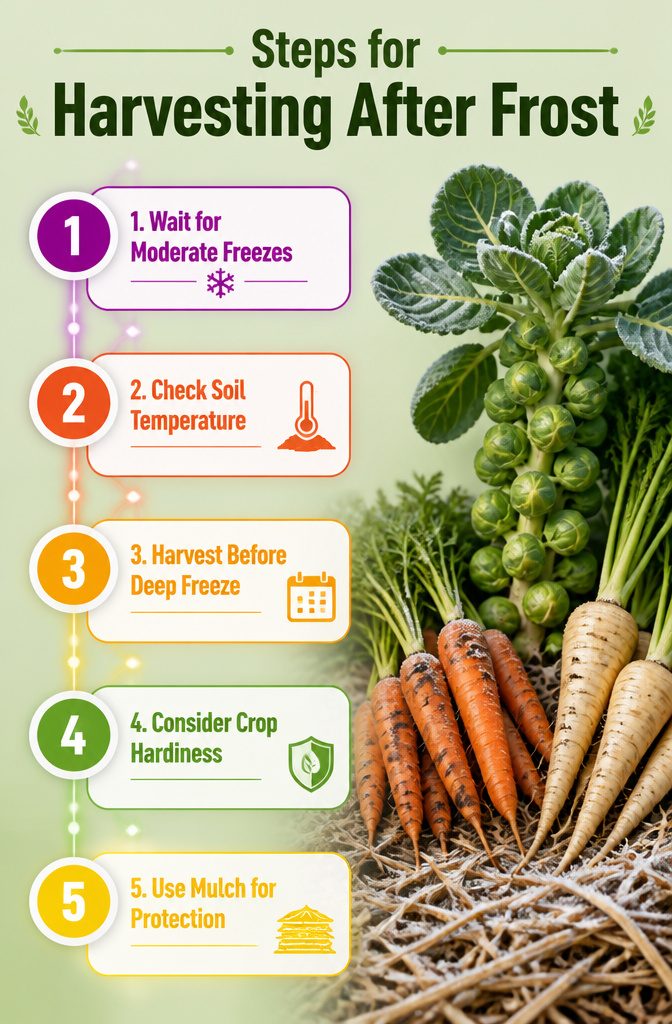
A light frost at 28 to 32 degrees Fahrenheit starts the sugar conversion in most vegetables, but leave them through several moderate freezes, down to about 24 degrees, before the flavor peaks. Brussels sprouts and parsnips both need that repeated cold exposure; pulling them after a single night of frost sells the harvest short.
Root crops keep developing sugars while soil temperatures sit below 40 degrees, which means carrots and similar vegetables often improve for weeks after the first cold snap. The ground itself becomes storage, and a layer of straw over the bed lets you pull them as needed without the roots turning to mush.
Hardiness varies by type. Cole crops like kale, cabbage, and broccoli tolerate moderate freezes in the 24 to 28 degree range, while horseradish can survive even severe freezes below 24 degrees if mulched thickly. Leeks operate on a different timeline entirely; as long as the ground does not freeze solid, they stay in place for harvest through the coldest months.
The real risk is not the first frost but the sustained hard freeze that follows. Know your local pattern: a week of single-digit nights will freeze the ground deeply enough to damage even hardy roots, and no amount of straw saves a leek locked in ice.
Planting for a Frost Harvest
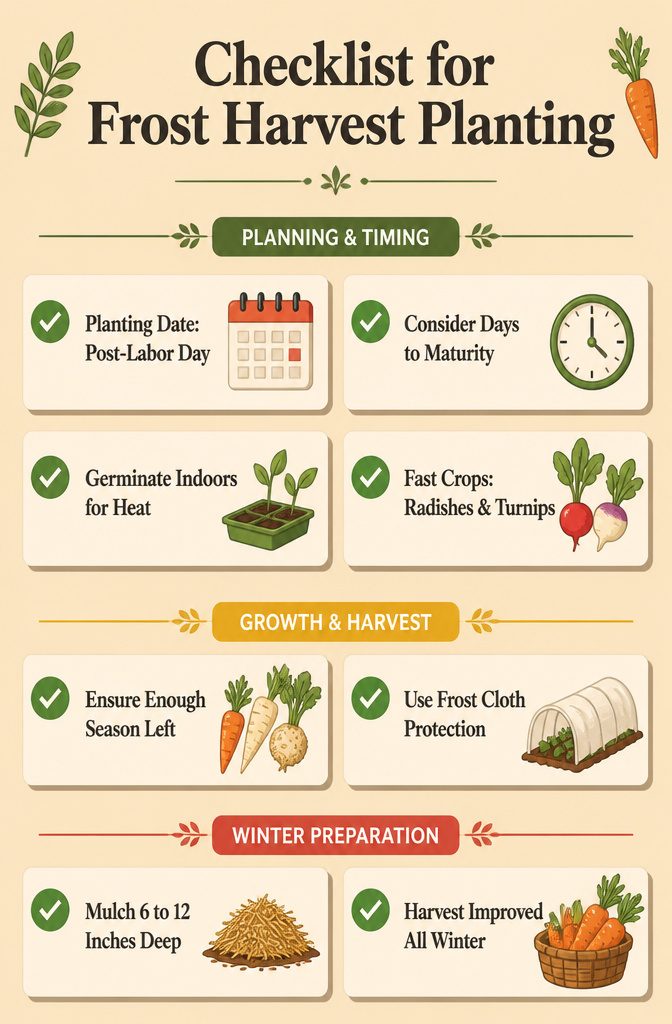
Late summer planting for a frost harvest means working backward from your first freeze and the variety’s days to maturity. In zone 6b, that often lands right after Labor Day. Spinach and lettuce throw a wrinkle in the timing: their seeds sometimes refuse to germinate in hot soil, so starting them indoors first, or waiting until evening temperatures drop, keeps you from losing a week to stubborn ground.
A few crops move fast enough that early fall is not too late. Radishes, some turnips, and certain mustard greens can size up in 40 days or less if the soil still holds warmth. For the slower ones, parsnips, carrots, rutabagas, celeriac, you want them in the ground with enough growing season left that they bulk up before the cold sets in. Then the frost does the work. Broccoli heads are typically ready 55–75 days after transplanting, so counting back from your average first freeze tells you when to set seedlings out.
Where winter drops to 20°F or below, a low tunnel with one or two layers of frost cloth extends the harvest without turning the bed into a greenhouse. The goal is not to keep plants warm; it is to keep them from freezing solid while they sit in cold that improves them. A thick layer of straw mulch, 6 to 12 inches, buys the same insurance for root crops left in the ground. The soil itself becomes storage, and carrots pulled in January taste nothing like the ones lifted in October.
Cooking Frost-Sweetened Vegetables
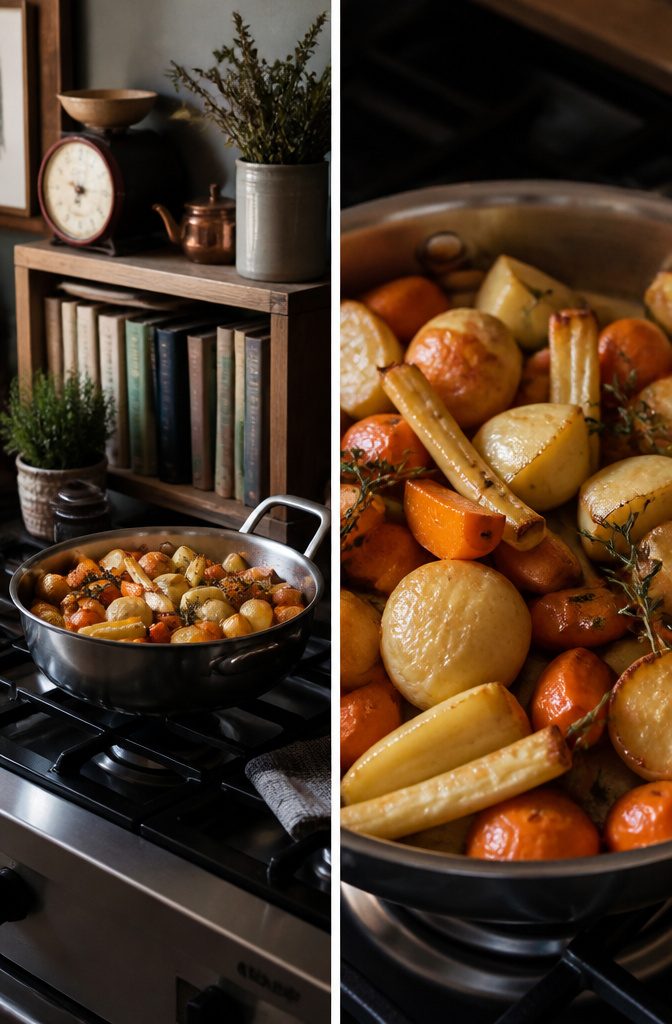
Roasting pulls more out of frost-sweetened vegetables than their summer-harvested selves usually give. The extra sugars left over from that starch-to-sugar conversion caramelize faster and deeper, so a pan of carrots or parsnips turns dark and sticky at the edges without needing honey or much oil at all. The same chemistry works in a pot of soup. A slow simmer lets those sugars dissolve into the broth, rounding out the bitterness that puts people off turnips or kale in warmer months. The cold-weather harvest needs less doctoring; the frost did half the work already.
Collard greens and kale respond well to this too. A quick deep freeze for about 24 hours can mimic some of that effect if you pulled them early, though the garden’s own timing still wins for depth of flavor. Either way, the method stays simple: dry heat for roots, wet heat for leaves, and a lighter hand with sweeteners than recipes written for store-bought produce would suggest.
Frequently Asked Questions
What vegetables taste better after a frost?
Kale, carrots, parsnips, Brussels sprouts, broccoli, cabbage, beets, radishes, spinach, leeks, turnips, Swiss chard, celeriac, cauliflower, and mustard greens all develop noticeably sweeter, milder flavor once cold weather hits. Root vegetables and brassicas in particular show the most dramatic shift.
Why do some vegetables taste better after frost?
Cold triggers a survival response where plants convert stored starches into sugars. Those sugars act as natural antifreeze by lowering the freezing point of water inside cells, protecting tissue from ice damage. The extra sugar left in the plant means sweeter flavor on your plate, and some greens also produce fewer bitter compounds in cold weather.
How long can vegetables stay in the ground after frost?
Many hardy vegetables can remain in place for weeks or months, depending on type and insulation. Carrots and parsnips often improve through January under straw mulch. Leeks stay viable as long as the ground remains unfrozen. Even hardy crops need pulling before sustained single-digit nights freeze the soil deeply enough to cause damage.
How cold is too cold for frost-sweetened vegetables?
Light frost between 28 and 32 degrees Fahrenheit starts the sugar conversion safely. Moderate freezes from 24 to 28 degrees still work for cole crops and many roots. True damage begins below 24 degrees or with sustained hard freeze without snow cover or mulch to insulate the soil. Row covers and straw can extend the harvest window past what air temperature alone would allow.






