These projects start with nothing more than a found branch and a used jar and scale up to a grapevine wreath form, a thrifted frame, or a spent lightbulb hollowed at the base.
The one that fits your space depends on whether you have wall space, table space, or vertical air to fill, since a thrifted propagation station and a hanging branch planter solve entirely different rooms.
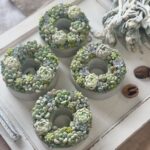
1. Succulent Wreath
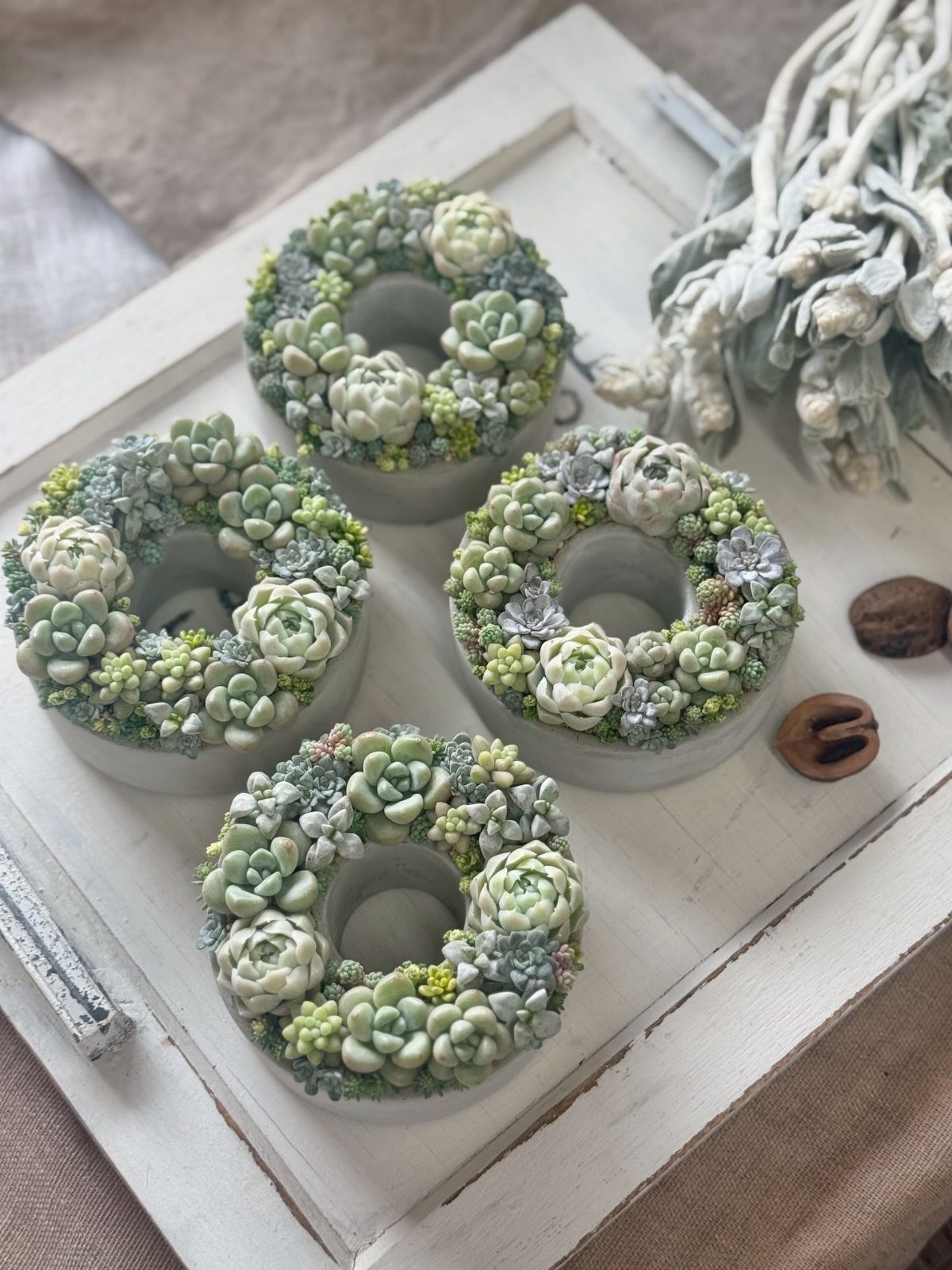
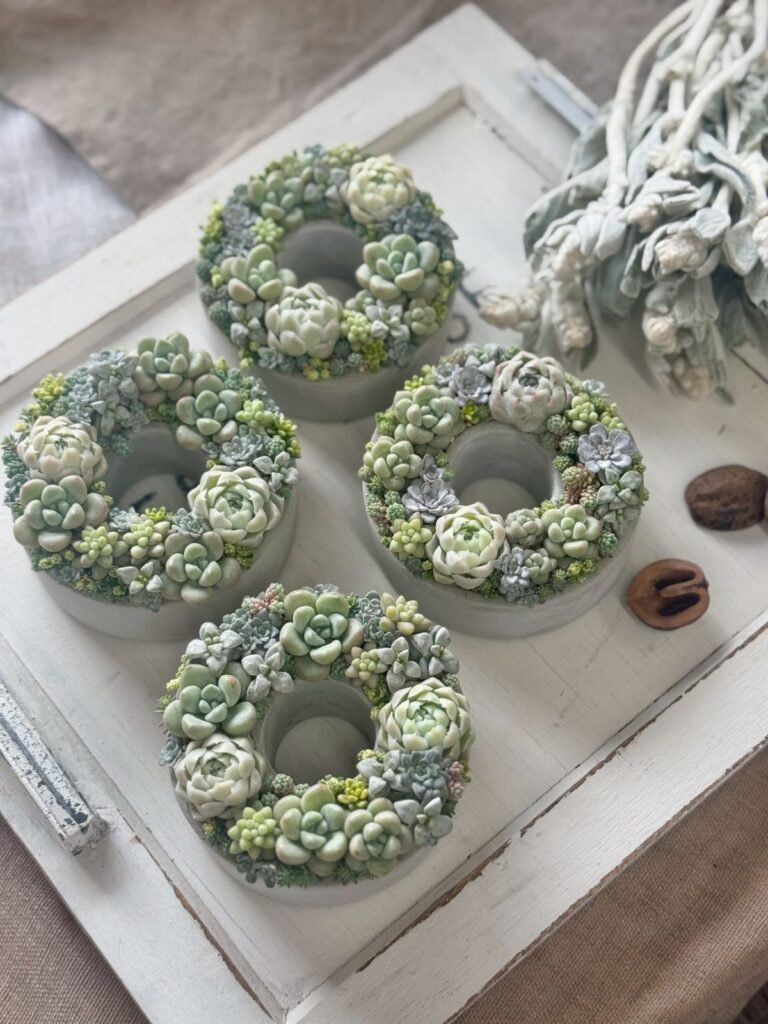
A succulent wreath starts with cuttings, not a full plant. Wire or grapevine forms hold them in place until roots take; light misting for a few weeks lets them anchor before you hang it.
The scale of a small kitchen-table project keeps cost and mess manageable. I like starting with sedums and echeverias for how forgiving they are if the watering slips a day.
2. Thrifted Glass Terrarium
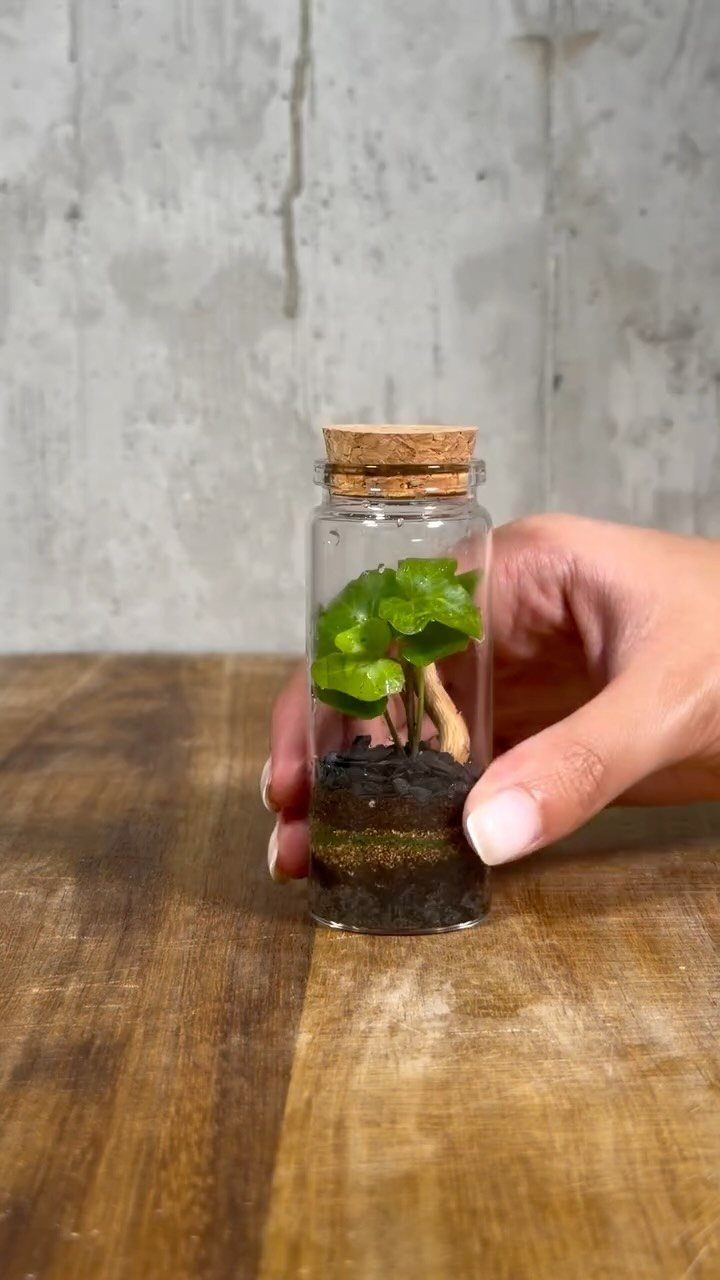
Thrift stores near me price small lidded jars low, well under what garden centers charge for purpose-built terrariums. A cork stopper lets you open the lid for a day if condensation stays too heavy.
Layer gravel, then charcoal, then soil; that order drains well and keeps the root zone healthy. I reach for moss and a single small fern, since 2 plants in a jar this size fight for the same air.
3. Mason Jar Flowerpot
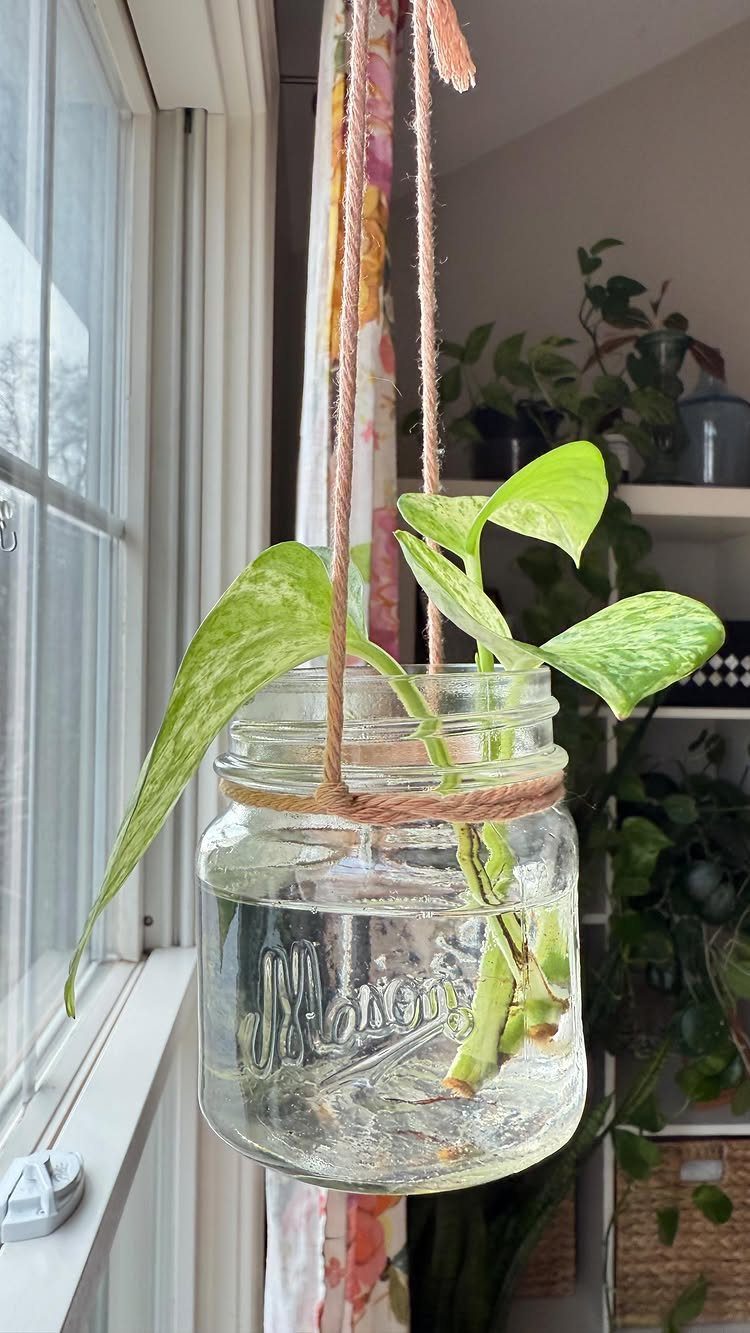
Mason jars take water propagation beautifully, and twine hangers are cheap to replace when they eventually rot. Variegated pothos or philodendron cuttings root fast in bright indirect light; change the water weekly to keep it clear.
The glass shows root progress, which I find more useful than it is pretty. For soil instead, drill a drainage hole or keep the layer shallow and watch for souring.
4. Thrifted Propagation Station
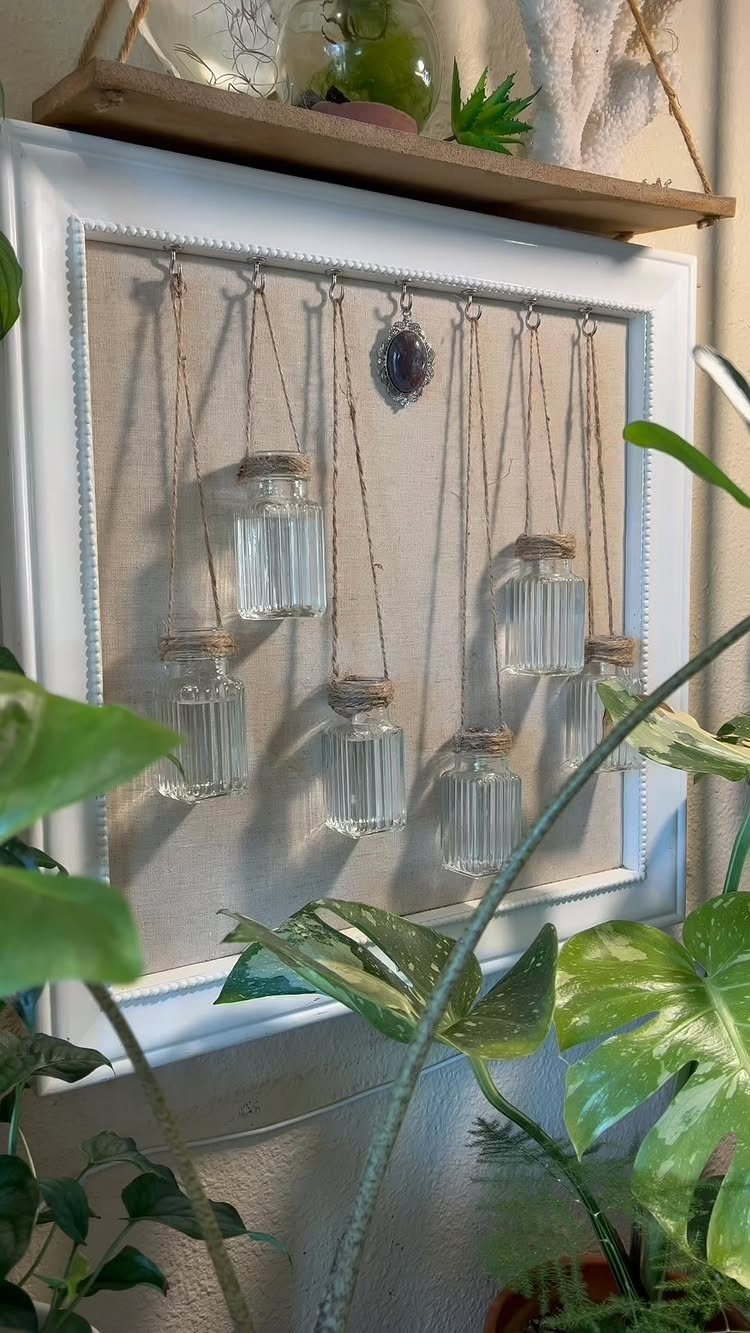
A white picture frame and twine turn wall space into a propagation station without shelf depth.
I would mount this near a window, not across from one; the glass amplifies afternoon sun enough to cook tender new roots. Thrifted frames cost little near me, and test tubes or spice jars add only a small amount each.
5. Houseplant Kokedama
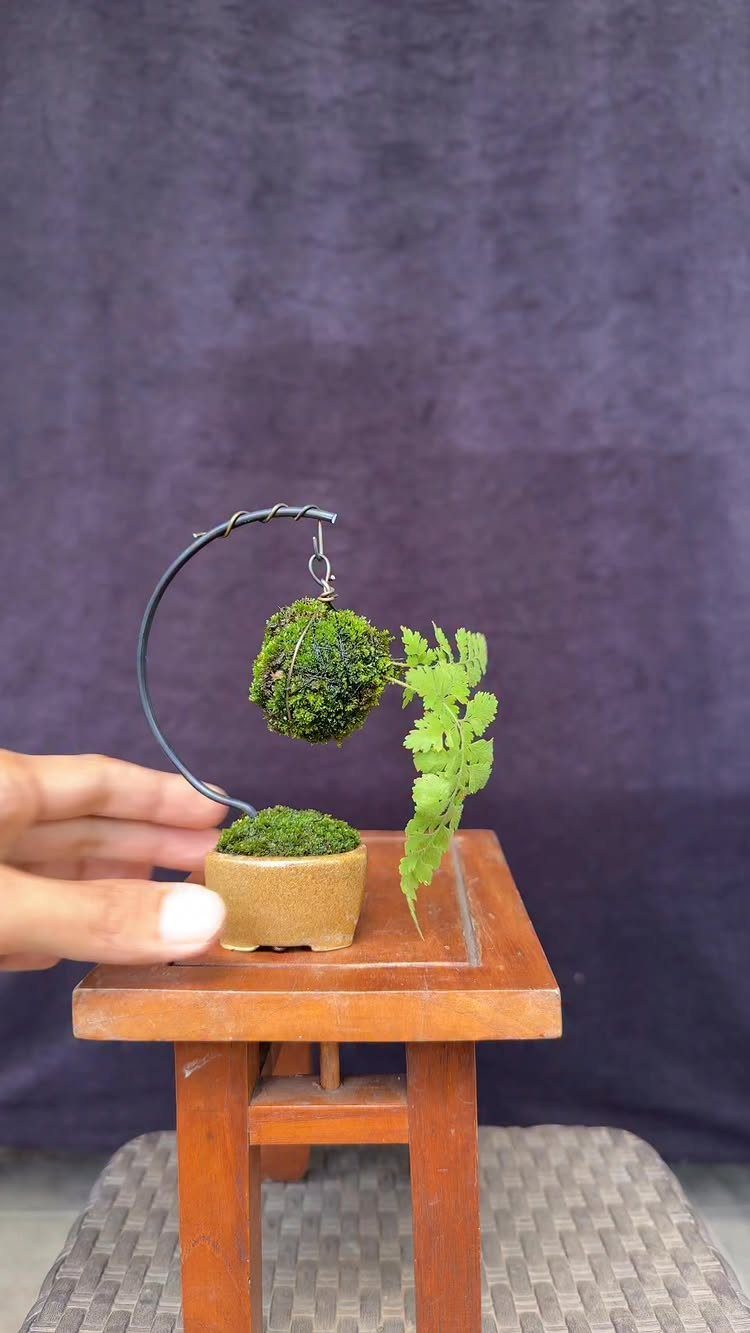
Kokedama wraps a plant’s root ball in moss and string, no pot at all.
Peat and akadama mix holds shape; wrap sheet moss around it, then bind with waxed twine or fishing line. Bonsai pots can make almost any plant creation look more deliberate, but kokedama skips the pot entirely and still looks finished.
6. Mini Succulent Fairy Garden Pot
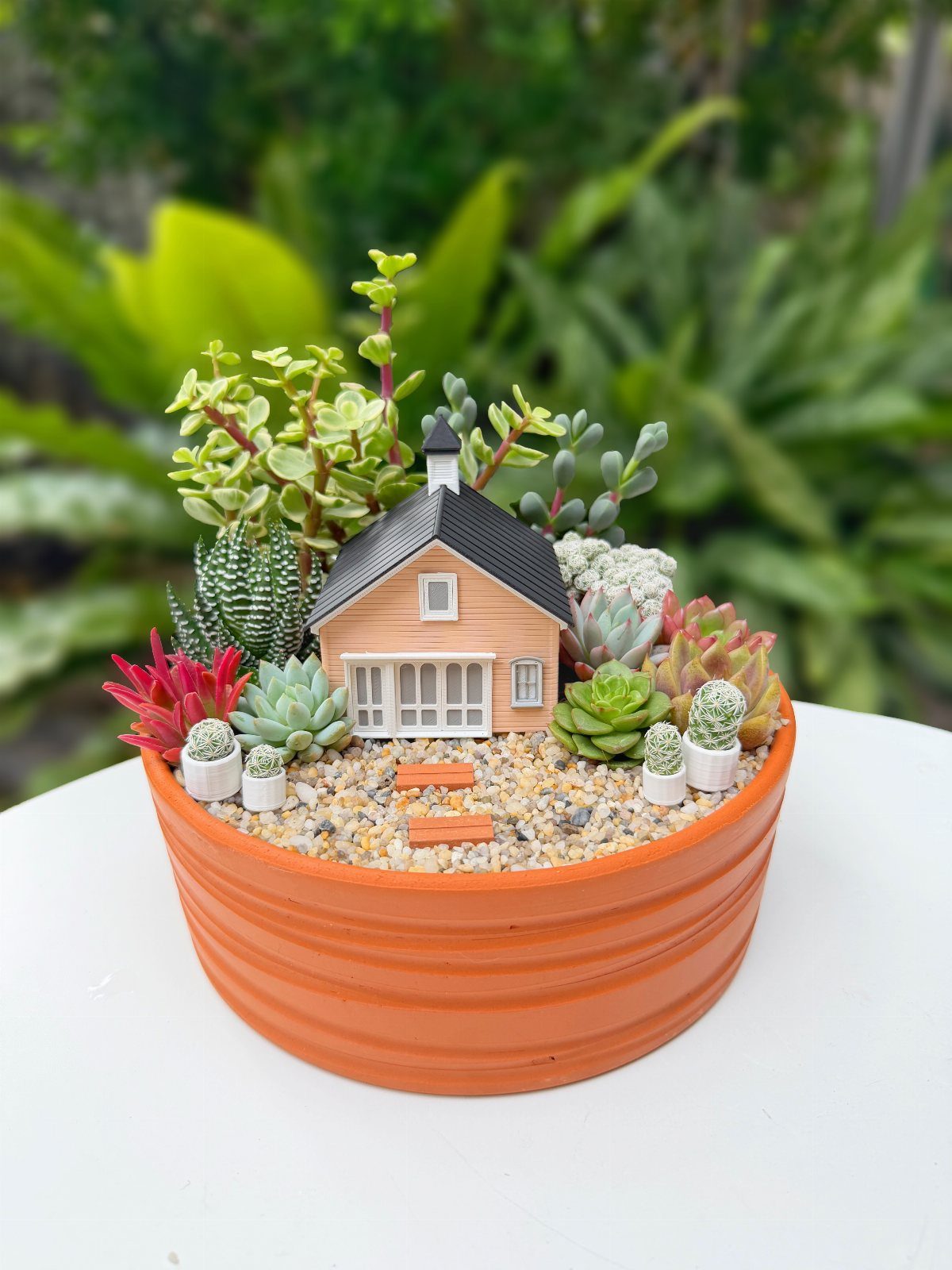
Terracotta pots wick moisture away from succulent roots, which is why this fairy garden setup survives longer than ones in glazed ceramic. I add pebbles last, after watering, so they stay on top of the soil where they belong.
One tip: place the house off-center, not middle, and cluster succulents in threes. The whole project runs cheap if you already own the pot.
7. Lightbulb Hanging Planter
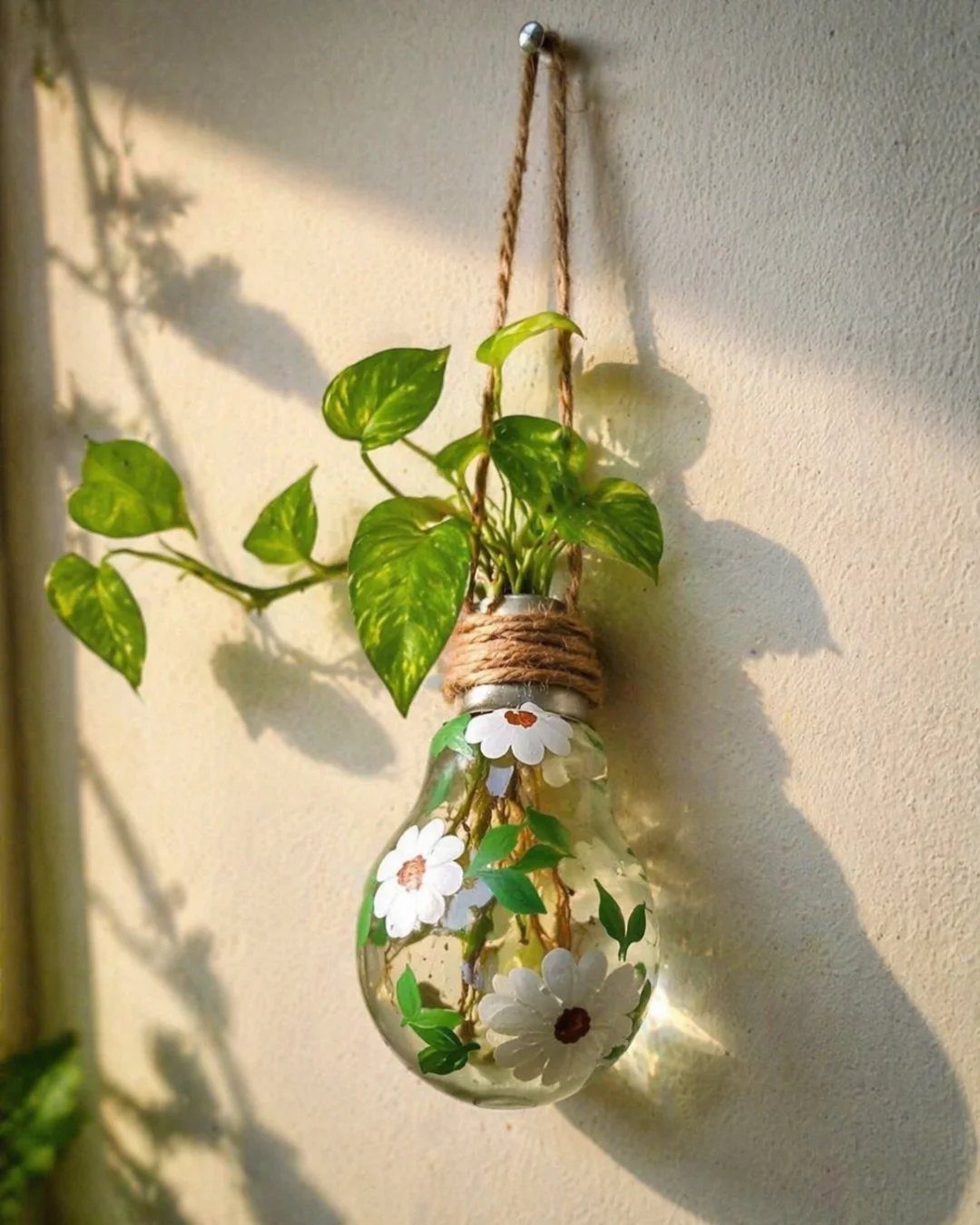
A spent incandescent bulb, hollowed carefully at the base, becomes a pocket for a single small cutting.
A coat of white acrylic in a simple flower pattern hides water spots better than bare glass, so I would paint mine rather than leave it clear.
Twine through the screw threads holds the weight once the filament and contact are removed. A peperomia or small succulent fits the scale, and the narrow opening keeps the root ball snug without extra soil.
8. Hanging Branch Jar Planter
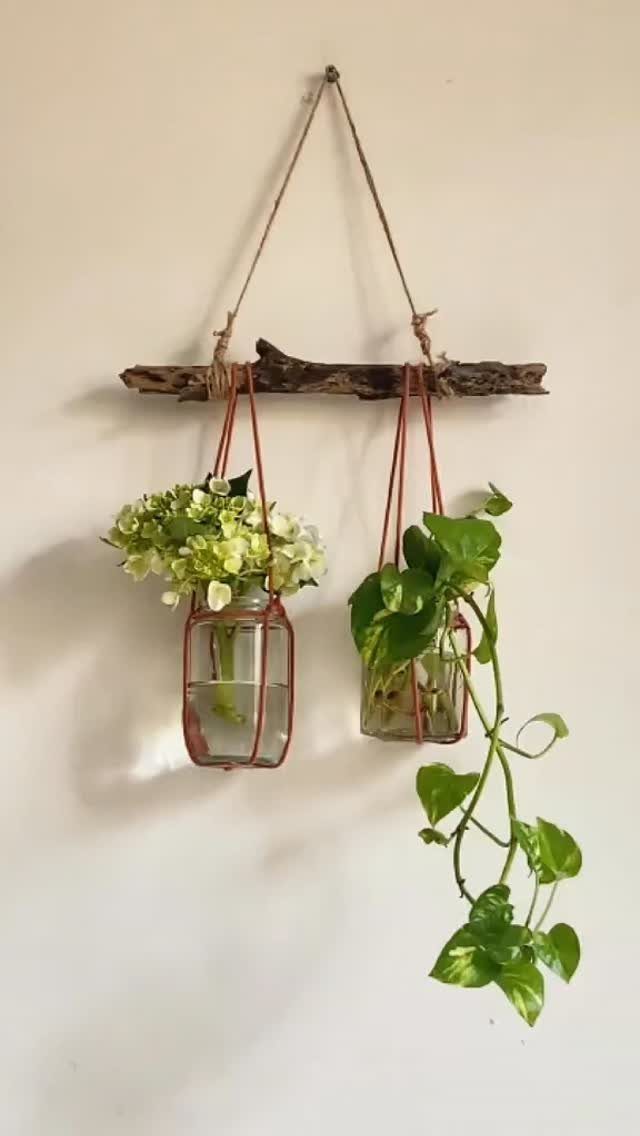
A found branch, mounted horizontal on the wall, turns a few feet of empty air into display space.
Small jam jars with wire or cord loops hang at staggered heights; I like red cord against pale walls for the contrast it gives in winter light.
A pothos cutting or small fern in each jar roots in water or stays in soil, your choice. The branch itself costs nothing if you walk a wooded path after wind, and the jars are what you already have.
9. Water Bowl with Pinecone Support
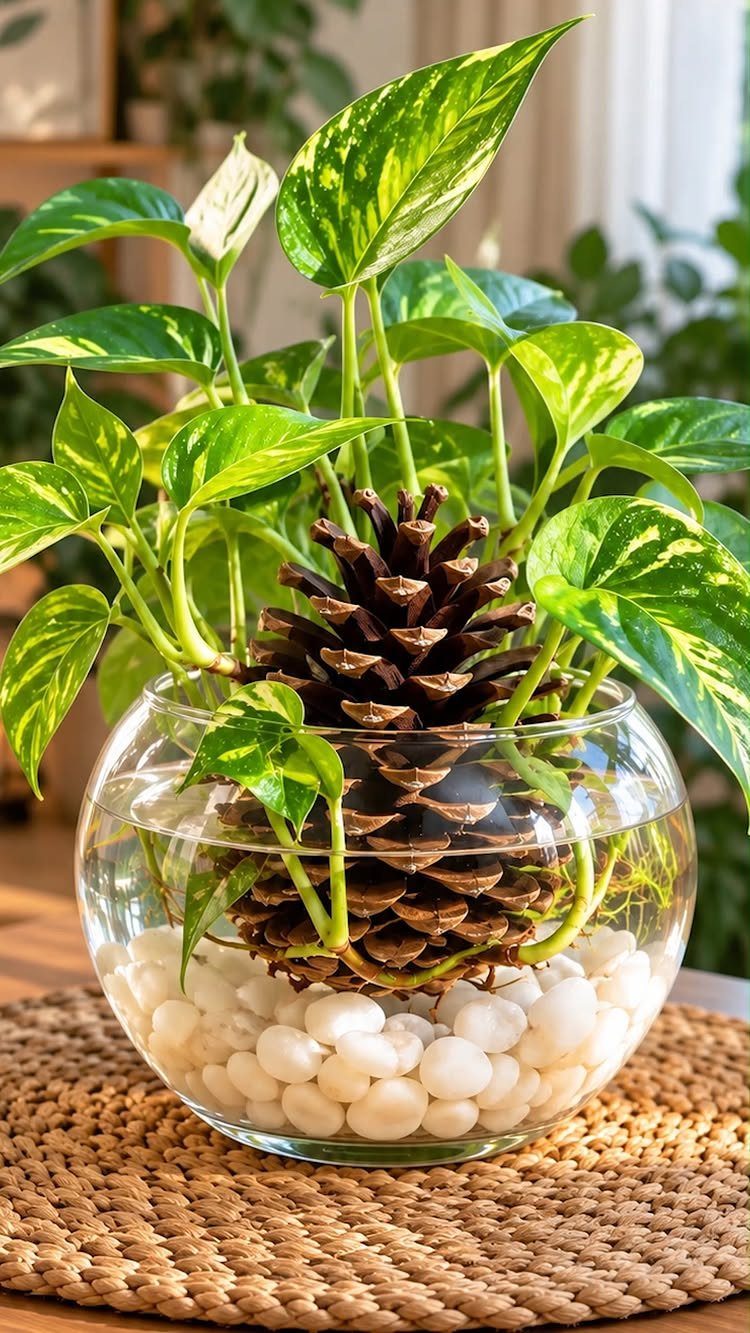
A shallow glass bowl, white pebbles for ballast, and a single large pinecone brace a variegated cutting in plain water.
The cone’s scales cradle the stem where it meets the waterline, keeping leaves dry and the crown upright without tying or wedging.
I collect cones in late fall before they open fully; the tighter scales grip better. Change the water weekly to keep it oxygenated, and move the whole bowl only by the rim, not the plant.
10. Macrame Hanging Wood Slice Shelves
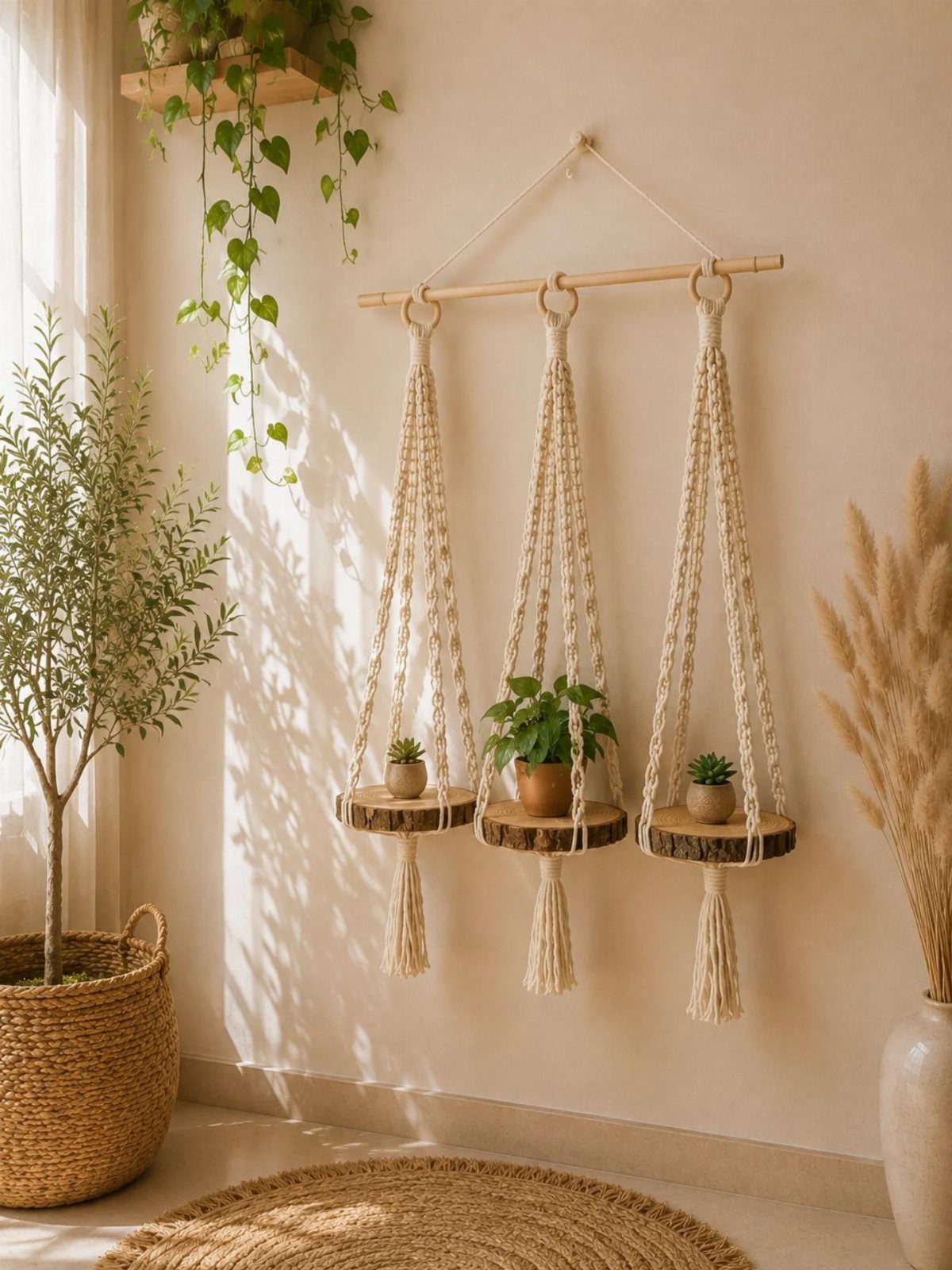
Round wood slices suspend from a dowel by simple square-knot macrame cords; each shelf holds one small potted plant at eye level. I would keep the pots under 3 inches so the weight stays manageable and the cords do not torque.
The wood can be sanded smooth or left with bark, your preference. Against a light wall the silhouette reads as geometry, not clutter, which suits a narrow entry or the space beside a larger plant that already owns the floor.
Care Tips for Holiday Plants
Most holiday plants prefer bright, indirect light and should not be overwatered. Check specific care needs for each type.
A holiday cactus, whatever the store label says, wants more water and less sun than the succulents that come from real desert.
The Schlumbergera species stay greener and flower longer with less direct sun than sedums or echeverias demand. Loose clear cellophane works for a day of transport, but longer covering blocks the moisture exchange that keeps leaves firm.
Written care instructions on a holiday tag matter more than the wrapping style. A recipient who knows to let soil dry between waterings will keep a succulent wreath or kokedama alive longer than one who guesses.
Choosing the Right Plants
Select easy-care plants like pothos, spider plants, or succulents for holiday gifting, ensuring they fit the recipient’s lifestyle.
Snake plant and spider plant tolerate the widest range of conditions among common houseplants; spider plant adds the benefit of being pet-safe.
Pothos, also called devil’s ivy, roots fast in water and survives low light that would slow most succulents. For someone who wants flowering color, peace lily gives white blooms with less sun than holiday cactus needs to set buds.
Aloe vera suits a kitchen window where minor burns happen, though its healing properties matter less to me than how little water it needs in winter.
Rubber tree and bamboo palm need more floor space than these mini projects allow. English ivy trails nicely but I would skip it for households with small children; the leaves are not safe to ingest.
Gift Wrapping for Plants
Wrap plant pots in burlap or decorative paper, and include care instructions for the recipient.
Placing the nursery container inside larger holiday-themed pottery lets the recipient remove it once winter ends, which I prefer to potting directly into a decorative vessel that may lack drainage.
Burlap with twine and a few evergreen sprigs gives a rustic look without trapping moisture against the pot. Christmas wrapping paper, tinsel, or stick-on bows dress up a pot cheaply if you already have them on hand.
A painted pot stands on its own without extra wrapping. For any cover on the plant itself, loose cellophane works for transport only; remove it within a day so leaves can breathe.
I would add care instructions to every gift, not as an afterthought: light needs, water frequency, and whether the plant tolerates pets are the details that determine if it survives January.
Frequently Asked Questions
What are some good ideas for small indoor plants?
Mini holiday houseplants like cyclamen, kalanchoe, and paperwhites work well for small spaces. A succulent wreath built on a wire or grapevine form with sedum and echeveria cuttings also stays compact and forgiving.
How can I decorate my houseplants for Christmas?
Slipping the nursery pot inside a larger ceramic with holly or reindeer motifs lets the receiver lift it out once the season passes.
Loose cellophane around the plant itself is fine for the car ride home, but peel it off within a day so the foliage can breathe.
What are some DIY projects I can do with plants?
For a living wreath, I press succulent cuttings into a damp sphagnum base on a wire or grapevine frame and mist until the roots grip.
Mason jars suit water propagation for pothos or philodendron cuttings, and twine hangers cost next to nothing to swap out. A found branch mounted horizontally turns jam jars into a hanging propagation station at staggered heights.