Vegetable gardening is the practice of growing edible plants for home consumption, and its success depends less on enthusiasm than on matching each crop to conditions that actually exist in your yard.
A tomato planted two weeks before the last frost date will blacken and stall; the same seedling set out when nights stay reliably above freezing feeds a household through September.
Most vegetables need 6 to 8 hours of direct sun, well-drained soil, and a hose spigot close enough that you will use it in July.
Location
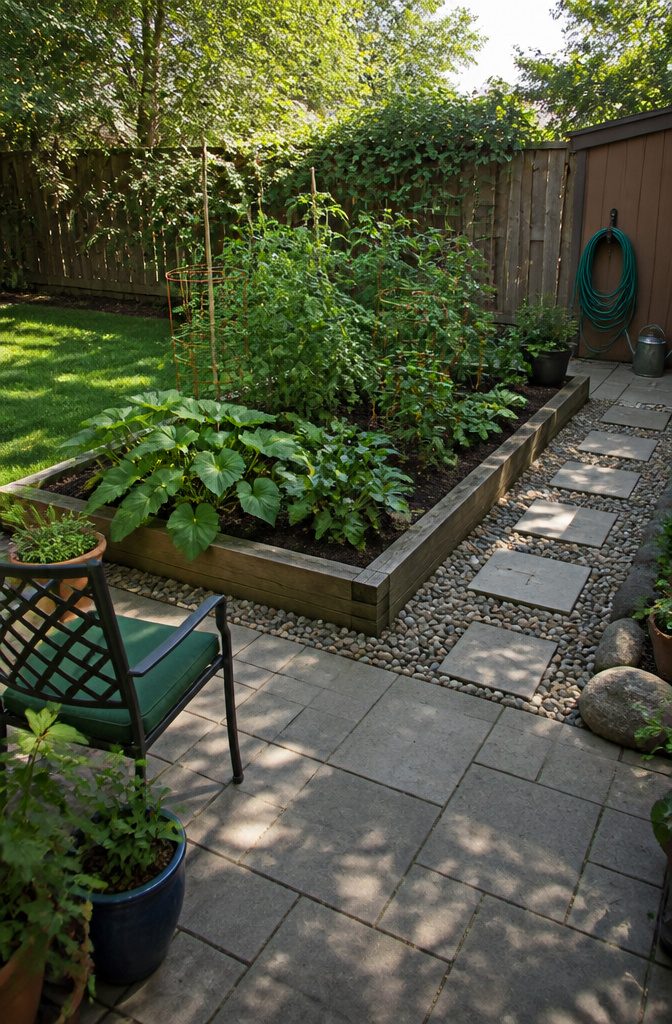
Most vegetables need 6 to 8 hours of direct sunlight daily, and that single requirement already narrows your yard down to maybe one or two spots worth considering.
Leafy greens tolerate partial shade, but tomatoes, peppers, and squash will sulk in anything less.
I spent a few days tracking sun patterns across my patio before I understood how much the neighbor’s maple moved shade across what looked, at 9 a.m., like prime real estate.
Well-drained soil matters just as much. Water pooling after rain means root rot, and no amount of compost fixes a low spot that frost settles into in late spring.
Raised beds solve this for small spaces, but they still need to sit where gravity helps, not fights you.
Then there’s the hose. Hauling water across a long yard gets old by June, and by July it becomes the reason you skip an evening watering.
The spots with sun and drainage tend to be obvious; the one with a spigot nearby is the garden that actually survives.
Get two of these three right and you might harvest something. Miss any one, and you’re troubleshooting failure before the first seed goes in.
Soil Preparation
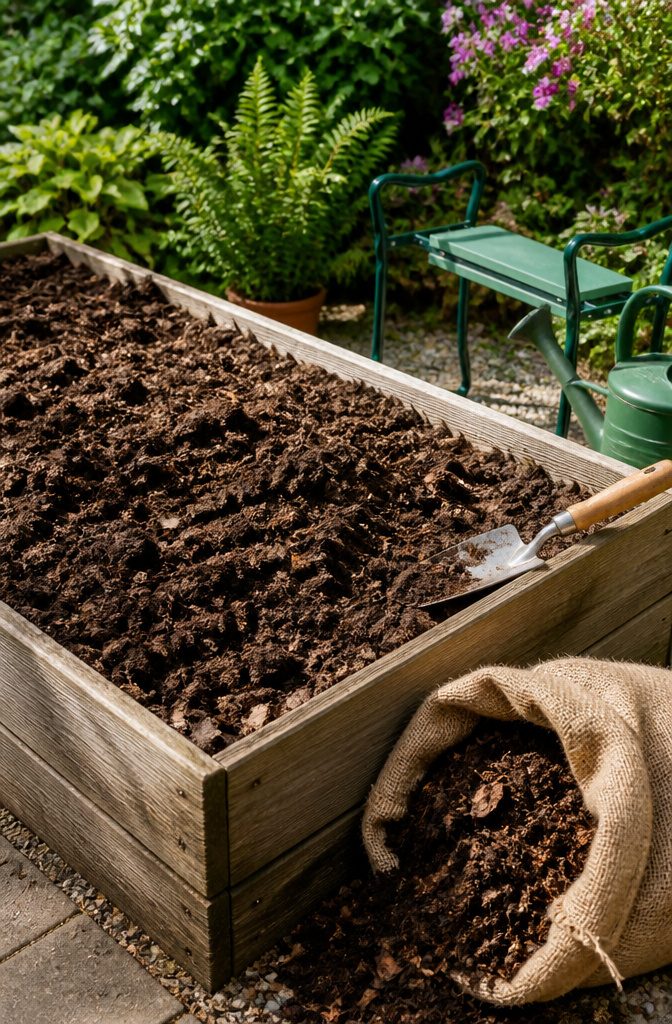
Most university cooperative extension offices will run a soil test for under $30, and that single sheet of paper tells you three things that matter: your pH, your levels of phosphorus and potassium, and how much organic matter you already have.
The pH number is the one that stops vegetable gardens cold.
Most vegetables pull nutrients best when soil sits between 6.0 and 7.2; outside that band, your tomatoes can sit in fertilizer and still starve because the chemistry locks up what the roots need.
The test also keeps you from dumping nutrients your soil never asked for.
Adding phosphorus to soil that already reads high is money thrown at a problem that does not exist, and it can actually damage what you are trying to grow.
Compost is the fix that works on almost every soil type.
Work a two to three-inch layer into the bed before you plant, and it does opposite jobs depending on what you started with: sandy soil holds water and nutrients better, clay soil loosens enough for roots to breathe and drain.
The Florida guidelines suggest 25 to 100 pounds of compost or composted manure per 100 square feet, which gives a practical range for a small yard.
My own mistake was planting beans the same week I moved into my house, figuring I would fix the soil next season.
The plants yellowed by June, grew half their expected height, and never produced. Fixing first and planting second would have cost me one month and saved the whole crop.
Plant Selection
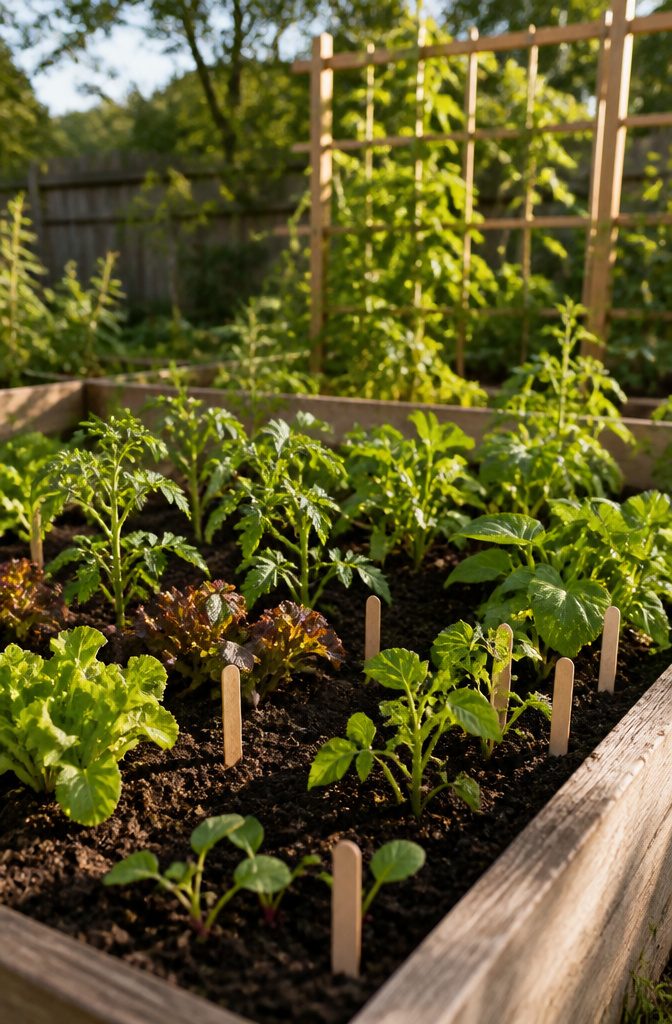
Tomatoes, lettuce, green beans, and radishes show up on every beginner list for a reason.
They forgive small mistakes, grow fast enough to keep you interested, and produce something you will actually pull into the kitchen. That last part matters more than I understood at first.
My first spring I planted eggplant because the seedlings looked beautiful in the tray; by August I had fifteen fruits rotting on the counter because no one in my house liked eggplant enough to eat them.
Cool-season vegetables like lettuce, spinach, peas, and radishes go in as early as April in Zone 5, even when frost still threatens at 32 degrees.
They mature before summer heat turns them bitter or makes them bolt. Warm-season crops such as tomatoes, peppers, and beans need the soil to stay above that line; they sulk in cold dirt and die if frost hits.
The timing determines whether you eat or not. Plant tomatoes in March in the upper Midwest and you will buy them twice, once for the dead seedlings and once for replacements.
Plant lettuce in July and it will shoot up flower stalks before the leaves amount to anything worth dressing.
Root vegetables like carrots, radishes, and beets resent transplanting.
Their taproots twist if you start them indoors, so sow them straight in the ground. For tomatoes and peppers, starter plants buy you weeks on the front end that seeds cannot match.
Five or six favorites grown well beats a dozen varieties tended poorly; my third season I finally accepted this and ate better for it.
Watering
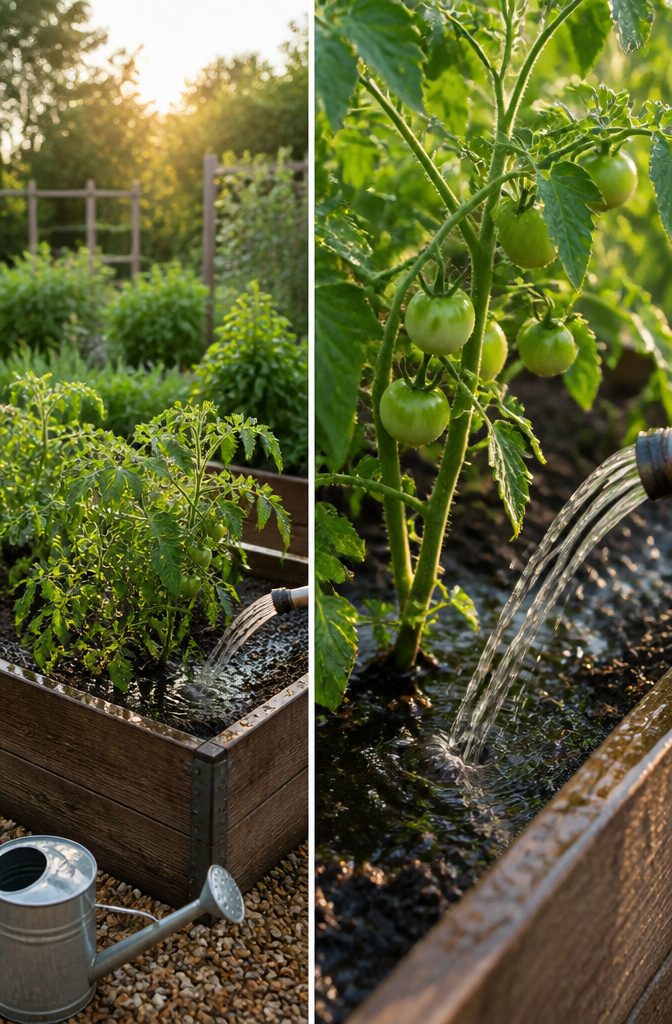
Most vegetables need one inch of water per week, counting only what falls short of that from rain.
I check my gauge or a straight-sided can after a storm to know how much nature delivered before I drag out the hose.
Morning watering lets leaves dry before evening, which matters because wet foliage at night invites fungal problems.
I aim the stream at soil level, not overhead, since splashing spreads disease and overwatering washes nutrients toward the stream instead of into roots.
Before I pour, I stick a finger two inches down near the stem. Dry there means water; damp means wait.
Overwatering shows up before wilting: leaves turn yellow and feel thick, almost rubbery, while the soil stays dark and heavy. Roots suffocate in that wetness just as surely as they would in drought.
Pest Management
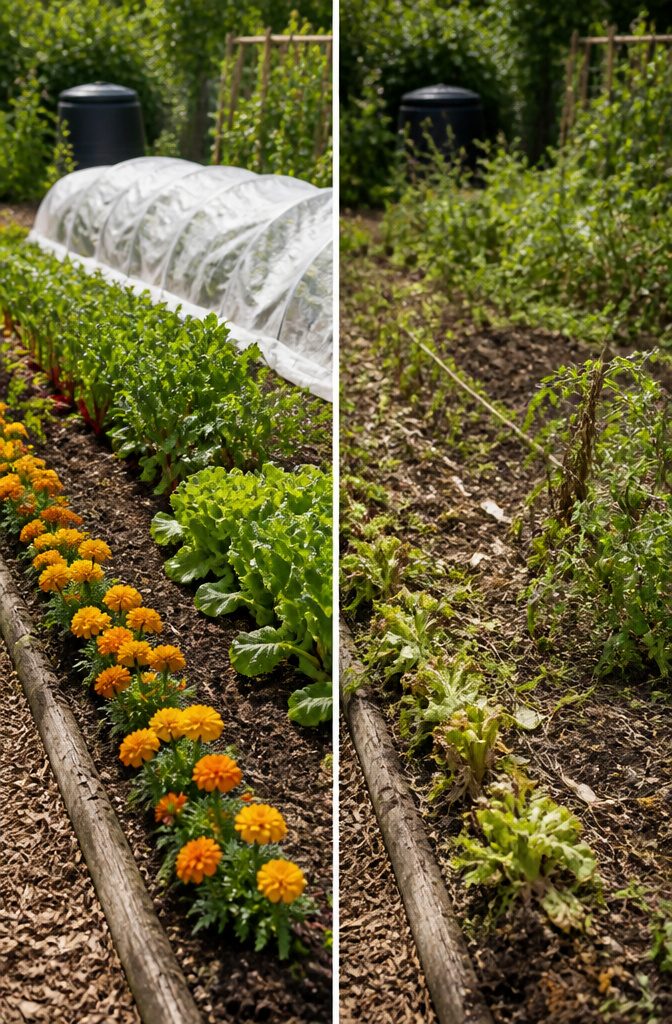
Pest management starts with looking before you spray.
Last season I spent two evenings with a flashlight checking the undersides of tomato leaves after dark, which is when slugs and snails feed, and caught a patch of aphids before they spread past the cherry row.
That habit of scouting, including the leaf undersides, matters more than any product you can buy.
Companion planting is the first defense I reach for. Marigolds around the bed edge repelled some insects from my peppers, and a strip of sweet alyssum brought in enough beneficial bugs that the aphid population collapsed without my help.
But I also planted basil too close to the tomatoes one year, competing for root space and water, so space companions far enough that both thrive is the lesson I kept.
When intervention is needed, neem oil and pyrethrin work, though I now apply them sparingly.
A heavy neem spray one June coated the alyssum flowers and kept the pollinators away for a week, which cost me more in fruit set than the aphids had.
Row covers over the squash seedlings, on the other hand, stopped the vine borers cleanly with no collateral damage. Physical barriers beat sprays for early-season crops in my small yard, where every plant pulls double duty for pollination.
Weeding
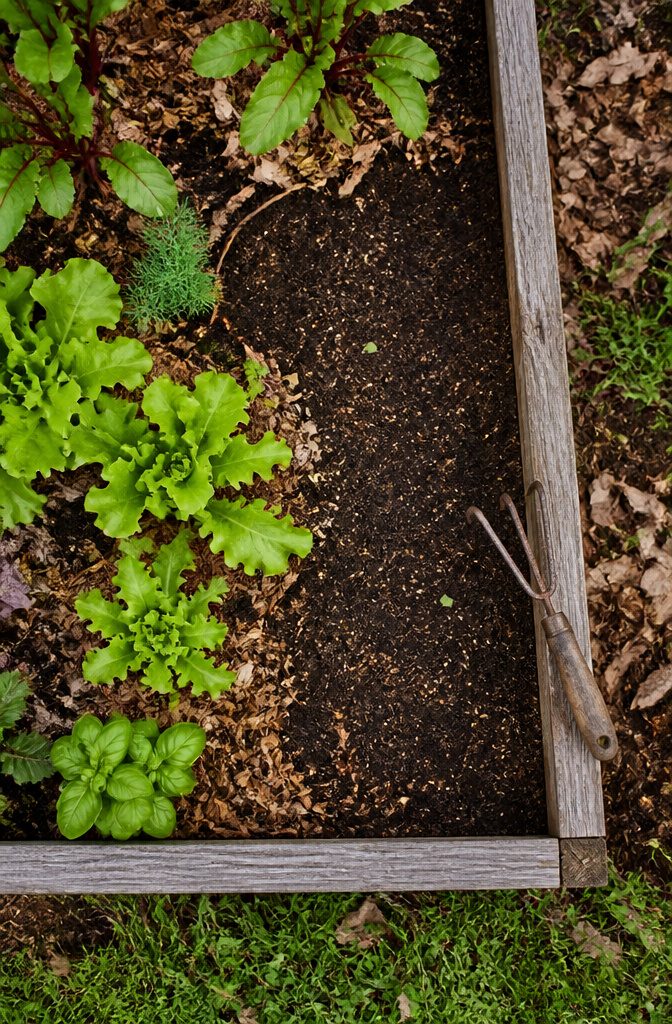
A few minutes of weeding twice a week keeps the beds manageable. Let it slide, and the same task becomes a weekend-eating jungle that leaves you exhausted before you start.
Weeds pull nitrogen, phosphorus, and potassium your vegetables need, and their leaves block light from reaching crop seedlings that sit lower in the canopy.
I pull them after rain when the soil gives them up easier.
Dandelions in particular slip out whole instead of snapping at the root. Dry soil fights back, and you end up leaving fragments that regrow.
Never let weeds set seed in the bed; one season of neglect can mean years of new sprouts from that single mistake.
A 3 to 4 inch layer of straw or shredded leaves around the crops suppresses what germinates and holds soil moisture besides.
Pathways stay cleaner with cardboard or newspaper underneath bark mulch or gravel, so the weeds that do appear are only where you expect to walk, not where you plan to harvest.
Harvesting
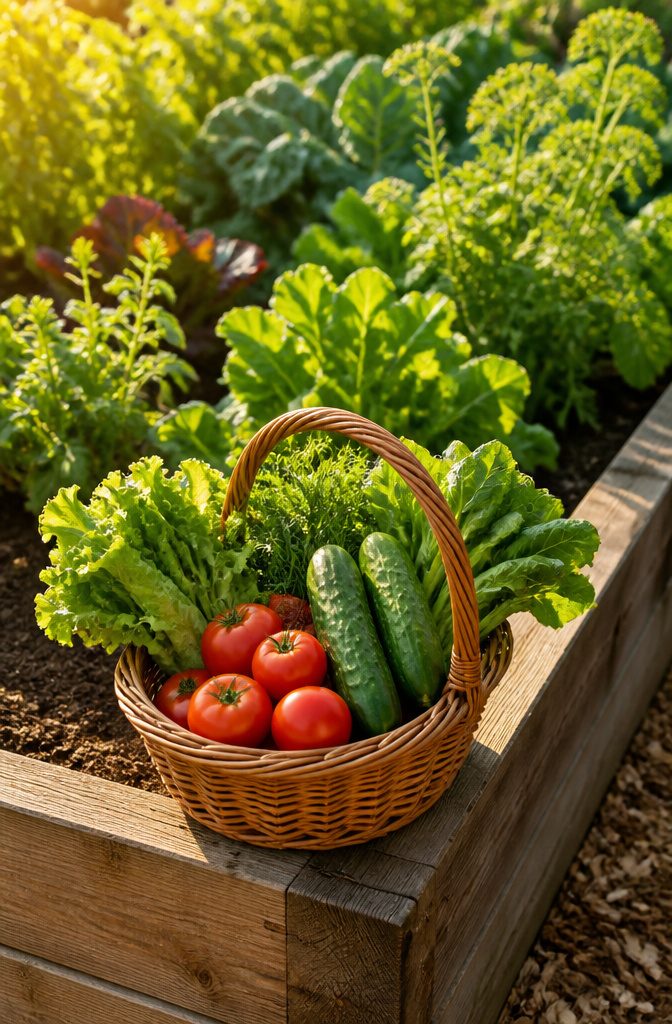
Regular picking is the habit that changed how much food my small garden actually gives me. The plants want to keep their genetic line going, so removing a mature fruit signals the vine to set more.
Ignore a ripe zucchini for two extra days and the plant quietly shifts into seed-making mode, slowing new production to a crawl.
Most vegetables telegraph their readiness in ways that are easy to read once you know them.
A tomato pulls cleanly from the stem with a slight twist when it is fully colored, and cucumbers are best at six to eight inches, before the seeds swell and the skin turns bitter and yellow.
Lettuces and leafy herbs are the exception; they never really finish, and you can keep cutting outer leaves for weeks.
The checking rhythm matters more than any single harvest. Once flowers start setting fruit, I walk the beds every two or three days with a small basket.
That frequency catches produce at its prime and prevents the oversize, woody specimens that first-year gardeners often complain about. A tomato left to over-ripen on the vine draws insects and can rot the neighboring fruit.
Succession Planting
My first year growing vegetables, I planted two full rows of bush beans on Memorial Day weekend and watched them all come in at once.
Two weeks of frantic picking, then nothing but bare soil and weeds for the rest of the season. Succession planting would have changed everything.
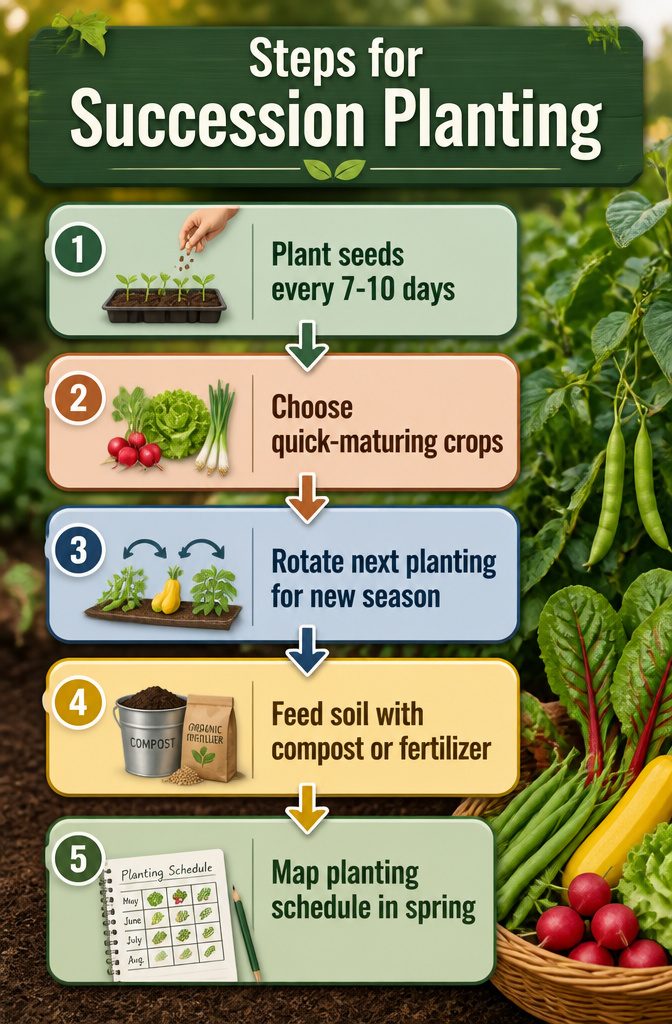
Planting in waves every 7 to 10 days keeps the same bed producing continuously instead of all at once. Lettuce, radishes, and bush beans are made for this.
A spring crop of peas or lettuce can finish by early summer, then that space gets turned around for warm-season squash, beans, or Swiss chard, sometimes even a third planting of winter greens if your season allows.
Quick crops like radishes or green onions work especially well because they mature fast enough to slip in between slower neighbors.
Sow them alongside carrots or parsnips, harvest the radishes in three weeks, and the remaining vegetables get the elbow room they need.
The soil needs feeding between rounds, not just the first time. Work in compost or aged manure, maybe a balanced organic fertilizer, so the next wave has the same nutrients the first one consumed.
A rough map drawn in early spring helps keep the sequence straight, especially when mid-July heat makes clear thinking harder.
Container Gardening
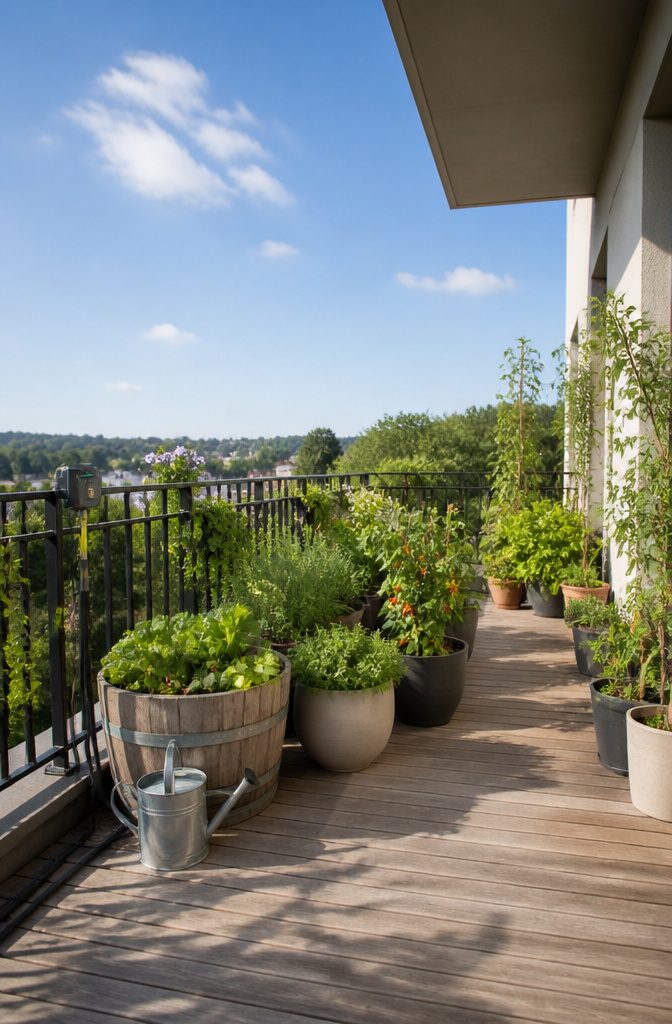
Containers make sense when the only sun hits a patio, balcony, or driveway, or when the yard soil is too poor to amend.
Pots also warm faster in spring, so planting can start earlier. The tradeoff is water: pots dry out faster than ground soil, sometimes needing daily attention in summer heat.
Size matters more in containers than in the ground. A 12-inch flowerpot is the minimum for smaller vegetables like lettuce or beets, while tomatoes and peppers need room to match their mature root systems.
Half whisky barrels work well for larger plants, and mixing vegetables in one container can stretch the harvest window.
For irrigation, hand watering with a hose or can keeps a small setup alive if it is consistent.
A drip line on a timer removes the guesswork as plants grow and demand more. Either way, morning watering beats the afternoon heat, letting moisture soak in before evaporation starts.
Crop Rotation
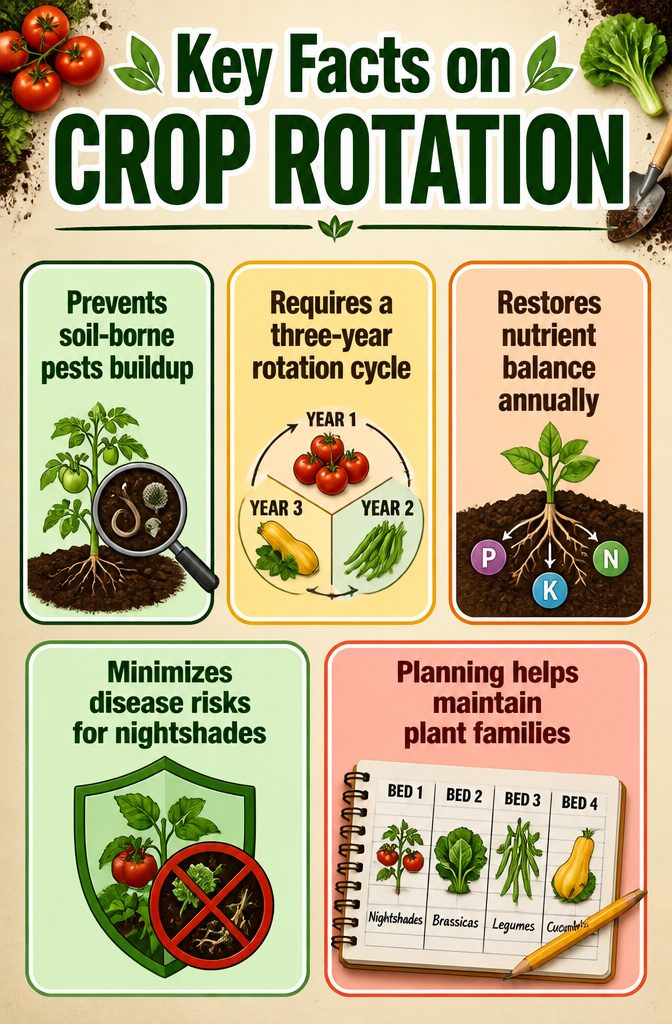
The same tomato spot two years running taught me what crop rotation actually costs. The plants looked fine at first, then yellowed from the bottom up by July.
Soil-borne pests and diseases build up when nightshades, brassicas, or any plant family stays put. Nutrients deplete unevenly too; tomatoes pull heavy phosphorus and potassium from the same patch year after year.
A three-year rotation keeps each plant family moving. I sketch my beds on paper each spring and save those plans.
One bed might run tomatoes, then beans, then squash before nightshades return. Four beds make it easier: nightshades, brassicas, legumes, and cucurbits each get their own quarter, shifting clockwise annually.
Without that gap, fusarium wilt or root-knot nematodes can linger where tomatoes previously grew. The plant family matters more than the plant itself; peppers and potatoes share tomato pests and belong in the same rotation group.
Raised Bed Size
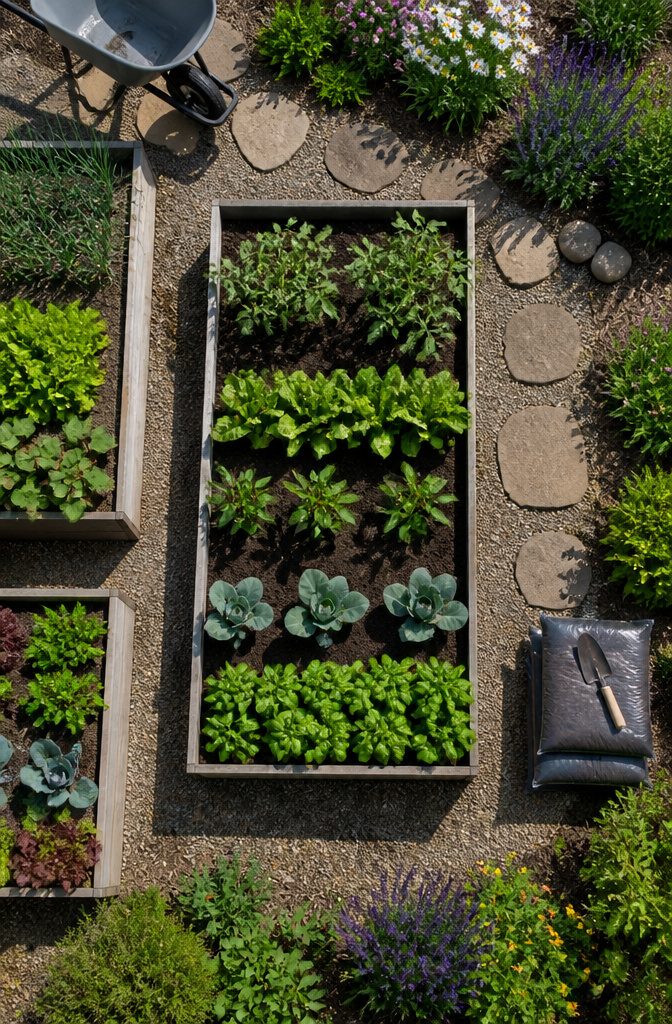
A 4-by-4 or 4-by-8 foot bed is the size I keep coming back to when friends ask where to start.
Four feet across means your arm reaches the middle from either side without stepping into the soil, which is the whole point of going raised in the first place.
Step in once after rain and you’ve compressed what you spent money to fluff up.
The 4-by-8 gives you twice the row feet for tomatoes or beans while keeping that same reachable width.
Either size needs sides at least 8 inches tall for roots to find depth, and you’ll want 3 to 4 feet between beds for a wheelbarrow or your knees.
A 4-by-8 foot bed holds about 16 cubic feet of soil, which is where your budget either holds or breaks.
Start small and expand next year. Better to tend a bed you can reach across than to dread one you can’t.
What I Plant First and Why
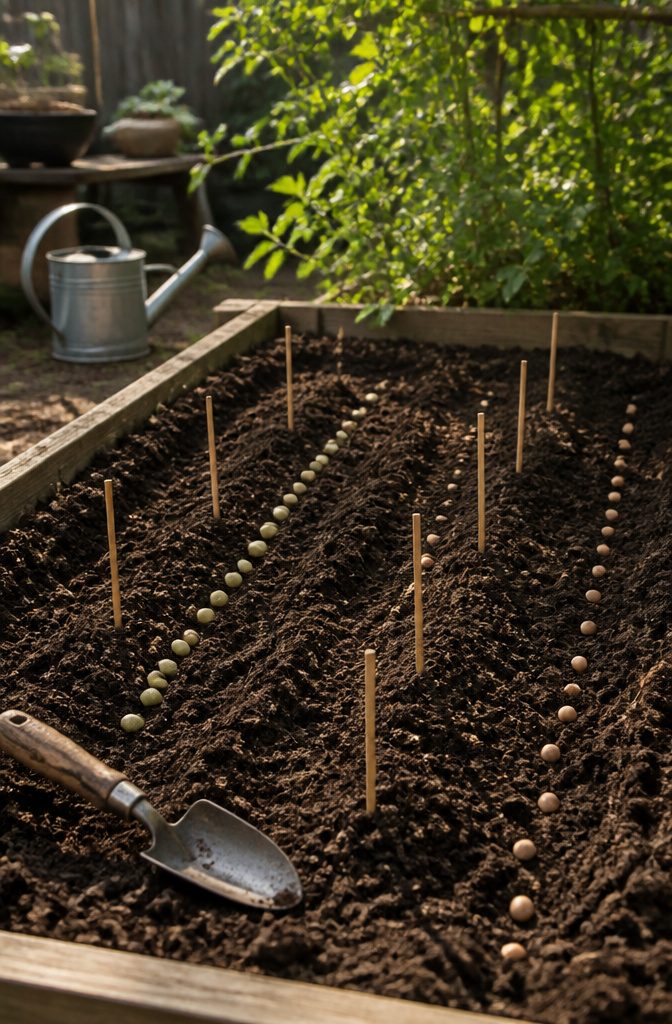
Peas and spinach go in the moment the soil can be worked, even if frost still threatens.
Lettuce, radishes, and broccoli follow close behind. These cool-season vegetables tolerate a light frost; some even survive a freeze near 32 degrees.
Tomatoes, peppers, and beans wait. They need nights reliably above frost risk, and one cold snap will stunt or kill them.
I learned this with my first tomato plant.
The nursery had six-packs out early, and I assumed "plant after danger of frost" meant roughly around, not strictly after. A 38-degree night turned the leaves black.
The plant survived but never produced well. Now I track my local last frost date by ZIP code and watch the extended forecast before setting out a single warm-season transplant.
Warm-season crops need soil warm enough for germination too.
Seeds rot in cold, wet ground; that is why direct-seeded beans and cucumbers also wait. Starting tomatoes indoors or buying seedlings buys time, but nothing buys forgiveness for planting them out too soon.
Three Mistakes That Killed My First Crop
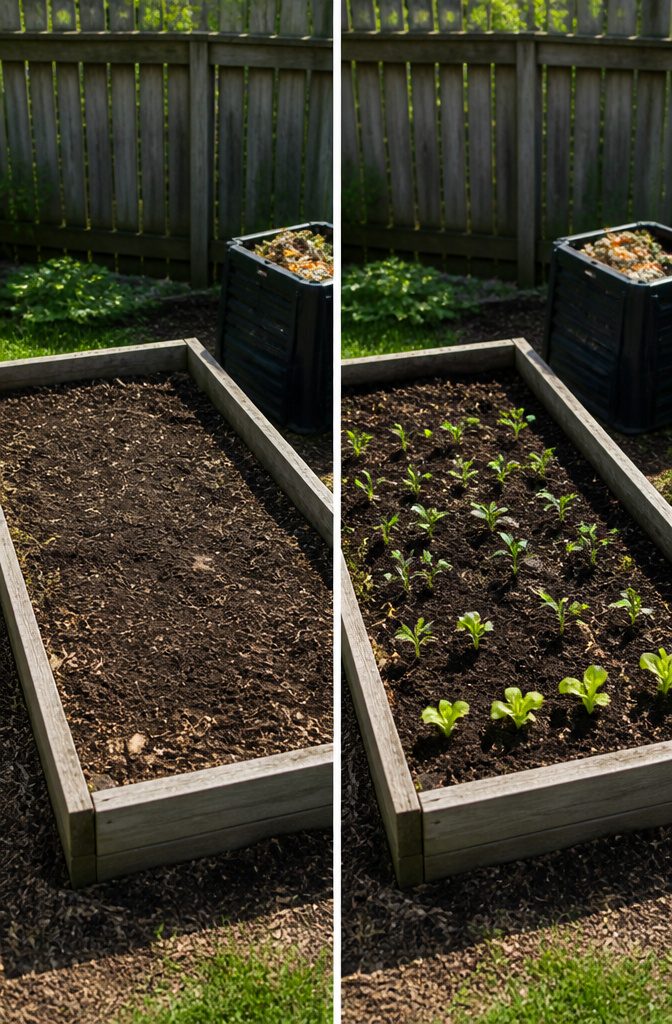
My first tomato plants went in the ground two weeks before the last frost date that year, because the garden center had them out and the afternoons felt warm enough.
By morning five of the twelve had blackened stems and leaves that hung like wet paper.
Planting too early killed half my crop before the season started. The survivors never recovered enough fruit to matter.
I had also skipped real soil prep, figuring bagged garden soil dumped on clay would sort itself out.
Roots hit that hardpan layer and went sideways; the peppers developed blossom end rot by late June, and a fork test showed the ground six inches down was still brick-colored and slick.
The next spring I worked compost in to a full spade’s depth, and the difference in root growth was visible when I pulled the spent plants in October.
July heat finished what the other two mistakes started.
I watered mornings before work, not realizing how fast midsummer sun baked the containers and raised beds dry by afternoon. Leaves crisped from the edges inward, and runner beans dropped flowers rather than set pods.
The following season I switched to evening watering, sunk my finger two knuckles deep to check before deciding, and mulched with straw. That garden fed us through September.
Frequently Asked Questions
What vegetables are easy to grow?
Tomatoes, lettuce, green beans, and radishes are the most forgiving choices for beginners.
They grow fast enough to keep you interested, tolerate small mistakes, and produce food you will actually want to eat. Choose vegetables your household enjoys; fifteen eggplants rotting on the counter taught me that lesson the hard way.
When should I plant my vegetable garden?
Plant cool-season crops like lettuce, spinach, peas, and radishes as early as April in Zone 5, even when frost still threatens at 32 degrees.
Warm-season crops such as tomatoes, peppers, and beans need nights reliably above frost risk and soil warm enough for germination. Track your local last frost date by ZIP code and watch the extended forecast before setting out any warm-season transplant.
How do I manage pests in my vegetable garden?
Start by checking your plants after dark with a flashlight, especially leaf undersides where slugs, snails, and aphids hide. Marigolds around bed edges and sweet alyssum strips attract beneficial bugs that prey on pests.
Row covers over seedlings stop vine borers cleanly without collateral damage to pollinators, while neem oil and pyrethrin work when applied sparingly so you do not coat flowers that feed the beneficial insects.