American groundnut is a perennial vine native across eastern and central North America, grown for starchy tubers that carry roughly three times the protein of Irish potatoes. The catch is patience: you wait two to three years before the first worthwhile harvest, and even then the tubers need 30 to 60 minutes of boiling to become edible.
What American Groundnut Is
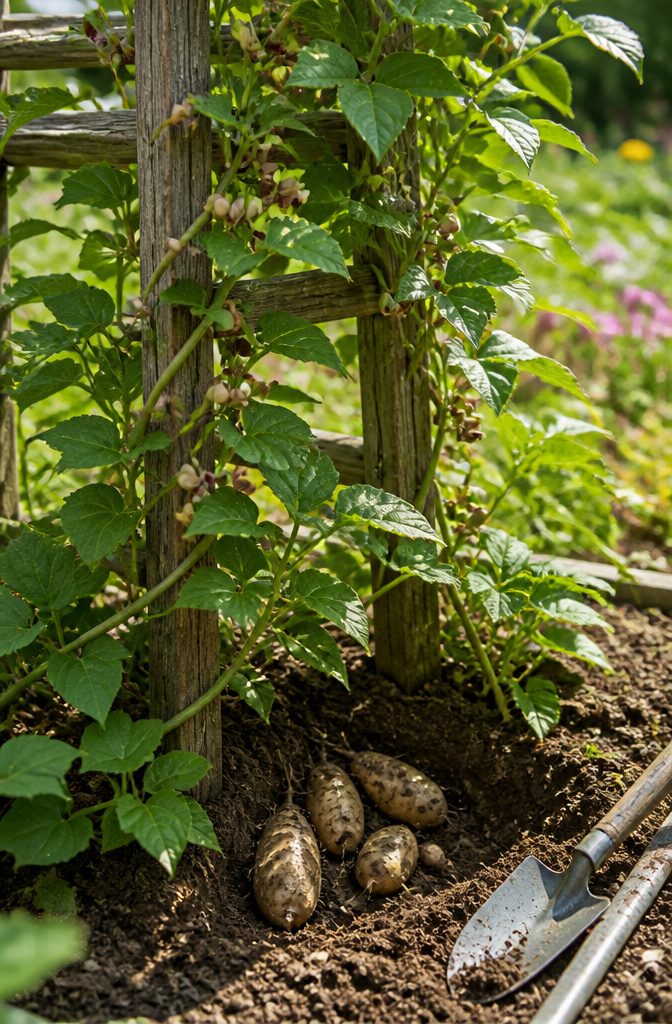
Apios americana is a perennial vine native to a vast stretch of North America, from southern Canada down to Florida and west to Colorado. In the wild it can reach 8 to 20 feet, though most accounts I’ve seen cluster toward the middle of that range. It climbs by twining counter-clockwise, with pinnate leaves and clusters of small, pea-shaped blooms that carry a cinnamon fragrance and darken from pale brown outside to reddish-brown within.
The plant produces tubers along its underground stolons, spaced like beads on a string. Most run 2 to 4 ounces, though they can reach up to 10 ounces in ideal conditions, about the size of a small egg. Nearly every part is edible: the young shoots, the seed pods eaten like peas, the flowers, and above all those tubers. They contain roughly three times the protein of Irish potato, with notable calcium and iron as well.
Henry David Thoreau ate them boiled with salt and found them palatable enough for a hungry man. Native American groups knew the plant as hopniss, potato bean, vine potato, and other names, and relied on it long before Europeans arrived. The Pilgrims at Plymouth found it growing wild and abundant; colonial records suggest it frequently carried them through harsh winters when other food failed. That history is worth remembering, because the plant has since faded almost entirely from American tables and backyards.
Where and How to Plant
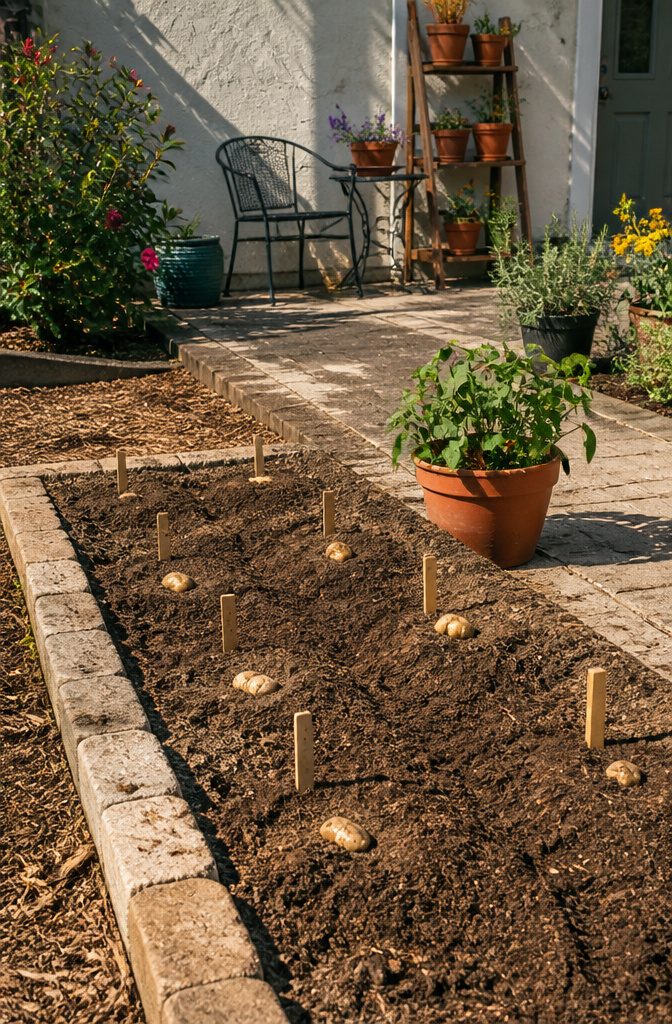
Tubers go in the ground two to four inches deep, spaced anywhere from 12 to 36 inches apart, once spring has settled past your last frost date. I start mine on the shallow end of that range; they need to stay near the surface to sprout, and burying them too deep just delays the shoot. Soil matters less than you might expect. American groundnuts take moist, well-drained ground in full sun to partial shade without complaint, and they’ll handle everything from sandy loam to clay. That tolerance for heavy soil is one reason they work on small patios where drainage is never perfect.
Most growers plant tubers, not seed, and for good reason. Tubers give you a running start; seed demands patience I don’t have room for on a balcony budget. If you’re buying, look for LSU improved varieties like ‘Nutty #3’ from the 1980s and 90s breeding program. The yield difference over wild-type stock is real enough that the extra dollar or two per tuber pays back in harvest weight. Save your smallest tubers from each dig to replant the following spring; store them nearly dry in potting soil inside a bag in the fridge, and check now and then for rot.
Watering and Mulching
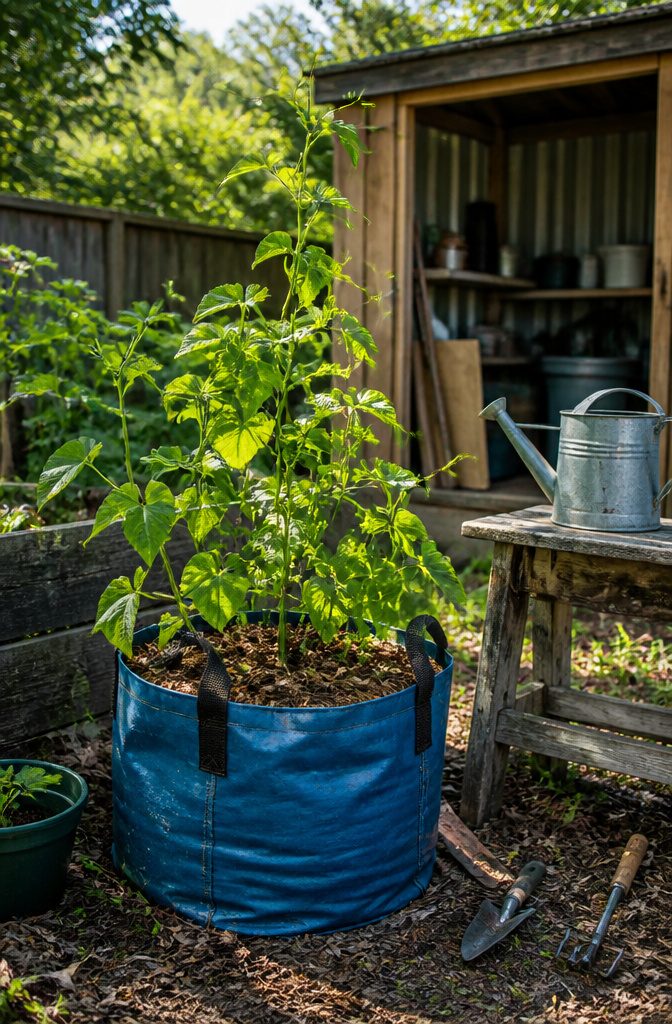
American groundnuts do not forgive drought. The leaves crisp or stall out entirely, and underground the tubers quit swelling. In Texas heat, a long dry stretch can cost you a whole season of growth. Keep the soil consistently moist, especially when the afternoons start hitting hard.
A thick layer of organic mulch buys you margin. Straw, shredded leaves, or finished compost laid two to three inches deep slows evaporation and keeps the root zone from baking. Sources who skipped this step and let containers dry out saw yields drop by half; the plant in a grow bag that got neglected through summer produced about 3.5 pounds where 7 was possible with steady water and a heavier mulch cover.
Container growers need to be more vigilant. A pot dries faster than garden soil, and a single groundnut plant needs room to develop tubers without competition. One plant per large container, extra compost in the mix, and water before the top inch goes dry.
What to Plant Nearby
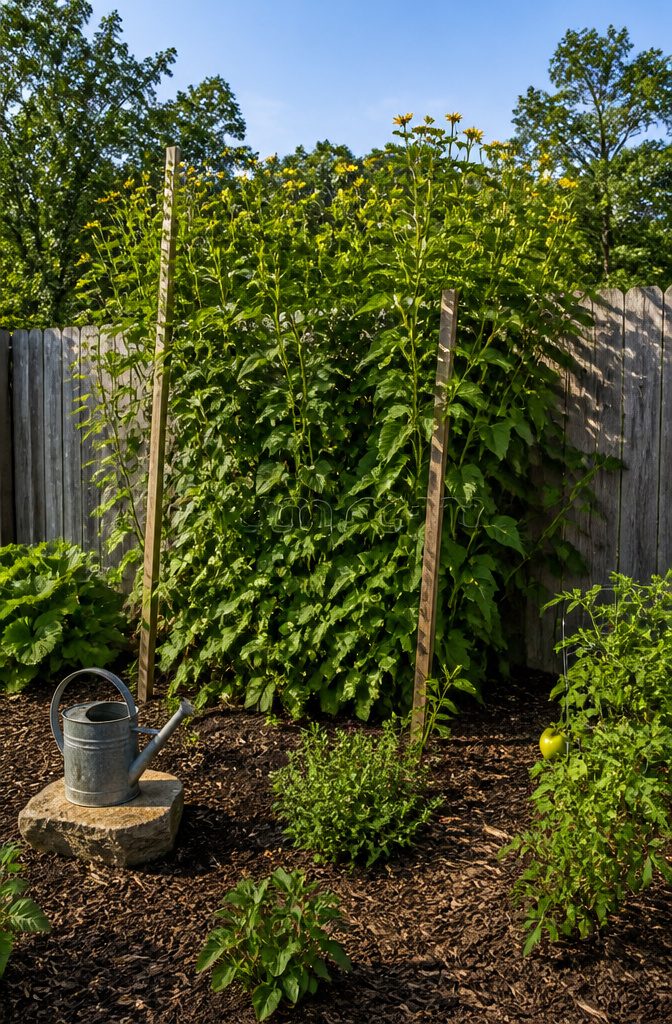
American groundnut vines climb hard and spread fast, so pairing them with something tall saves you the cost of a trellis. Sunchokes work well; the groundnut scrambles up their stems through summer, then both plants die back together in fall. Corn and sunflowers do the same job. The catch is containment. Left alone, the vines top ten feet and wander across beds you meant for other crops. I prune the growing tips when they reach the height I want, or I weave stems through a simple support to keep them from smothering neighbors.
A single groundnut plant per large container solves the spread problem entirely. Harvesting gets easier too; you tip the pot and sift through the soil instead of digging blind in a garden bed. The tradeoff is water. Containers dry faster than garden soil, so you are checking moisture more often. One plant, one pot, extra compost in the mix, and you have a contained crop that will not take over the yard.
Pests and Problems
American groundnuts carry a reputation for pest resistance that mostly holds up. Deer may browse nearby but usually pass the plant by, and the only insects I’ve noticed causing any real damage are the larvae of long-tail skipper butterflies, which roll themselves in the leaves to feed. The caterpillars do minor harm, and the adult butterflies that follow are a fair trade.
The real threat runs underground. Voles and other small mammals will tunnel after the rhizomatic strings of tubers, and once they find them, the plant yellows and dies back from below. Gophers and mice pose the same risk. The roots do emit a sticky latex when cut, which might discourage some predators, but I wouldn’t bank on it.
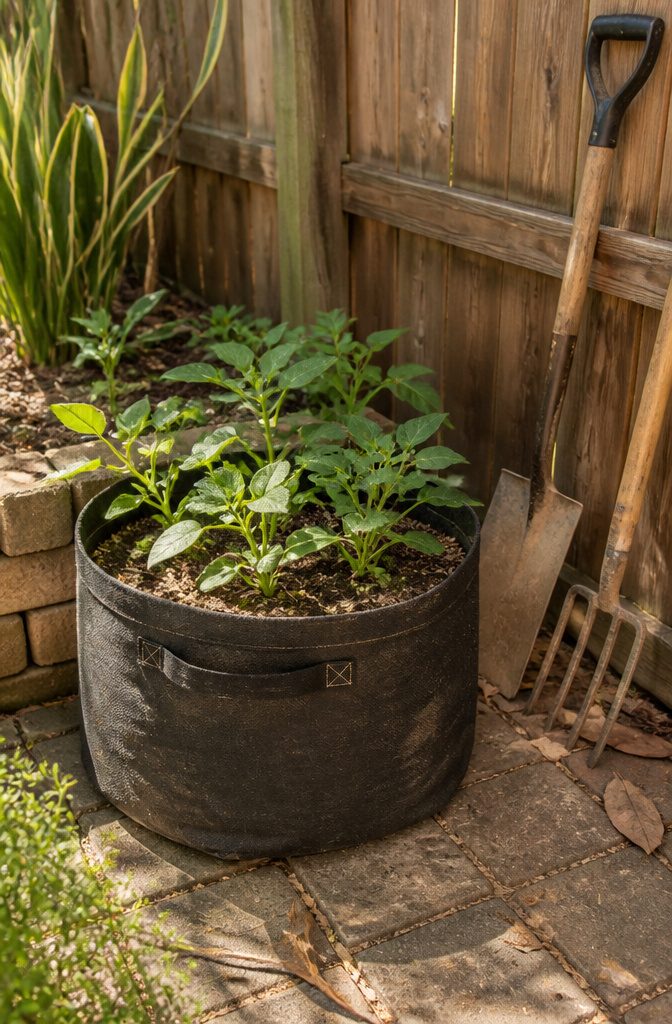
After weighing that risk, I started growing mine in a 24-inch wide by 16-inch deep grow bag. The bag contains the runners, makes harvest simpler, and puts a solid floor between the tubers and anything burrowing through the garden bed.
Harvest Timing
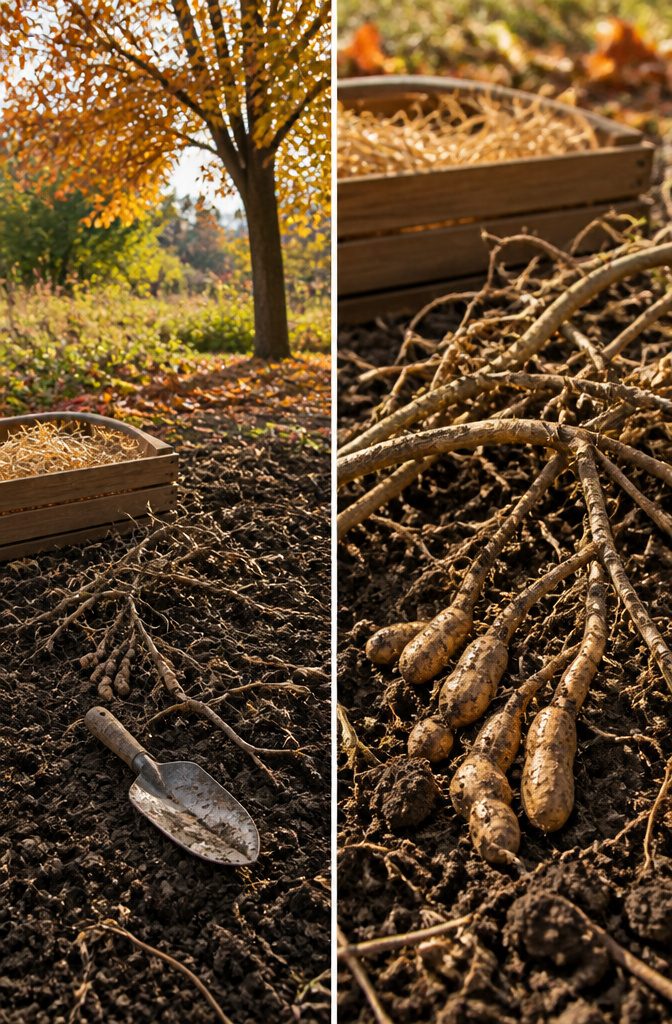
American groundnuts ask for patience. Wait two to three years before your first harvest; the plants need that time to build the tuber size worth digging for. After that first wait, you can pull a partial harvest each fall and leave the rest to keep spreading.
Fall, after frost kills the vines, gives the sweetest tubers. The plant has pushed all its energy underground by then. Dig carefully; the rhizomes run shallow, usually in the top six inches of soil, and they spread about a foot per year up to a three-foot radius. A shovel works better than pulling, since the connecting strings snap easily.
Storage matches potatoes: cool, dark, and humid. I keep mine in a plastic bag while they’re still damp and store them in the refrigerator. Damp sand in a root cellar also works if you need the fridge space.
Cooking takes time. Plan on 30 to 60 minutes of boiling, with the larger tubers needing the full hour to soften. The wait is front-loaded in this crop, but not only at planting.
How They Eat in the Kitchen
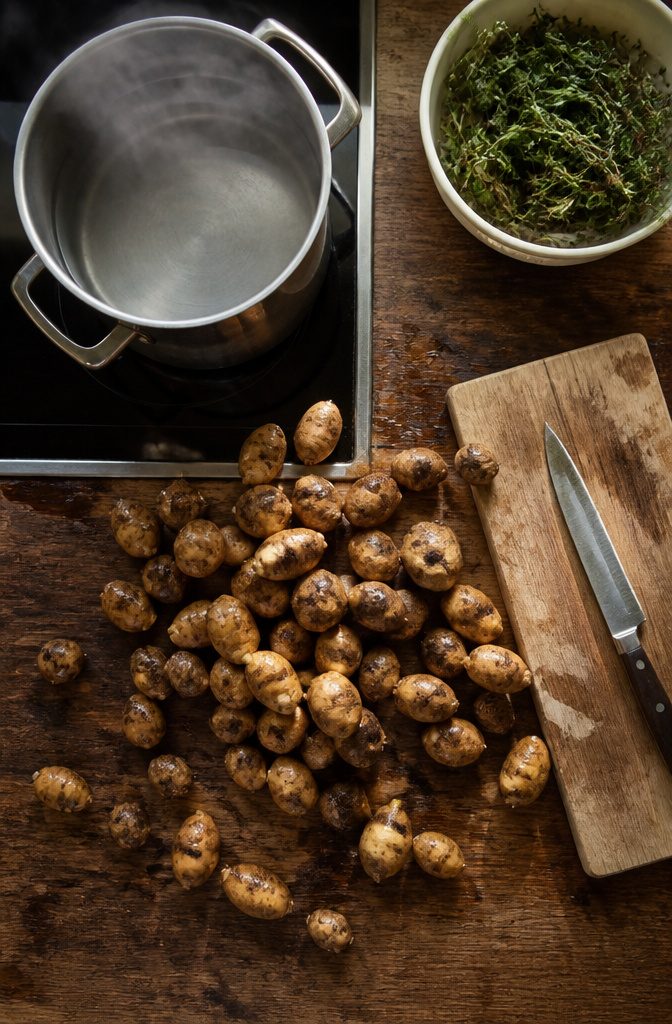
American groundnut tubers cook like potatoes but demand a little more patience. Boil them about 30 minutes before mashing, and expect a denser, mealier texture that holds its shape rather than turning fluffy. Fried into chips they crisp faster than potatoes because they carry less moisture; slice them slightly thicker so they do not dry out entirely. I have also dried and ground them into flour for thickening stews, though the grayish cast from unpeeled skins makes for rustic presentation.
Peeling matters here. The skin is thicker and tougher than a potato’s, with a latex content that turns waxy in the pot. Skipping this step leaves a texture most eaters find off-putting.
The nutritional tradeoff is real: these tubers carry roughly three times the protein of potatoes, plus meaningful calcium and iron. That density is part of why they satisfy longer.
A warning earned from too many eager foragers: raw tubers or undercooked ones can cause serious gastrointestinal distress. The anti-nutrients in this legume relative break down with thorough cooking, and raw consumption is not advised. Plan for the full boil, not a quick par-cook, and your stomach will thank you.
Flowers and Beans on the Plate
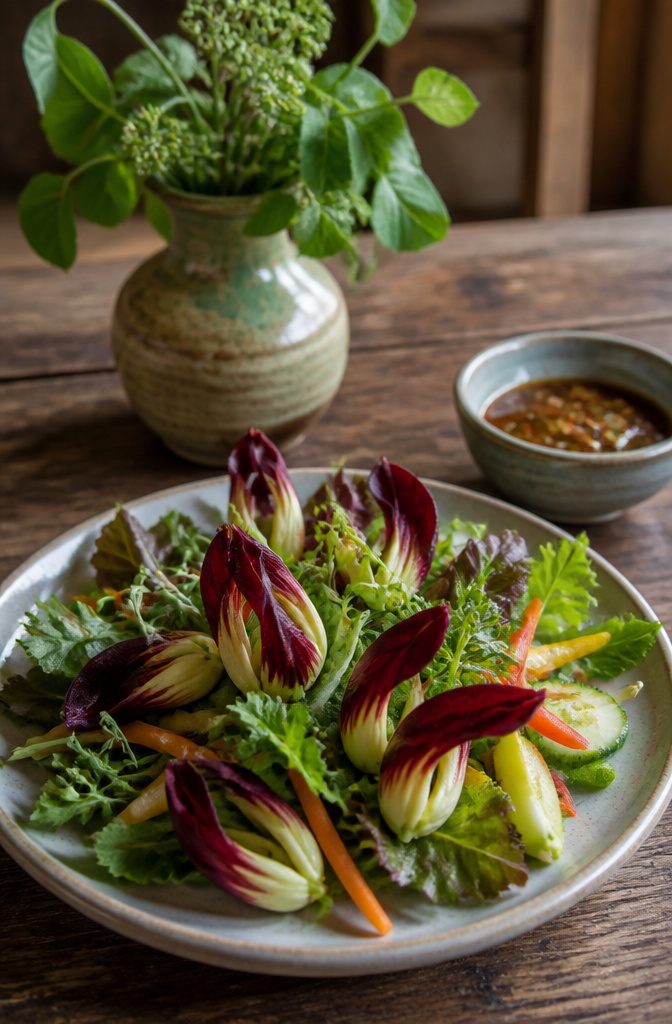
The flowers carry a cinnamon fragrance that lives up to the plant’s other common name, "cinnamon vine." In my reading, people describe the scent as somewhere between lily and cinnamon, and the flowers themselves can be eaten raw with a mild, bean-like taste similar to kudzu blossoms. They make a handsome garnish on a plate.
The beans are a different story. Only diploid plants produce them, so wild plants collected from northern parts of the range, which run mostly triploid, won’t set seed at all. Even with the right genetics, the pods take far longer to develop than standard garden beans, often not appearing until August. In one grower’s experience, pods opened after first frost held virtually no seeds inside, a problem that improved dramatically the next year with more consistent watering. A second genetically distinct plant nearby seems necessary for good bean set, since the species does not self-fertilize reliably.
What strikes me, comparing sources, is how thoroughly the tuber dominates the conversation. Sources note the flowers, beans, even leaves as edible, then move straight back to root recipes. The gap is real: if you want to cook the aerial parts, you are largely on your own.
Why This Plant Matters
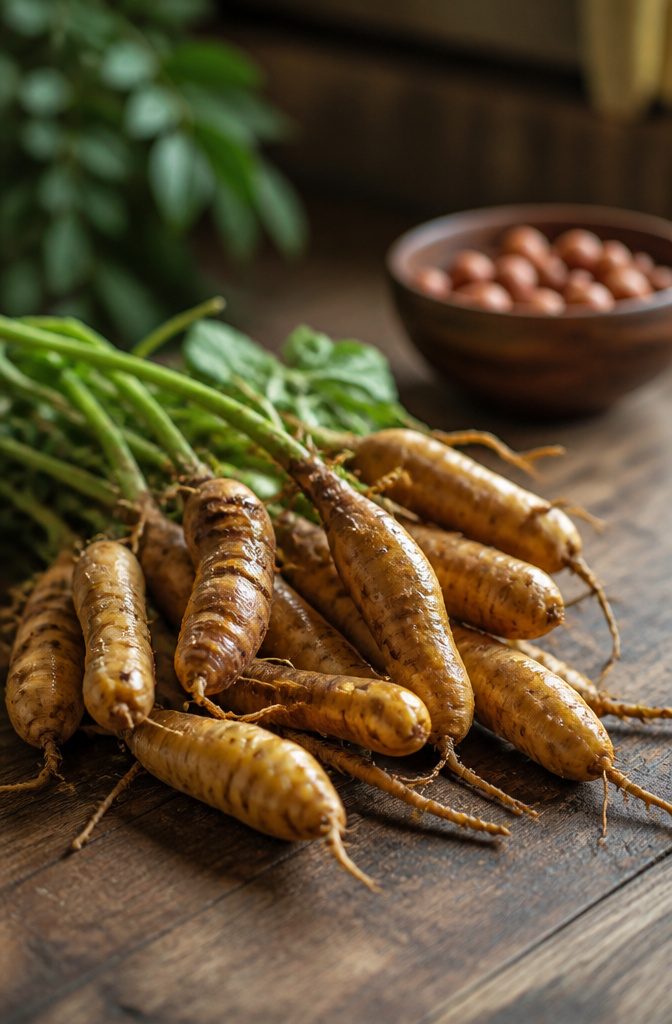
American groundnuts carry about three times the crude protein of Irish potatoes, with some seed varieties pushing 25–30% crude protein by dry weight. The tubers also supply significant iron and calcium, plus healthy fatty acids you will not find in ordinary root crops.
Beyond basic nutrition, the plant contains isoflavones including genistein, a compound tied to reduced incidence of breast, colon, and prostate cancers in the research so far. Flower polysaccharides labeled AFP-2 have shown neuroprotective effects, while other tuber compounds demonstrate anti-inflammatory action. One study found hypertensive rats fed five percent groundnut tubers dropped blood pressure by roughly ten percent, with lower cholesterol and triglycerides alongside it.
The Japanese market has already decided this matters. They are the only country growing American groundnut commercially as food, where it is valued specifically for those reported health benefits. South Korea has more recently joined them, producing tubers for the health food market. Here in the United States, the crop remains obscure, gathered mostly through wildcrafting while the nutritional and medicinal research piles up largely unread by gardeners.
What Two Years of Waiting Looks Like
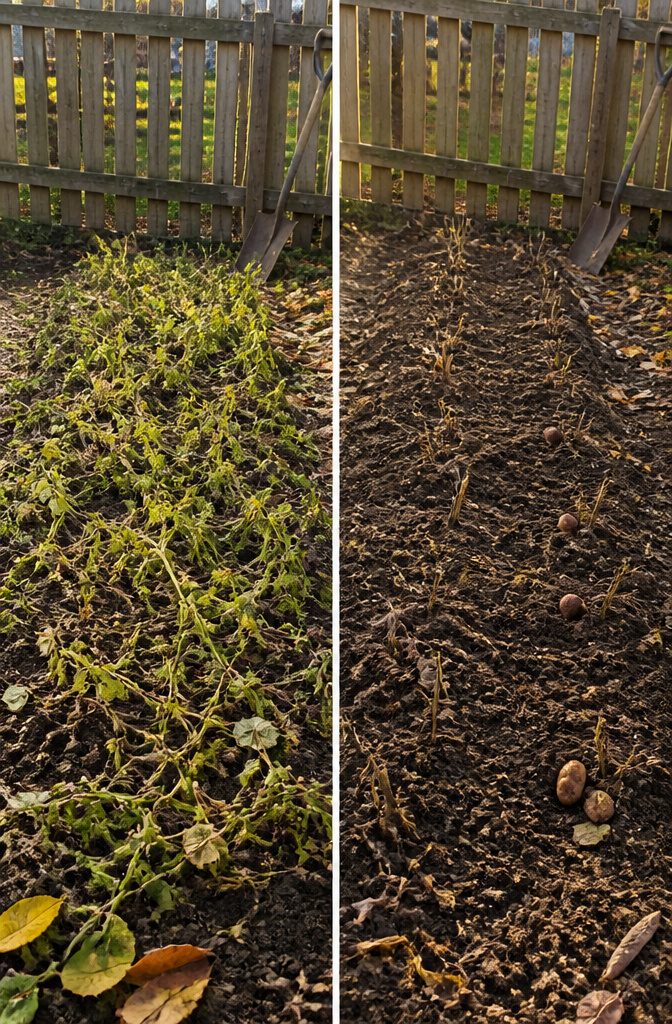
American groundnut asks for a patience most vegetables do not. I planted my first tubers understanding I would wait two years, possibly three, before pulling anything worth peeling. The first season builds the rhizome chain underground; the second swells the tubers to something like a golf ball. Dig too early and you find thin, fibrous roots that hardly reward the effort.
Mark the bed plainly, with stakes or a border you will not forget, because the vines die back to nothing in fall. I have read of gardeners slicing through immature chains with a spade in spring, not remembering where they planted. The tubers survive cold well, even in zone 5, but they do not survive being mistaken for empty ground.
If you want groundnuts every year, stagger new plantings so a bed always reaches its second or third season while another starts fresh. Otherwise you face a cycle of feast and nothing, waiting again.
Native Roots and Modern Gardens
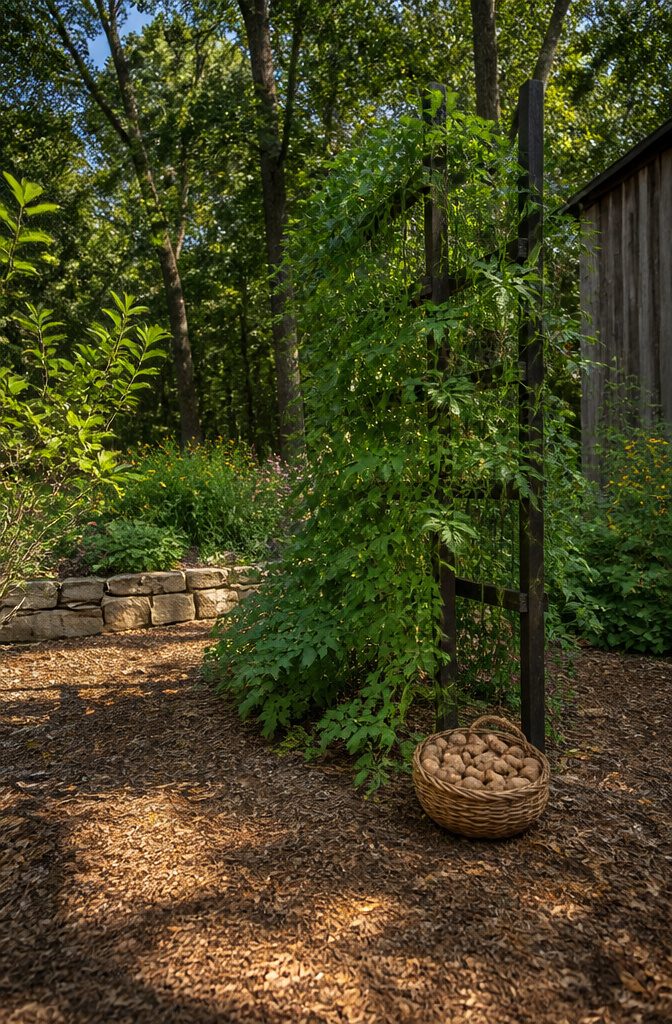
Apios americana carried Native American diets long before European contact, and the tubers pulled more than one early colonist through a hungry winter at Plymouth. Henry David Thoreau noted that with a little salt they made a palatable meal, though the texture stays softer than a roasted potato, closer to what I’d call a soggy spud. That same plant, nearly forgotten now, still grows from southern Canada to Florida and west to Colorado and Texas.
What draws me to it for a small yard or balcony is exactly what made it survive centuries of hard use. The vine fixes its own nitrogen, so poor soil becomes richer instead of weaker. A perennial habit means one planting and done. The tubers string along the roots like beads, yielding food without the replanting cost annual vegetables demand. Three times the protein of Irish potato matters when your grocery budget has a ceiling.
The flowers alone, burgundy with cream edges and that particular legume fragrance, justify a corner of a patio trellis. But the real case is thrift dressed up as gardening: a plant that asks little, feeds pollinators, and returns year after year with something to boil, fry, or bake. Historical resilience turns out to read as modern practicality once you strip away the nostalgia.
Starting From Seed or Tuber
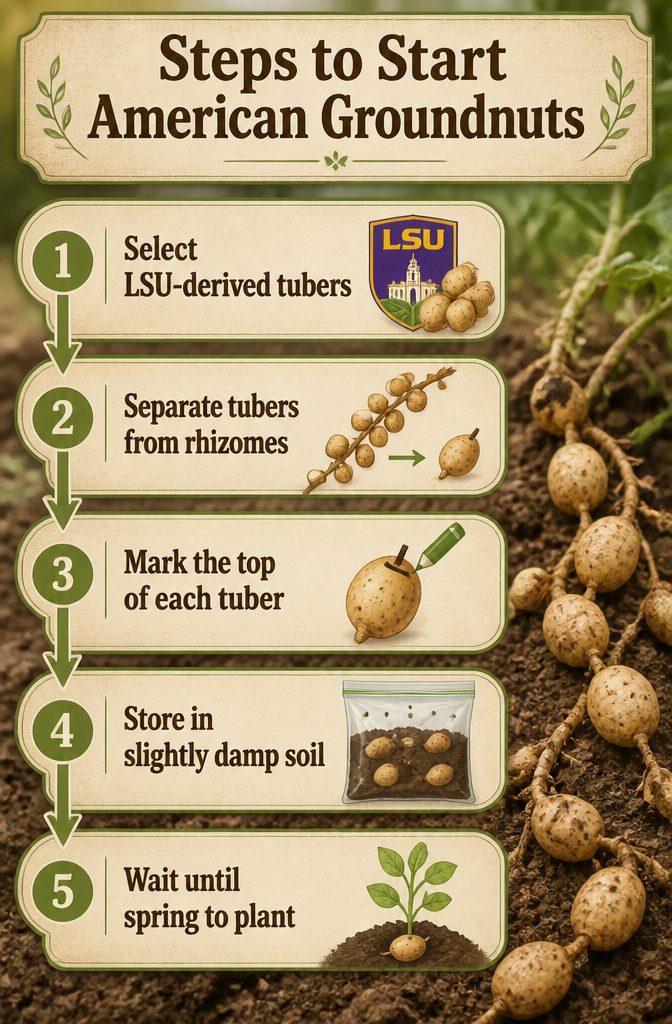
Most gardeners start American groundnuts from tubers, not seed. Tubers give you a harvest in one to two years; seed can take longer and germinates poorly even after scarifying and soaking. The tubers form on a rhizome like a string of beads, and a single tuber is enough to start a new plant. When you separate them, mark the end that was farthest from the parent plant; that is where new shoots will emerge.
Where you get your stock matters more than with most vegetables. Wild plants persist almost anywhere in their native range, but the tubers stay small and yields stay low. The breeding work done at Louisiana State University in the 1980s and 1990s changed that. Varieties like ‘Nutty #3’ out of that program produce markedly larger tubers and heavier harvests. Look for LSU-derived stock when you buy; the difference in yield is the difference between a curiosity and a staple.
Store your planting tubers the way you would seed potatoes: slightly damp soil in a perforated plastic bag in the refrigerator keeps them viable until spring. The soil should feel almost dry, not damp, or rot sets in fast.
When the Harvest Disappoints
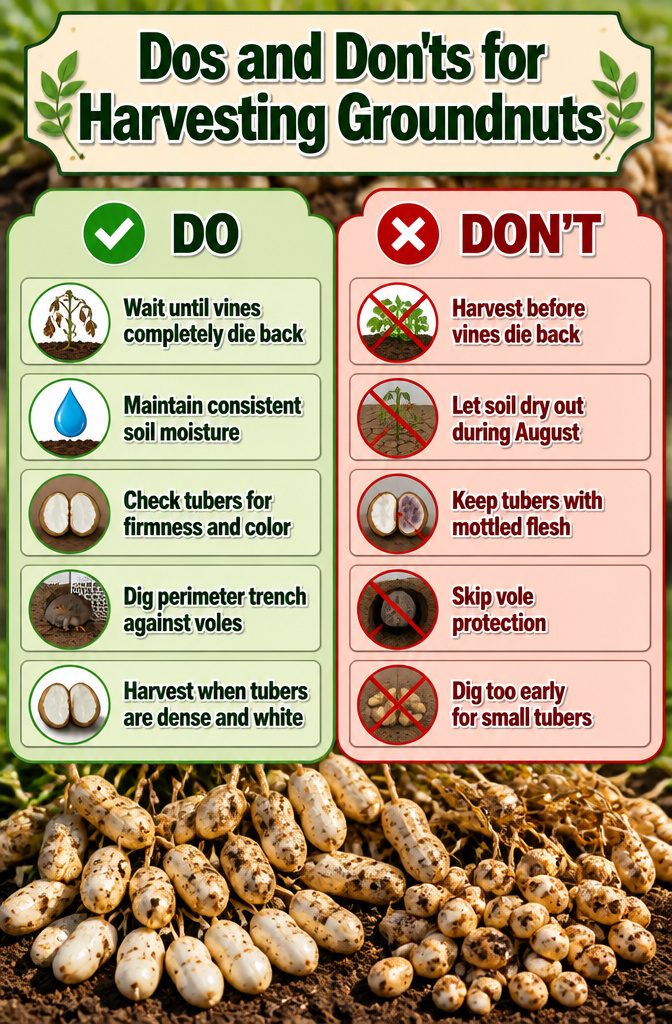
My first groundnut harvest was a pile of tubers the size of marbles. I had dug in late August, two weeks after the vines started yellowing, convinced I was catching them at their peak. The flesh was already white and firm, but most of the tubers measured under an inch. Small tubers almost always mean the plant was harvested too early. American groundnuts store energy underground until the vines have completely died back, a process that stretches well into fall. Waiting costs nothing but patience, and patience was what I lacked.
The second year brought a different lesson. A chain of chewed tubers with telltale tooth marks ran through one end of the patch. Voles had found the strings of tubers and followed them like a map. I now dig a perimeter trench and sink hardware cloth to break their tunnels, a step I skipped the first season because it seemed like overkill for a plant nobody talks about.
Drought stress is harder to read. The vines stay green and busy long after the tubers have stopped swelling. In the dry stretch of July 2022, my plants looked healthy aboveground while the harvest below came in shriveled and woody. Now I keep the soil consistently moist through August, even when the leaves don’t ask for it.
The readiness question still trips me up sometimes. The vines die back, yes, but the tubers also need to feel dense and show pure white flesh with no mottling when you split one open. Any discoloration, and they cook up starchy and strange. A firm tuber with clean white insides is the only kind worth keeping.
Frequently Asked Questions
How long does it take for American groundnuts to grow?
American groundnuts need two to three years before the first harvest. The first season builds the underground rhizome chain; the second swells tubers to usable size. After that initial wait, you can pull a partial harvest each fall and leave the rest to keep spreading.
Can you eat American groundnuts raw?
No. Raw or undercooked tubers can cause serious gastrointestinal distress. The anti-nutrients in this legume relative break down only with thorough cooking, so plan on 30 to 60 minutes of boiling before eating.
What are the best conditions for growing American groundnuts?
They want moist, well-drained soil and full sun to partial shade. Heavy clay or sandy loam both work, and the plants fix their own nitrogen. The critical point is water: drought stalls leaf growth and stops tubers from swelling, so keep soil consistently moist and lay down two to three inches of organic mulch.