What decides which one belongs in your space is not patience but architecture: a trailing stem fills a shelf, a climbing vine needs a pole, and a bushy cluster suits a corner you walk past.
Spider plant pups root in water fast enough that you can watch the nubs lengthen day by day, and that speed of propagation is the thread running through every entry; fast growth here means you build coverage from cuttings and offshoots, not repeated trips to the nursery.
1. Spider Plant
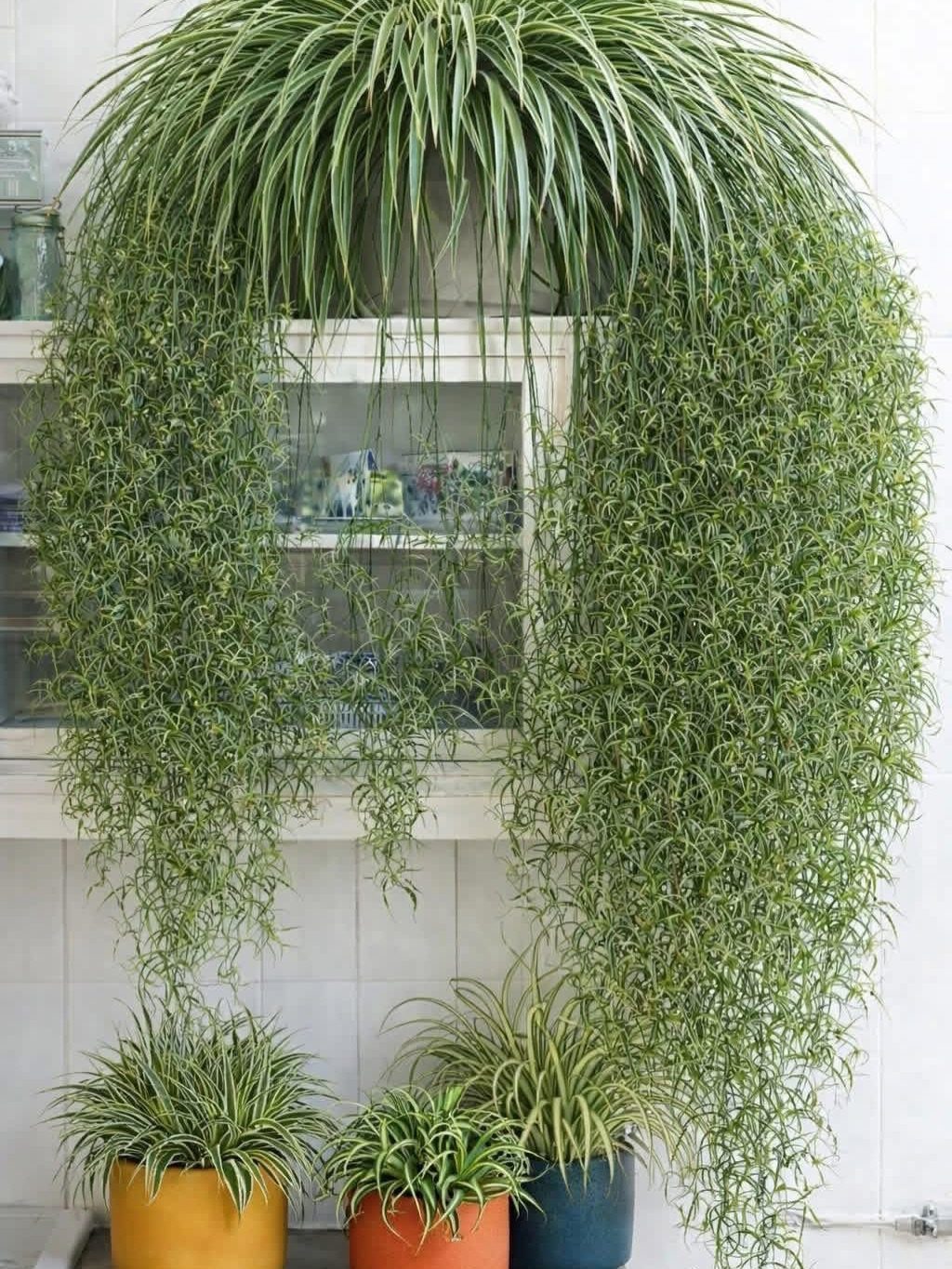
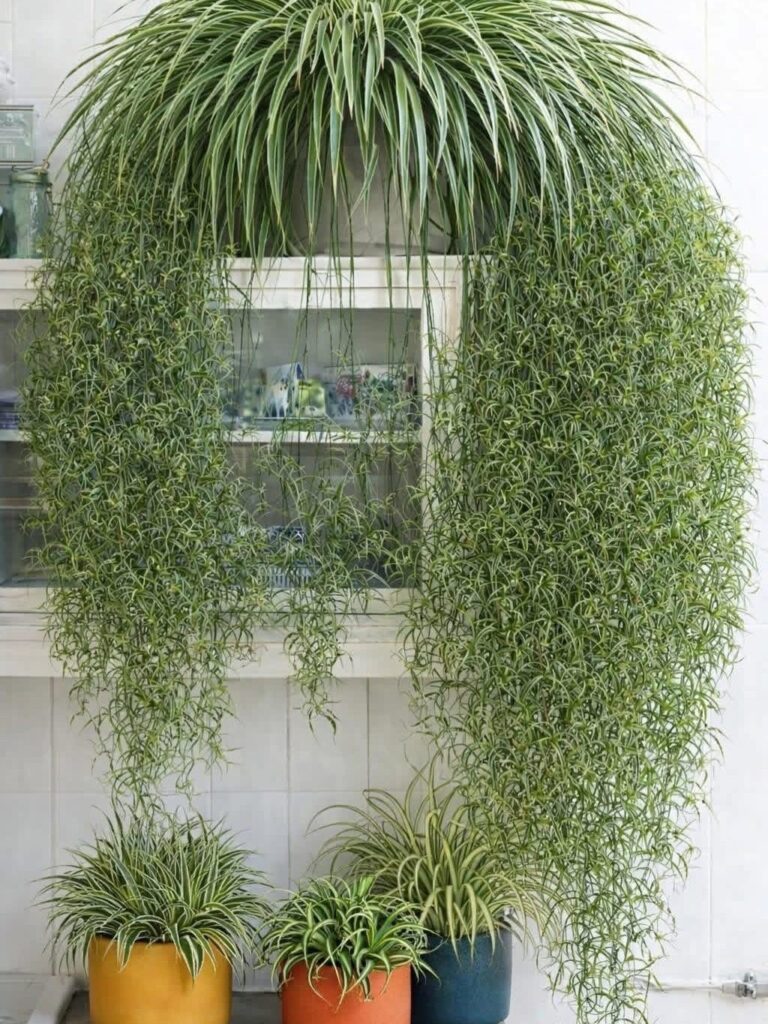
A spider plant fills a space fast by sending out arching stems that root wherever they touch soil, so one plant becomes a cluster within a season.
Bright, indirect light suits it best, and watering once the top inch of soil dries keeps it healthy; it puts up with missed waterings and dry air without complaint.
The small plants hanging from the mother stem snip off easily, root in water or damp soil, and start growing on their own in 2–3 weeks.
For a beginner working a small apartment, this is the lowest-risk way to build green coverage without buying more pots.
Pro tip: “Use it as a background plant, as it can quickly reach heights of 6 to 8 feet.”
— PureWow
2. Syngonium
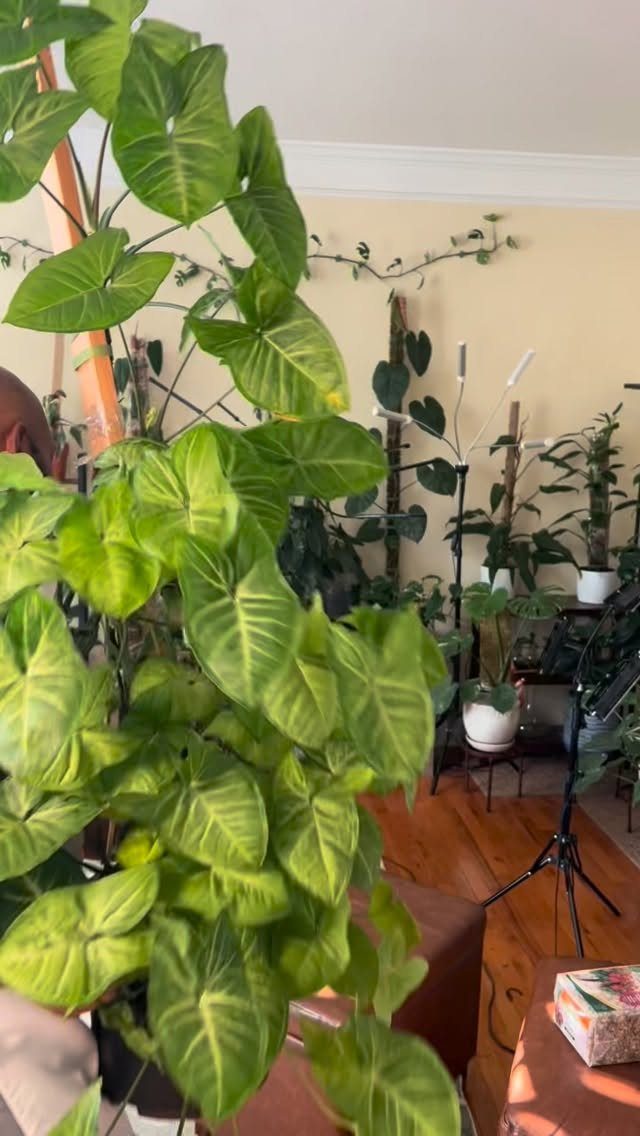
Syngonium, or arrowhead vine, grows upright when young, then vines or trails as it matures, so it fits whatever shelf or corner you have.
The leaves shift from arrow-shaped to lobed as the plant ages, giving you two looks from one purchase.
I give mine medium light and water when the soil feels dry 2 knuckles down; it sulks in soggy mix but bounces back from drought faster than most tropicals.
A small trellis or moss pole keeps it vertical if floor space is tight, though I let mine spill from a high shelf where the new growth trails about 6 inches a month in warm months.
3. Swiss Cheese Plant
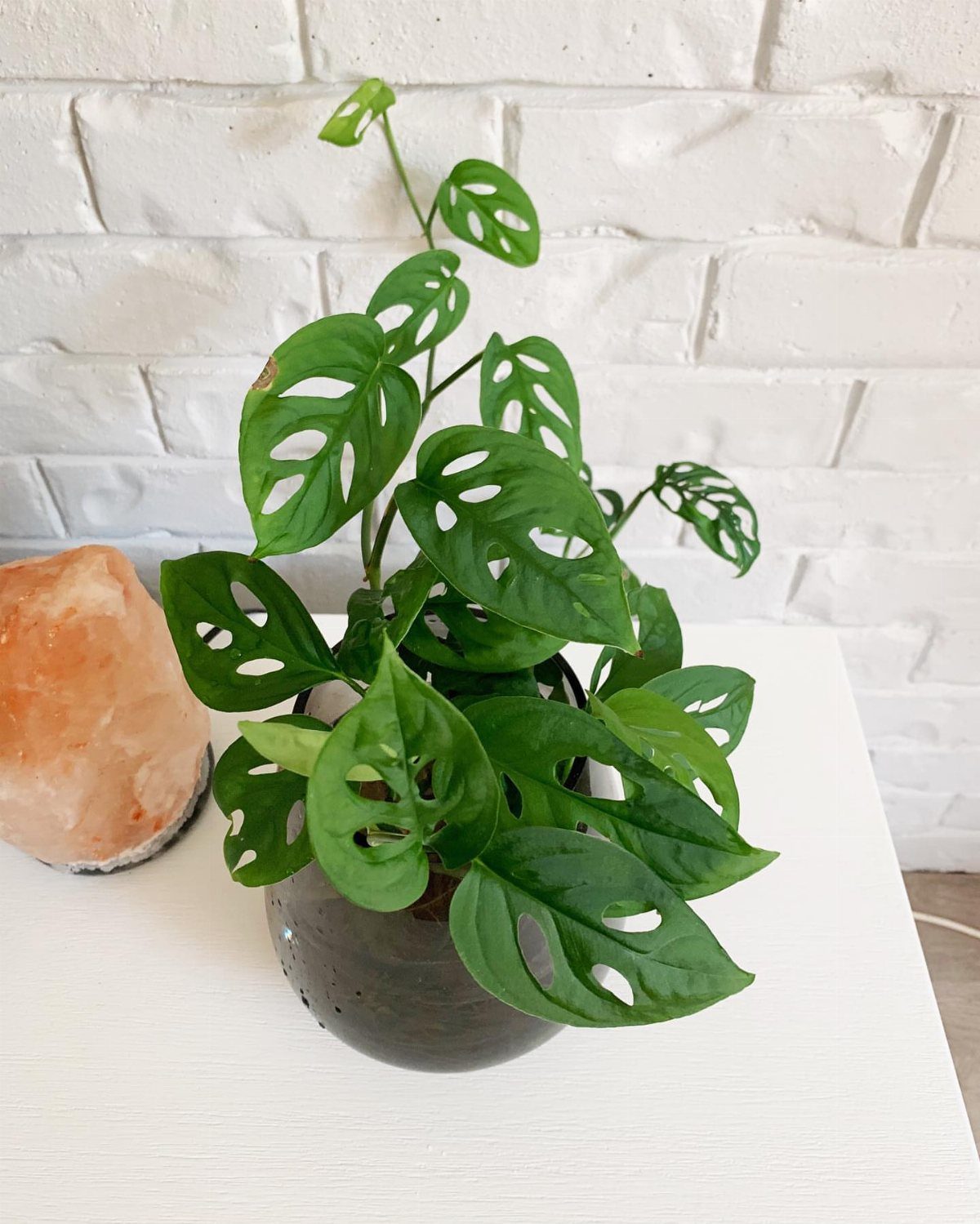
Swiss cheese vine, Monstera adansonii, climbs or trails and puts out leaves with natural holes that read as texture from across a room.
It grows faster than Monstera deliciosa at this stage and stays manageable in a small space, reaching a modest indoor height without taking over a corner.
I keep the soil lightly moist and give it something to climb; a simple bamboo stake or a small moss pole works.
The holes form better in bright, indirect light, so a spot a few feet from an east or west window works better than deep shade.
4. Hoya
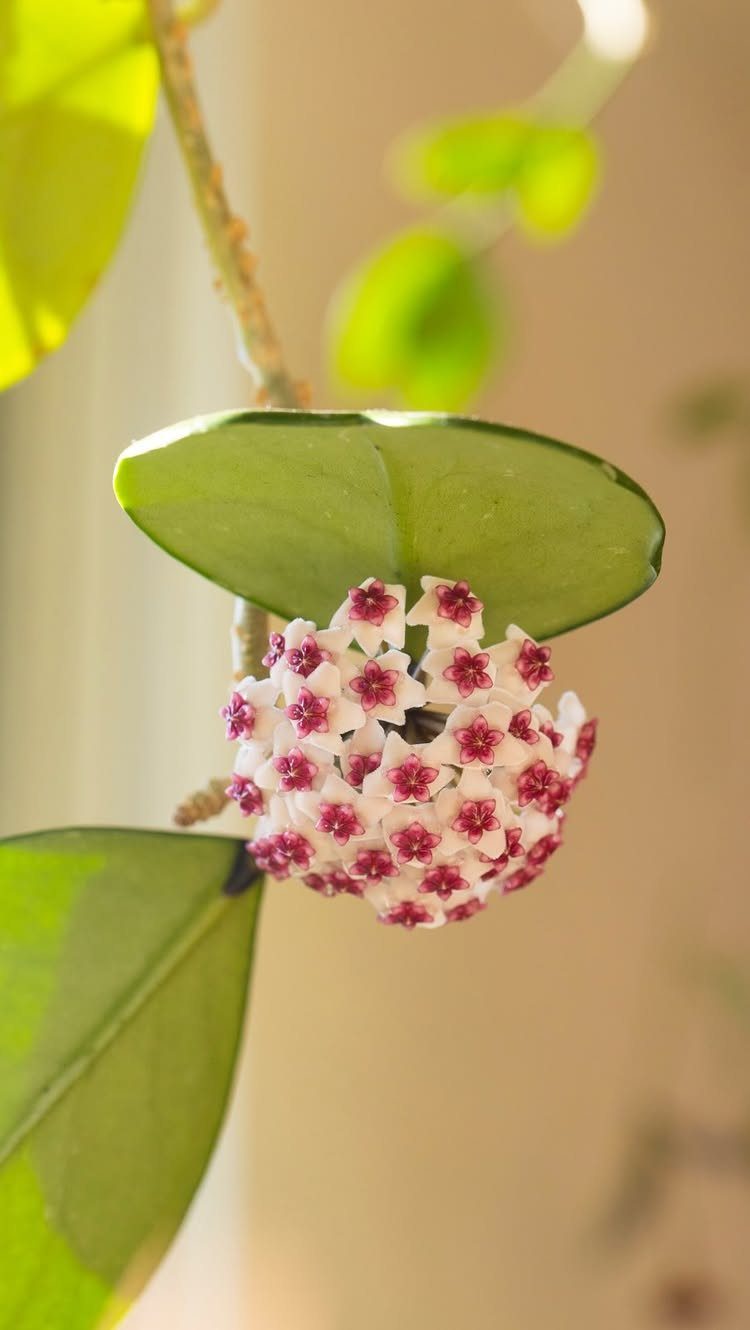
Hoya builds thick, waxy leaves on trailing stems that can stretch several feet in a year, then pauses that growth to push out rounded clusters of star-shaped flowers.
The blooms need bright light to set, so I place mine where it catches morning sun or strong indirect light for a good stretch of the day.
Water only when the leaves feel slightly soft or the soil is dry halfway down; this plant is built to wait.
The flower clusters hold on for a decent stretch and often re-bloom from the same spur, so patience earns repeat shows without buying a new plant.
5. Dieffenbachia
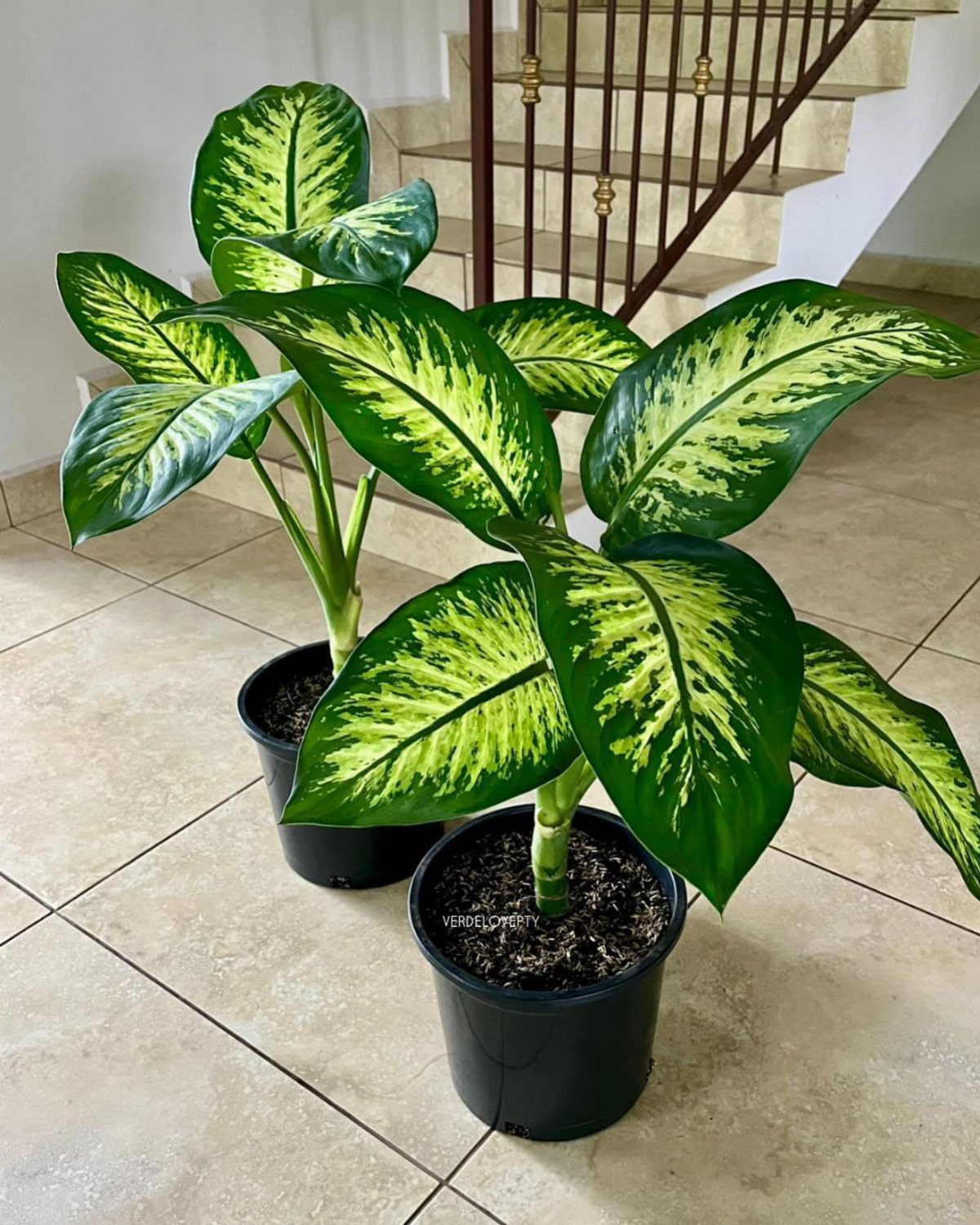
Dieffenbachia carries big, patterned leaves on thick stems that add bulk fast, reaching 3 feet or more in its first couple of years indoors.
The variegation runs cream through green in broad strokes, so it reads as color even in dim corners where flowering plants fail.
I water when the top half of the soil dries and keep it out of direct sun, which bleaches the pale patches to brown.
All parts contain calcium oxalate crystals that irritate skin and mouth, so I place it where pets and small children won’t chew leaves, and I wear gloves when repotting.
6. Snake Plant (Sansevieria)
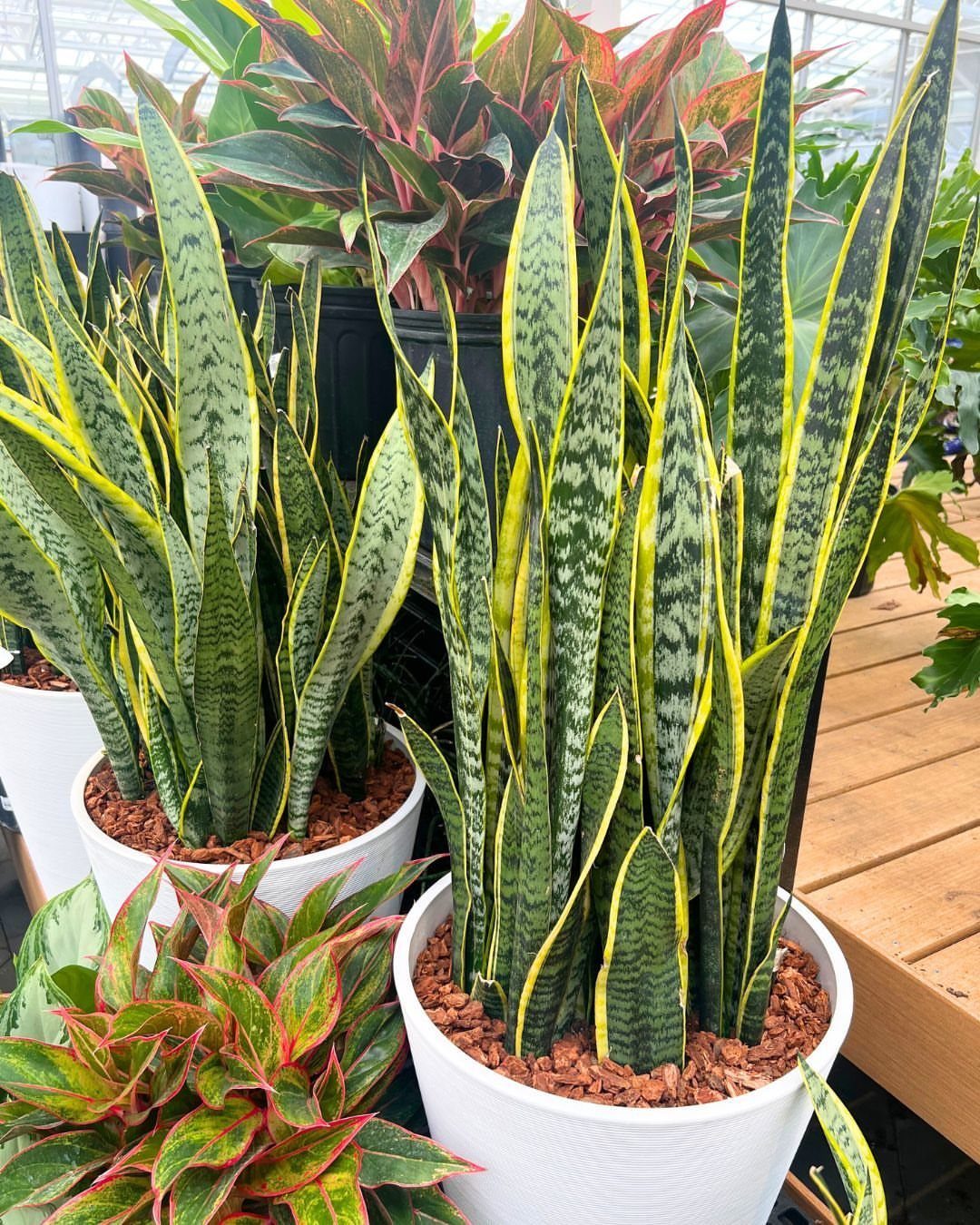
Snake plant, or mother-in-law’s tongue, sends up new leaves from its base in tight clusters that slowly thicken into a solid vertical accent.
Snake Plant (Sansevieria) handles low light, skipped waterings, and dry winter air that would stall most tropicals; I water mine sparingly in winter, less if the room is cool.
The only mistake that kills it is soggy soil, so I use a cactus mix and a pot with a drainage hole, and I let the soil dry completely between drinks.
7. Zebra Plant (Tradescantia Zebrina)
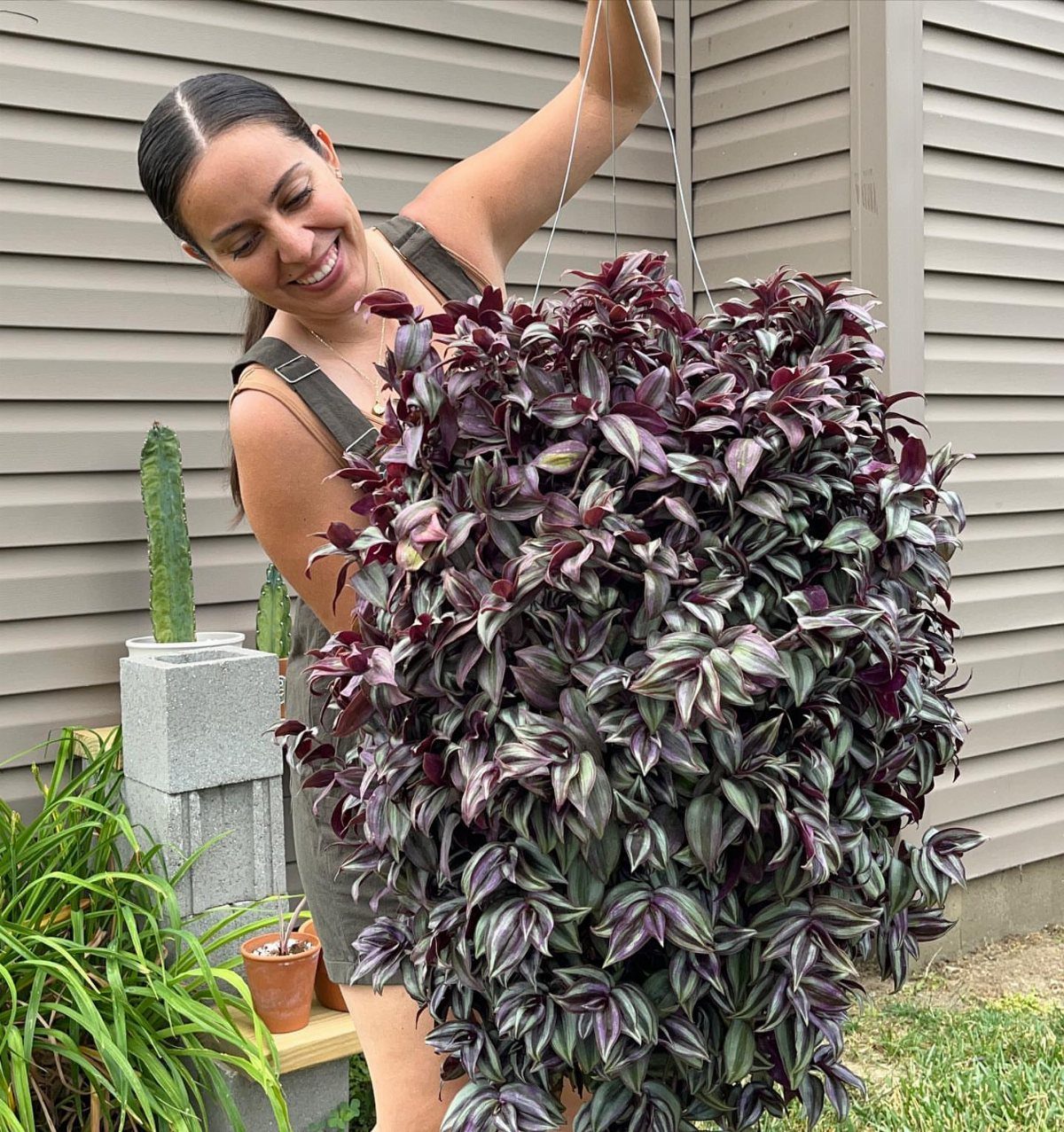
Tradescantia zebrina, the inch plant, earns its nickname by adding roughly an inch of stem per week in bright light, so a small starter pot becomes a draping specimen in a single season.
The purple-silver stripes read as color even in a beige rental, and the stems trail or mound depending on where you place them.
My own hangs near an east window in a simple pot; I water when the top of the soil looks dry.
Every pruning drops easily into damp soil and becomes a new plant within days, so I end up with more starts than I have windows for.
8. English Ivy Cutting
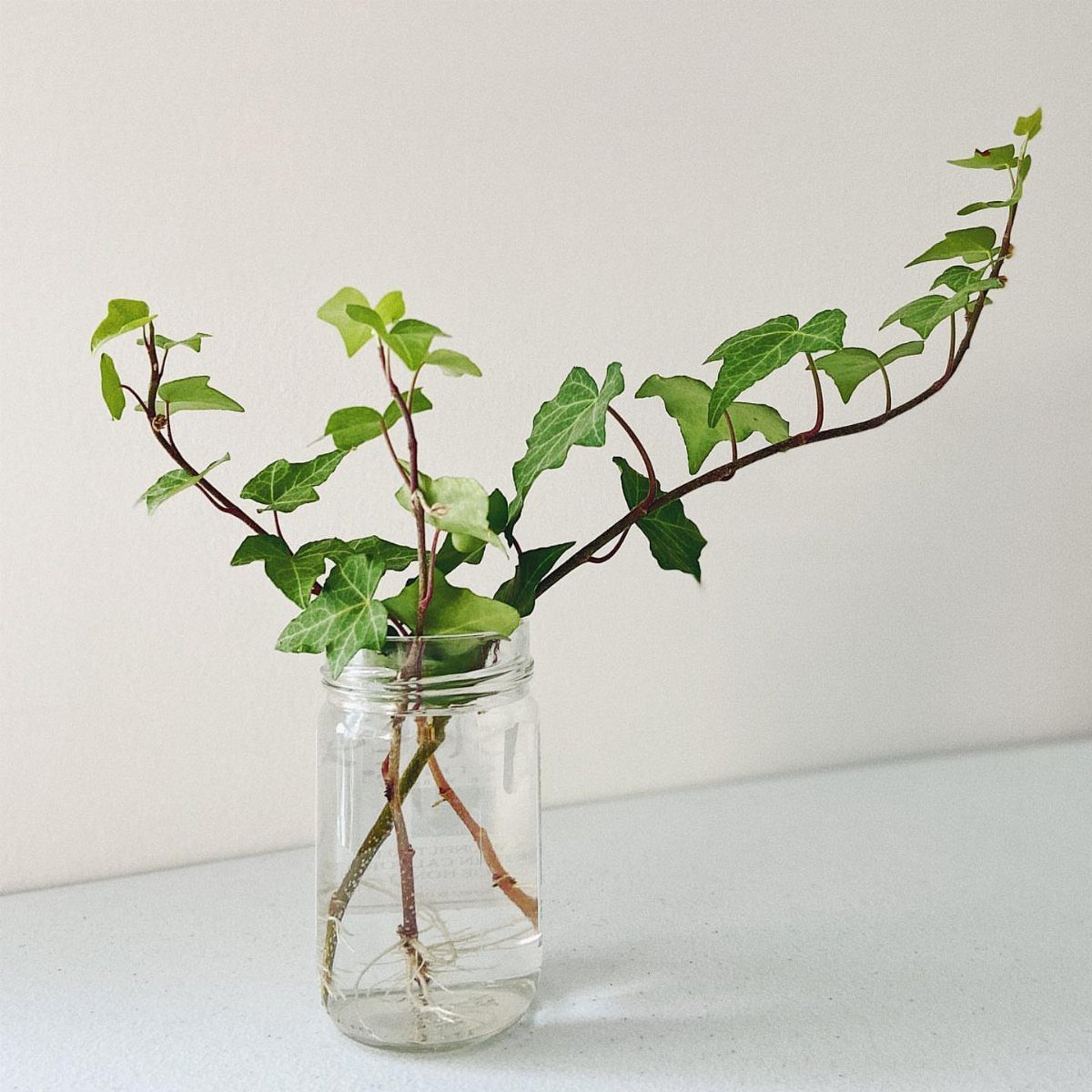
An English ivy cutting in a mason jar turns a windowsill into a propagation station while you wait.
White roots show up in water first, and once they grow long enough to handle, the cutting slips into soil with far less setback than one started in dirt from the start.
I change the water weekly to keep it oxygenated and place the jar where the vine gets bright, indirect light; a south window with a sheer curtain works.
The jar itself is part of the look, so I use clear glass and skip labels.
9. Trailing Peperomia Hope
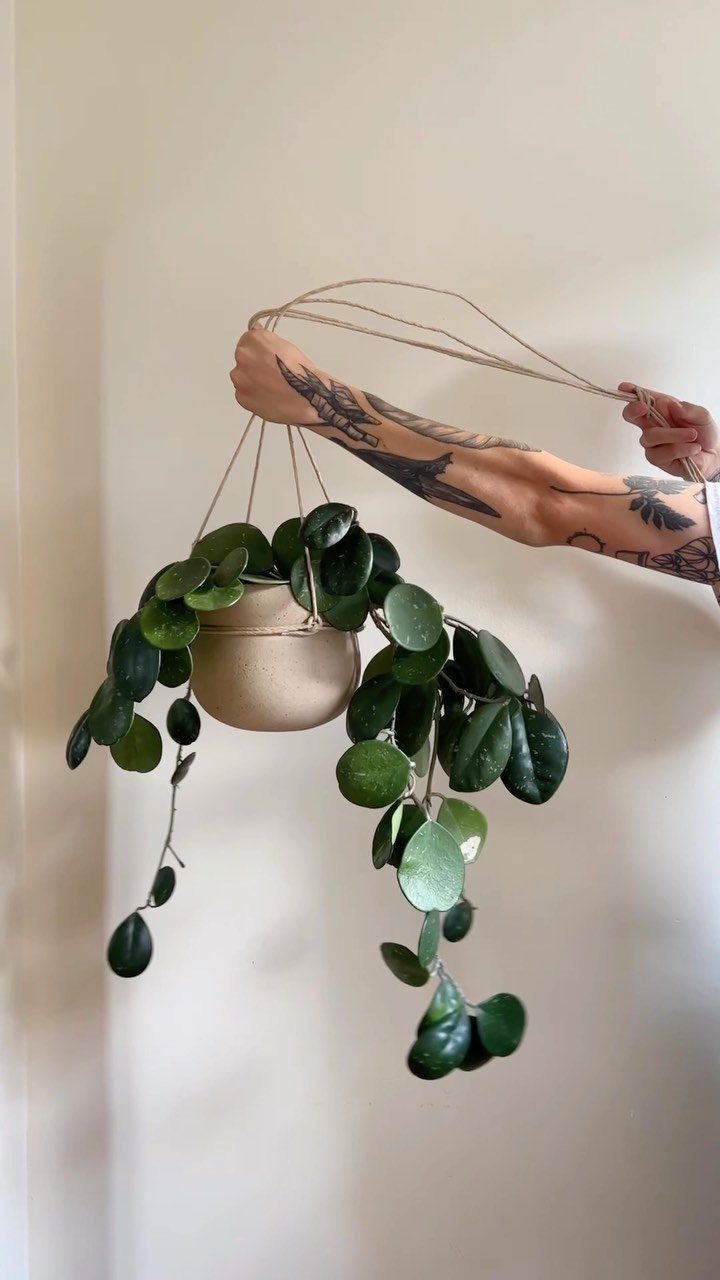
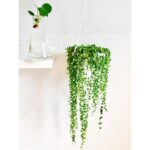
Peperomia Hope trails in compact, coin-shaped leaves that stay tidy where a pothos would tangle, making it fit for a small shelf or a desk that faces a wall.
The fleshy leaves store water, so I let the soil dry almost completely between drinks, and I fertilize lightly; too much food and the stems stretch leggy.
In a beige hanging pot, the round green leaves show against pale walls without demanding a featured spot. I find it grows slower than a pothos but keeps its shape with half the attention.
10. Pothos on Moss Pole
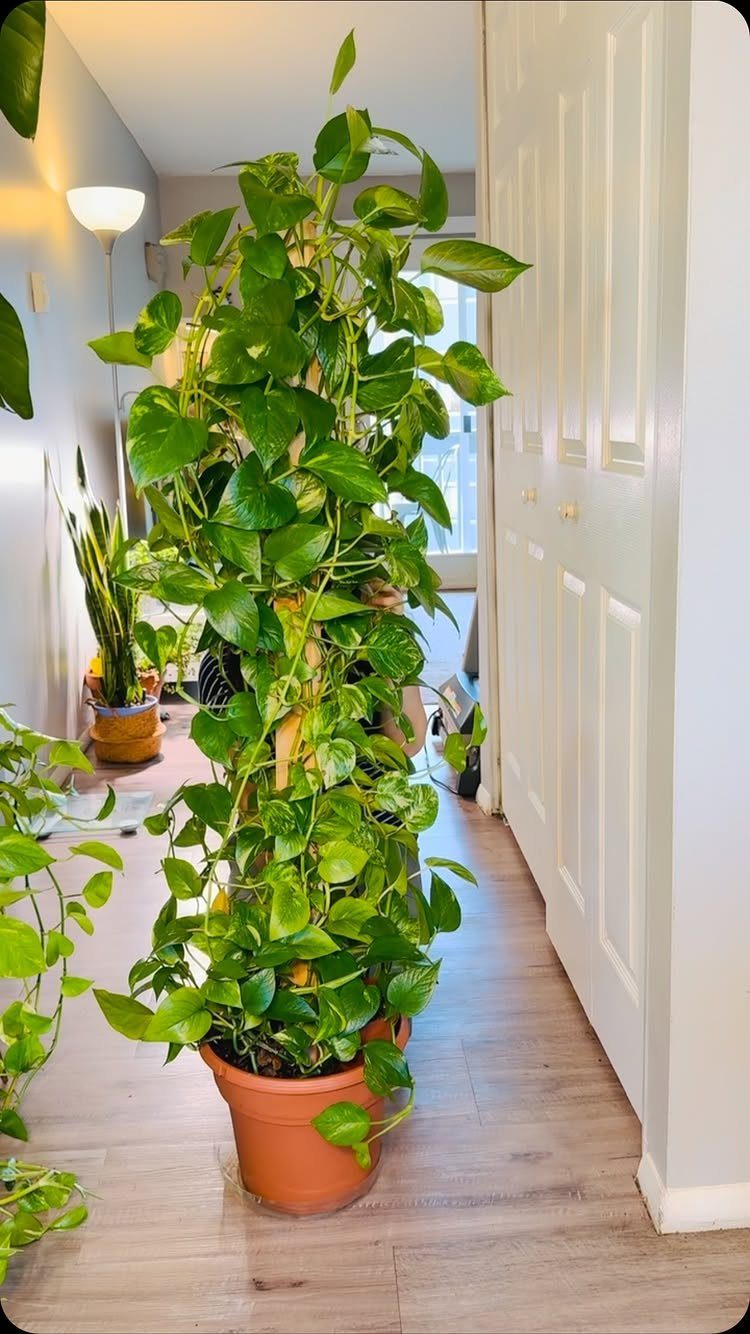
A pothos on a moss pole grows upward instead of outward, turning a floor pot into a vertical column that reads as a small tree in a tight corner.
The aerial roots grip the damp moss as the vine climbs, so the leaves enlarge and the stems thicken into something like a trunk.
I mist the pole every few days in dry months and rotate the pot monthly so growth stays even; the terracotta wicks excess moisture, which helps me avoid the root rot that heavy soil invites.
For a beginner who wants height without the wait of a fiddle leaf fig, this setup fills vertical space in under a year.
Care Tips for Fast Growers
Fast-growing plants need more from you than slow ones, and the first place that shows is the pot.
Check the drainage holes every spring; roots poking through or circling the root ball mean it is time to size up. Crowding against walls or neighboring plants also stalls growth, so give the plant the air space it needs.
Soil quality matters more than brand loyalty, but wet, heavy mix is the real killer. Root rot sets in fast when water sits, so I use a mix matched to the plant and a pot that drains freely.
Watering by calendar is a mistake. Fast growers do drink more, but I still let the top inch of soil dry before I water again.
Fertilizer follows the season, not the clock. In winter I cut fertilizer way back even under grow lights; full-strength feeding in the off-season leaves salts in the soil that burn the leaf tips brown.
I pinch trailing stems every month or so while the plant is actively growing. Skip this and you end up with a single stringy vine instead of a full plant.
Propagation Advice
Spider plants and pothos both produce propagation material so fast that one purchase becomes stock for a dozen pots.
Spider plant pups hang from the mother stem ready to root.
Both plants root easily enough that I never bother with rooting hormone. The only edge water propagation gives is visibility; you watch the white roots form and know when they are long enough to handle soil without setback.
Golden pothos and marble queen hold their variegation in medium light and root just as readily as the all-green types.
Light Requirements
Indoor light is the bottleneck that separates fast growth from patience.
Even your brightest window gives only a fraction of outdoor light, so a vine that races several feet per year in the tropics stretches to maybe a foot or two inside.
That rate defines the fast-growing category.
Pothos, philodendron, and ivy all fall in this range. Anything slower, fiddle leaf fig, ZZ plant, snake plant, belongs in a different conversation.
Bright, indirect light is the baseline for speed.
An east or west window set back a few feet, or a south window filtered through sheer curtain, supplies the steady light that keeps fresh leaves unfolding through spring and summer. Deep shade stretches that interval and shrinks the leaves.
Variegated plants need more care in placement. Without enough light, the pale patches revert to green or bleach to brown; the color pattern is the first signal that the spot is wrong.
Frequently Asked Questions
What is the fastest plant you can grow?
Pothos outpaces almost every other houseplant in growth rate, and it forgives the lapses that doom faster but fussier species.
A golden pothos or marble queen on a moss pole adds several feet of height in under a year, and a trailing stem roots in water within days.
What can I do to make my indoor plants grow faster?
Light is the hard ceiling on indoor growth; a sunny windowsill still gives less than a quarter of what the same plant would get outside, so start there.
Fast growers also need more space, so check drainage holes each spring and size up the pot when roots poke through.
What are some low-maintenance indoor plants?
Pothos and spider plant are the two that ask the least while still growing fast enough to notice.
Snake plant shrugs off dim corners, forgotten waterings, and heated winter rooms; the one mistake that takes it out is keeping the soil wet for too long.
Spider plant forgives missed waterings and roots its own babies, so one purchase becomes a cluster without extra work from you.