A north-facing window limits you to plants that photosynthesize at a crawl, but the options below range from a spider plant in a wicker stand to a moth orchid that flowers for months on the same stem.
Even shade-tolerant species receive a fraction of usable light pulled back from the glass, and far enough into the room you need a grow light or nothing.
ZZ plants forgive both forgetfulness and dim light, and that pairing of tolerances is what every entry here shares.
1. ZZ Plant
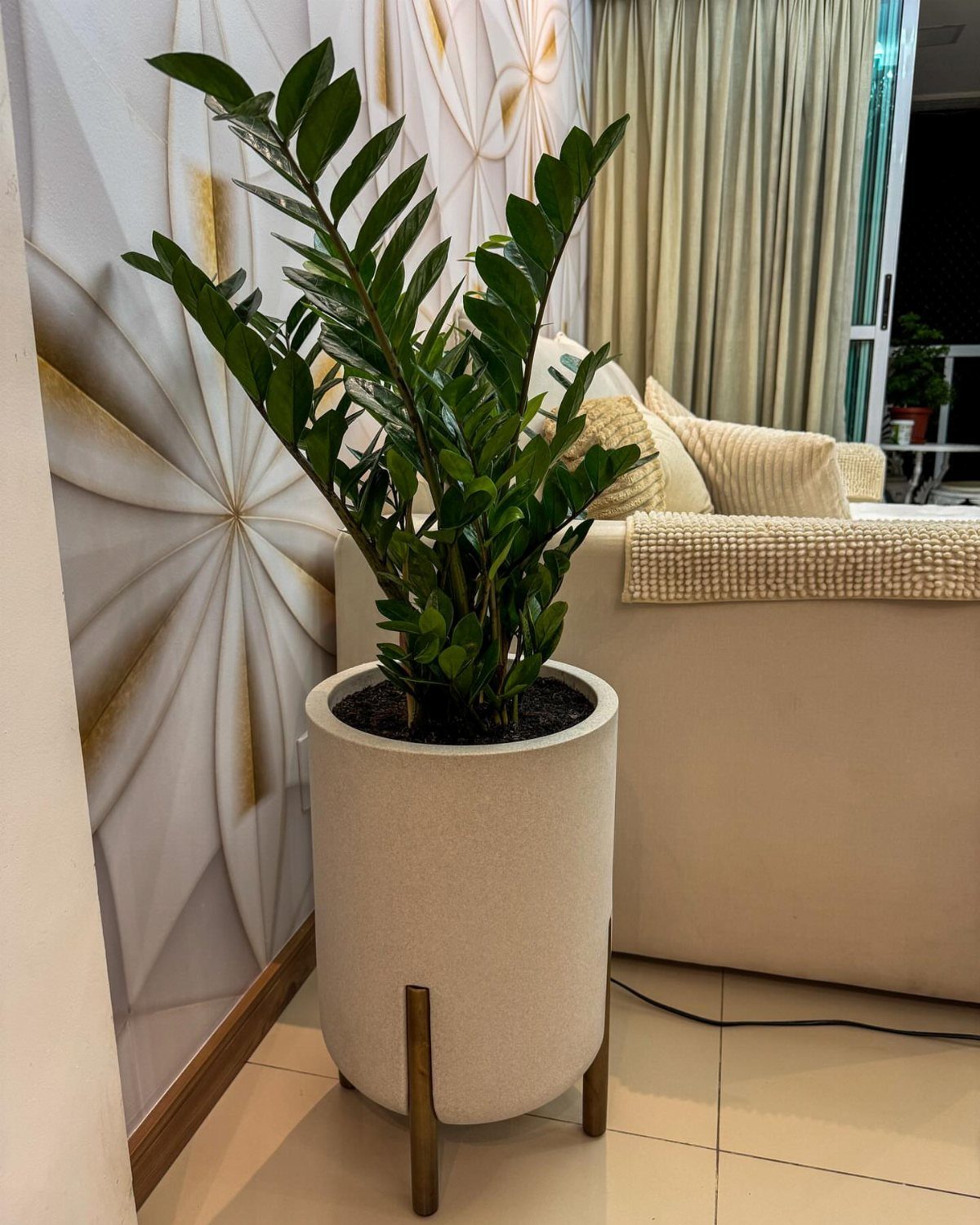
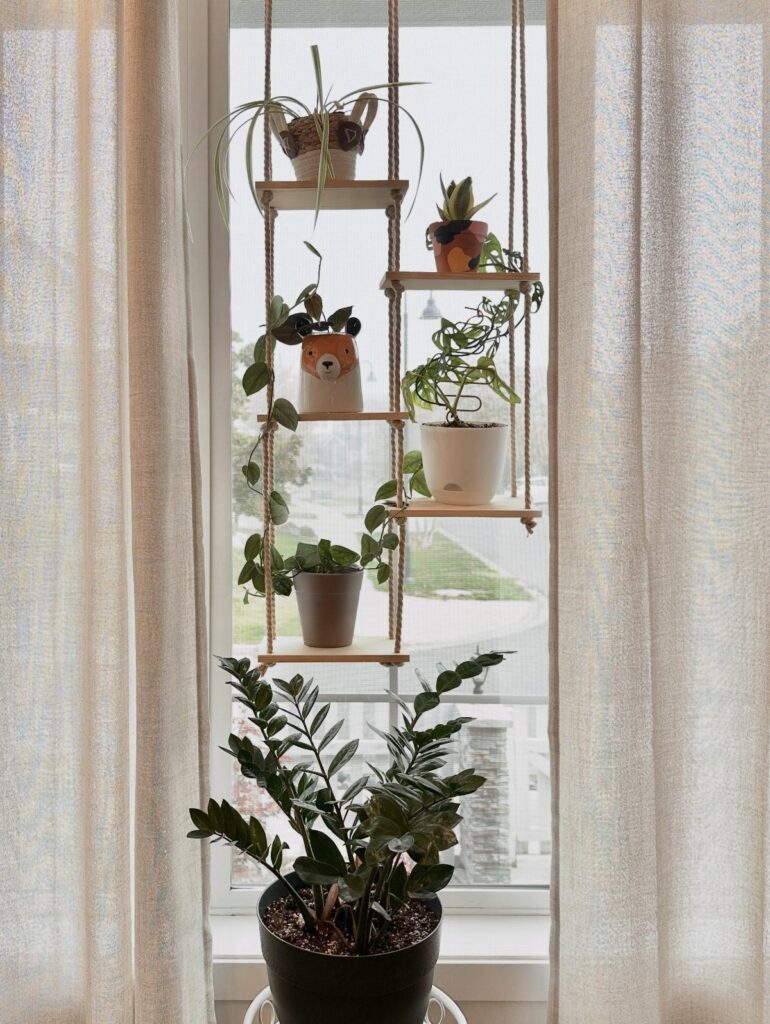
The ZZ plant handles a north-facing window better than almost anything else I keep indoors. Its thick, glossy stems store water for weeks, so the low light that slows other plants down barely registers here.
I let mine dry out completely between waterings; soggy soil rots the rhizomes faster than dim light ever hurts the leaves.
A ZZ plant in a tall, cylindrical pot reads as sculpture as much as greenery, which makes it a natural fit for a living room corner where you want living presence without clutter.
For a beginner with a busy schedule, this is the plant that forgives both forgetfulness and a dark room.
2. Snake Plant
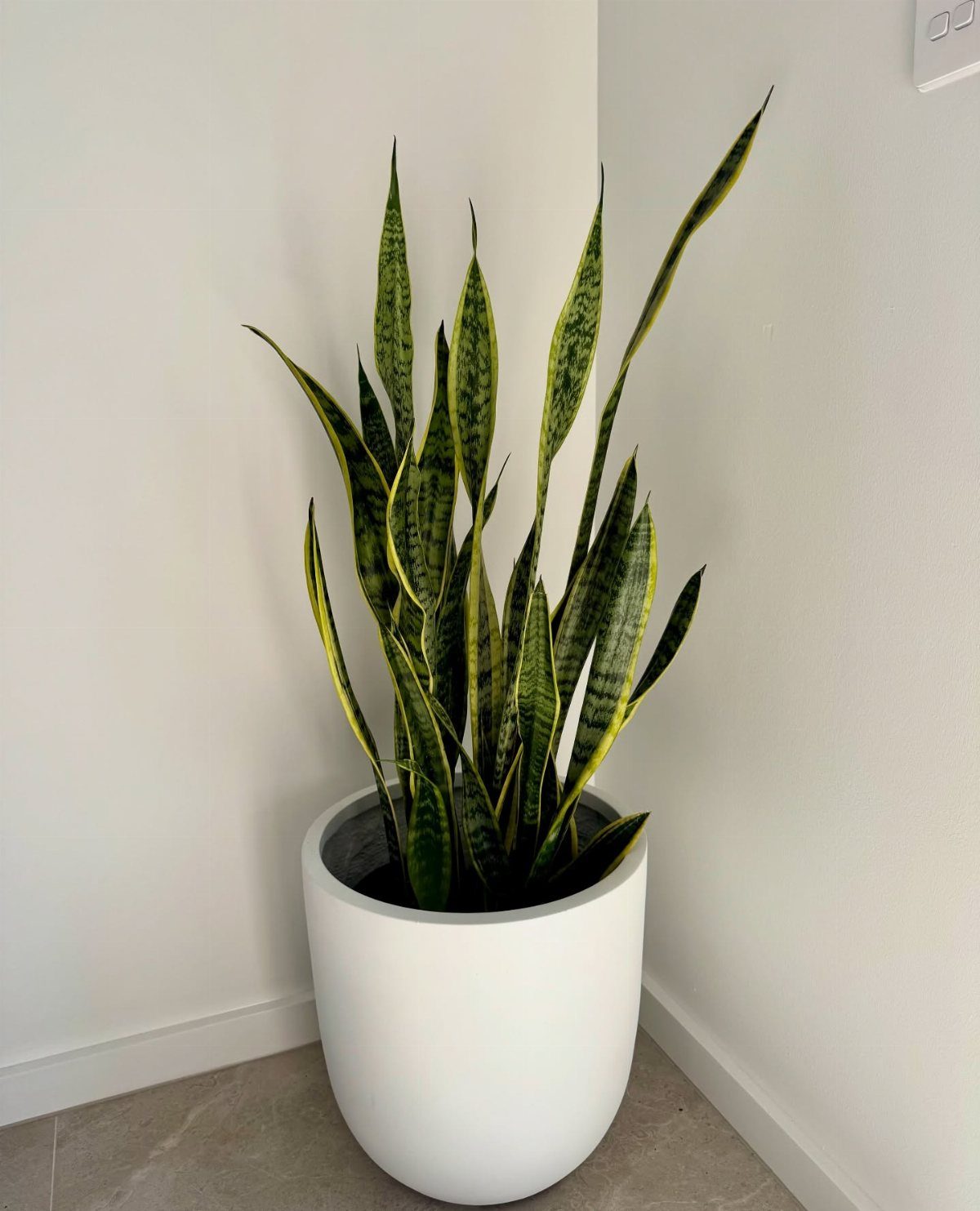
Snake plants earned their reputation by surviving corners that kill softer things. The yellow-edged variety in a white pot gives you vertical structure without demanding a bright sill; it photosynthesizes at a crawl and stays content.
I water mine sparingly in winter, less if the room runs cool; the mix should dry well before the next round. The leaves stay stiff and upright even when growth stalls, so it never looks neglected.
A tight pot suits it; transplanting too soon invites rot. For someone who travels or simply forgets, this plant keeps its shape through real neglect.
3. Golden Pothos in Hanging Baskets
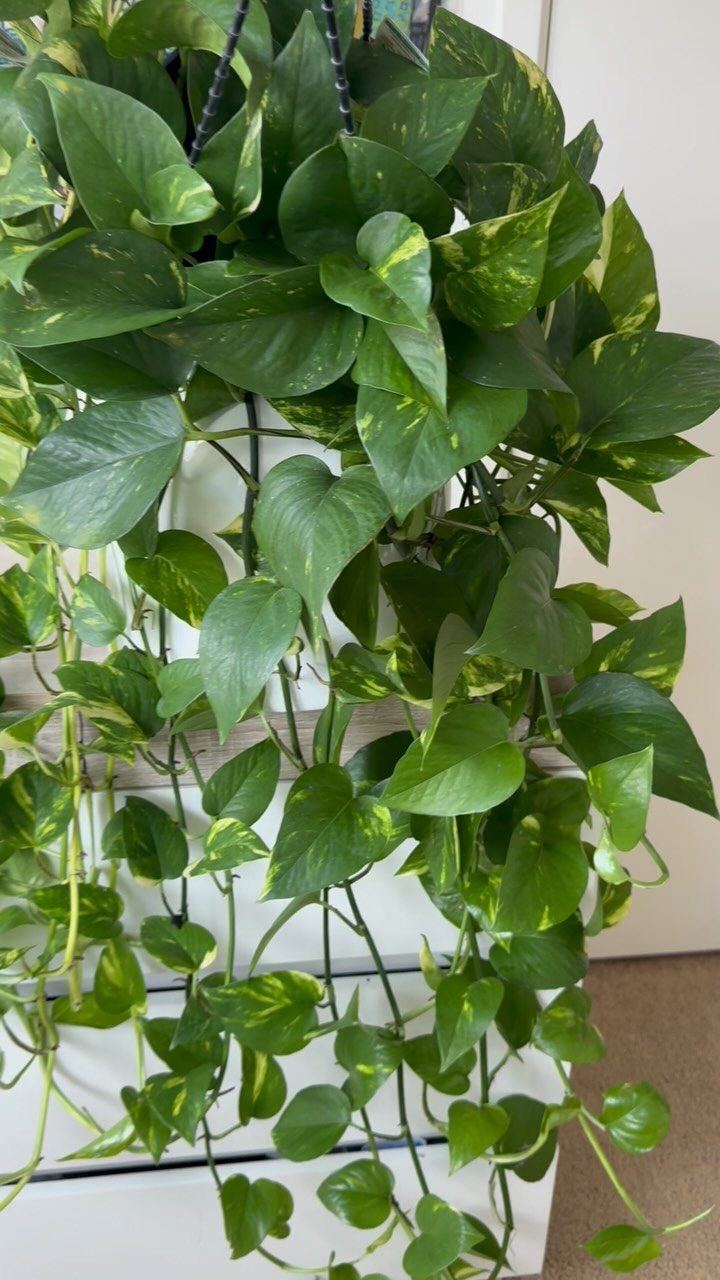
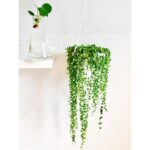
A Golden Pothos spilling from a white hanging basket turns a bare north wall into green architecture.
The variegation stays more gold in brighter spots, but the plant grows perfectly well in the dimmer light a north window delivers; the leaves just shift greener.
I let the vines trail or pin them up to climb, depending on the room.
Water when the top inch dries, and cut back any leggy stems to keep the pot full below. The basket itself keeps the plant up and away from floor space you may not have.
4. Peace Lily
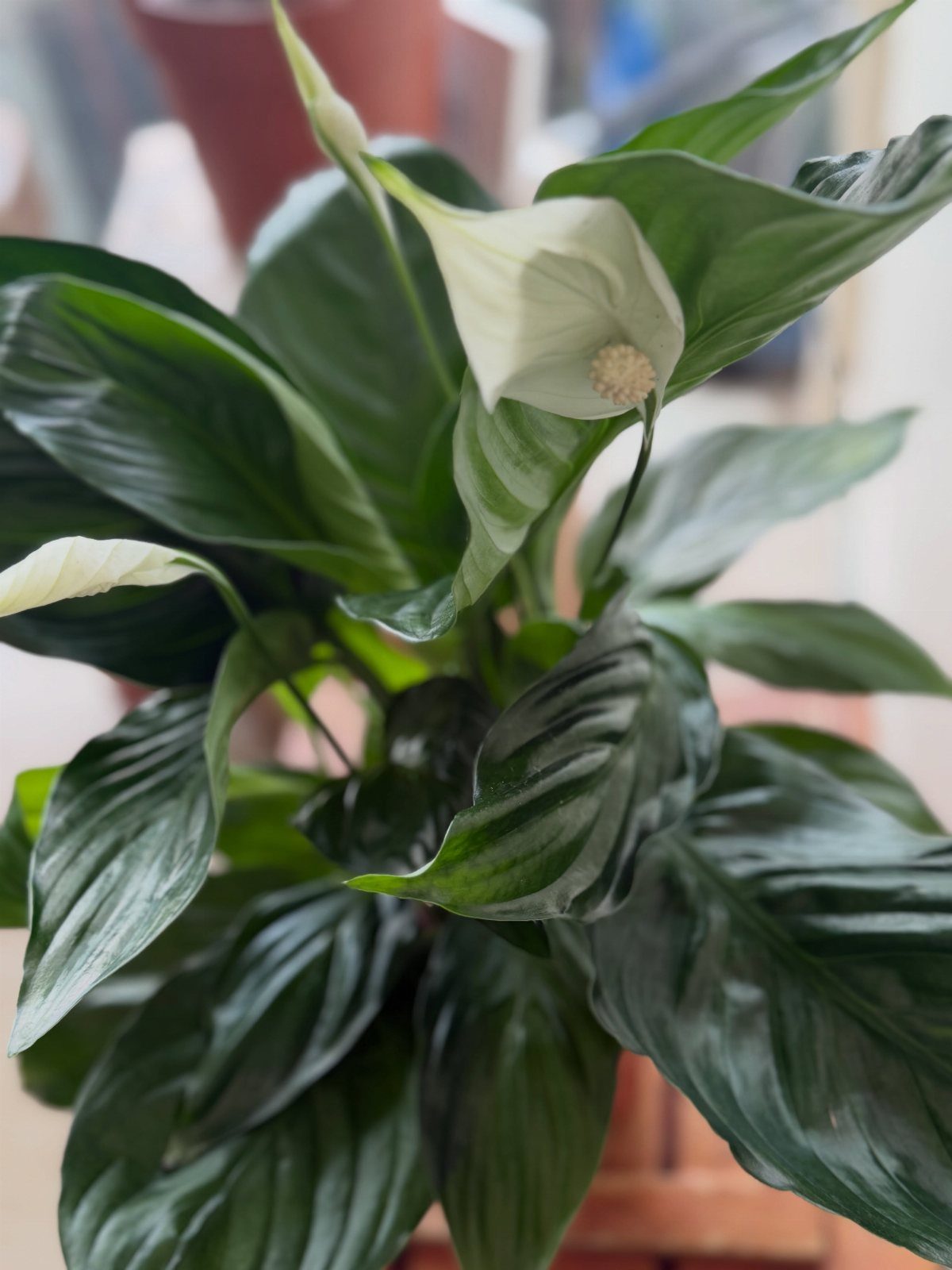
Peace lilies are one of the few indoor plants that flower reliably without strong sun, though the white spathes arrive more slowly and in smaller numbers on a north sill.
The glossy leaves alone justify the pot even between blooms. I watch for the telltale droop; it recovers from drought faster than it recovers from overwatering, and a terracotta pot helps me read when the soil has actually dried.
Keep it out of cold drafts and the leaves stay dark and unblemished. For a room that needs a soft white accent, this is my choice over a forced bulb that fades in a week.
5. Moth Orchid
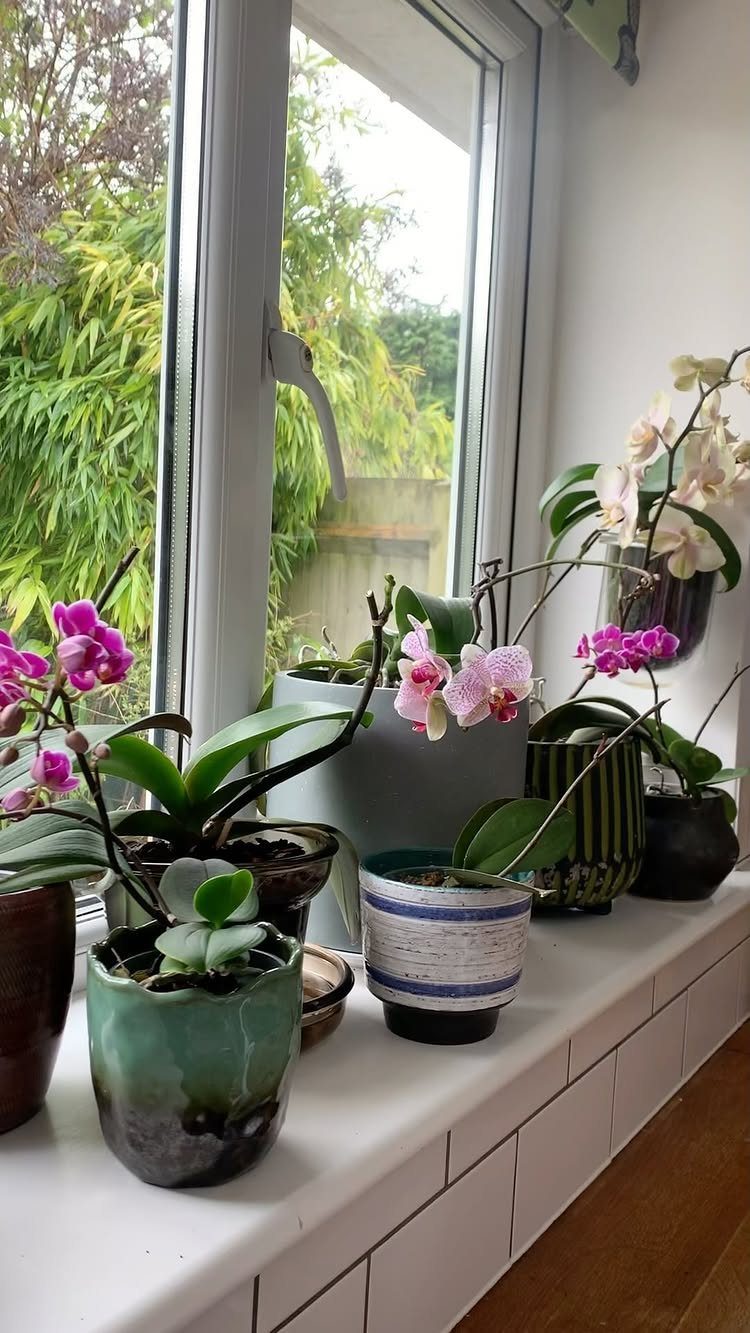
Moth orchids on a white windowsill look delicate but prove tougher than their reputation. The blooms hang on for months and often return on the same stem if you cut above the second node after flowering.
A north-facing window gives exactly the gentle, indirect light they want; direct sun burns the leaves. I water mine weekly by soaking the bark mix, then letting it drain completely.
Never let the roots sit wet. For a windowsill display that actually flowers in low light, this beats most alternatives I have tried.
6. Chinese Evergreen
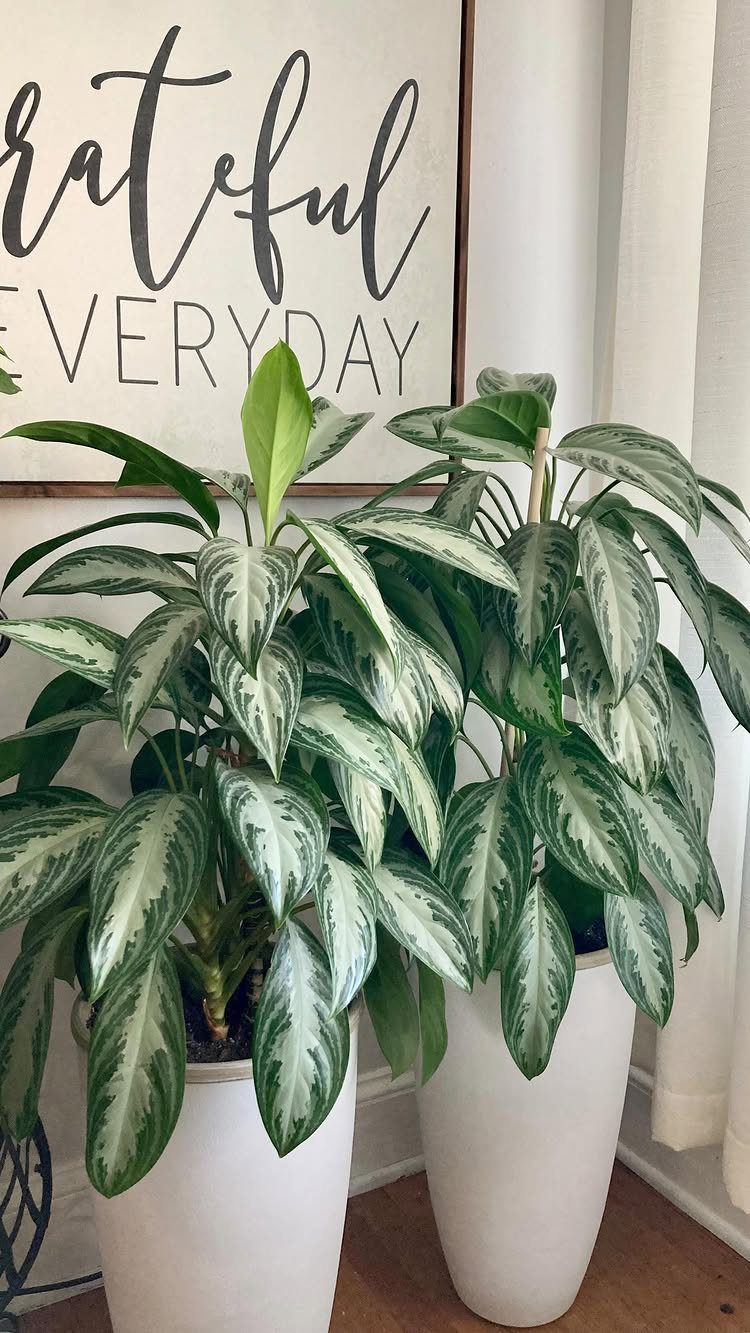
Chinese Evergreen carries color into dim rooms where most variegated plants would revert to plain green or simply decline.
Silver-patterned leaves and a clean, tapered pot read as intentional design rather than makeshift houseplant placement. I keep the soil lightly moist, not wet, and avoid cold windowsills that dip below room temperature.
Slower growth in low light means less frequent feeding; half-strength liquid fertilizer through spring and summer suffices. For a beginner who wants foliage interest without the fuss of blooming plants, this one stays handsome with minimal attention.
7. Prayer Plant
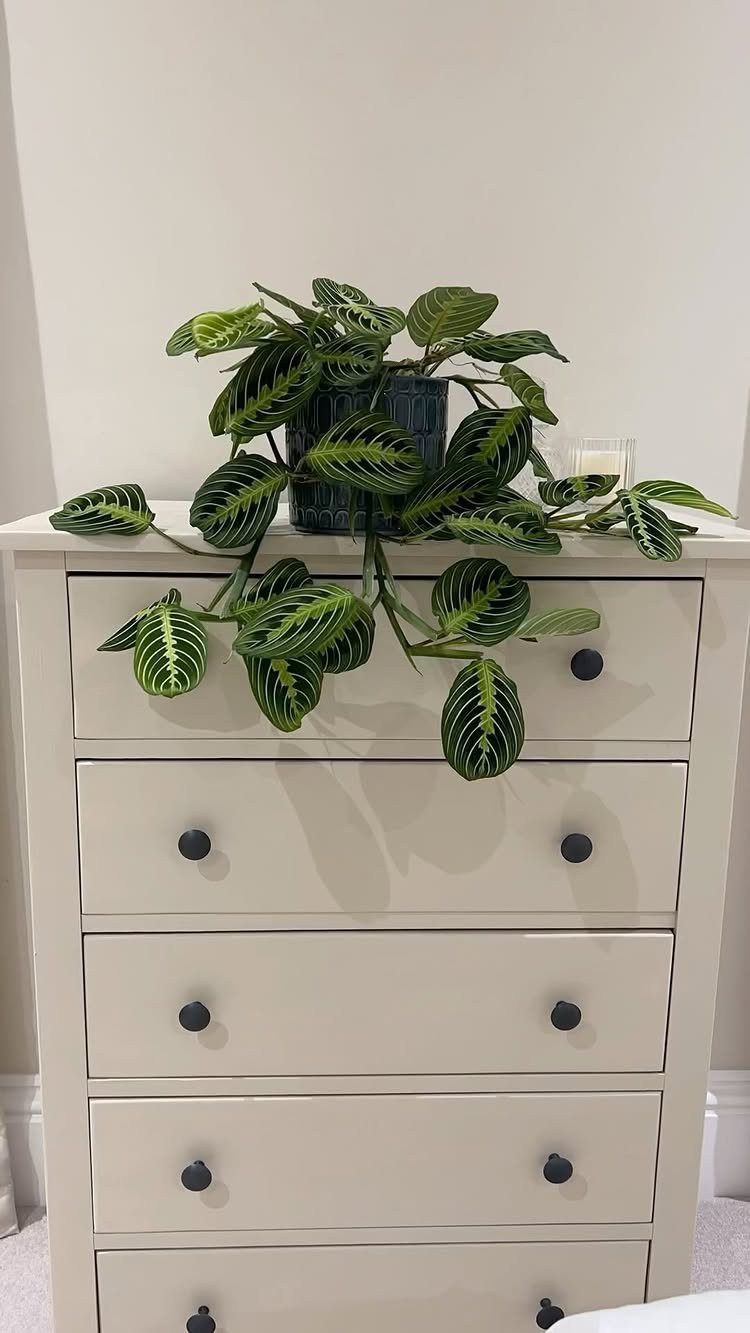
The Prayer Plant folds its striped leaves upward after dark, a slow performance you notice only if you pass by at the right hour.
That movement signals a plant alert enough to thrive in the gentle light a north window provides.
Keep the soil lightly moist and away from direct sun; too much light bleaches the pink veins to dull tan. A dark pot against pale furniture makes the foliage read as intentional color rather than random greenery.
For a bedroom or quiet corner where you want something alive but not demanding, this one asks little and gives you that nightly fold.
8. Ferns
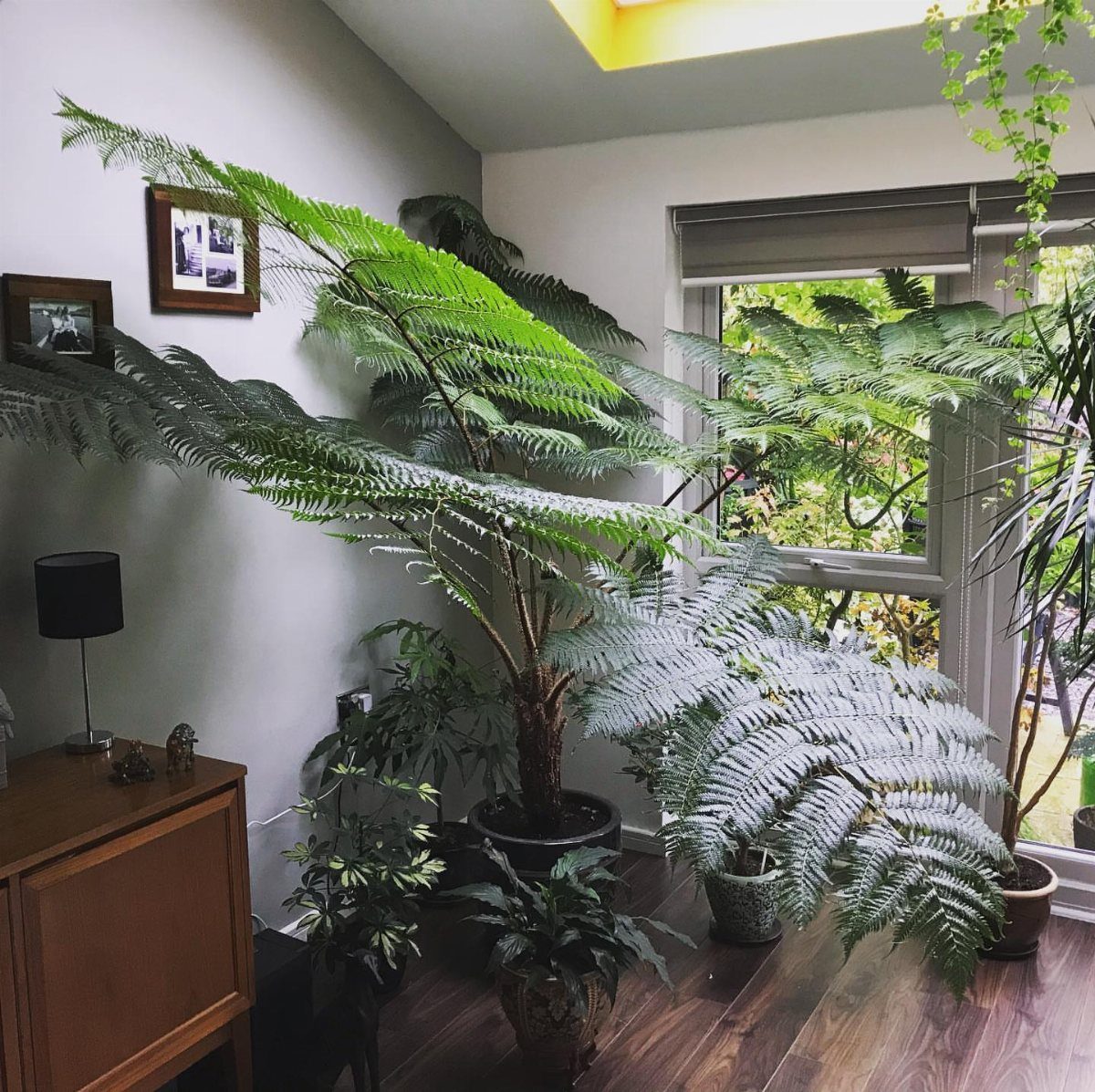
A tree fern with arching fronds brings height and softness to a room without ever needing a sunny sill.
I mist mine or set the pot on a tray of wet pebbles; dry air browns the frond tips faster than dim light slows the growth.
Water when the surface just begins to dry, never letting it sit soggy. For a north-facing window with space to fill vertically, this is the plant that turns low light into lush presence.
9. Spider Plant
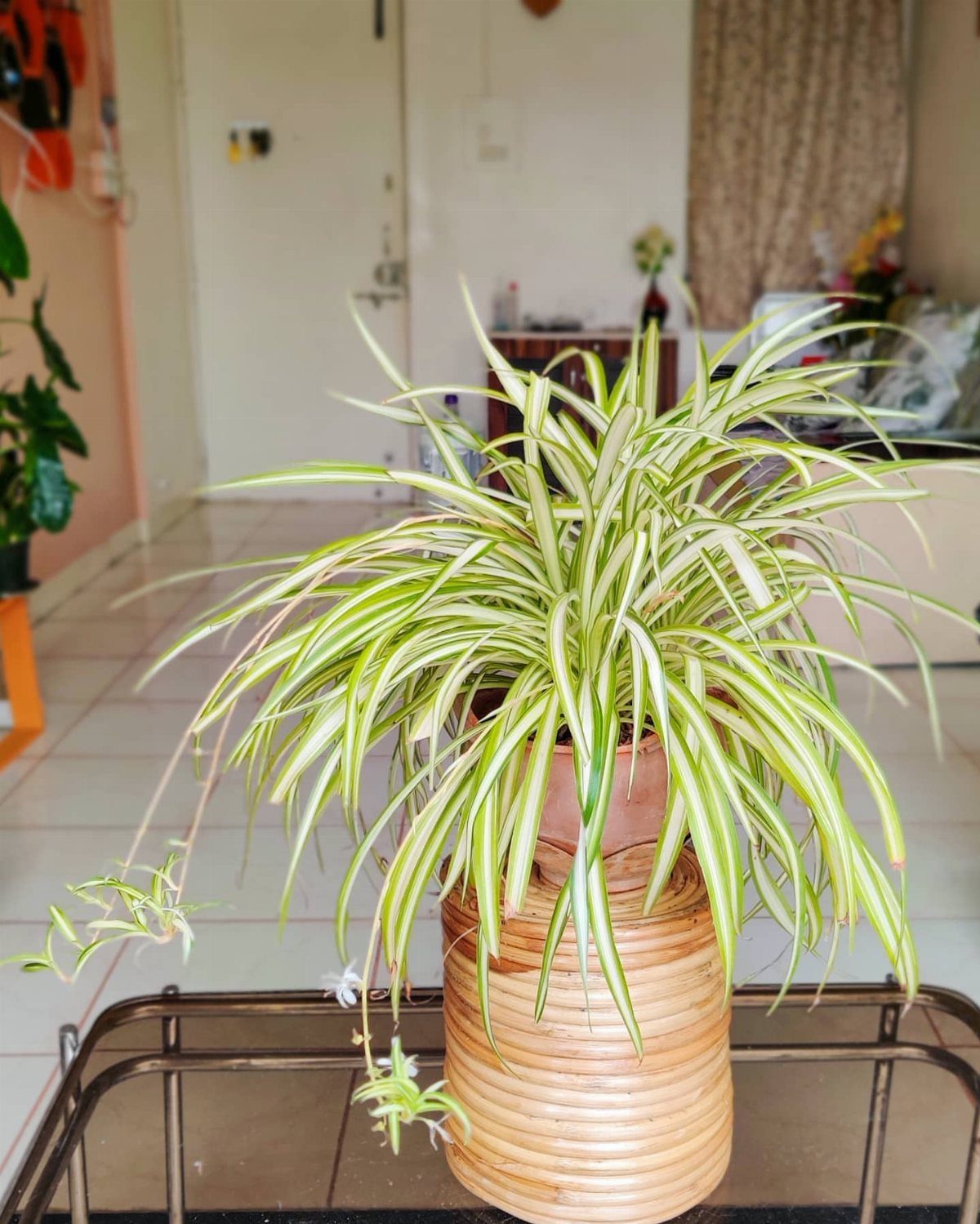
The variegated spider plant on its wicker stand reads as vintage and current at once, a combination that suits casual interiors without looking accidental.
Those white-striped leaves tolerate real dimness, though the variegation stays sharper with a bit more light; a north window keeps it growing steadily without fading to plain green.
I water when the top half-inch dries and ignore it otherwise; it sends out runners when slightly root-bound, which the woven stand displays well.
Cut the plantlets to root in water or leave them trailing. For a small table or shelf where you want height without bulk, this stand and plant together solve the problem.
10. Nerve Plant
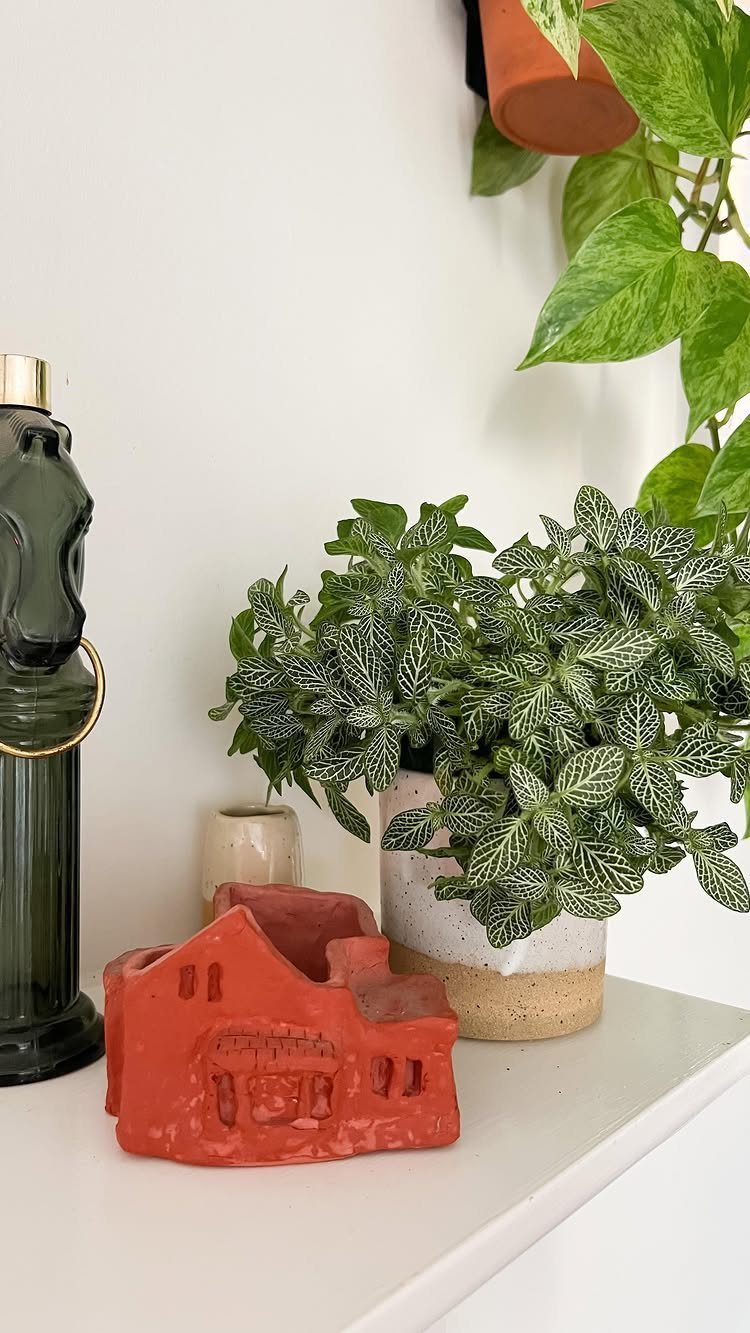
Small enough for a windowsill shelf, the Nerve Plant carries its white veining like circuitry on dark green leaves, a pattern that holds up even where light is thin.
A small ceramic pot sits among personal objects without competing; this scale suits a collector’s arrangement rather than a single statement plant.
Keep the soil consistently moist, not wet, and watch for the dramatic wilt that recovers within hours of watering.
Dry air crispens the edges, so a bathroom with a north window suits it better than a heated bedroom. For someone who tends closely and notices detail, this one rewards the attention.
11. Satin Pothos
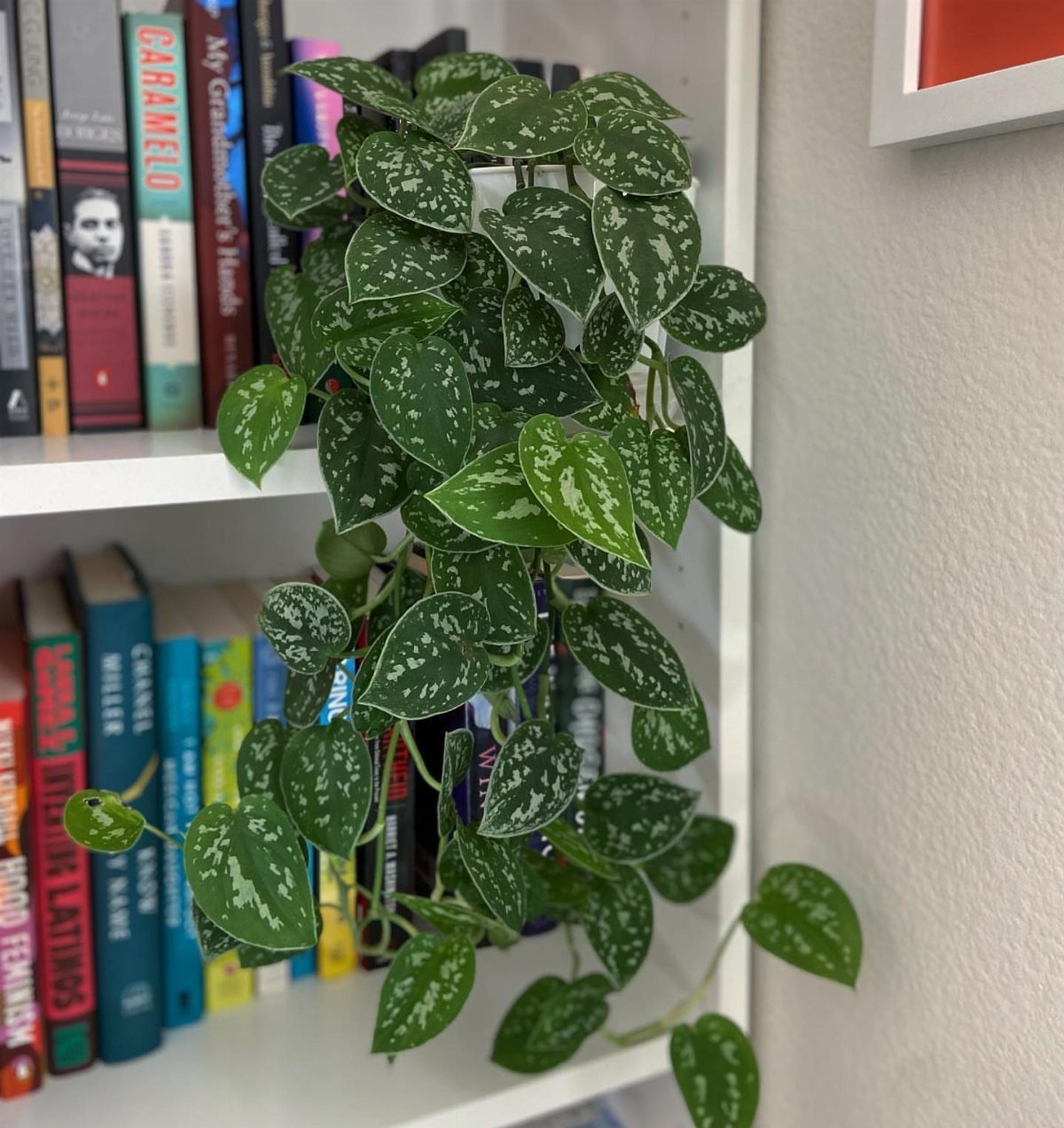
Silver-spotted leaves trailing from a white pot turn a bookshelf into vertical garden, spilling past the spines and claiming the space between objects.
That silver sheen reads as metallic in low light, a texture you notice more than color. I let mine dry slightly between waterings; the leaves curl when thirsty and flatten again within a day.
It climbs if given support or trails if left alone, and the stems root easily in water when cut. For a north-facing room with shelves or ledges rather than wide sills, this fills the vertical gaps without demanding floor space.
12. Heartleaf Philodendron
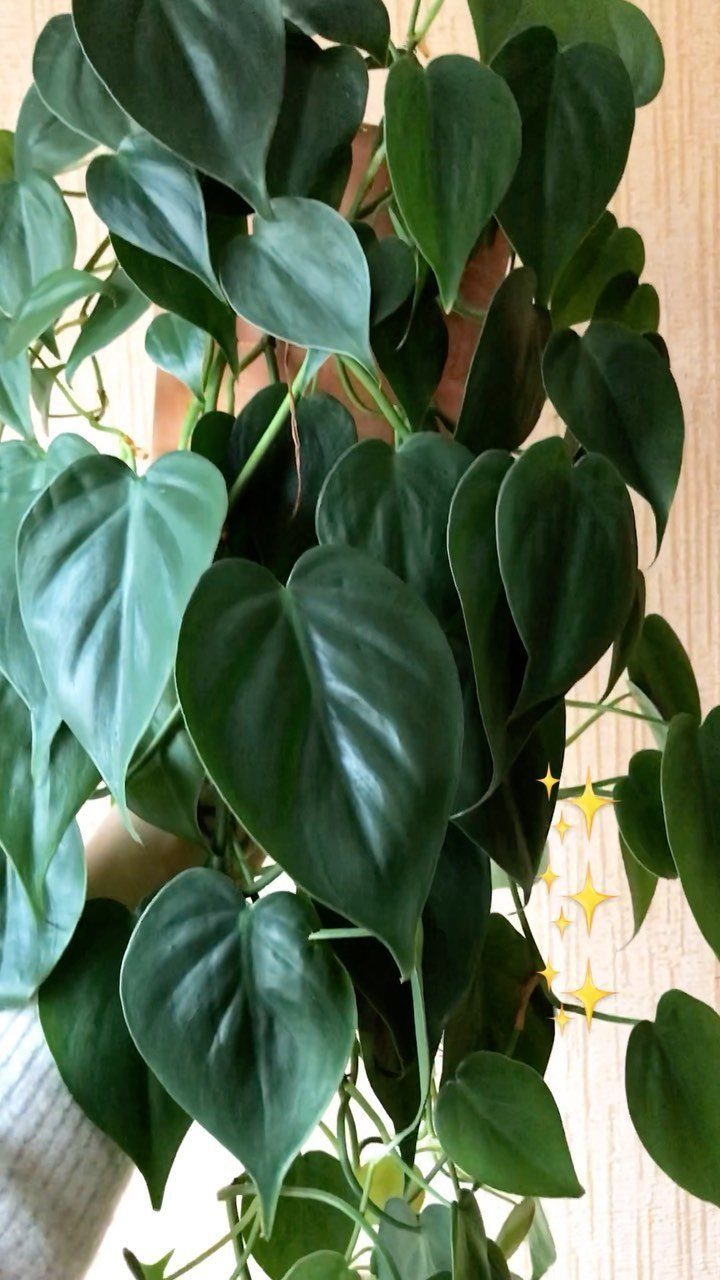
Glossy, heart-shaped leaves cascading down a wall give you living drapery where curtains would block the little light a north window already gets.
Over time the vines thicken and tangle, becoming dense enough to read as intentional green installation rather than stray houseplant.
I water when the top inch dries and feed lightly in spring; it grows slowly in dim rooms but never stops entirely.
Cut back to keep it full at the crown, or let it run long for height above a desk or headboard. For a beginner who wants volume without complexity, this one builds presence while you watch.
Care for Low-Light Conditions
Roots take up nutrients more slowly when a plant isn’t growing much, which is exactly what happens in lower light.
Overwatering is the more common mistake in these rooms; evaporation is slower and the soil stays wet longer than you expect.
When you do water, rotate the plant a few degrees in the same direction each time. Even shade-tolerant plants lean toward the window through phototropism, and a regular turn keeps them from stretching or tilting out of shape.
Light Levels in North-Facing Rooms
The quality stays gentle and consistent, but the intensity is low and drops fast as you move away. A plant one or two meters back from the glass gets very little usable light.
The practical growing zone sits within roughly half a meter to one meter of the window, and even there you need plants selected for real shade tolerance.
Light follows an inverse-square relationship with distance; at 2 meters, a plant receives a fraction of what the sill provides.
If you want greenery deeper in the room, a grow light is the practical fix rather than hoping a sun-lover adapts.
Plants to Avoid in Low Light
Variegated plants are poor candidates for north-facing rooms. The pale sections carry no chlorophyll, so the whole leaf has less photosynthetic capacity; in dim light that deficit becomes fatal and the plant declines fast.
What looks like variegation on a silver satin pothos or prayer plant is different; those patterns do not fade to plain green because they are not true variegation. Succulents and cacti also belong elsewhere.
They need high light and stretch weakly within weeks in shade. Most flowering houseplants need more light than a north-facing window provides if you want buds and blooms on any reliable schedule.
A grow light will widen what you can keep, but without one, stick to plants built for the light you actually have.
Frequently Asked Questions
Are north-facing windows okay for plants?
Yes, many plants grow well in the gentle, consistent light a north-facing window provides.
The range is narrower than for brighter exposures, but shade-tolerant species like ZZ plants, snake plants, and pothos handle these conditions without trouble. I pick plants for the light I actually get, not the light I wish I had.
What grows well in a north-facing window?
Plants built for low light do best: ZZ plant, snake plant, golden pothos, peace lily, moth orchid, Chinese evergreen, prayer plant, ferns, spider plant, nerve plant, satin pothos, and heartleaf philodendron all grow steadily in the indirect light a north window delivers.
Each tolerates the dimmer conditions that would stall or kill sun-dependent species.
Will a spider plant do well in a north-facing window?
Yes, the variegated spider plant tolerates real dimness, though its white striping stays sharper with slightly more light.