
Start from seed if you have the time and a windowsill that holds steady at 65–75°F. Buy plants if your growing season is short or you are already behind the calendar. The real decision point is ten to twelve weeks: that is how long a tomato needs from packet to transplant, and missing that window in a cool climate means no fruit before frost.
Variety
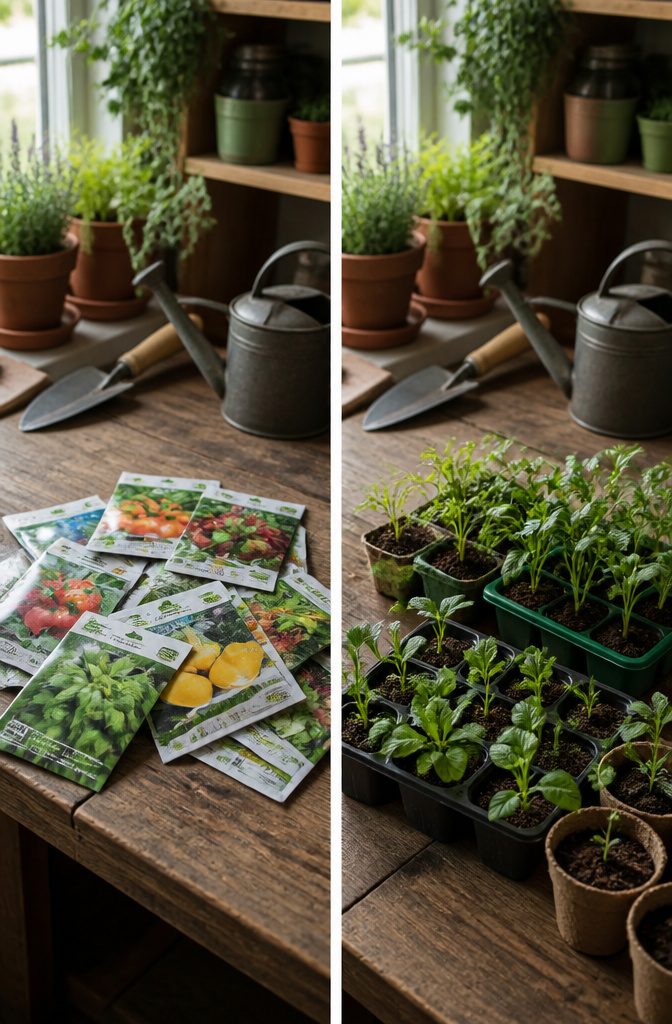
Seed catalogs and mail-order racks open up choices you will not find on nursery tables. I spent one February flipping through packets and landed on a black cherry tomato bred in the 1920s and a lemon basil I had never seen in a store. Seeds give you heirlooms and unique cultivars that starter plants simply do not offer. The packets also hand you the basics: planting depth, spacing, and days to germination, so you are not guessing once soil warms.
Local nurseries do stock varieties suited to your climate, which is a real advantage when you are new and unsure what survives your zone. The tradeoff is a much shorter list. Last spring I walked two garden centers near me and found the same three tomato varieties at both, plus the usual peppers and coleus. Fine plants, but nothing surprising.
When it comes to variety, seed is also king. Between mail-order packets and seed racks, the options are nearly endless.
For a gardener working a small patio and watching every dollar, that breadth matters. A four-dollar packet of twenty or thirty seeds beats a six-pack of common hybrids if you want something worth telling a neighbor about.
Cost
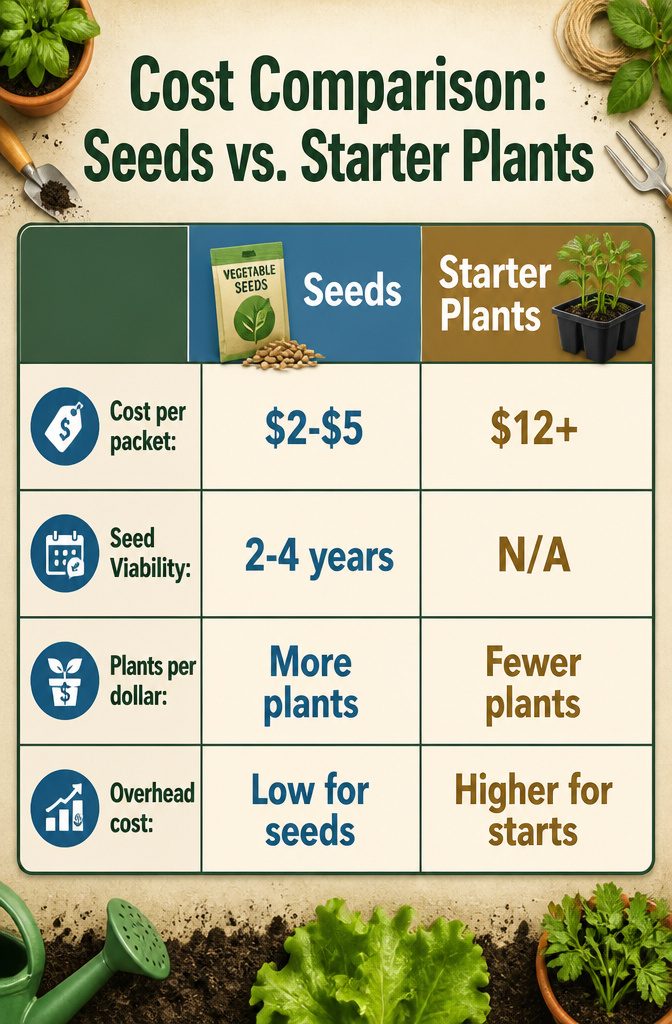
A packet of seeds runs $2.00 to $5.00, with most sitting in that $2–$3 pocket, and holds anywhere from 50 to 1,000 seeds depending on the variety. Starter plants cost significantly more per plant, and the gap widens fast once your garden scales beyond a few containers. For a small patio plot, the difference might mean spending $12 on seeds versus $40 or more for the same count as nursery starts. In a larger bed, that multiplier gets real.
Stored properly, many seeds stay viable for 2 to 4 years, so one spring purchase can cover multiple seasons. If a seedling dies, you sow again from the same packet. Buy a six-pack and lose one or two to transplant stress or weather, and you’re driving back to pay again. I’ve had lettuce patches where I sowed indoors early, then direct-seeded later for a longer harvest; the same $2.50 packet fed me from May through September. Seeds simply give you more plants per dollar, and for a gardener working a $500–$800 annual budget, that math decides a lot.
Time to Harvest
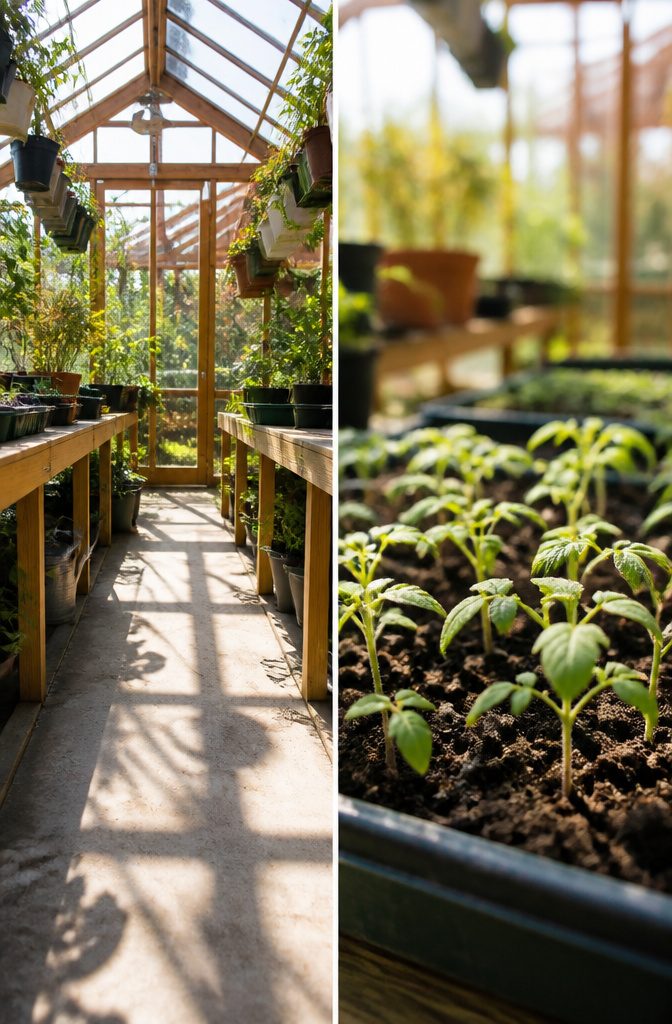
A tomato seed in damp soil needs about a week just to crack open, then another six to eight weeks of growing under lights before it can even handle outdoor air. That puts you at roughly ten to twelve weeks from packet to planting, assuming you started indoors at the right window. Miss it, and your plants run out of warm days before fruit sets.
Starter plants carry that finished work already. You are buying the momentum of six or eight weeks someone else logged in a greenhouse, which shortens the distance to your first harvest by that same span. For peppers, eggplant, and tomatoes in short-season zones, that head start can be the difference between a bowlful and a near-miss.
The tradeoff is straightforward: seeds cost less and let you pick exact varieties, but they eat calendar. Starts cost more and limit your choices, yet they put food on the table faster. In my own planning, I start the slow growers from seed indoors in late February, then fill gaps with nursery tomatoes when I get impatient or behind.
Control and Risk
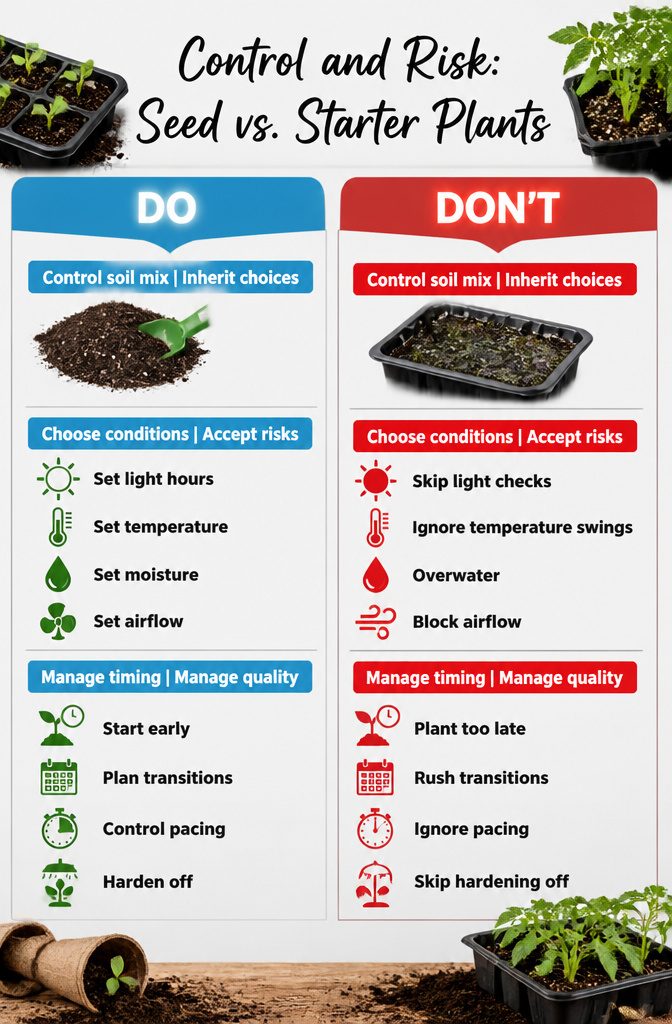
Starting from seed gives you the run of the place: soil mix, moisture, light hours, temperature swings, all of it yours to set. That control comes with exposure. A seedling that has just cracked its shell has no defenses yet, and a single hot afternoon or a slug crossing the patio at night can end the whole line before you have a backup.
Starter plants have already survived that window. Someone else sat awake hoping the heat mat stayed on, and you buy the result: a plant with momentum, root mass, leaves hardened off at least partway. The risk of total failure drops sharply.
Still, you are inheriting someone else’s choices. The same nursery tray can hold a vigorous tomato with its first flower bud and, three cells over, a pepper that was kept too wet and carries root rot you will not see until the leaves yellow in your container two weeks later. Starter plants trade germination risk for quality risk, and you do not control which one walks out the door with you.
Learning Curve
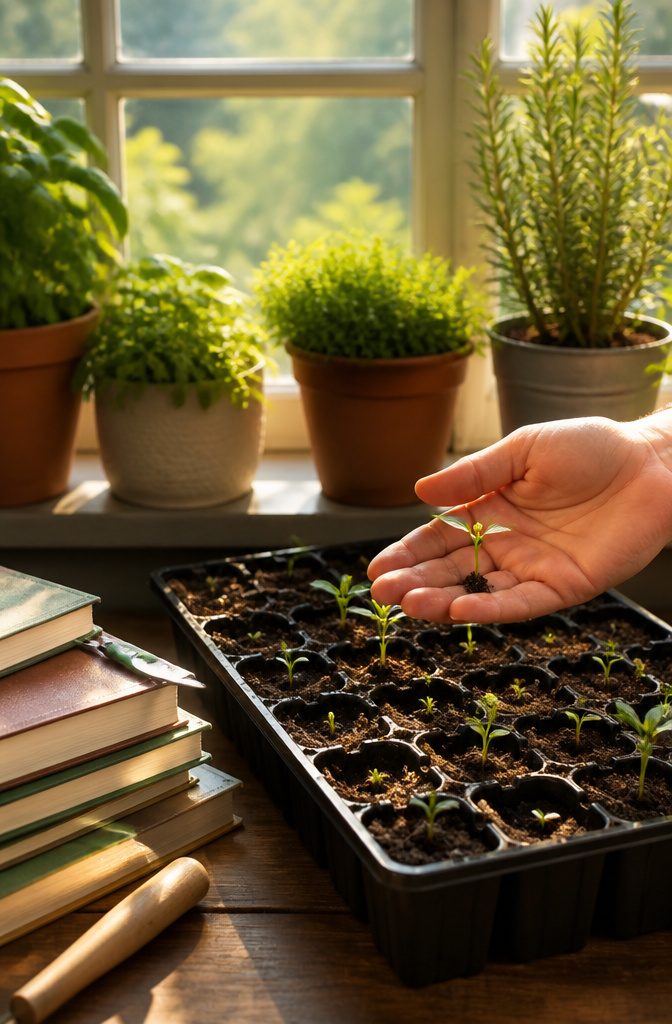
The first time I tried peppers from seed, half the tray never broke the surface, and the half that did stretched into pale threads reaching for a window that was never bright enough. Germination is where seeds test you: temperature, moisture, depth, all have to line up, and when they do not, you are weeks behind with nothing to show. Starter plants let you skip that classroom entirely. You buy a pepper already six inches tall, hardened off by someone else, and your job is just to keep it alive in your own dirt. That is a gentler entry point if you are only a season or two in and still learning what "damp but not wet" actually feels like. Still, surviving that failure with the peppers taught me more about light and soil than any healthy transplant ever could. There is satisfaction in watching the whole arc, even when the arc includes a flat of moldy potting mix you end up dumping behind the garage.
What to Start From Seed
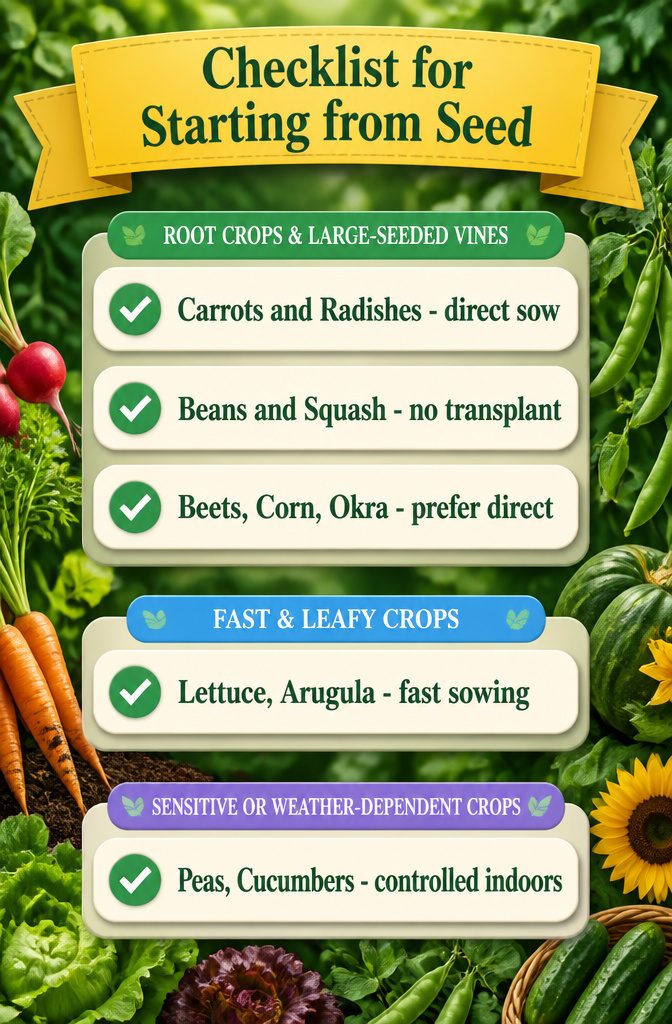
Some crops almost always earn their spot in the direct-sow column. Here is what to start from seed and why:
- Carrots and radishes need to go straight into loose garden soil. Their taproots twist or stall if you try to move them. Sow carrot seed no deeper than 1/4 inch; the packet depth matters because these seeds are small and need light contact with moist soil to germinate.
- Beans and squash fall into the same group. They germinate fast and resent root disturbance. I have seen squash seedlings stall for weeks after transplanting while direct-seeded vines in the next bed already climb.
- Beets, corn, okra, and sunflowers also prefer the spot they will finish in. Large seeds or sensitive roots make transplanting more trouble than it saves.
- Lettuce and arugula work either way, but their short lives mean direct sowing keeps succession simple. Thin to packet spacing once true leaves appear.
- Snap peas and cucumbers can start indoors if spring stalls, though they are sensitive to heat spikes. Most years, waiting for warm soil and sowing directly wins.
The split is straightforward: root crops and large-seeded vines go outside once frost risk passes; leafy greens and fast crops repeat-sow every two to three weeks for steady harvests.
What to Buy as Starts
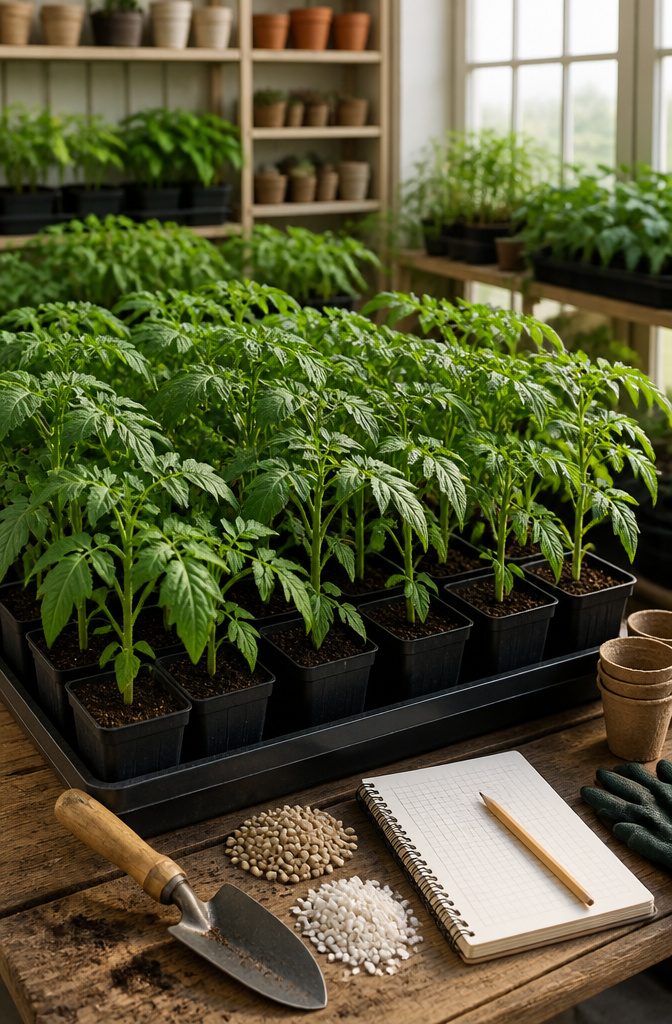
Some crops almost always make more sense as purchased starts, and tomatoes and peppers sit at the top of that list.
• Longer season demands. Large fruiting plants need more warm days than most U.S. growing seasons provide from seed to harvest. A store-bought start buys you weeks of ripening time under the sun.
• Temperature requirements. Tomato and pepper seeds germinate best at 65–75°F. Soil outdoors in early spring sits colder than that in most regions, and windowsill setups rarely hold steady heat without equipment.
• Root handling. When transplanting, set the seedling deeper than it sat in the container, burying part of the stem on tomatoes; they root along the buried portion and grow sturdier. Disturb the root ball as little as possible. A gentle hand at this stage keeps the plant from stalling.
• Where nursery stock wins. In cooler microclimates, starts may be the only practical path to a mature harvest. The plants are already past the fragile germination phase and ready to go in the ground the day frost risk passes.
Seed Storage and Longevity
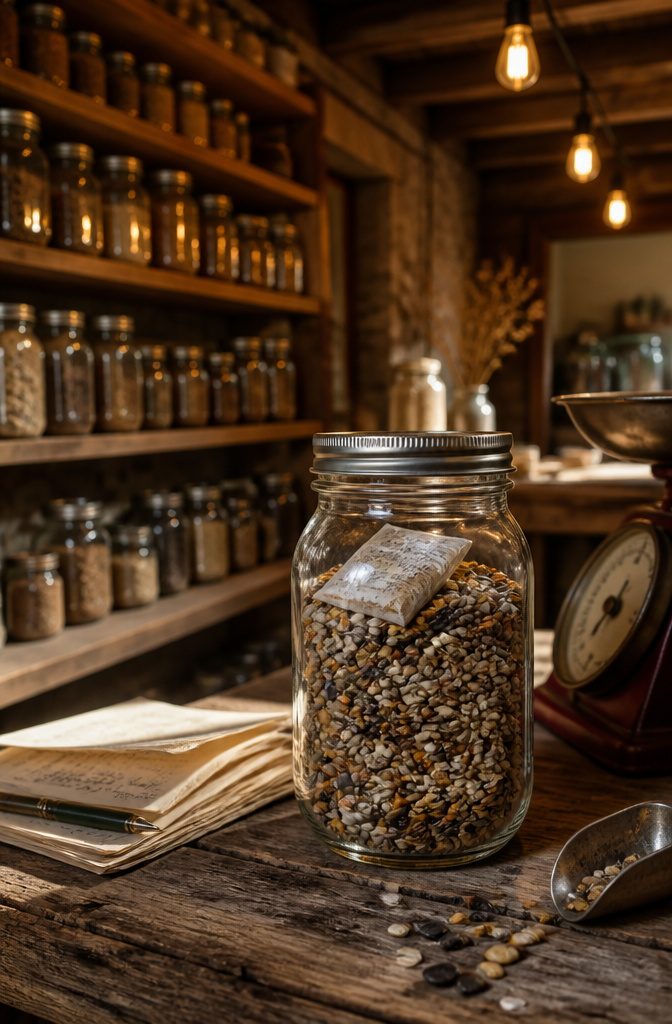
Most seeds stay viable for 2 to 4 years when stored properly, which turns a single $2 to $3 packet into several seasons of planting. Cool, dry, and dark conditions do the work: a sealed glass jar in a basement drawer beats the kitchen counter where humidity swings with every pasta boil. I keep mine in a mason jar with a desiccant packet saved from a shoebox, nothing fancy.
The real payoff shows up in crops like lettuce. Sow a short row indoors in March, direct-seed another in May, and still have seed left for a fall batch from the same packet. Compare that to a six-pack of nursery starts: lose two seedlings to a late frost or a curious squirrel, and you are driving back to the garden center. With stored seed, you fill the gap for the cost of potting mix you already own.
Temperature matters more than most beginners guess. Room temperature is fine for a season, but each 10 degrees warmer roughly halves storage life. A refrigerator drawer works if you seal against moisture; I have had pepper seed germinate at about 70 percent after three years kept there. Without that cool steady condition, the same packet might drop below useful viability in one.
Timing and Germination Conditions
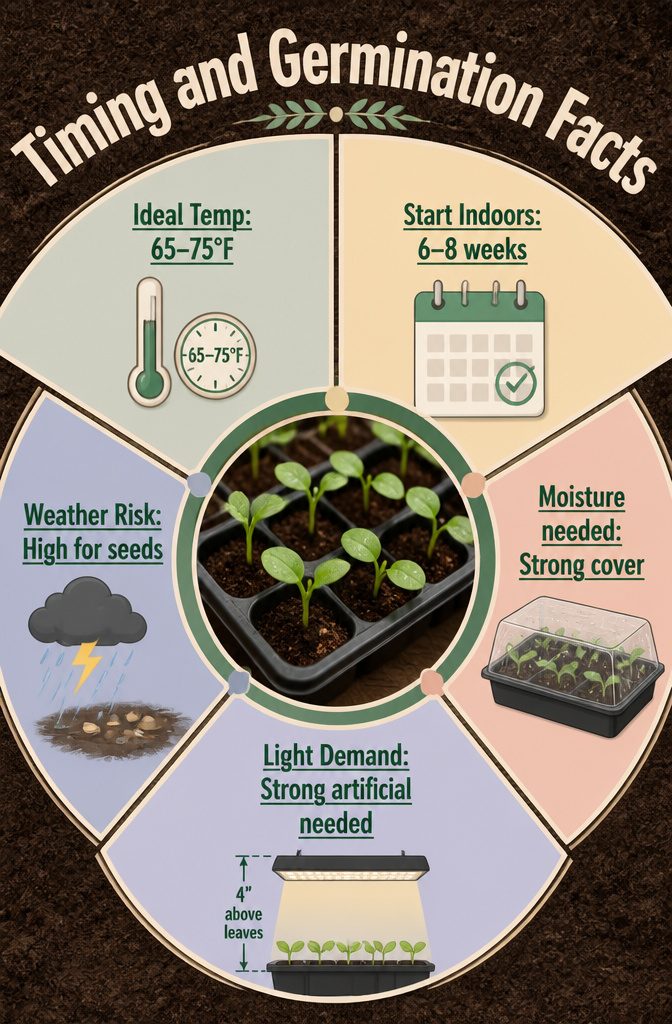
The calendar says one thing, but seeds respond to warmth. Most vegetables need soil around 65–75°F to germinate, which is why the standard advice works backward from your last frost date: start seeds indoors 6 to 8 weeks before. That window gives tomatoes and peppers time to size up without turning leggy in their trays. Cool-season crops like broccoli move on a different clock, aimed at fall planting instead.
Moisture and light finish the job. A loose cover of plastic wrap over the tray holds humidity until about half the seedlings emerge, then you pull it off and get the tray under strong light, keeping fixtures roughly 4 inches above the leaves and raising them as plants grow. Without that light, stems stretch weak and pale.
Some crops make the timing gamble harder. Beans, cucumbers, and zucchini rot in cold, wet soil before they ever sprout, and carrots or lettuce planted too deep simply never surface. That risk shifts the math toward buying starts if your spring is unpredictable or your windowsill setup is dim.
| Factor | Start from Seed | Buy Plants |
|---|---|---|
| Timing flexibility | High; you control the 6–8 week window | Low; rely on nursery schedules |
| Temperature control | Requires indoor 65–75°F setup | Nursery handles early growth |
| Light demand | Strong artificial light needed | Already established |
| Weather risk | Seedlings may outgrow trays before frost | Transplant when conditions are right |
Transplanting and Direct Sowing
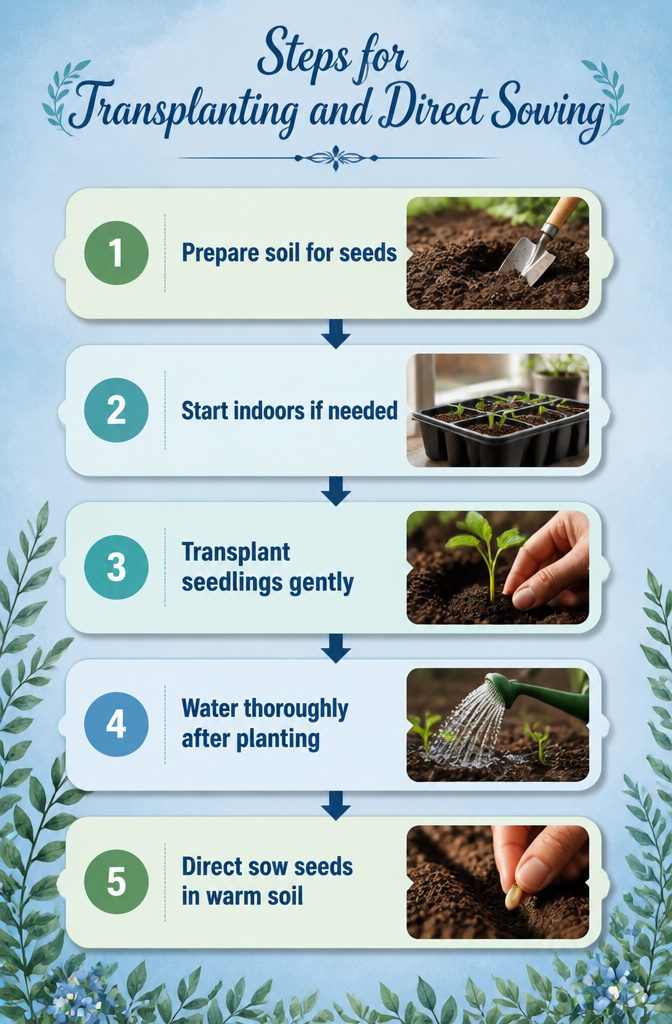
Squash and beans do not forgive transplanting. Their roots run sensitive, and the shock of relocation stalls growth or kills outright. Tomatoes, by contrast, settle in fast and even seem to push harder after the move.
When you do transplant seedlings started indoors, ease them out with a pencil or dibble slipped beneath the roots. Never pull by the stem; a crimp there is a death sentence for the plant. Set them at the same depth they held in the flat, water thoroughly, and hold fertilizer at half strength for the first two weeks. Small roots burn easily.
Direct sowing skips this fragility entirely. Corn, pumpkins, carrots, and beets all prefer it, their taproots left undisturbed from day one. The trade is time: you wait longer for the harvest, and early weeds can outpace slow germinators. Root crops transplanted fork and twist, ruining the one trait you grew them for.
For patio gardeners with limited space, the choice narrows further. A six-pack of tomato starts buys you weeks; direct-sown beans ask patience but cost pennies. Match the method to the crop, not the other way around.
Frequently Asked Questions
What are the advantages of starting from seed or buying plants?
Starting from seed gives you far more variety, including heirlooms and unusual cultivars you will not find at nurseries. Seeds also cost much less per plant: a $2 to $3 packet holds 50 to 1,000 seeds, while starter plants run significantly more each. Stored properly, many seeds stay viable for 2 to 4 years, so one purchase covers multiple seasons. Buying plants, however, skips the germination learning curve and puts food on the table faster.
When should I start my seeds indoors?
Start seeds indoors 6 to 8 weeks before your last frost date. That window gives slow growers like tomatoes and peppers time to size up without turning leggy. Cool-season crops such as broccoli follow a different clock, aimed at fall planting instead. Beans, cucumbers, and zucchini rot in cold, wet soil, so wait until the ground warms for those.
What plants should I direct seed instead of buying starts?
Root vegetables like carrots and radishes must go straight into loose garden soil; their taproots twist or stall if moved. Beans, squash, beets, corn, okra, and sunflowers also prefer direct sowing because they germinate fast and resent root disturbance. Lettuce and arugula work either way, though direct sowing makes succession planting simpler for a steady harvest.
What are the disadvantages of buying starter plants?
Nursery stock limits you to a short list of common varieties; you will miss out on heirlooms and unusual cultivars found in seed catalogs. Starts also cost far more per plant, and that gap widens fast once your garden scales beyond a few containers. You inherit someone else’s growing choices too, meaning a tray can hide quality problems like root rot you will not spot until weeks after transplanting.






