These 9 succulents range from a cheap nursery pot of zebra cactus to a hanging burro’s tail that needs space and a sturdy hook, but the deciding factor is your actual light, not what the tag claims will work.
True low light means a north window or a desk across the room from any sun, and in those spots a snake plant or gasteria stays compact while a jade stretches and fails.
Haworthia cooperi is one of the few succulents I would trust under only a desk lamp and a north window; it slows and greens, but it lives, which is more than most succulents manage there.
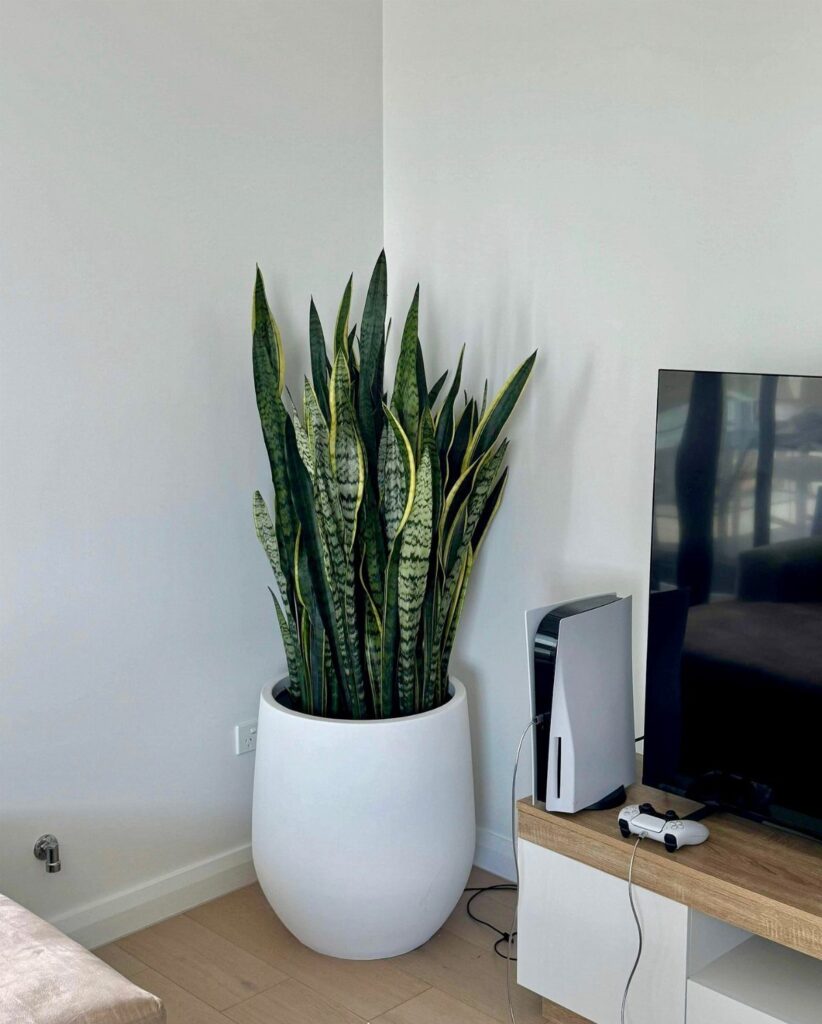
1. Snake Plant
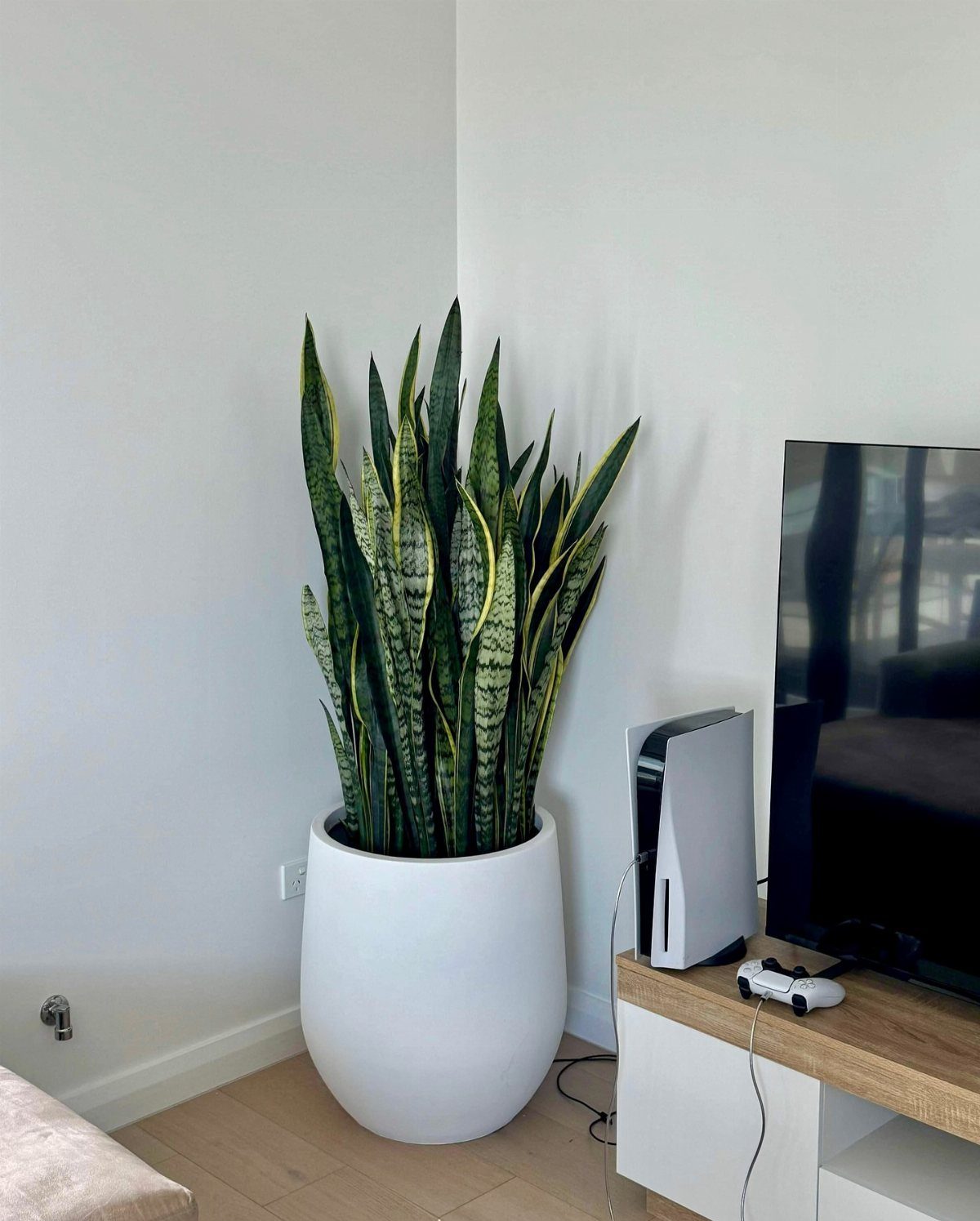
A snake plant handles the dim corner by a TV or console without complaint. I keep mine in a spot where direct sun never reaches, and it still sends up new leaves steadily.
Water only when the soil has dried several inches down; the thick leaves store what they need. For a beginner with a dark apartment and a tight starter budget, this is the plant I point to first.
2. Zebra Cactus
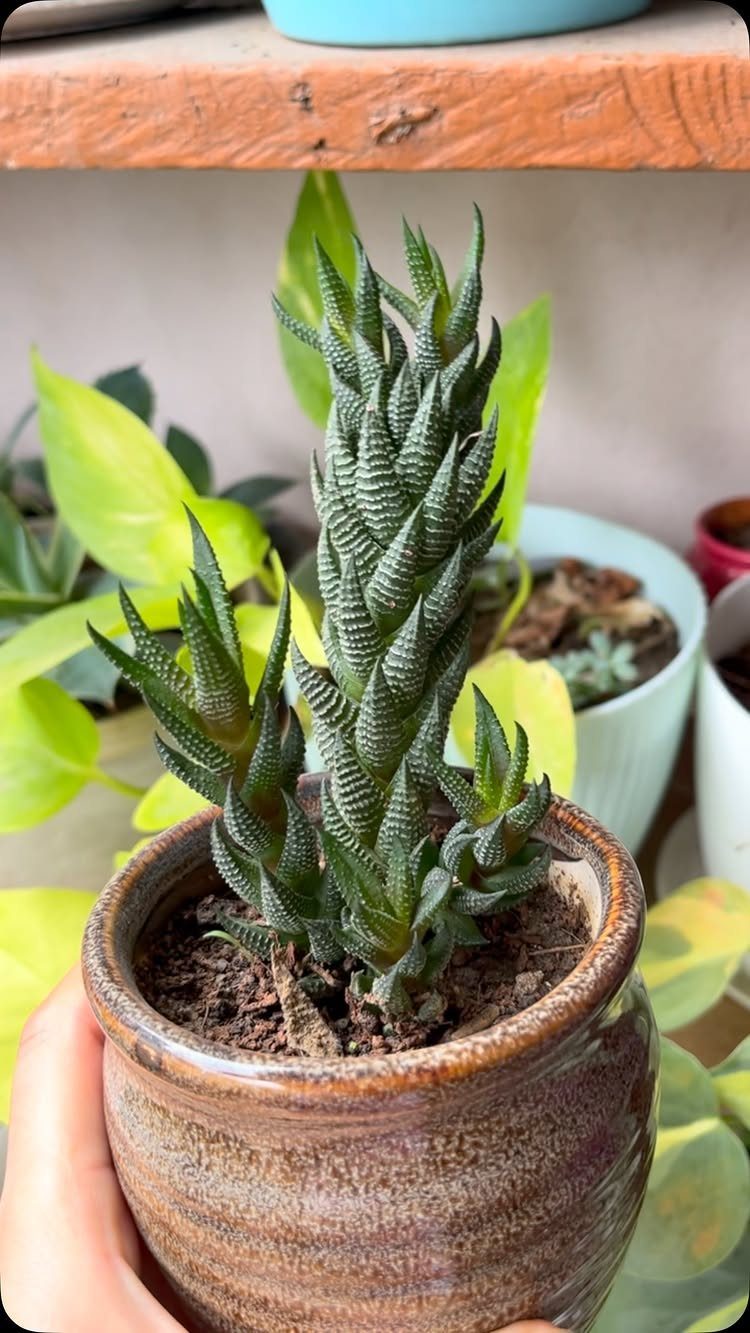
Small, slow, and undemanding: the zebra cactus suits a shelf or desk where stronger plants would stretch and pale.
The raised white stripes on its dark green leaves read as texture from across a room, and up close they are precise enough to satisfy anyone who examines it.
I water mine sparingly in winter, less when growth stalls. A small nursery pot runs cheap and lasts years.
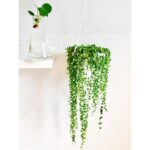
3. String of Pearls in Hanging Baskets
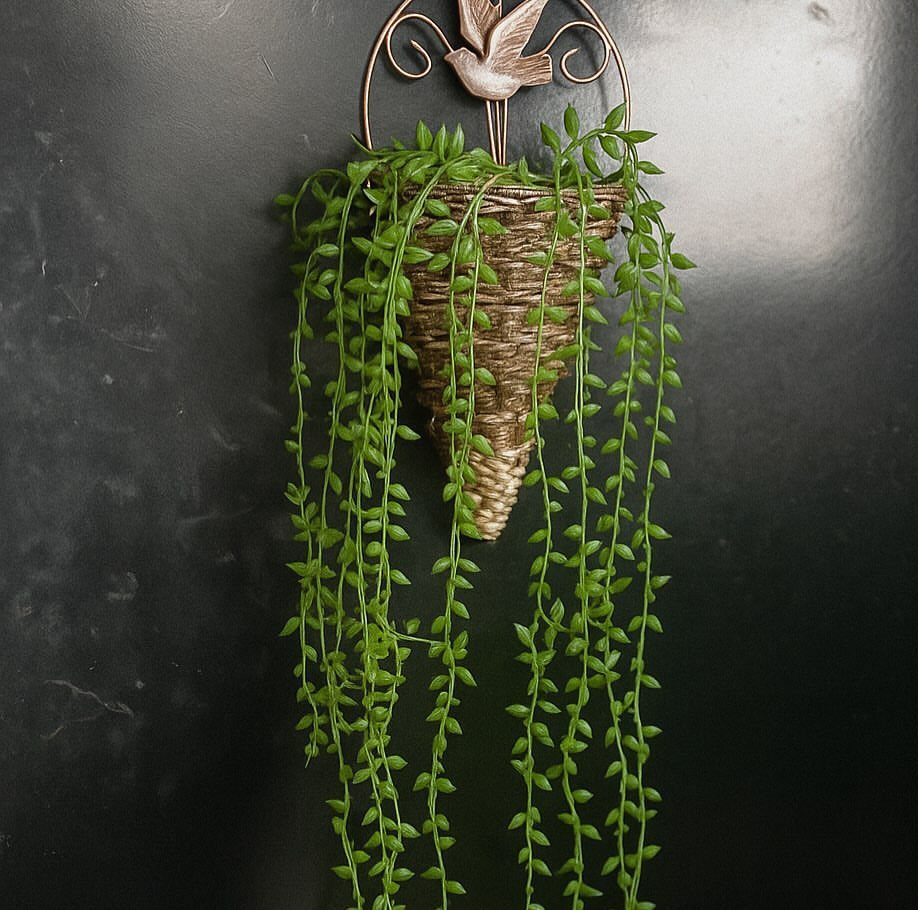
Pearl-shaped leaves on thin trailing stems make this succulent worth hanging high. I use a woven basket with a tight liner to keep soil from drying too fast; the pearls rot before they wrinkle if water sits.
Bright indirect light keeps the strands dense, but I have grown it in a north-facing room where it thinned somewhat and still looked deliberate. Let the basket dry fully between waterings.
4. Christmas Cactus
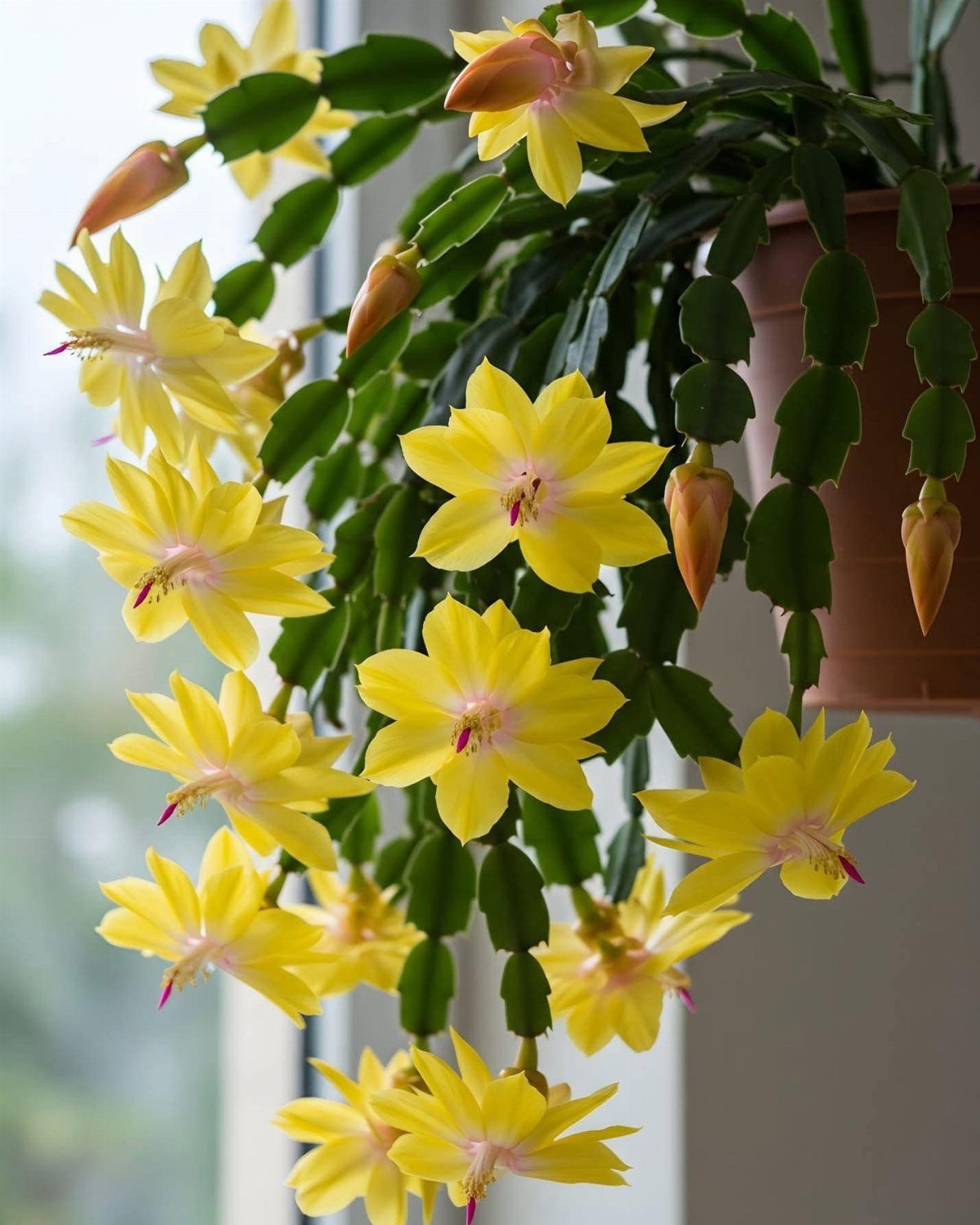
Flat, segmented stems arch from a Christmas cactus even in light that would stop most succulents. I set mine back from an east window and it flowers reliably in late November, timed by shortening days rather than intensity.
Cool nights help trigger buds; a windowsill that drops after dark is often enough. After blooming, I ease back on water until spring growth resumes.
5. Panda Plant
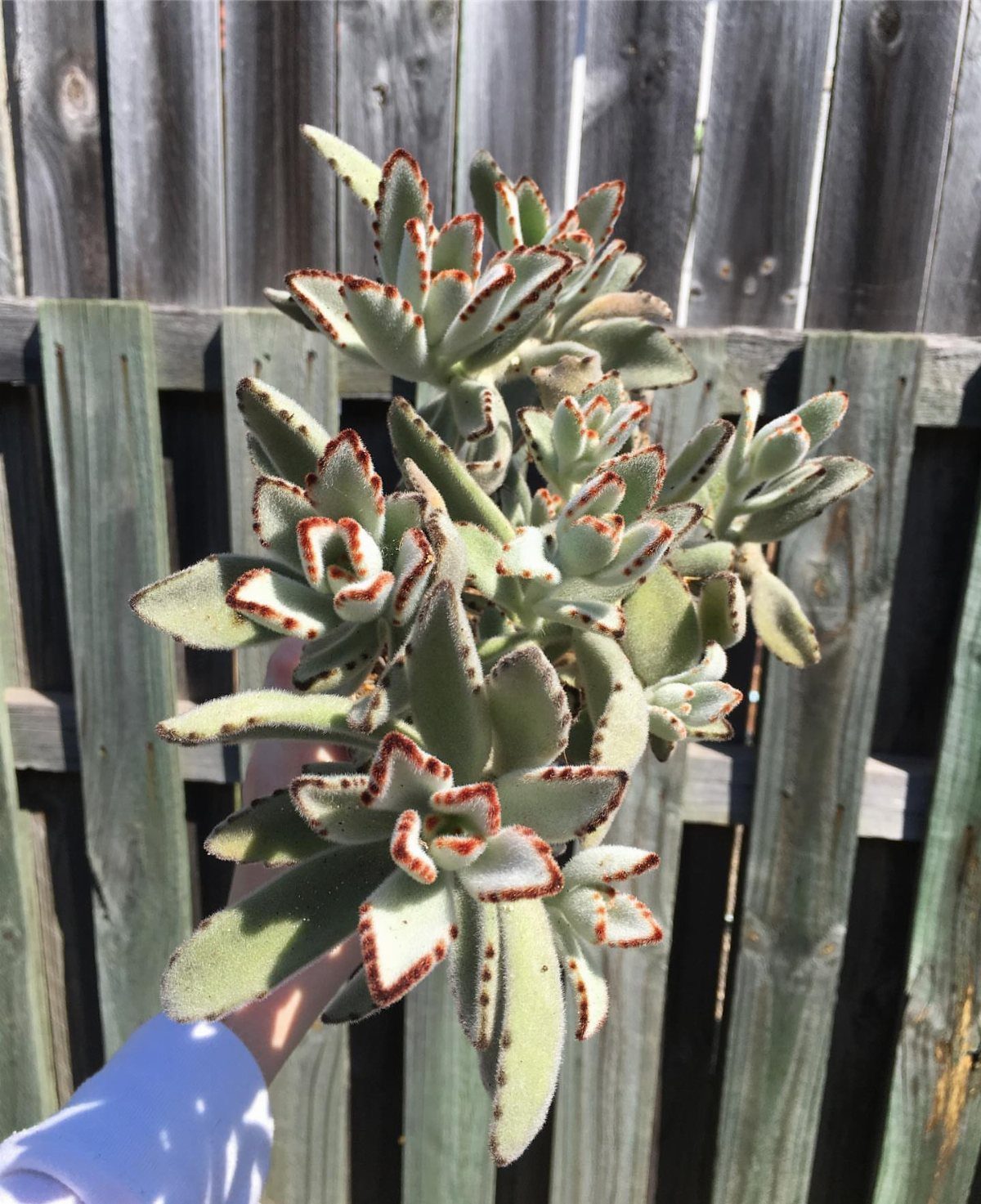
Silvery fuzz covers the panda plant‘s leaves, with red edges that look almost painted on. That coating is water-repellent; I wet the soil directly and keep the leaves dry to avoid marks.
It stays compact, so a modest pot suffices for years. I find it dulls slightly in very dim light but never turns leggy the way a jade would.
6. Burro’s Tail in Hanging Baskets
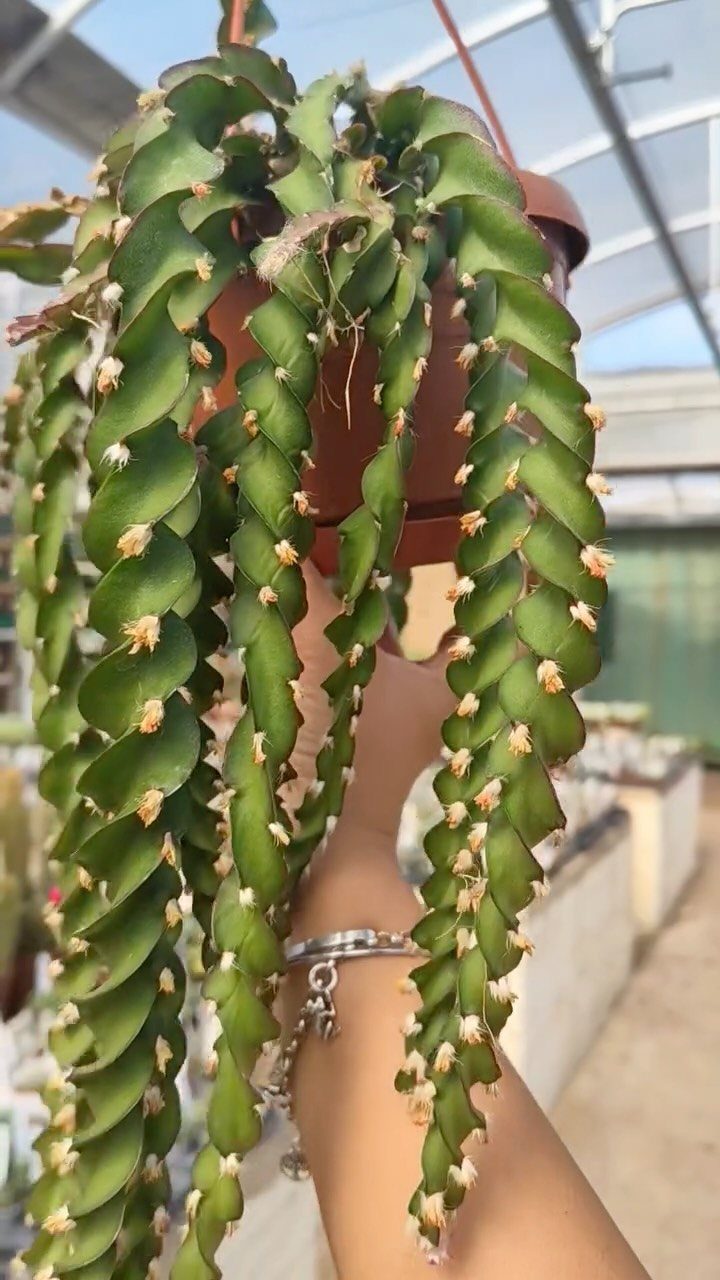
Thick, overlapping leaves trail from burro’s tail stems like a rope of plump beads. I hang mine where the strands can drop freely without brushing traffic; the leaves detach at a touch and do not reattach.
A plastic or resin pot keeps the weight manageable, since saturated soil in ceramic would strain any hook. Water when the beads soften slightly, usually on a loose schedule in my dry apartment.
7. Gasteria
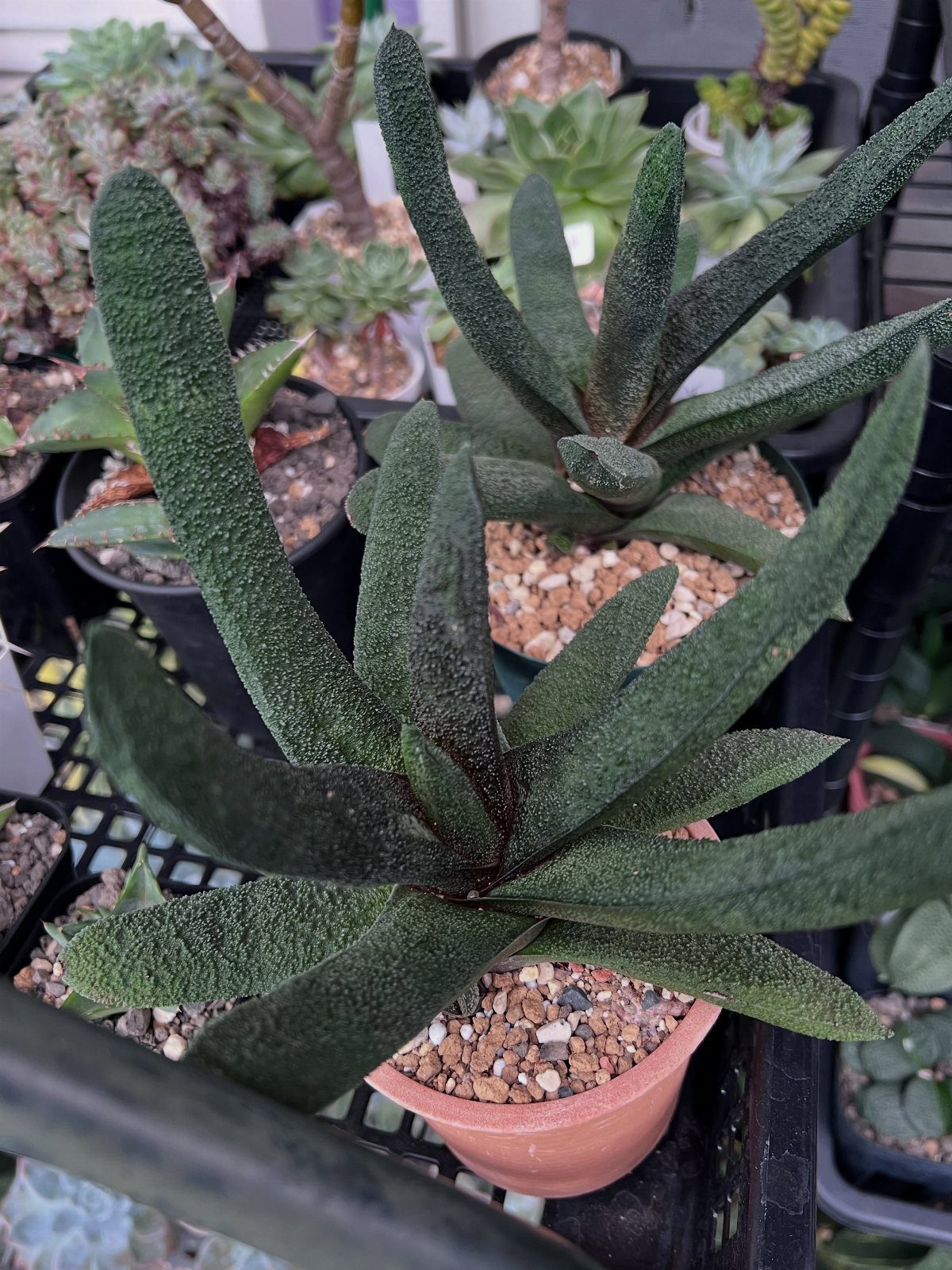
Dark green, slightly rough leaves in a tight spiral make gasteria easy to mistake for a small aloe until you look closer.
The leaves stay shorter and stouter, and the plant tolerates lower light without the pale stretching that ruins an aloe’s compact form.
I keep mine in a terracotta pot that dries fast between waterings; glazed ceramic would hold moisture too long.
A windowsill with morning light works, but I have also grown it on a desk lit only by a north-facing window and a desk lamp.
It asks so little that I sometimes forget it exists, then notice it has produced an offset.
8. Rhipsalis
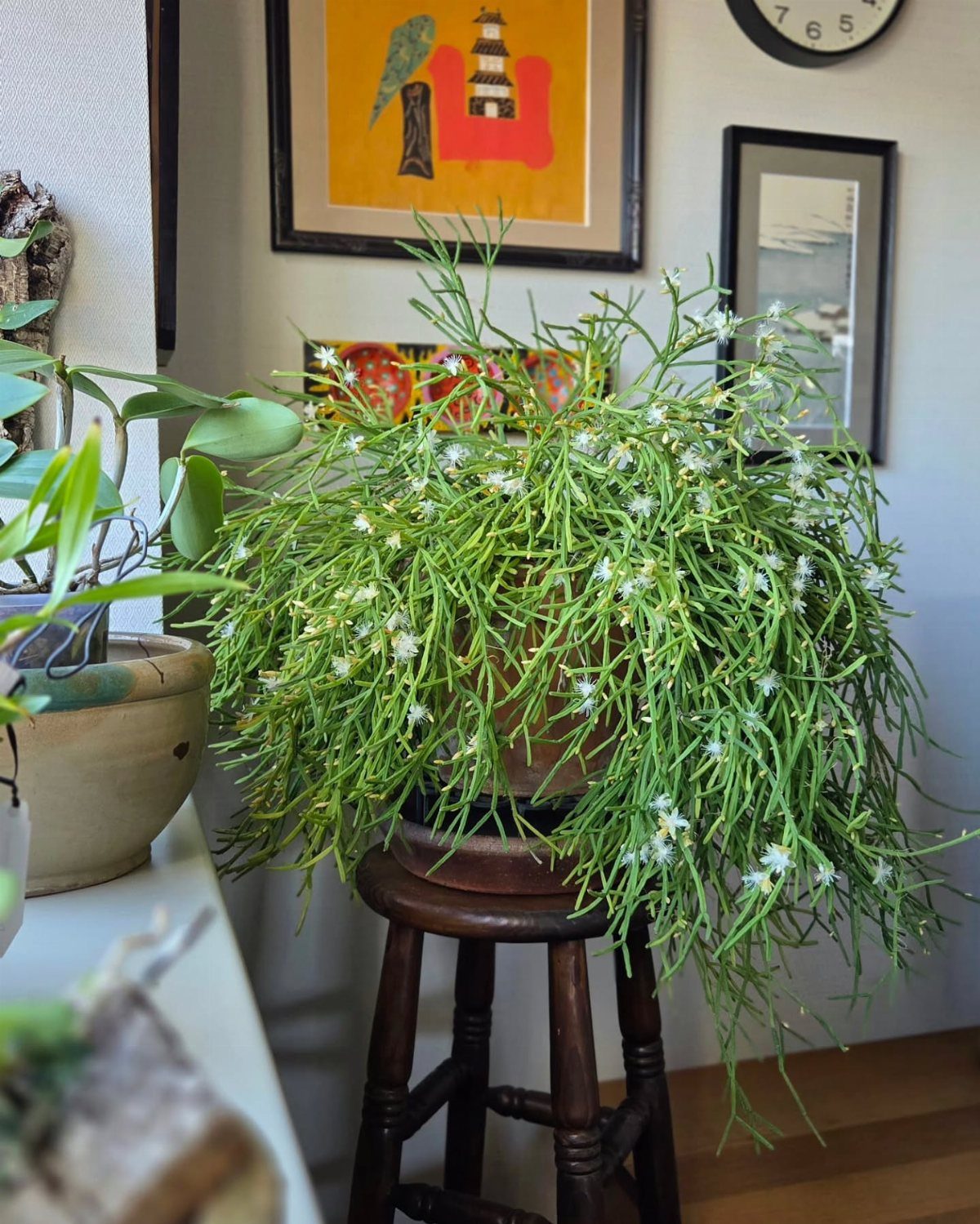
Thin, trailing stems give rhipsalis a softness no other succulent offers. Small white flowers appear when humidity stays steady and light is bright enough to push buds; my own plant rarely manages both at once.
I treat it more like a shade-loving houseplant than a cactus: water before the stems wrinkle, and mist if the air is dry.
A wooden stool or shelf suits it, since the stems hang and tangle attractively without the weight of a burro’s tail.
I would not hang it where people brush past; the stems break cleanly and do not regrow from the tip.
9. Haworthia Cooperi
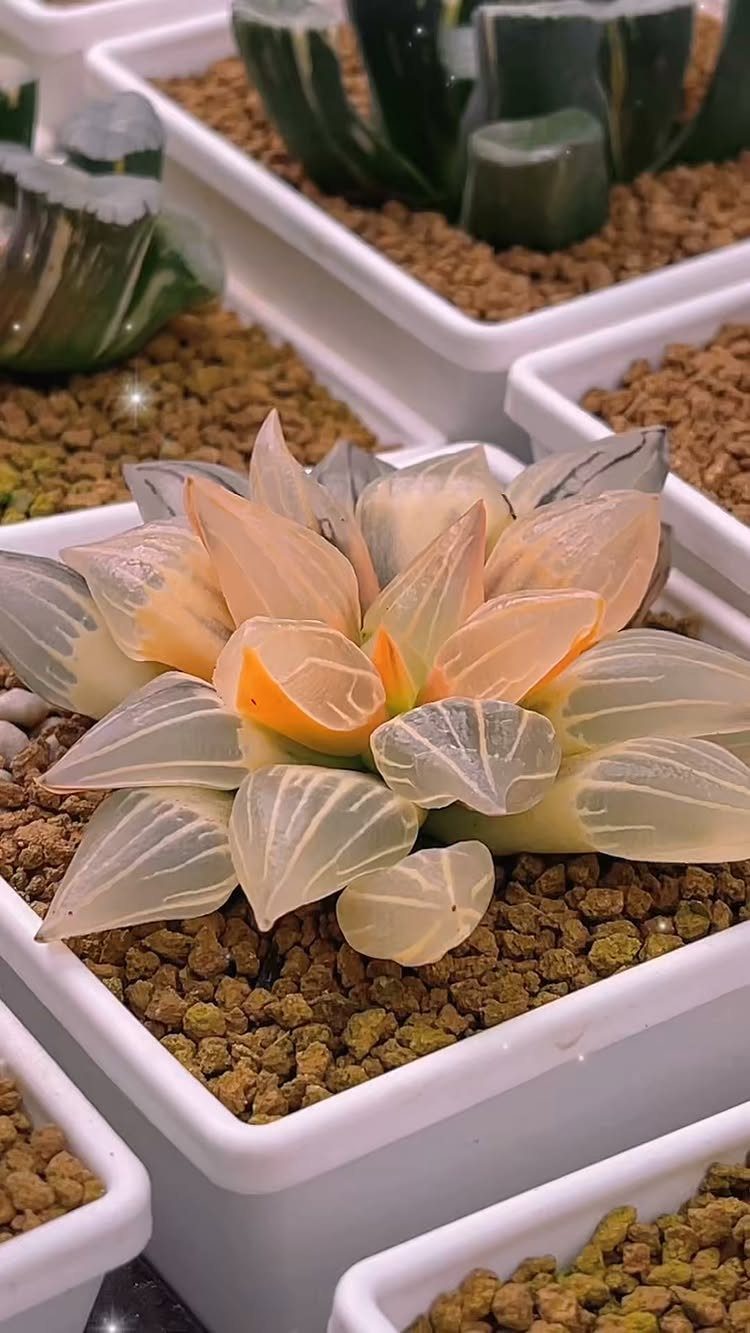
Windowed leaf tips let light into the translucent flesh of haworthia cooperi, a trick that lets it photosynthesize in light too dim for opaque-leaved succulents.
Pale, almost orange stress coloring like this fades to green in deeper shade, though the plant keeps going either way.
A shallow pot with gravel on top keeps the crown dry and stops soil from splashing up against those clear windows, which is how I grow mine too.
Water directly into the grit, not over the leaves. It stays small enough for a windowsill collection and asks for nothing dramatic.
Basic Care for Succulents
Succulents need soil that drains fast. A mix sold for cacti or succulents already has the grit built in; do not pot them in standard potting soil alone.
In low light, the soil stays wet longer, so the gap between waterings stretches. I check the top 2–3 inches with a finger and water only when that depth is dry.
A moisture meter works if you prefer a tool. During the growing season, every other week is a common rhythm for plants in brighter spots; in dimmer corners, the interval widens.
From late fall through winter, cut back to roughly once a month, since most succulents slow or stop growth then.
Never let the pot sit in standing water; root rot sets in fast. Rotate the pot a quarter turn each time you water so growth does not lean and stretch toward the one light source.
Light Requirements
No succulent lives in true darkness. Even the shade-tolerant ones need bright indirect light at minimum to keep their shape and color.
Direct sun is not required and often burns leaves adapted to dimmer conditions. If a plant starts to pale or stretch, the light is too low; move it closer to the source or add supplemental lighting.
I have kept gasteria and haworthia cooperi on desks with only a north window and a lamp, but the growth stays slower and greener than in brighter spots. The difference is acceptable if you prefer the plant compact.
Succulents for low light are often epiphytic, but not always. Keep in mind that any plant needs solar rays for photosynthesis, so there are no succulents for dark rooms without windows.
Temperature and Fertilizer
Most succulents handle the 40–80°F range that indoor spaces already occupy. Avoid placing them where winter drafts blow or radiators bake the air.
Fertilizer is easy to overdo. I feed indoor succulents once in spring, using a diluted cactus fertilizer or skipping it entirely if the plant looks healthy.
Growth in low light is already slow; extra nutrients do not force faster development and can build up salts in the soil. If you do fertilize, halve the strength the label suggests.
Winter dormancy means no feeding at all from late fall through early spring. Let the plant rest.
Frequently Asked Questions
Do cacti need direct sunlight?
Most do not. These succulents handle bright indirect light, and several grow fine in north-facing rooms or dim corners.
Direct sun often burns leaves adapted to shade, and pale or stretched growth means the light is too low, not that direct sun is required.
How long do succulents live indoors?
Years, with the right match of plant to conditions.
Low light slows growth but does not shorten life; a snake plant or zebra cactus stays compact and keeps producing new leaves for years in the same small pot. The main risk is root rot from overwatering, not age.
Are succulents toxic to cats or dogs?
Some are.
I would check a reliable source like the ASPCA database before placing any succulent where a pet chews leaves, since toxicity varies by species. Snake plants, in particular, appear on many toxic-to-pets lists.