
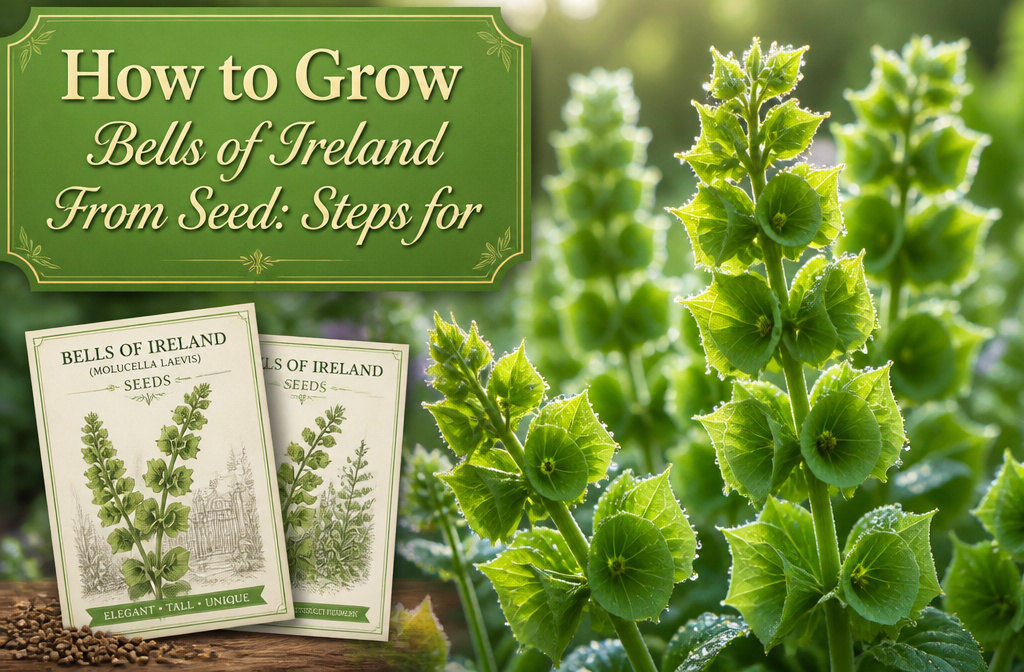
Growing Bells of Ireland from seed to cut-ready stems takes about twelve weeks and a tolerance for fussy germination. Most failures happen at the very start, when gardeners skip the cold stratification these seeds need to break dormancy. Chill them damp at 35 to 40°F for one to two weeks before anything else, or you will wait weeks for sprouts that never come.
1. Chill the Seeds First
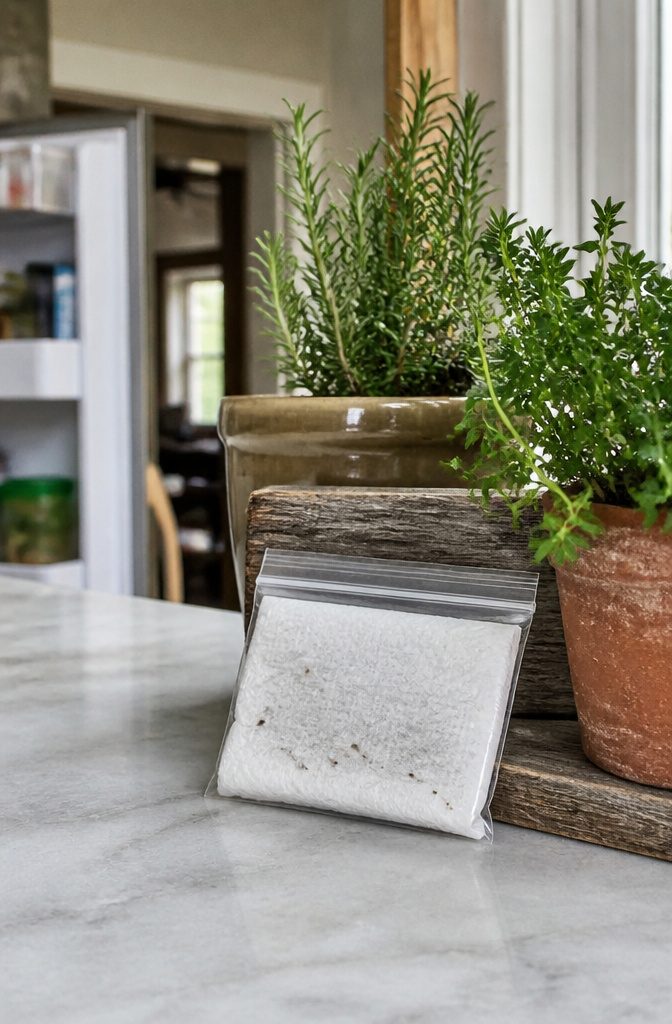
Cold stratification is the first thing to get right when growing bells of Ireland from seed. The seeds need a false winter to break dormancy, and skipping this step is exactly where my first failure happened: I sowed them straight from the packet, waited three weeks, and got nothing but mold. Chill the seeds at 35 to 40°F for one to two weeks by laying them on a damp paper towel, folding it over, and sealing the whole thing in a plastic bag in the refrigerator. Coffee filters work too, but paper towels are what I had on hand. The moisture matters here: dry seeds in the cold germinate worse than ones that have been dampened.
Moist stratification results in a higher germination rate than simply exposing dry seeds to cold temperatures.
That difference between moist and dry chilling is worth the extra thirty seconds it takes to wet the towel. After the two weeks are up, the seeds are ready to sow while they are still fresh from the cold, not after they have warmed on the counter.
2. Soak Before Sowing
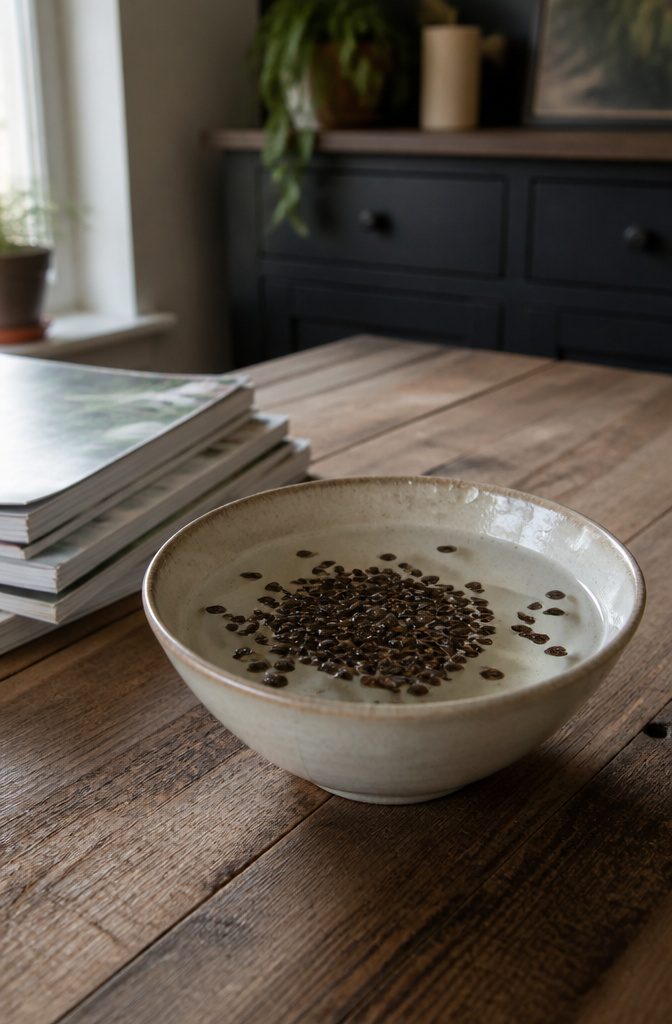
The seed coat on Bells of Ireland is tough enough that water barely gets through without help. After their time in the refrigerator, I drop them into a small bowl of room-temperature water and leave them alone for a day, sometimes two. The seeds will sink once they are fully hydrated, and that is the signal to move on. Until then, they bob at the surface, still dry inside and not ready. I have tried rushing this step with warmer water and ended up with swelling that looked right but germinated poorly, so now I keep it cool and wait the full time. A dark cupboard works fine; no light needed, just patience and a check every few hours to skim off any floaters that never change.
3. Sow Indoors or Direct
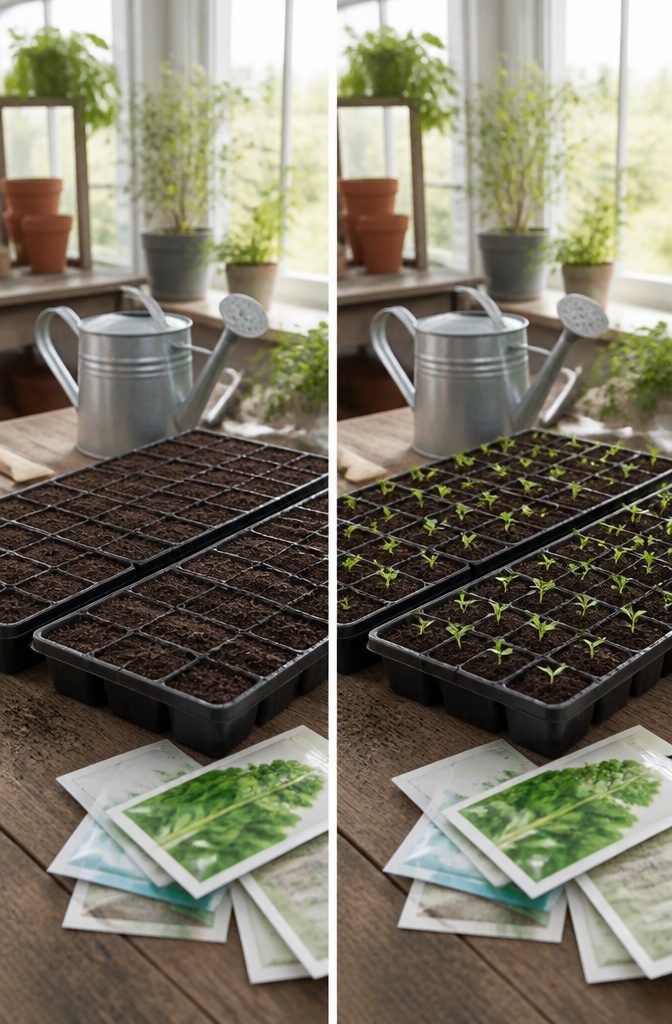
Two paths work for getting Bells of Ireland started, and each has a clear trade-off.
Direct sow in early spring once soil temperatures hit 50–60°F. Plant seeds about ¼ inch deep and water gently to settle them. This method spares the plant any transplant shock, which matters because Bells of Ireland develops a long taproot that resents disturbance.
Starting indoors buys control. Sow 6–8 weeks before your last frost date, still at ¼ inch deep, and keep the potting mix moist with a spray bottle rather than a watering can. Germination runs 12–21 days at 65–68°F, noticeably faster and more reliable than outdoor sowing where temperature swings. The catch comes later: these seedlings need careful hardening off, and even then, moving a taprooted plant invites setback.
I start mine indoors when spring feels too far away to wait, but I have lost seedlings to transplant stress that direct-sown neighbors shrugged off. For a small patio plot where every plant counts, direct sowing removes that gamble entirely. For earlier blooms or a shorter growing season, the indoor route wins if you handle the transition gently.
4. Space Plants 10-12 Inches Apart
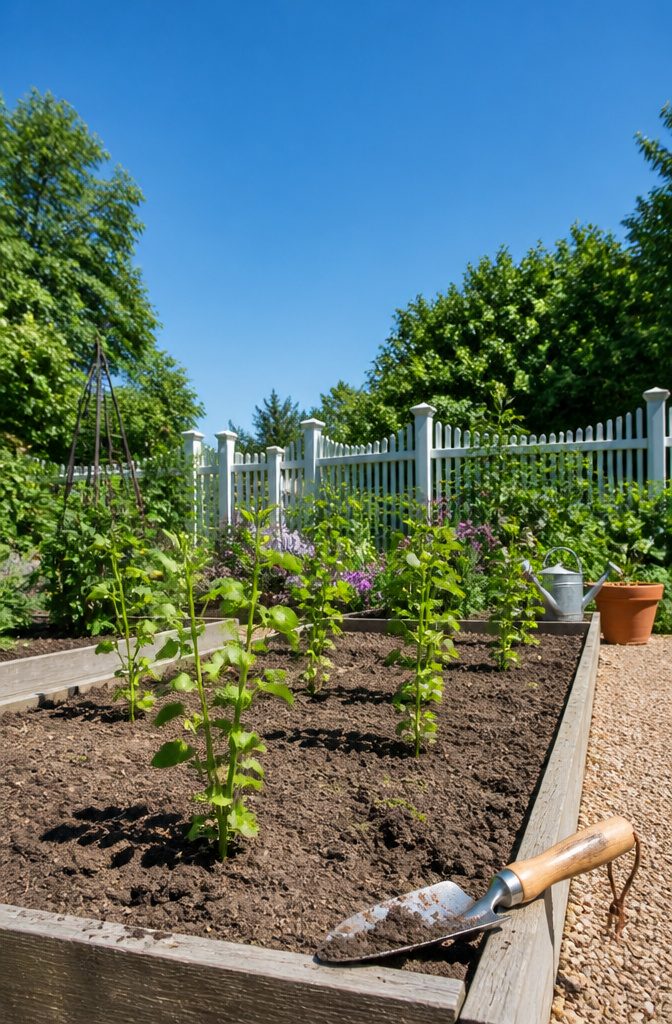
Bells of Ireland reach about 28 inches tall once they settle in, and that height needs room to breathe. Whether you started the seeds indoors or sowed straight into the bed, space the survivors 10 to 12 inches apart when you set them to their final positions. Anything tighter and the stems lean and tangle, fighting for light and air.
I learned the hard way in my second year. I crowded a row, thinking I could squeeze in a few more plants, and by mid-July the lower leaves were speckled with Cercospora leaf spot, a fungal issue that thrives when moisture sits in still air. The spots started small, yellow-rimmed flecks, then spread up the stalks. Picking off affected leaves helped slow it, but the damage was done. Crown rot got one plant at the soil line, and botrytis moved in where the air stayed damp longest. Good spacing would have dried those leaves faster than the fungus could spread.
Thin direct-sown seedlings early, and when you transplant, settle them in morning or evening, water deeply, and give them that full foot of space. The stems stay straighter, the foliage stays cleaner, and you spend less time nursing problems you could have prevented with a tape measure and patience.
5. Keep Soil Moist, Not Wet
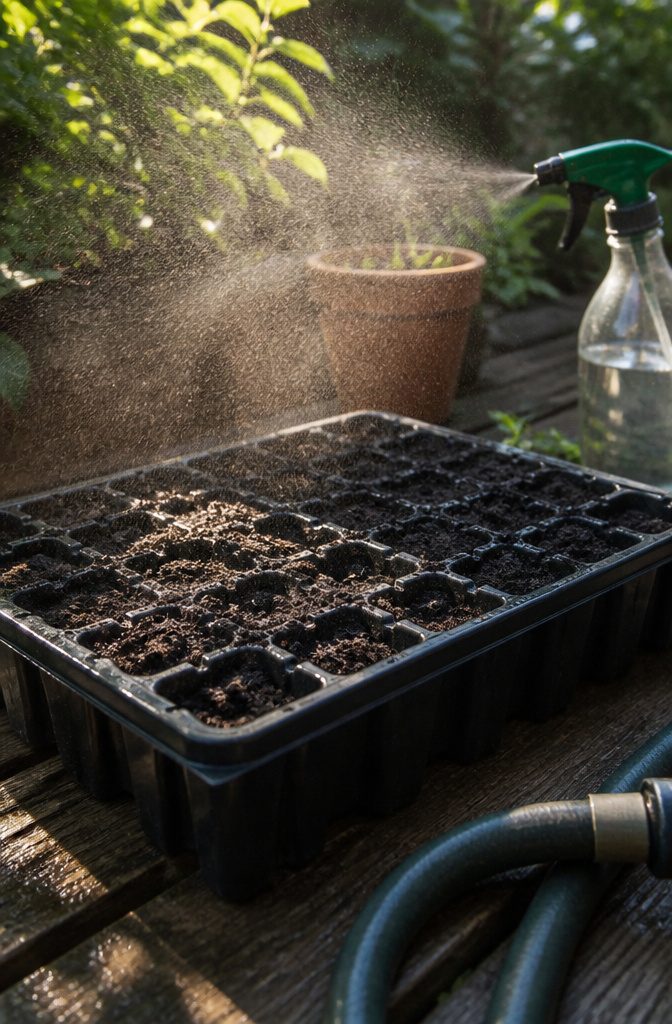
Bells of Ireland seeds need steady moisture from the moment they hit the soil until seedlings break the surface. The first time I grew them, I let the tray dry out for a single afternoon, and germination stalled for nearly a week. That batch taught me the difference between attentive and careless.
About 1 inch of water per week keeps the soil feeling like a wrung-out sponge, damp but never soggy. Bottom watering works best at this stage, sending moisture up through the mix without displacing the light-pressed seeds. A fine mist also does the job if you keep at it. Once seedlings emerge, the same rule holds through the transplant stage. Soaker hoses help outdoors, and a thin layer of mulch keeps evaporation in check without encouraging rot.
6. Harvest at the Right Moment
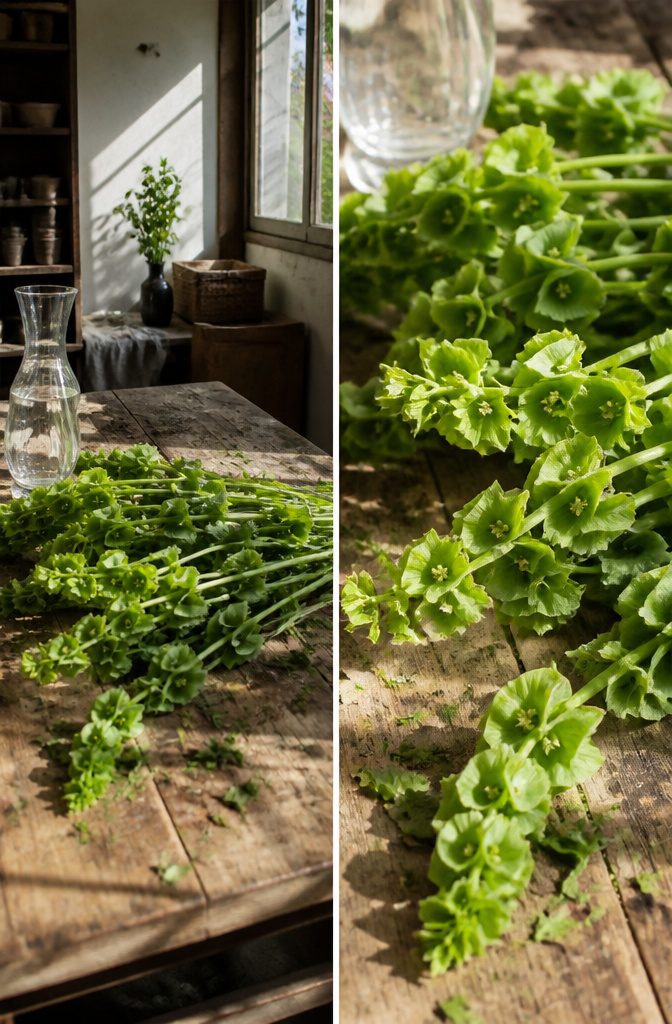
Cut Bells of Ireland when the bells are about half open if you want them fresh in a vase. The stiff green calyxes hold up well, giving you 8 to 10 days of life in water with a preservative and a change of water midway through. For drying, patience pays. Wait until the bells feel firm and fully formed, then cut. The color shifts to tan as they dry, so that bright green you planted for will not survive the process.
Stems need to reach at least 14 inches to bother with at all. Anything shorter is not worth the space. I harvest in early morning, drop bunches immediately into cool water, and strip the lower foliage before banding. Store them upright in a cooler or even a refrigerator set between 36 and 41 degrees if you need to hold them. They will bend on you if you let them flop.
Growing Conditions
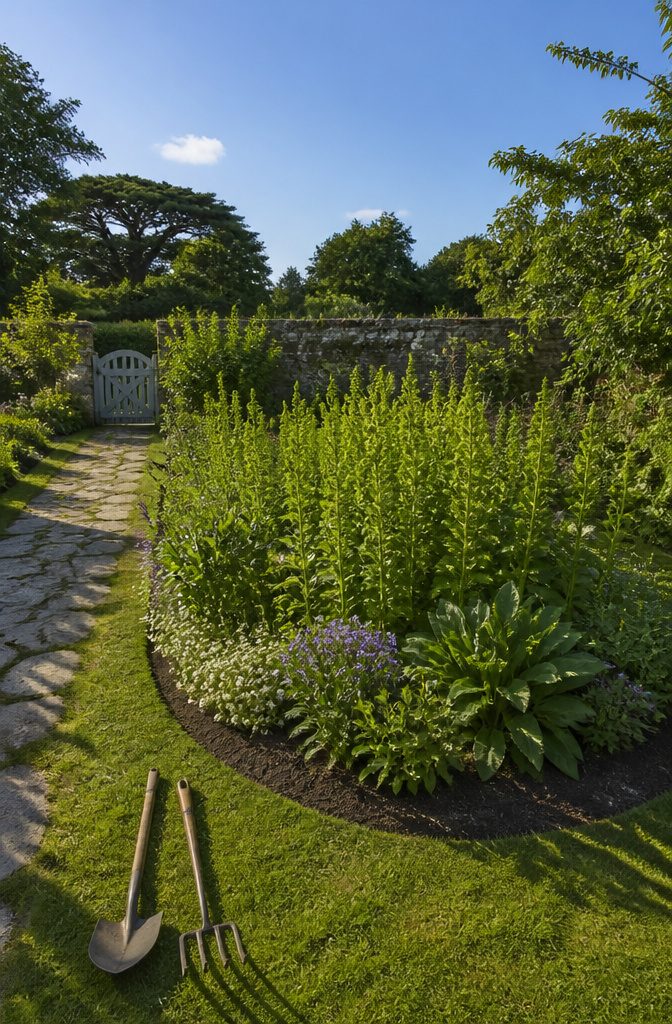
Bells of Ireland ask for well-drained soil with a pH between 6.5 and 7.5. In my own beds, that sweet spot has meant the difference between plants that reach their full height and ones that yellow and stall before midsummer. Full sun suits them best, though if you garden somewhere the afternoon heat climbs past the mid-80s, partial shade will keep them from flagging.
These are cool-season plants at their core, happiest when temperatures sit steady between 60 and 70°F. High humidity paired with real summer heat is where they give up. I have watched promising starts turn brittle and stop growing once muggy weather settled in, and the sources I trust say the same: this is not a plant that pushes through a southern July. Treat it as an early spring annual in hot zones, or time it for the stretch of cool months your region actually offers.
Pests and Problems
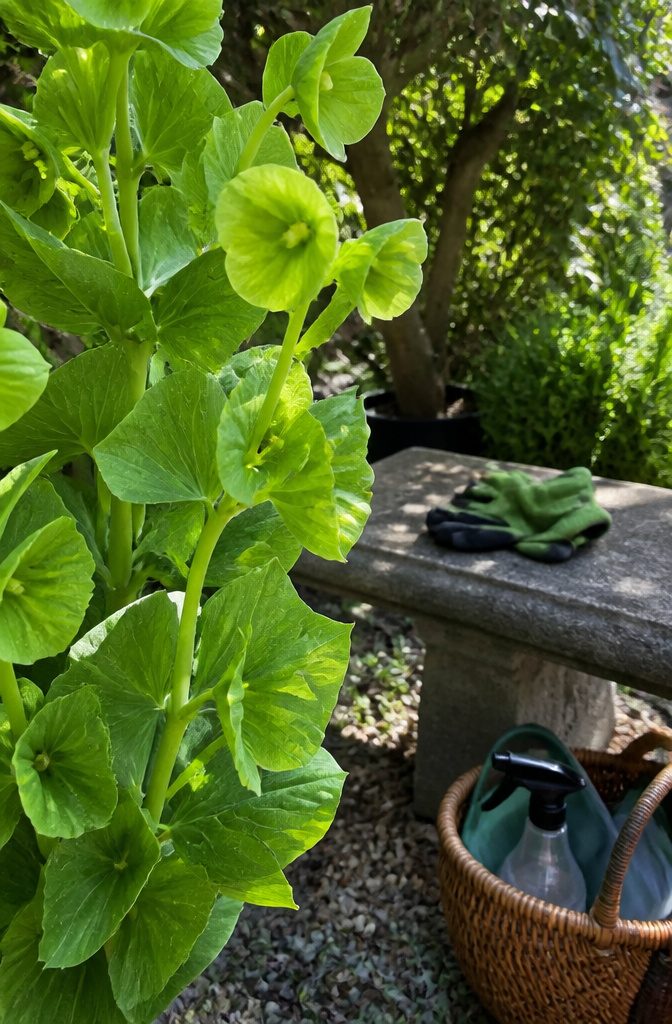
Aphids cluster on new growth the moment a plant softens up, and Bells of Ireland are no exception. I check the undersides of leaves weekly, running my thumb along the tender stems where they like to gather. Cercospora leaf spot shows as brown spots with yellow halos on the foliage, a fungal issue that spreads fast in still air. Good airflow from proper spacing prevents most problems before they start, which is why I resist cramming these plants closer than the ten to twelve inches they need. Crown rot works from the soil line upward, wilting and killing the plant; once it appears, the only move is pulling and discarding the whole thing. Botrytis threatens young plants in particular, so that same spacing serves double duty, keeping moisture from lingering in dense growth.
Self-Seeding and Saving
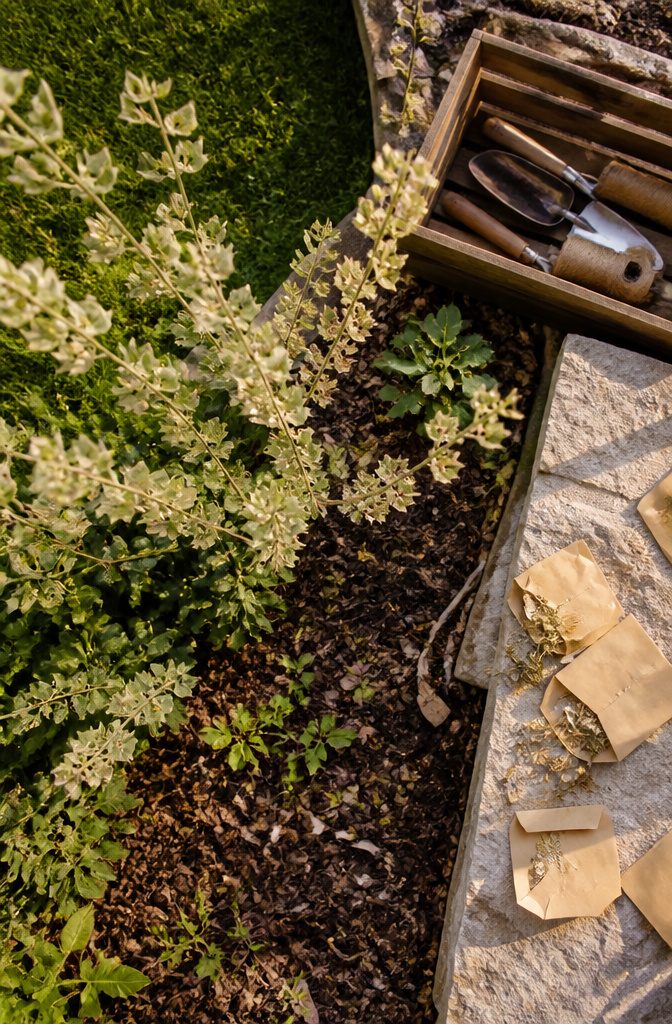
Bells of Ireland will drop seed and come back on their own if you leave the old plants standing through fall. I have let mine go to seed in a corner of the bed where I did not mind a little chaos, and by late April there were volunteers poking through the mulch. The catch is placement; the next generation lands where it lands, not where you would have put it.
Saving seed yourself takes more patience. Let the heads dry on the plant until they turn brown and rattle, which in my zone means waiting well into October some years. Collect them into paper envelopes, label with the date, and store somewhere cool and dry. A shoebox in the basement works. The seed stays viable for a couple of years, though germination drops off after that.
Direct Sowing vs. Starting Indoors
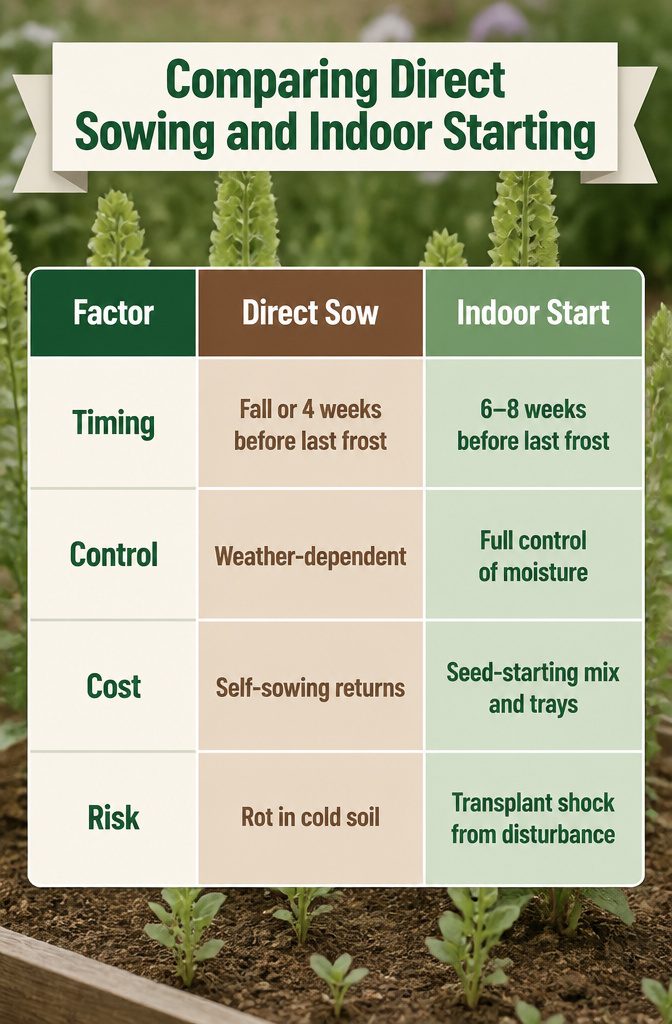
Bells of Ireland give you two paths, and each has a catch. Starting indoors buys you four to six weeks of early growth and lets you control moisture and temperature through germination. The catch is the taproot. Disturb it during transplanting and the plant sulks or bolts. Direct sowing skips that risk entirely, letting the root drive straight down undisturbed, and fall sowing gives you natural cold stratification as the freeze-thaw cycles crack the tough seed coat. Self-sowing plants will keep returning on their own, so one packet can become a recurring stand.
| Factor | Direct Sow | Indoor Start |
|---|---|---|
| Timing | Fall (Sept–Oct) or 4 weeks before last frost; 7–14 days to emerge | 6–8 weeks before last frost; 12–21 days to sprout |
| Control | Weather-dependent; use drip irrigation to avoid displacing seed | Full control of moisture, light, temperature |
| Cost | One purchase; self-sowing returns free plants year after year | Seed-starting mix, trays, lights, then biodegradable 3-inch pots to limit root disturbance |
| Risk | Rot in cold wet soil; birds or washout | Transplant shock from taproot disturbance; leggy seedlings without enough light |
I tried both my first year. The indoor batch looked promising until half stalled after transplanting. The direct-sown row was slower to show green but caught up and outlasted them. Now I direct sow in fall where winters are mild, and only start a small indoor batch if I need stems for a June event.
Frequently Asked Questions
Are Bells of Ireland difficult to grow?
Bells of Ireland are not hard to grow, but they are slower to start than many other annuals. Germination typically takes 12 to 21 days indoors at 65–68°F, and the seeds need cold stratification and soaking before sowing. Once established, they mostly need well-drained soil, steady moisture, and room to breathe.
Where will Bells of Ireland grow best?
They grow best in a dry, temperate climate with full sun and well-drained soil at a pH between 6.5 and 7.5. Afternoon shade helps where summer heat pushes past the mid-80s. High humidity paired with real heat is where they struggle most.
How do I encourage Bells of Ireland to bloom?
Give them full morning sun, plant in well-drained soil, and keep temperatures steady between 60 and 70°F. Space plants 10 to 12 inches apart so air moves freely and stems stay upright. In hot zones, treat them as an early spring annual rather than pushing them through summer.






