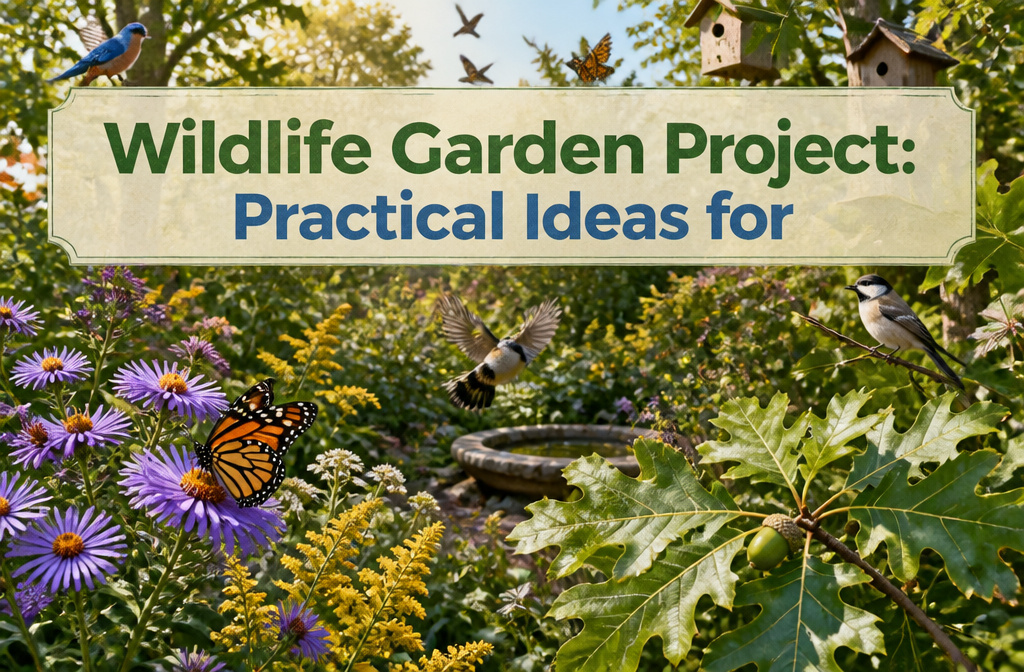
A wildlife garden project is a deliberate redesign of your yard to feed and shelter local animals, but it only works if you stop doing most of what conventional gardening recommends. The native oaks and asters you plant must come from your actual zip code, not just your state, or the caterpillars and bees they are supposed to support will ignore them entirely. Doug Tallamy’s research found a single native oak supports over 500 caterpillar species, while a non-native ginkgo supports fewer than five.
1. Create a Wildlife Pond
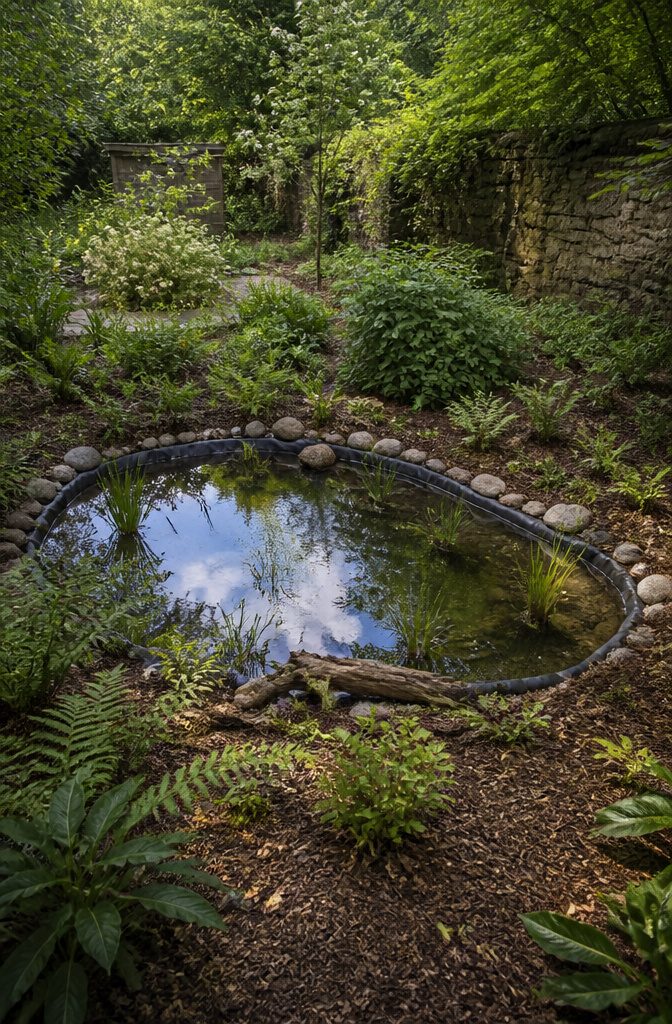
A wildlife pond starts with a hole and a plan for who gets out of it. 18 to 24 inches deep in at least one spot gives frogs and newts the stable, unfrozen water they need to survive winter at the bottom. The sides should slope gradually so anything that falls in can climb back out, hedgehogs included.
I prefer a butyl liner over a preformed shell. The shell locks you into one shape and depth; the butyl lets you sculpt those sloping edges and vary the bottom contour as you dig. One puncture from a sharp stone ruins either one, so clearing the hole of debris comes first.
Leave the fish out. They look peaceful, but they will clear your pond of tadpoles and insect larvae faster than you will notice they are gone. A pond without fish fills itself with frogs, newts, dragonflies, and damselflies within a season or two. Oxygenating plants keep the water healthy without any pump or filter. If you spot frogspawn, leave it where it is. Moving it between ponds spreads disease, and the frogs found your water for a reason.
2. Plant Native Wildflowers
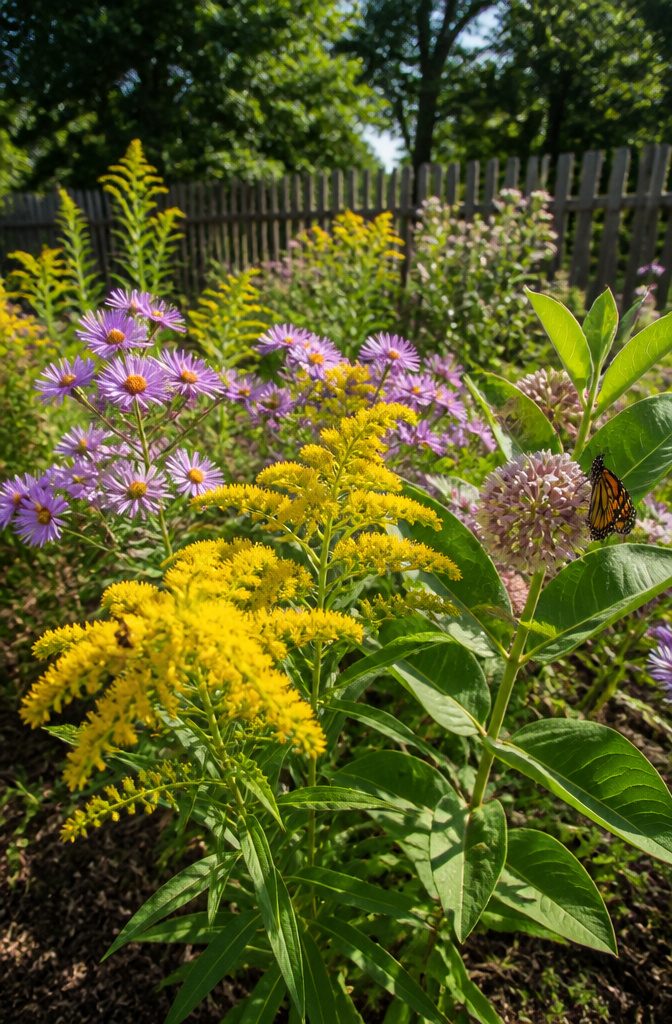
Native wildflowers do not mean "from somewhere in your state." They mean co-evolved with the insects in your actual zip code, blooming when those pollinators need them and producing nectar those bodies can process. I learned this the hard way after planting what the tag called a native aster that turned out to be native three hundred miles east of me. The local bees ignored it for two seasons.
Milkweed belongs in almost every American wildlife garden project for one reason: monarch caterpillars eat nothing else. Asters matter for a different timeline, feeding migrating monarchs and late-season bees when most summer blooms have finished. Goldenrod serves a similar slot, and it deserves a spot that might otherwise go to purple loosestrife, which spreads aggressively and chokes out the forage insects actually need.
Together, our gardens are a vast living landscape… if we manage our gardens to benefit wildlife, these creatures and many more will find refuge.
That refuge starts with checking your zip code against a local native plant society list rather than trusting a nursery tag. The gap between "native to North America" and "native to where you stand" is where well-meaning gardens fail.
3. Build a Hedgehog Home
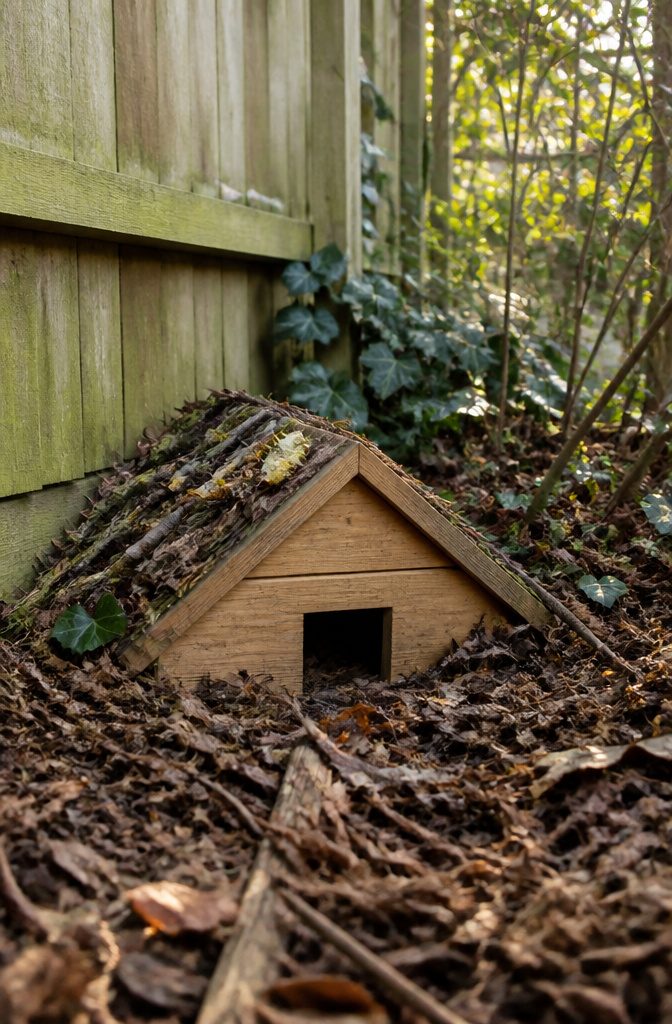
A hedgehog house is a simple build, but the fence passage matters more than the shelter itself. A hole 13 cm by 13 cm, about 5 inches square, cut at ground level in a solid fence panel, lets small mammals move between properties to find food and mates. Without that corridor, even the nicest house sits on an island.
Hedgehogs are not native to most of the US, so the same logic applies differently by region. In the Southeast, box turtles roam farther than most people realize; a gap that size, cleared of mulch or edging, lets them pass between yards. In drier western states, ground-nesting birds like California quail need ground-level access through barriers that would otherwise strand them. The measurement stays the same; the animal changes.
I have stacked small branches and twigs into loose piles against a back fence, leftover from pruning, and those informal shelters see more use than anything I have ever bought assembled. A proper hedgehog house, roofed and vented, works fine if you want one. The branches work better if you have the space and do not mind the untidiness. Either way, the fence hole is the part that actually changes who lives in your yard.
4. Install Bird Feeders and Baths
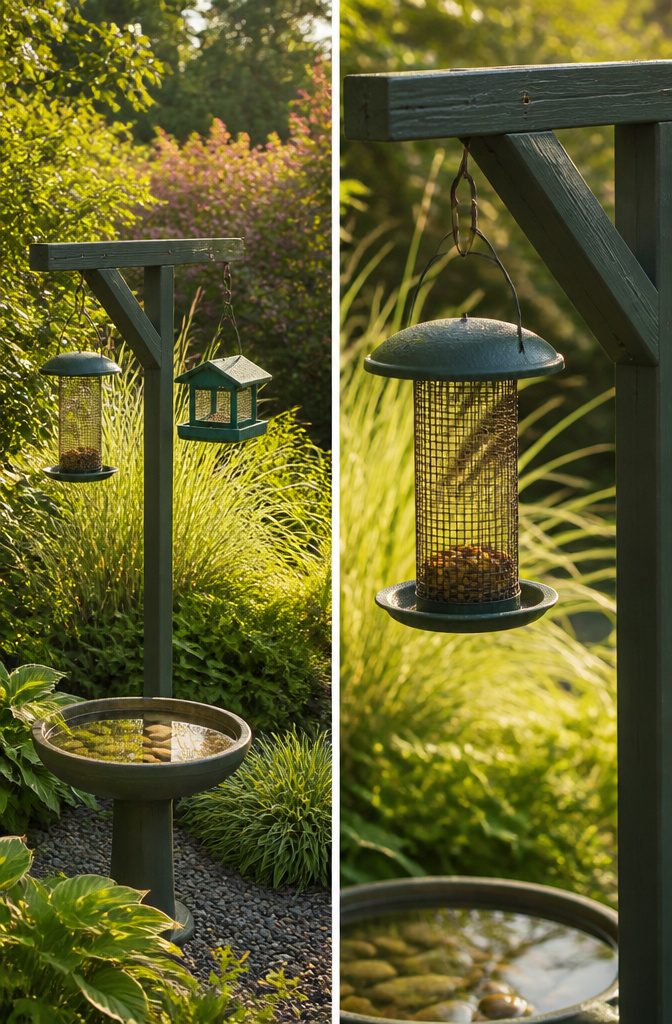
The first bird feeder I hung went on a branch that seemed perfect from my kitchen window, but the neighbor’s cat turned it into a hunting blind. Now I place every feeder roughly six feet from dense cover, close enough that a sparrow can bolt to safety, far enough that a stalking cat has no place to crouch and spring. That gap matters more than the view from the house.
Water draws more birds when it moves. A simple solar fountain or even a drip from an elevated bucket pulls in species that ignore still baths entirely. Whatever basin you use, keep it shallow and line the bottom with flat stones so birds can stand while they drink instead of paddling. Two inches of water is plenty; anything deeper leaves small birds struggling.
Disease spreads fast at crowded feeders. Once a month, take them down, scrub with hot water and a mild disinfectant, and let them dry completely before refilling. I do this on the first Sunday, which means I actually do it instead of meaning to. Rotating feeder locations every few weeks also keeps waste and droppings from building up in one patch of ground, which cuts down on contamination before it starts.
5. Create a Bug Hotel
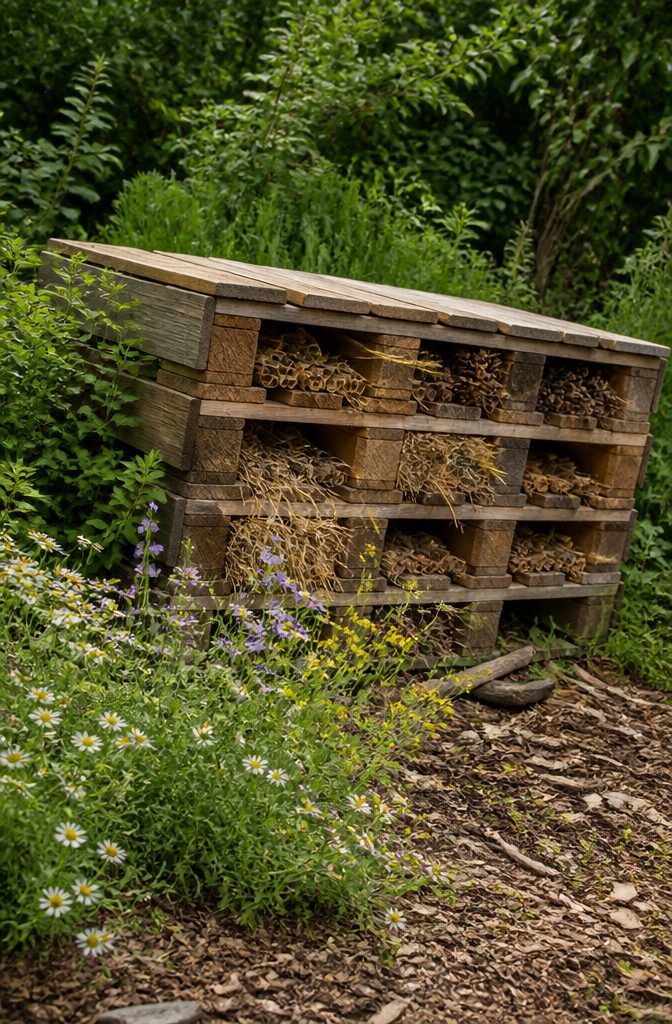
A bug hotel can be as simple as a bundle of hollow wooden canes or cardboard tubes tied with twine and tucked against a wall. That version costs nothing and takes five minutes, but it will soften and fall apart within a season or two. For something that lasts, stack pallets and fill the gaps with straw, bark, and pine cones, or drill hardwood blocks with holes ranging from 2 to 10 mm across to suit different species.
Angle the hotel slightly downward so rain runs out of the tubes instead of pooling inside. Partial sun works best, full shade stays too damp and full sun overheats the occupants. The guests you are actually targeting are solitary bees, lacewings, and the beetles that overwinter in garden debris, not the social bees that already have their own plans. A quiet corner out of the wind keeps the structure intact and the residents undisturbed.
6. Leave Areas of Long Grass
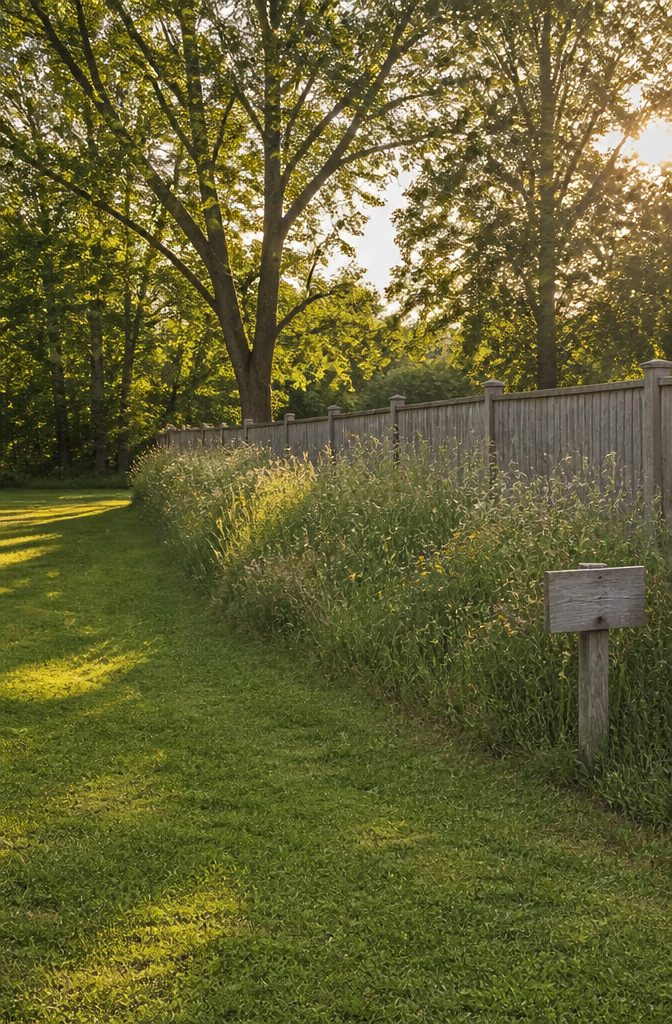
I stopped mowing a strip along my back fence three years ago, about three feet by ten, and the change in insect traffic was visible by the second summer. Grasses I never planted, foxtail and crabgrass and a few I still cannot name, moved in on their own. Then came the clover and the wild carrot. Now, in late July, the stems lean against the fence boards and the seed heads dry to a pale gold.
Long grass gives cover to voles that dart along the base of the fence line, and where voles run, owls hunt. I have watched a barred owl drop onto that strip at dusk more than once. The same tangle of stems holds eggs for butterflies and moths, laid on the undersides of blades where the mower never reaches anymore. A strip as small as 3 by 10 feet brings a measurable jump in insect numbers.
The work is minimal. I cut it down once in autumn, again in spring, and compost the clippings to keep nutrients from building back up. Over time, more wildflowers seed themselves in. The rest of the lawn stays tidy; this one ragged edge does the work.
7. Use Dead Wood in the Garden
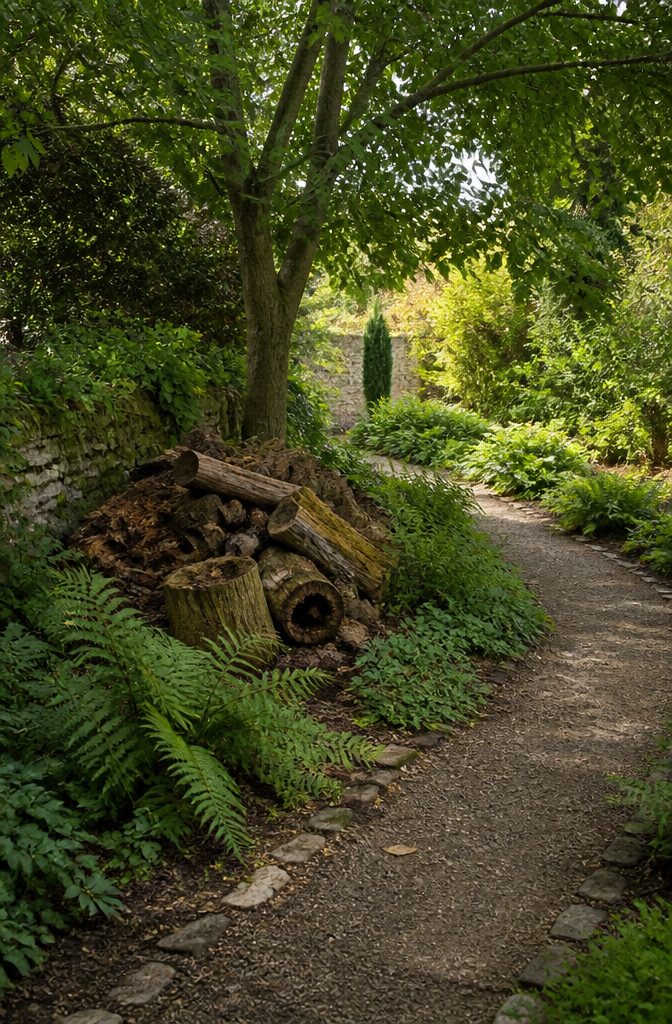
A standing dead tree left in place can anchor a whole food web. I learned this the hard way after cutting down a dying maple before I understood what I was removing. The trunk that remains, or a fallen log dragged to a shady corner, begins breaking down within months. Fungi colonize the sapwood first, then beetle larvae tunnel in, and the birds that hunt those grubs arrive soon after. A woodpecker working a dead limb is not random luck; it is the visible result of that decay chain.
A simple pile of logs in shade does the same work on a smaller scale. Softwoods like pine rot faster than hardwoods like oak, so mixing species staggers the decay. One log becomes crumbly and soil-like while another still holds solid galleries of insects. That overlap matters because the birds and other predators need the resource to last, not peak and collapse all at once. Stack the wood against a fence or tuck it behind a shrub where it stays damp, then let it sit. Clearing it away would undo what you built.
8. Grow Bird Seed-Producing Plants
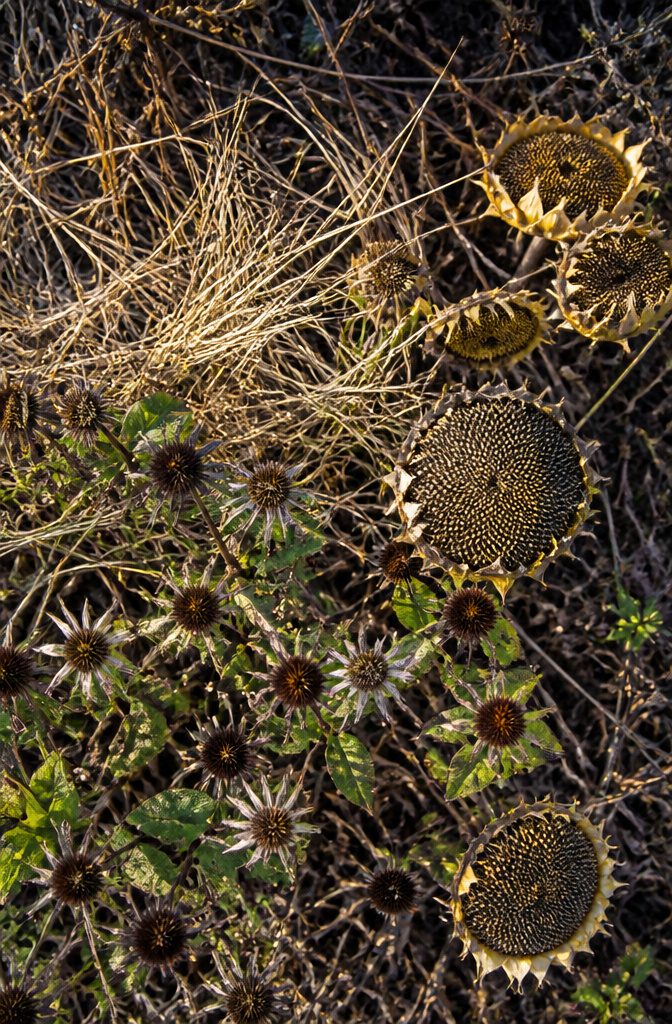
Standing seedheads turn a winter garden into a pantry for birds when other food runs scarce. Goldfinches, juncos, and sparrows all feed on the dried remains of plants left upright through the cold months.
Coneflowers and sunflowers are the easiest starting points. Their large, stiff heads hold seed well past the first frosts, and finches will cling to them for weeks. Millet planted in a back corner does the same work on a smaller scale. For something more structural, little bluestem and other native grasses carry seed high enough that snow rarely buries it completely.
The only real shift in habit is skipping the fall cleanup. Deadheading in autumn removes the food source these birds depend on. Leave stems standing until late winter or even early spring, letting the seed fall naturally or get picked clean. The stems themselves become shelter from wind, so the garden serves two purposes at once.
A feeder supplements this, but it does not replace it. The diversity of seed types from different plants matches what these birds would find across a wider landscape, and the cover of standing growth keeps them safer from hawks while they eat.
9. Incorporate Fruiting Trees and Shrubs
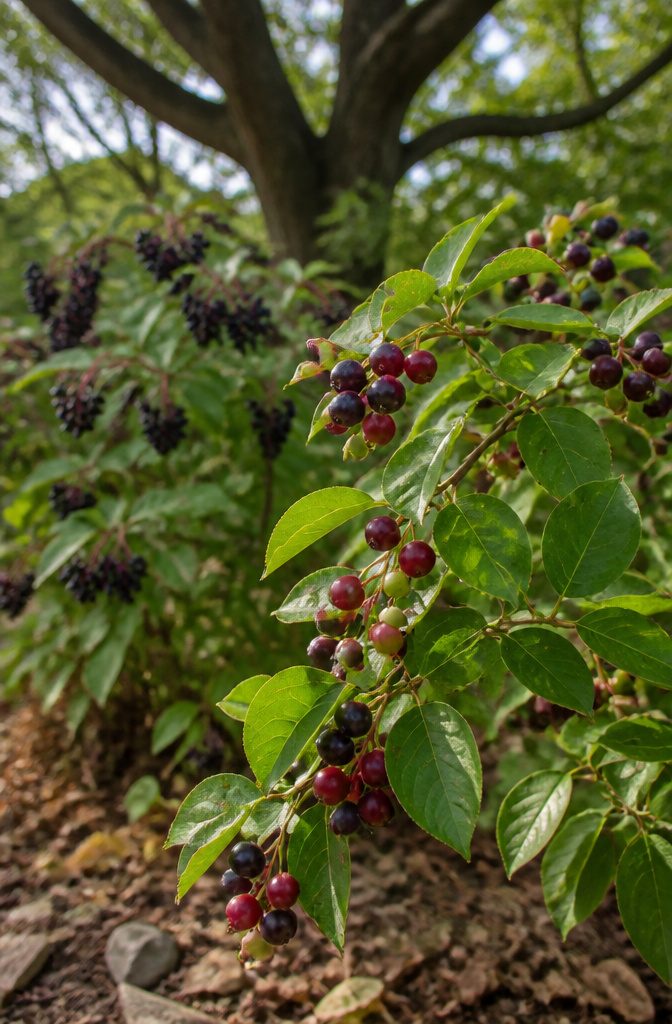
Berry-producing trees and shrubs form the backbone of a year-round wildlife garden project. Serviceberry ripens in June, drawing thrushes and cedar waxwings just as nesting season peaks. Elderberry follows in July, and its dense clusters feed everything from catbirds to foxes. Dogwood drupes mature through fall, while crabapples that cling to branches into January sustain birds when little else remains.
I learned the hard way that native species outperform cultivars bred for larger fruit. A row of improved serviceberries in my side yard produced plump, eye-catching berries that sat untouched. The fruit had been selected for size and sweetness at the cost of fat and protein content. Wildlife ignored them in favor of a scraggly wild specimen three houses down. The native plant’s smaller berries carried the nutrition birds actually needed to survive migration and winter stress.
Replacing those cultivars with straight species took two seasons. The difference was immediate. Now my yard holds birds from first frost through the January thaw, not just during the easy months when insects are plentiful.
10. Avoid Pesticides
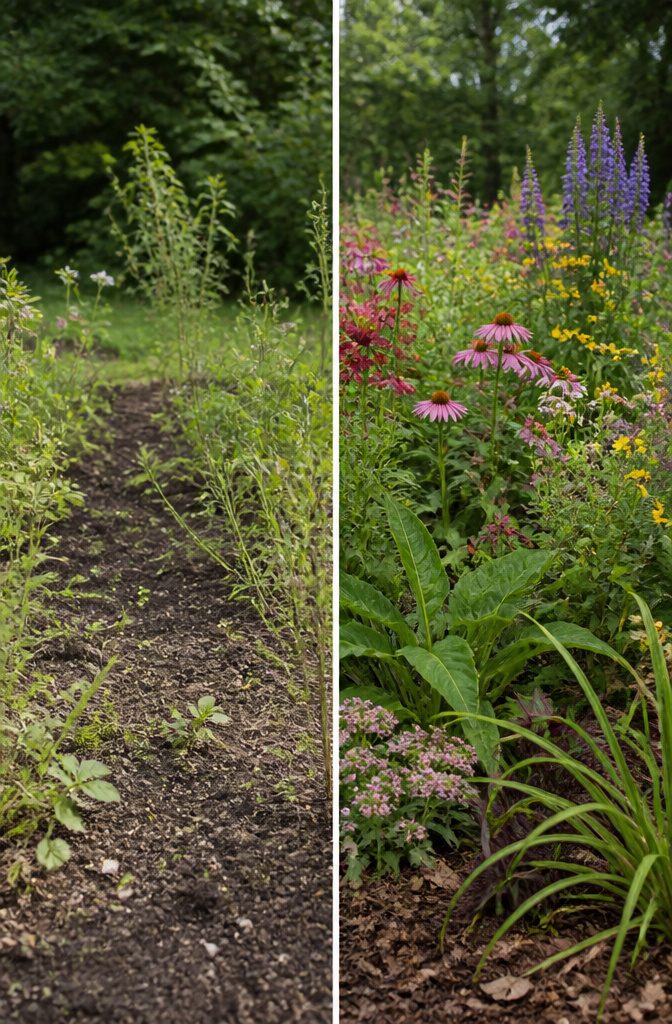
A wildlife garden project lives or dies on the insects you never see. Pesticides wipe out the caterpillars, beetles, and spiders that parent birds haul back to the nest by the hundreds each day. A yard sprayed clean is a yard where chicks starve.
I stopped spraying five years ago. The aphids came, then the ladybugs followed, then the wrens. Now I pick Japanese beetles off roses by hand at dawn, drop them in soapy water, and call it done. Row covers over the broccoli keep cabbage worms off without killing anything. Some leaves get holes. The plants don’t care, and neither do I.
Even neem oil damages pollinators if you hit open flowers or spray on a warm morning when bees are active. "Organic" on the label does not mean harmless. It means derived from a plant before it still kills insects.
11. Create a Wildflower Meadow
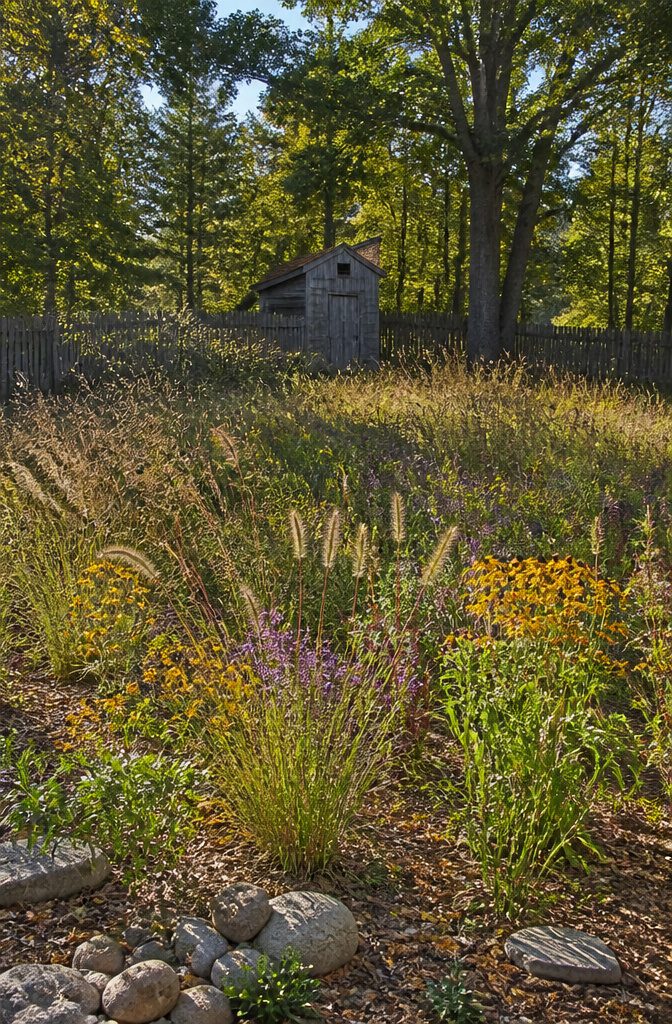
The easiest wildlife garden project I know is letting a patch of lawn stop being lawn. Two years ago I marked off a corner behind my shed, about eight by ten feet, and simply stopped running the mower over it. That first season it looked rough. Crabgrass took over by July, and a neighbor asked if my string trimmer was broken. I told her I was growing a meadow, which felt absurd while staring at a mess of foxtail and dandelion.
By the second spring, things shifted. Seeds that had sat in the soil for years, maybe decades, began germinating. I spotted black-eyed Susan and little bluestem grass poking through the thatch. Stopping the mower is the whole method, but the patience pays off slowly. The grasses need time to outcompete the annual weeds, and the perennials need two or three years before they flower with any density.
You can speed this up by scattering a regional native seed mix in late fall after a hard raking. I have not bothered, mostly because the seedbank approach costs nothing and I am cheap. Either way, the meadow needs one cut in autumn and another in early spring, with clippings removed to keep fertility low. Rich soil favors grass over wildflowers, so the stripping helps tilt things toward diversity.
12. Install Swift Bricks for Nesting
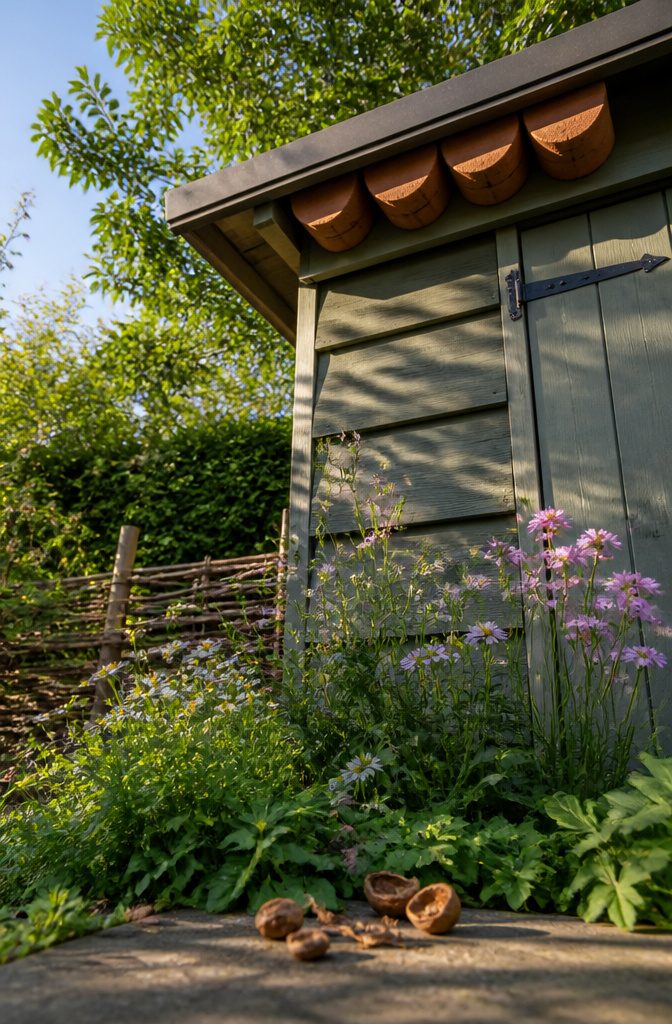
Chimney swifts and barn swallows are in steep decline across North America, largely because modern homeowners cap chimneys and old barns come down faster than new ones go up. Both birds are aerial insectivores, meaning they eat only on the wing, so every pesticide-free garden helps but only goes so far without a place to nest.
For chimney swifts, the practical choice is between installing a standalone chimney swift tower or leaving one existing chimney uncapped. A tower runs about fifteen to twenty feet tall, built from plans freely available through conservation groups, and needs open lawn or pasture around it so the birds can drop into flight at dawn. An uncapped chimney is simpler if you have one, though you will hear the birds chatter at dusk and need to clean the flue each fall after they migrate.
Barn swallows prefer cup-shaped mud nests under solid shelter. Placing an artificial nest cup under an eave or inside an open shed gives them a head start, since mud gathering takes energy they would rather spend on eggs. Position it at least eight feet above ground with clear approach space below.
Either option pairs directly with skipping pesticides. These birds eat hundreds of insects daily, and poisoned prey is one reason their numbers keep falling.
13. Leave Fallen Leaves on the Ground
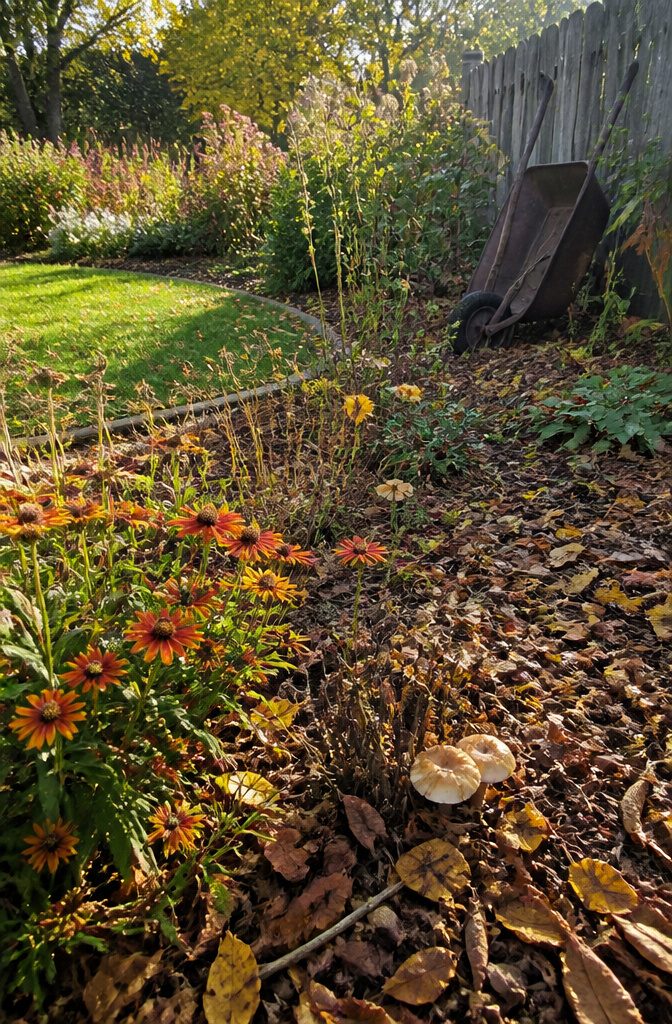
Leaf litter is the single most useful thing you can leave in place for a wildlife garden project. The layer of fallen leaves shelters overwintering butterflies, moth pupae, and native bees that would otherwise have nowhere to go. Birds pick through it for insects, and toads nestle underneath. Fungi break the leaves down and feed the soil in return.
I rake paths and lawn areas clear because packed leaves will smother grass over winter. In planting beds and borders, though, the leaves stay exactly where they fell. Whole leaves in beds, shredded only where grass grows is the rule I follow. If a bed has built up more than a few inches, the excess gets run over with a mower before it goes to the compost, but I never shred the material meant to stay put. The butterflies and bees need those intact nooks and pockets.
14. Use Spiky Shrubs for Shelter
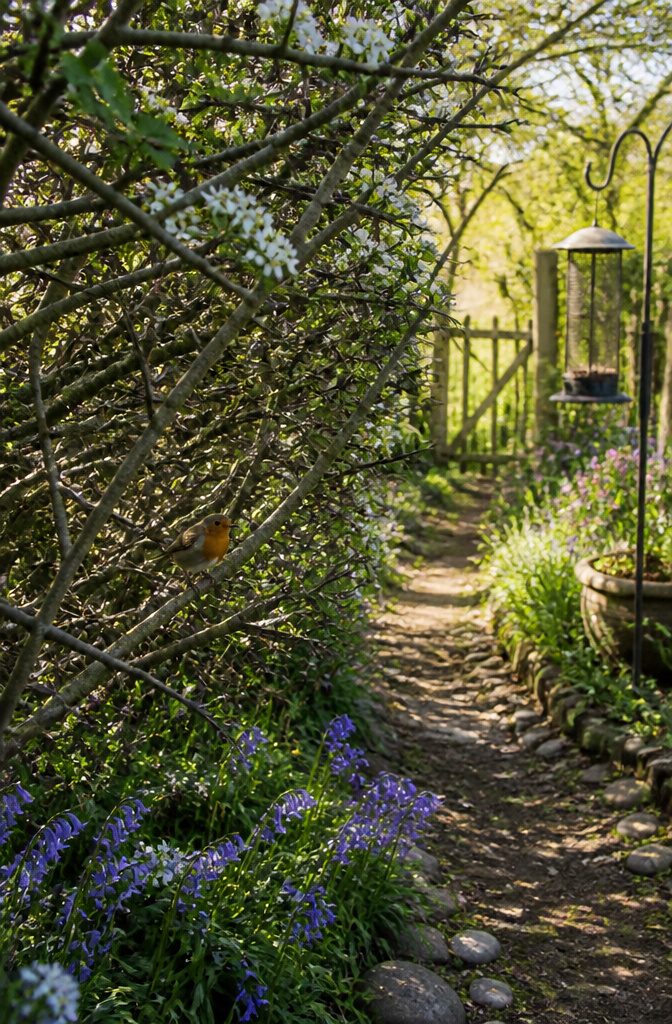
Small birds need somewhere to vanish when a hawk drops in, and spiky shrubs do that job better than anything I have planted. Hawthorn, blackthorn, and pyracantha grow thick enough that a chickadee can thread the thorns at speed while a pursuing predator gets hung up. I used to resent the same shrubs for the scratches they gave me at pruning time; now I leave them shaggy and plant them deliberately near feeders so birds can dart from seed to cover in one motion.
Barberry works the same way, but stick to native cultivars. The invasive Japanese types carry a fungal disease that spreads to deer through tick populations, and several states now ban them outright. Native roses such as Rosa carolina or Rosa virginiana give you the same dense, thorny architecture without the ecological downside. Place any of these within ten feet of a feeder station and you will see more birds staying longer, because they no longer have to cross open ground to eat.
15. Foster a Woodland Carpet
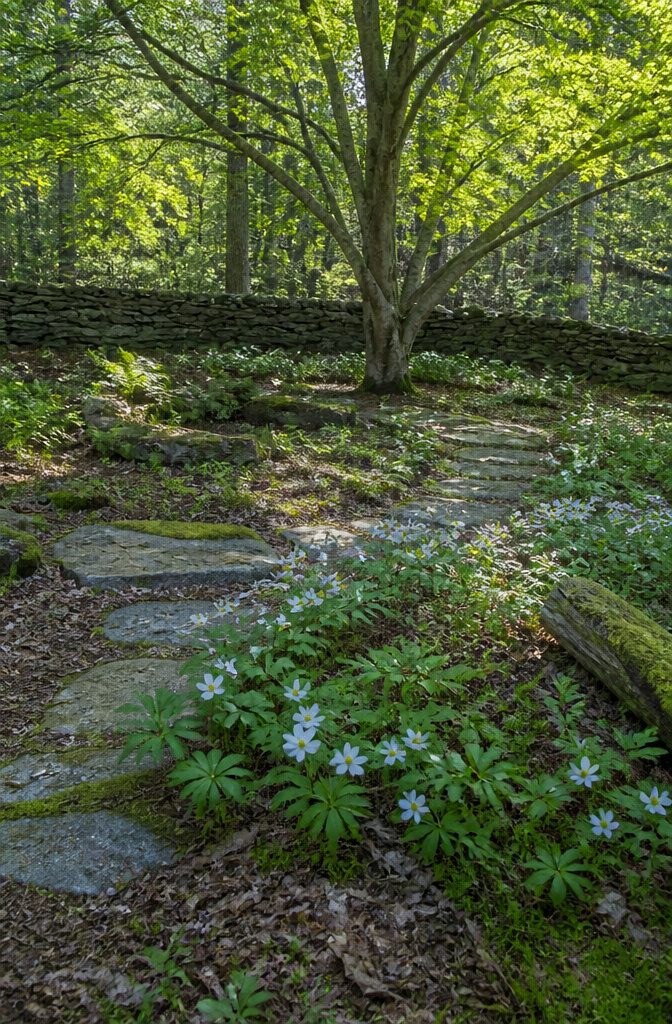
Spring ephemerals live their entire above-ground life in the narrow window before trees leaf out. Under a single mature maple or oak, even one tucked into a city lot, bloodroot opens white petals against last fall’s leaf litter while nights still frost. Trillium follows, then wild ginger with its dark, hidden flowers. These plants ask for little: the dappled light that reaches through bare branches, the leaf mold already falling. Early pollinators arrive hungry, and this is the meal waiting for them. The layered structure builds itself if you let it: canopy overhead, ephemeral layer below, then the ground itself. I plant them in autumn, setting bare rhizomes into loosened soil while the tree above is still full of color. Give them leaf cover, not bare mulch, and they spread slowly into colonies that outlast any perennial border.
Why Native Plants Feed the Food Web
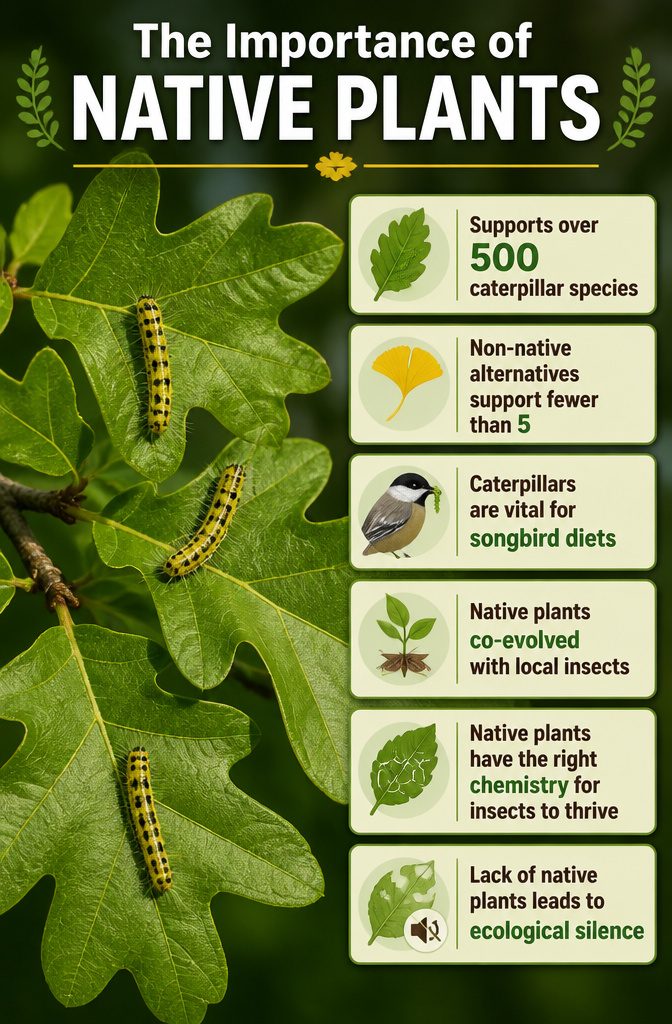
Last spring I watched a chickadee work a white oak in my neighbor’s yard for fifteen minutes straight, pulling caterpillar after caterpillar from the folded leaves. The same week, a ginkgo on the other side of the street, planted because its fan leaves are pretty, sat completely untouched. That difference is what turned me from a casual birdwatcher into a native plant convert.
Doug Tallamy’s research at the University of Delaware put hard numbers to what gardeners notice informally. A native oak supports over 500 species of caterpillar; a non-native ginkgo supports fewer than five. Those caterpillars are not pests. They are the primary food source for nearly all North American songbirds, which need thousands of them to raise a single clutch of young.
The chemistry explains it. Native plants and native insects co-evolved for millennia. A white oak’s leaves contain the exact compounds that allow specialist caterpillars to digest them. Exotic plants often lack these chemical signals or produce defensive compounds the insects cannot process. The result is ecological silence: green leaves with nothing eating them, and therefore no food moving up the chain to the birds you want at your feeder.
Planting native is not about aesthetics or virtue signaling. It is about whether the wildlife you attract can actually eat.
Water Through the Seasons
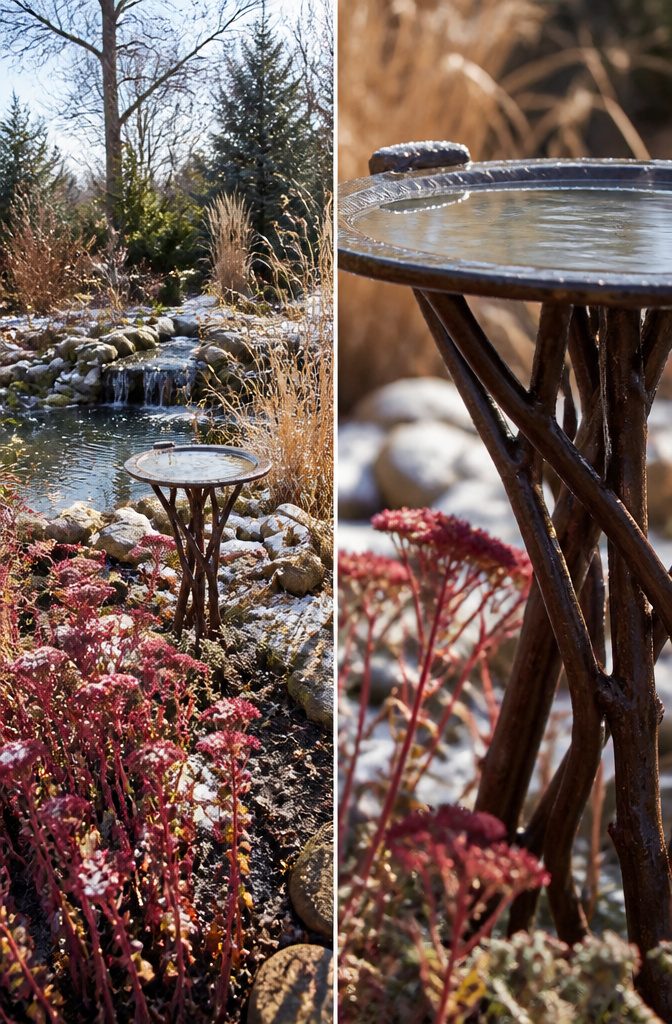
A shallow dish of water on the patio draws birds in July and sits frozen solid by January. That gap is where most wildlife garden projects fall apart.
I keep two water sources running through winter now. The first is a heated bird bath, the kind with a built-in thermostat that kicks on around freezing and draws about fifty watts. Mine sits on a ground-level stand so squirrels can reach it too; the birds found it within an hour of setup. The second is a small pond dug to about eighteen inches at its deepest point, which in my zone has never frozen all the way through. Moving water helps, so I leave the small fountain pump running until a hard freeze threatens, then pull it and let the pond settle.
Before I added the heated bath, I broke ice daily with a brick. It works, but you have to commit to it; skip a morning at twenty degrees and the birds have already moved on to a neighbor’s yard. The pond handles itself if you get the depth right. Too shallow, and you’ll be out there with a mallet every week.
Stop Spraying, Start Watching
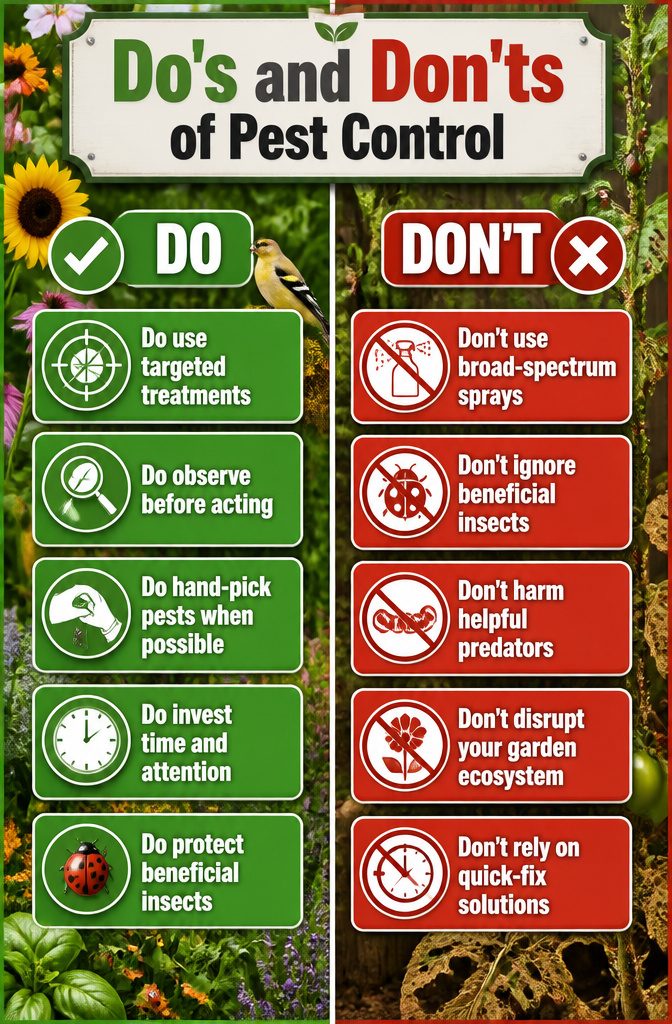
A wildlife garden project lives or dies on what you reach for when aphids show up. I used to keep a spray bottle of something broad-spectrum under the sink, and I used it the way a person swats a fly: fast, indiscriminate, and without looking twice. The ants came back thicker. The ladybugs vanished. The whole patio felt off for a season before I connected the two.
Now I match the fix to the pest. Scale on the euonymus gets horticultural oil, applied in cool morning air so the leaves don’t scorch. A sudden caterpillar bloom on the tomatoes means Bt, which hits only the chewing larvae and leaves the bees on the basil alone. Japanese beetles in July go straight into a jar of soapy water; hand-picking feels slow until you realize ten minutes at dusk for a week breaks their cycle better than any spray schedule I tried. The cost is time and attention, which sounds like a burden until you notice the wasps hunting again, the finches pulling seeds from the spent sunflowers, the whole yard running on its own engine.
Fall and Winter Survival Strategies
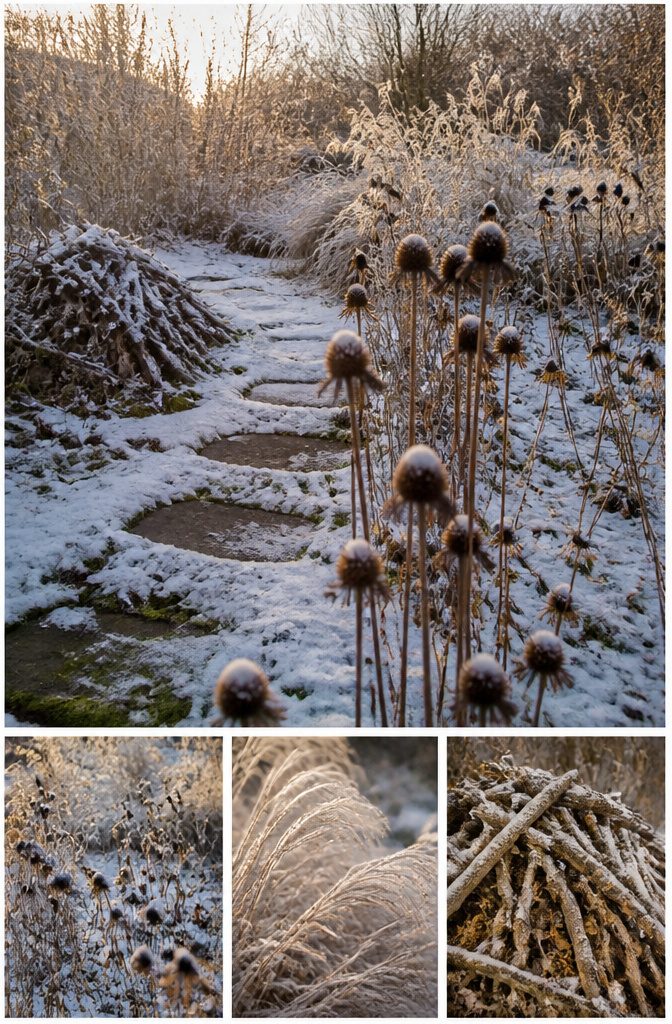
Most wildlife mortality happens in January and February, so the plants you leave standing in fall become a lifeline you cannot skip. I stopped cutting my echinacea and black-eyed Susans back in autumn after watching goldfinches pick the seedheads clean while snow sat on the ground. The stems themselves matter too: native bees and butterflies overwinter inside them, and birds shelter from wind in the debris.
Leaf litter is not laziness; it is habitat. Toads nestle under it, and the loose mulch beneath holds moisture and shelter when everything above is frozen. If you have a pond, depth protects: water that drops below the freeze line stays liquid and accessible when shallow sources lock up. A simple pile of sticks in a corner adds cover for small mammals escaping predators or cold snaps.
Bird feeders help when natural food runs thin, but they are a supplement, not the meal. Move them around to avoid waste buildup, keep them away from branches where birds perch and drop droppings, and clean them with hot water and mild disinfectant. Position them where cats cannot reach. The birds that survive your garden in late winter will repay you in spring, hunting the pests their broods need.
Rain Gardens for Runoff and Wildlife
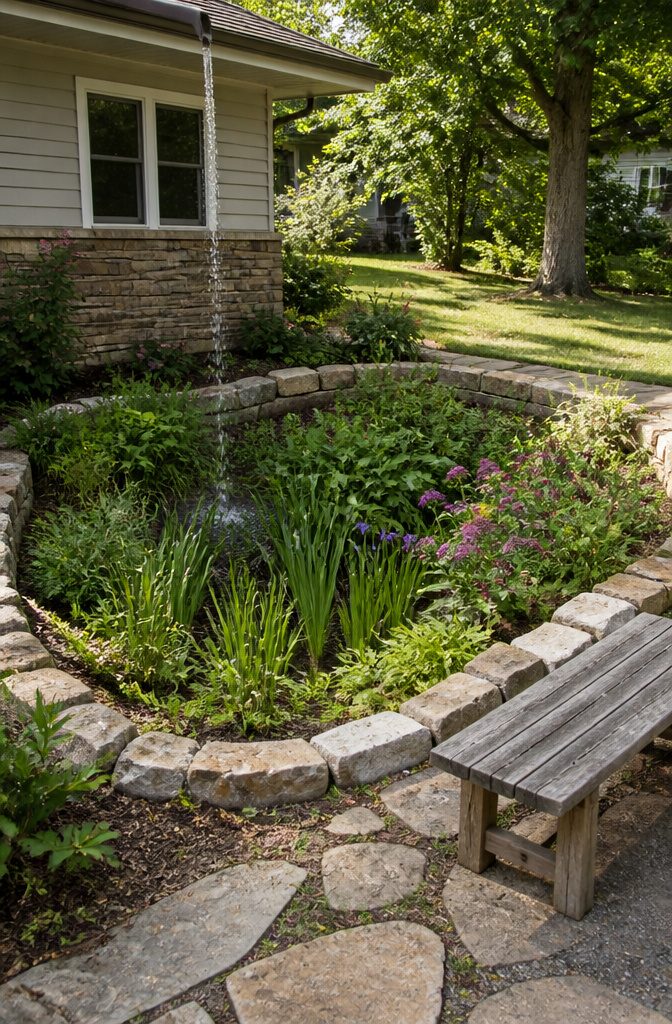
A rain garden is a shallow depression planted with moisture-tolerant native species that captures runoff from your roof or driveway before it ever reaches the storm drain. I dug mine after watching my patio flood every hard rain, and the difference was immediate: the water soaks in within hours instead of pooling for days.
The concept is simple. You excavate a bowl-shaped area about six to eight inches deep along the path water already travels, amend the soil with compost so it drains within twenty-four hours, and plant with species that tolerate both brief flooding and dry spells. In urban yards where concrete and asphalt dominate, this matters more than people realize. Hardscape prevents natural absorption, so even a modest rain sends surprising volumes of water sheeting toward the street, carrying pollutants into local waterways. A rain garden interrupts that flow.
Mine sits at the corner where my downspout meets the lawn. Swamp milkweed, blue flag iris, and Joe Pye weed fill the space now, and the pollinator traffic keeps me watching longer than I care to admit. The plants handle the moisture, the roots filter what runs through, and the insects get a consistent food source even in summer dry spells when other garden patches crisp up.
Size depends on your roof area and soil drainage, but many urban gardeners start with a patch no larger than a hundred square feet. Check local guidelines before digging; some municipalities offer cost-share programs for stormwater projects, and a few require permits for anything that alters drainage patterns.
Wildlife in Small and Urban Spaces
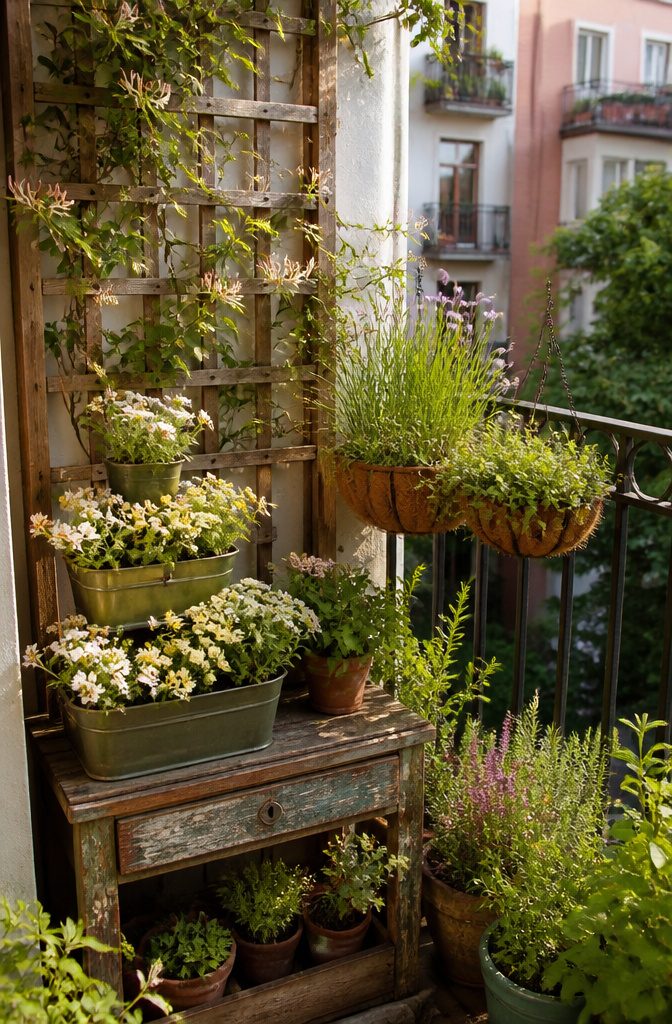
A candy tuft in a thrifted olive oil tin on your doorstep still counts. That was the lesson that stuck with me after reading how butterflies and moths travel between pockets of nectar, block by block, until a whole corridor forms. In a small yard or on a balcony, container-sized native plants are your opening move. I raise mine on old stools and chairs, plastic pots tucked underneath, which leaves floor space for a second layer.
My wall space carries planting pockets and bracketed containers, and a wooden trellis against the railing is already half-covered by honeysuckle I started last spring. The vine draws bees in the morning and gives small birds somewhere to vanish when the neighborhood cat patrols. Window boxes hold chives, oregano, and sage, all left to flower rather than harvested clean. The blooms are small but steady, and on a third-floor balcony they are sometimes the only food source a bee finds all day.
Lightweight multipurpose compost keeps the weight down. I fill the bottom third of larger pots with broken polystyrene, which means I can manage more containers without the deck feeling risky. A green roof on the shed below is on my list for this year. The designs are simple, and the extra square footage for nectar plants is hard to pass up when every pot already has a job.
Frequently Asked Questions
How do I create a wildlife pond?
Dig a hole 18 to 24 inches deep in at least one spot so frogs and newts survive winter, and slope the sides gradually so anything that falls in can climb out. A butyl liner works better than a preformed shell because you can shape those sloping edges yourself. Leave fish out of it; they will eat tadpoles and insect larvae before you notice they are gone.
What plants attract butterflies?
Milkweed belongs in almost every American wildlife garden project because monarch caterpillars eat nothing else. Asters feed migrating monarchs and late-season bees when summer blooms have finished, and goldenrod fills a similar slot. Check your zip code against a local native plant society list rather than trusting a nursery tag; native to your actual zip code means co-evolved with your local pollinators.
How can I help hedgehogs in my garden?
Cut a hole 13 cm by 13 cm, about 5 inches square, at ground level in a solid fence panel so small mammals can move between properties to find food and mates. Without that corridor, even the nicest shelter sits on an island. Stack small branches and twigs into loose piles against a back fence; those informal shelters see more use than anything bought assembled.
What is a bug hotel?
A bug hotel is a structure that gives solitary bees, lacewings, and beetles a place to overwinter. The simplest version is a bundle of hollow wooden canes or cardboard tubes tied with twine and tucked against a wall. For something longer-lasting, stack pallets and fill gaps with straw, bark, and pine cones, or drill hardwood blocks with holes from 2 to 10 mm across. Angle it slightly downward so rain runs out instead of pooling inside.
Why is it important to avoid pesticides?
Pesticides wipe out the caterpillars, beetles, and spiders that parent birds haul back to the nest by the hundreds each day, so chicks starve in a yard sprayed clean. Even neem oil damages pollinators if you hit open flowers or spray when bees are active. The ants came back thicker and the ladybugs vanished after I sprayed; matching the fix to the pest, like hand-picking Japanese beetles into soapy water, works better without breaking the food web.