
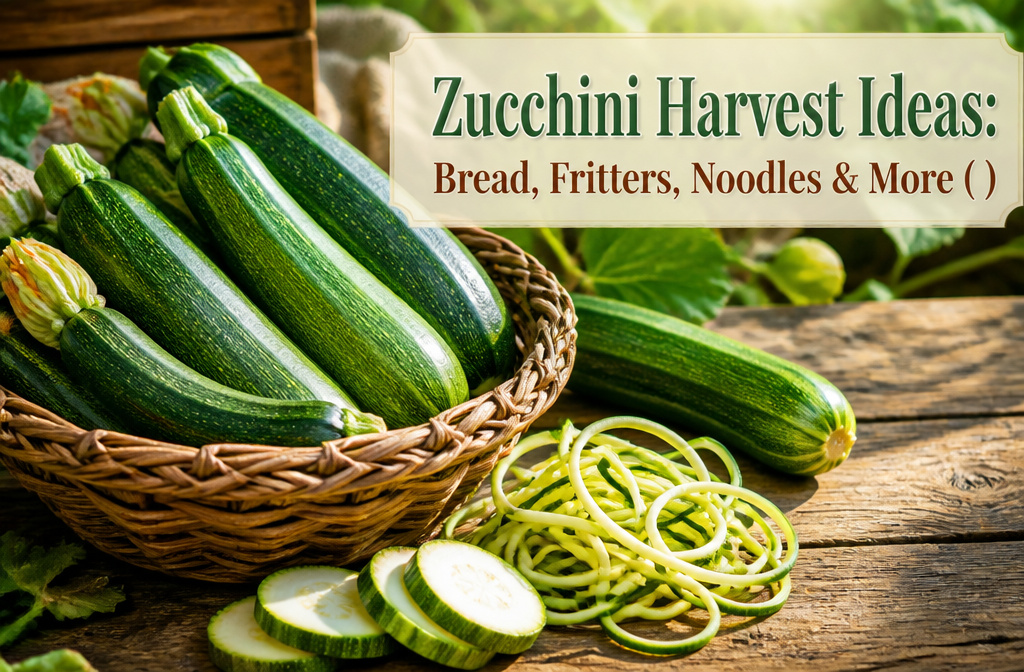
The fastest way to turn a pile of zucchini into dinner is a spiralizer and a hot pan, but only if you salt the noodles after cooking. Before that, the squash has to hit 6 to 8 inches long, while the seeds are still soft and the flesh shreds clean.
1. Zucchini Bread
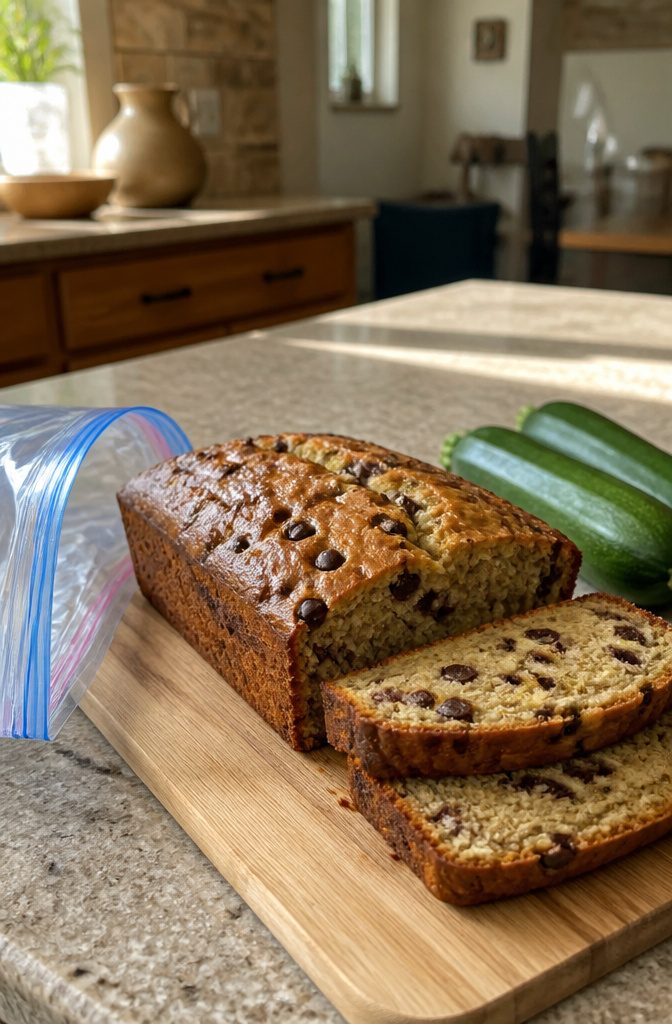
Zucchini bread works because the squash brings moisture without much flavor of its own, which means cinnamon, nutmeg, or a handful of chocolate chips take center stage. I grate mine when the zucchini hits about 6 to 8 inches long, before the seeds get woody and the flesh turns stringy. The smaller ones water down less and shred cleaner.
A single loaf rarely lasts long here, but the second one goes straight into a gallon freezer bag and into the deep freeze. It keeps up to 3 months without any real loss in texture, though I have pulled one out at nine months and found it perfectly edible. The trick is slicing before you freeze if you want to pull out single pieces; otherwise, thaw the whole loaf overnight on the counter.
For breakfast, a thin slice toasted with butter holds up to coffee. For a late snack, it needs no accompaniment at all.
2. Stuffed Zucchini

A zucchini that hid under the leaves until it was the size of a baseball bat finally makes sense halved lengthwise and hollowed out into a boat. The flesh you scrape away leaves a sturdy shell that holds up to an hour at 375°F, plenty of time for whatever filling you pile inside to heat through and for cheese to blister on top.
I have filled these with leftover sautéed sausage and peppers, with cooked grains bound by a little egg, with nothing but breadcrumbs soaked in milk and mixed with whatever herbs were threatening to bolt. The method stays the same: roast the hollowed halves until almost tender, stuff, then return to the oven until the top crisps. A reader once told me she treats the scooped-out flesh as the start of her stuffing, chopping it and cooking it down with onion before she ever adds it back. That is the kind of economy this recipe rewards.
The real win is making a main dish from a vegetable that has stopped being cute. A stuffed zucchini half on a plate with a green salad is dinner, and it used up the one you were embarrassed to admit grew that large.
3. Zucchini Noodles
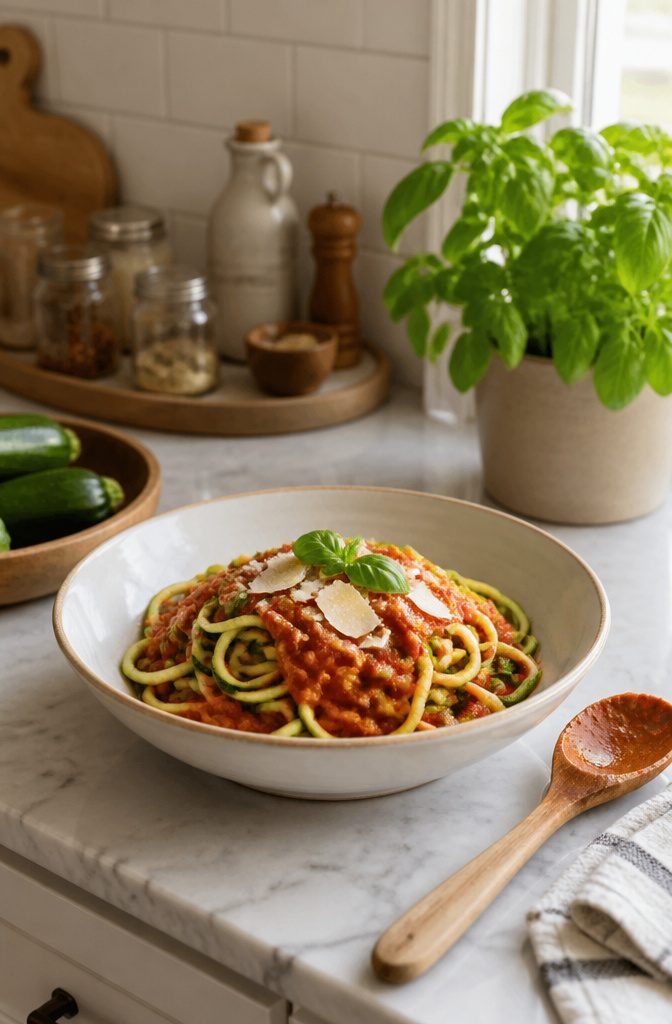
Zucchini noodles are the fastest way I know to turn a pile of squash into dinner. A spiralizer gives you long, even strands, though a vegetable peeler works fine if you pull it toward you in long strokes. Either way, you end up with something that carries sauce without the carb load.
I do not bother with raw zoodles, even if some recipes suggest it. A hot pan for two minutes, just until they wilt, keeps them from turning to mush. Salt them after cooking, never before, or you will watch your sauce slide right off a plate of water. If they do go watery anyway, and they sometimes do, I tilt the pan and soak up the liquid with a folded paper towel before it pools. A thicker marinara or peanut sauce for pad Thai covers a lot of sins here.
Big squash with hollow centers and large seeds need coring first. The shell that remains, about a quarter-inch thick, can still run through a spiralizer if you are patient, or you can save it for stuffed zucchini boats instead.
4. Zucchini Fritters
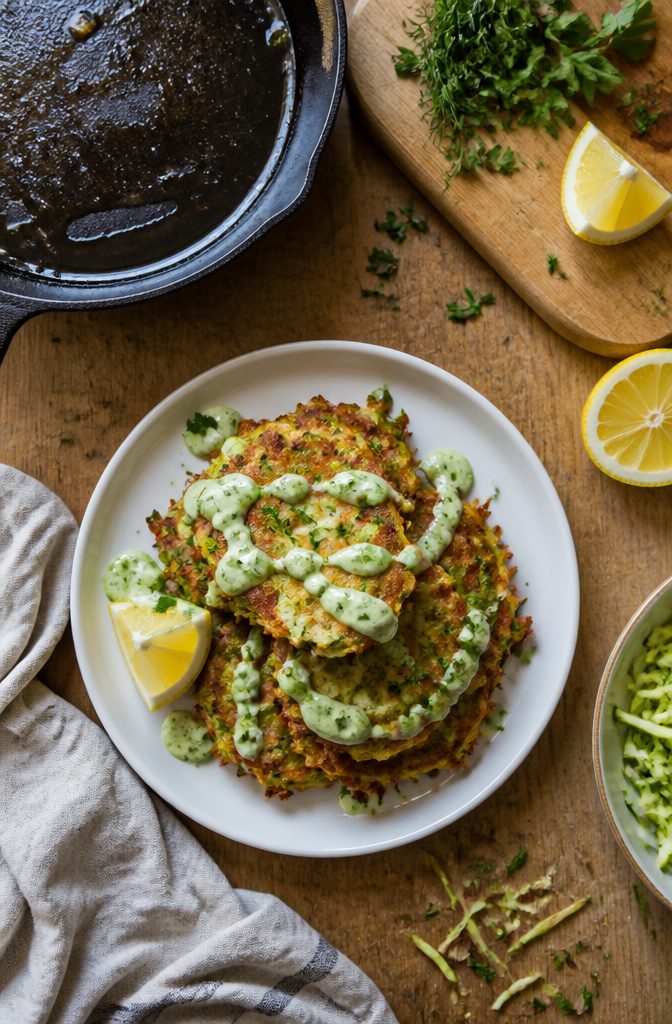
Shredded zucchini holds more water than you expect, and a fritter that skips the wringing step falls apart in the pan. I salt the shreds, let them drain in a colander lined with cheesecloth, then squeeze until the water runs clear. That liquid, vivid green, can go into a drink if you are so inclined; the dry shreds are what you need here.
Mix the squeezed zucchini with egg, flour, and whatever seasoning you like. The batter should cling together without being stiff. A loose mixture means the fritter spreads and breaks; too much flour and they turn gummy. Shallow-fry small patties in hot oil, turning once, until the edges go crisp and bronze. They are best straight from the pan, with something sharp for dipping.
5. Zucchini Pickles
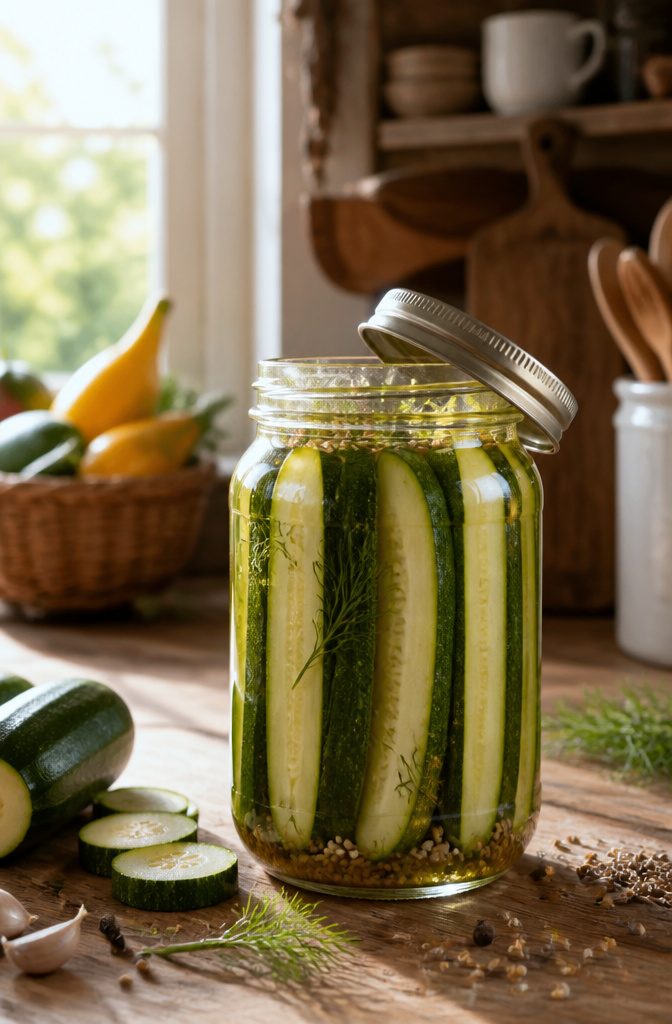
Quick-pickled zucchini slices or spears keep the harvest useful past August. The brine is simple: white vinegar at 5% acidity, sugar, and whatever spices you have on hand. Mustard seed, celery seed, and turmeric are the classic combination, though I have been meaning to try extra chili flake and garlic after reading about the result.
The texture differs from cucumber pickles. Zucchini carries less water, so the finished spear comes out meatier, less crisp, more substantial beside a sandwich or chopped into potato salad. That density makes them a better condiment than a straight snack, at least to my taste.
For year-round keeping, sources point toward proper pickling rather than plain canning. The acid in the brine is what makes zucchini safe for boiling water bath preservation; without it, the vegetable is too low-acid to process that way. A jar of pickled bread-and-butter zucchini on the shelf in January beats a freezer bag of shredded squash that I will never remember to drain.
6. Grilled Zucchini
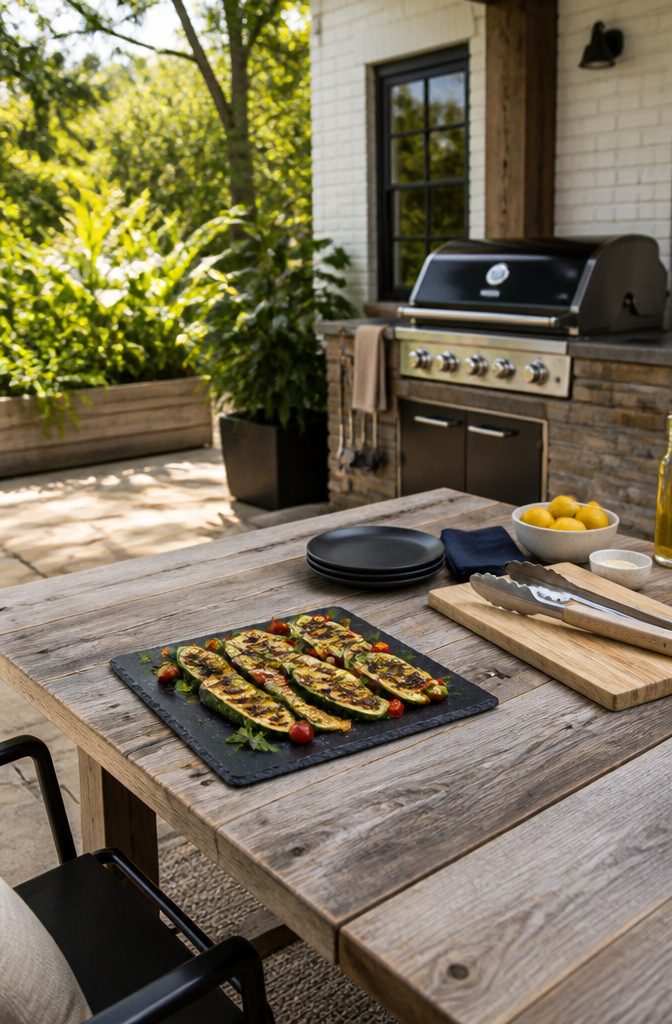
Grilled zucchini earns its place on the list because the heat does something no other method replicates. I slice mine about half an inch thick, which is thin enough to cook through before the exterior chars but thick enough to keep some structure. Oil is where I split from some recipes: I brush the slices lightly rather than soaking them in marinade, since too much oil drips off and flares, leaving sooty deposits on the flesh. A quick toss with olive oil, salt, and lemon pepper is the version I return to. The grill marks matter; they signal the Maillard reaction that transforms the mild squash into something worth eating. Twenty minutes from whole vegetable to plate, and it actually tastes like summer rather than a compromise.
7. Zucchini Soup
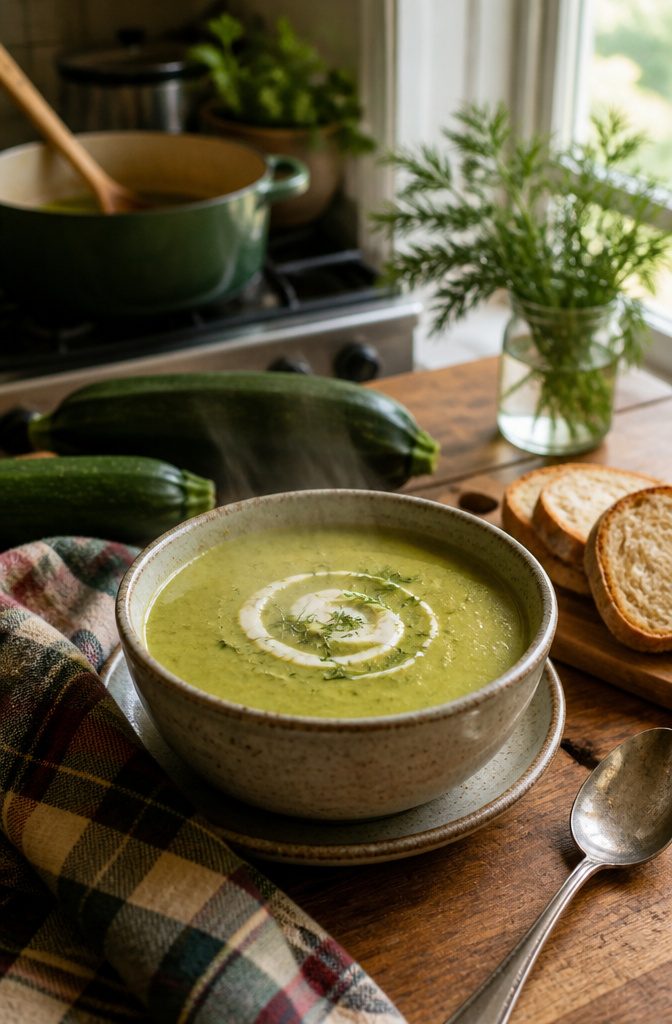
Pureed zucchini soup is where a serious harvest finally disappears. The squash cooks down so far that you need more zucchini than you’d think; six or eight medium ones barely fill a Dutch oven halfway before they soften and collapse. I like to build the base with onion and a little garlic, then simmer the zucchini in broth until it turns tender enough to blend. An immersion blender smooths it right in the pot, no transferring hot liquid to a countertop blender. Spinach and dill stirred in at the end give it color and a grassy note that keeps the flavor from going one-dimensional. A spoonful of sour cream stirred through adds body without making it heavy, and if you have a few extra zucchini, marinate thin slices in vinegar and oil for a topping that gives each bowl some texture. The soup works warm in October or cold in August, which matters when the plants are still producing and the kitchen is already hot.
8. Zucchini Chips
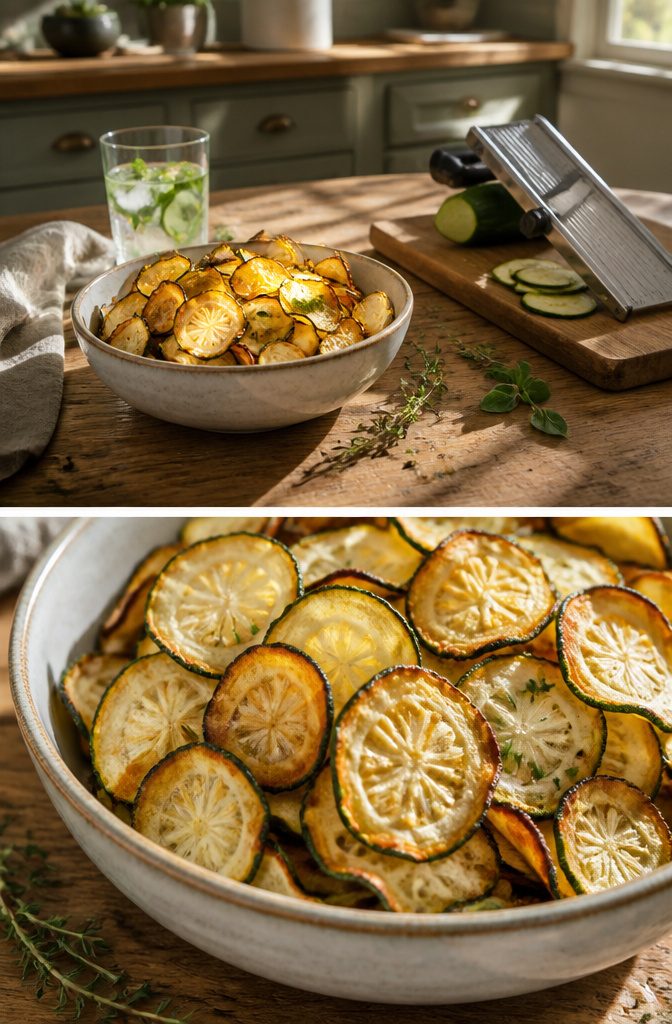
Thinly sliced zucchini, salted and baked or dehydrated until brittle, make a snack that stores for months. Dehydrating takes 6 to 12 hours at 135 degrees F, so this is a project for a weekend, not a weeknight. The salting step matters: draw moisture out first or the chips turn leathery instead of crisp. I learned the hard way that thick slices fail. The first batch I cut by eye sat in the dehydrator overnight and came out tough, half-cooked, still bendable. Now I aim for coins no thicker than a quarter inch and pat them dry before they ever hit the rack. A mandoline helps if you trust your fingers; a sharp knife and patience work fine if you do not.
9. Zucchini Muffins
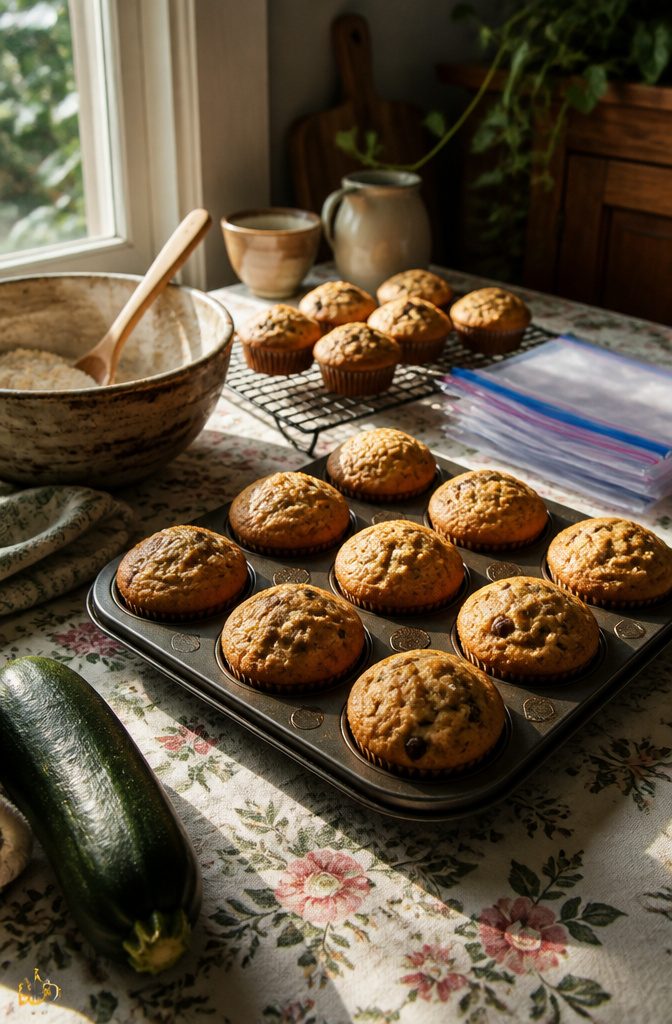
Shredded zucchini keeps muffins moist for days without adding any real vegetable flavor, which is why I bake a batch whenever the counter piles up. A cup of packed shreds, measured after squeezing out excess liquid, folds into a standard batter without complaint. The trick for freezing is baking them first, cooling completely, then sealing in bags with the air pressed out. They thaw on the counter in twenty minutes or pack straight into a lunchbox frozen.
One cup of shredded zucchini per standard batch is the ratio that works, not the two cups called for in most quick bread recipes. Muffins bake faster, so the texture stays tender rather than turning damp in the center. Sweet versions take cinnamon and walnuts; savory ones want sharp cheddar and black pepper. Both freeze well for three months, though in my house they rarely last that long.
10. Zucchini Relish
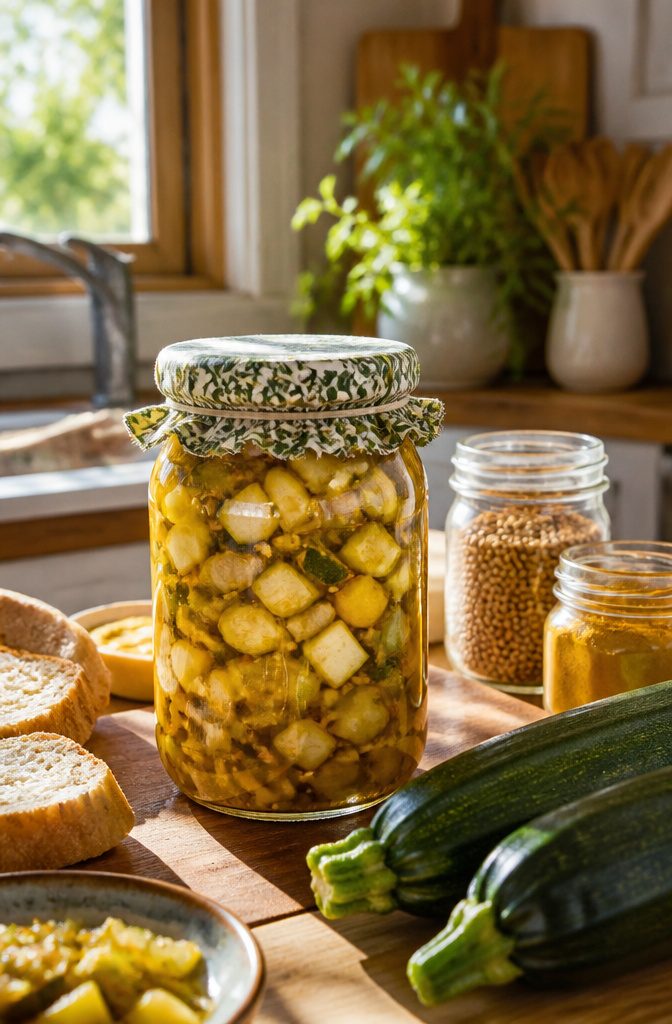
A jar of zucchini relish sits in my fridge most summers now, though I came to it late. The first time I made it, I had six pounds of zucchini on the counter and no more room in the freezer. Chopping it fine with onion and green bell pepper, then simmering the lot in vinegar with mustard seed and turmeric, turned out to be the better move. The batch yielded seven half-pint jars, enough to last until the next garden overload.
The condiment works on sandwiches and burgers the way any good relish does, but the zucchini base gives it a milder sweetness than pickled cucumber versions. What sold me was the efficiency: one afternoon of processing handles a bulk harvest that would otherwise overwhelm the crisper drawer. The National Center for Home Food Preservation has a tested bread-and-butter zucchini pickle recipe if you want to can it safely; refrigerator versions keep for weeks without the water-bath step.
I still make cucumber pickles for tradition, but zucchini relish is what I reach for when the plants won’t quit producing.
11. Frozen Zucchini
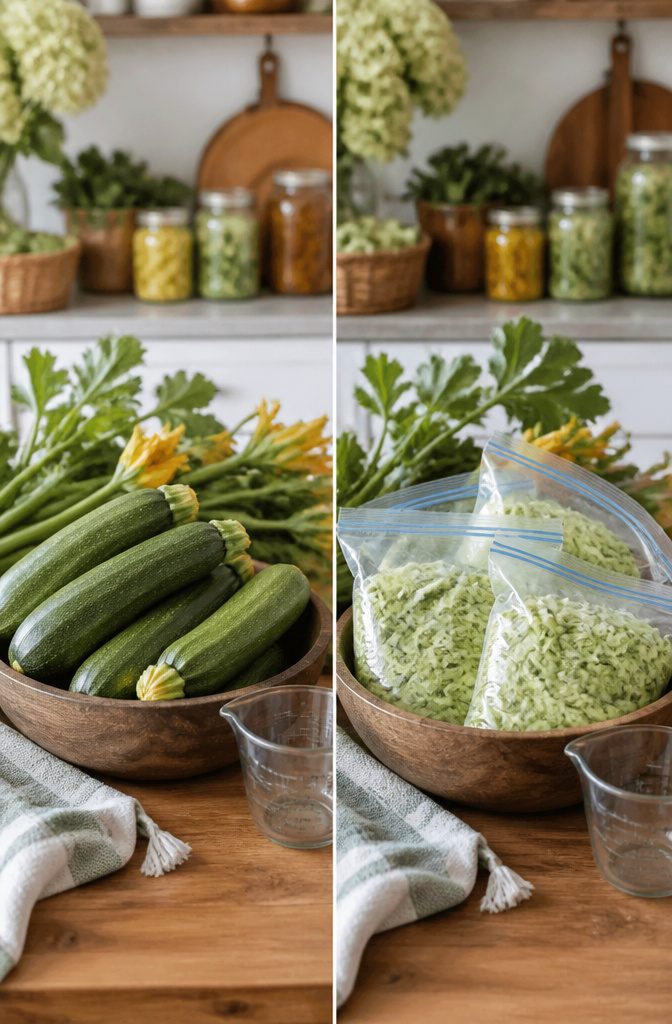
Frozen zucchini lands in my kitchen two ways: shredded for bread and cubed for soups or stir-fries. The shreds go straight into plastic freezer bags in two-cup portions, the exact measure my zucchini bread calls for. I thaw it in the bag, then pour off about half a cup of liquid before mixing the batter.
The blanching debate runs strong in gardening circles. Some insist cubed zucchini must hit boiling water for a minute or two to stop enzymes from turning it mushy later. I have skipped that step more than once with shredded zucchini and never noticed the difference in baked goods. For cubes headed into a stew, a quick blanch makes sense; for shreds bound for batter, raw freezing works fine.
Zucchini noodles can be frozen, though the texture softens noticeably. If the harvest is overwhelming, it is worth the trade. The same goes for slicing or chunking for later use. One practical backup: make a double batch of zucchini pancakes or muffins and freeze the finished item instead.
12. Zucchini Cake
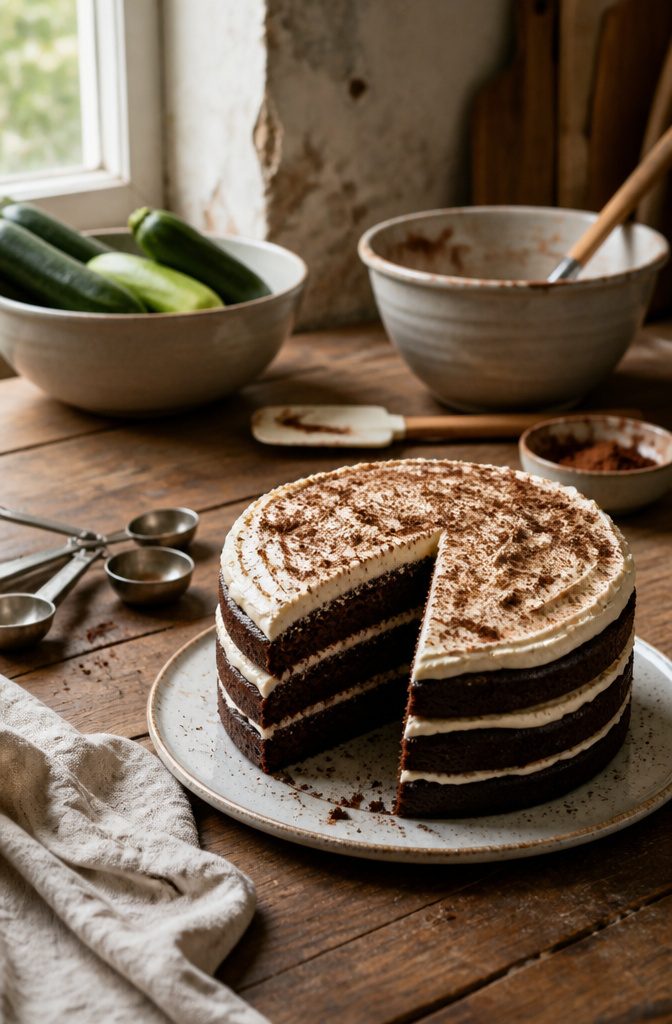
A chocolate zucchini cake erases any memory of the vegetable’s savory life. The shredded flesh melts into the crumb and leaves behind only moisture, no green flecks, no vegetal flavor. America’s Test Kitchen ran this test to its logical end and proved the point.
"There’s no need to worry about a dry cake when you add zucchini to it—it will be rich and fudgy."
That richness matters because it lets you build a real dessert rather than a quick bread in cake’s clothing. Frost it, layer it, serve it on a plate with a fork. The zucchini does the same work it does in bread, only here the payoff is a dark, dense crumb that carries buttercream or a ganache without collapsing. I have seen recipes that call for a full two cups of shredded zucchini in a single-layer round, which sounds excessive until you remember how much water the vegetable surrenders in the oven.
The distinction from zucchini bread is not the ingredient but the architecture. Bread stands alone, maybe a pat of butter. Cake invites the full treatment: cream cheese frosting, a dusting of cocoa, a layer of ganache between two rounds. The zucchini is what makes that indulgence possible without the cake drying out by day two.
How I Freeze the Extras
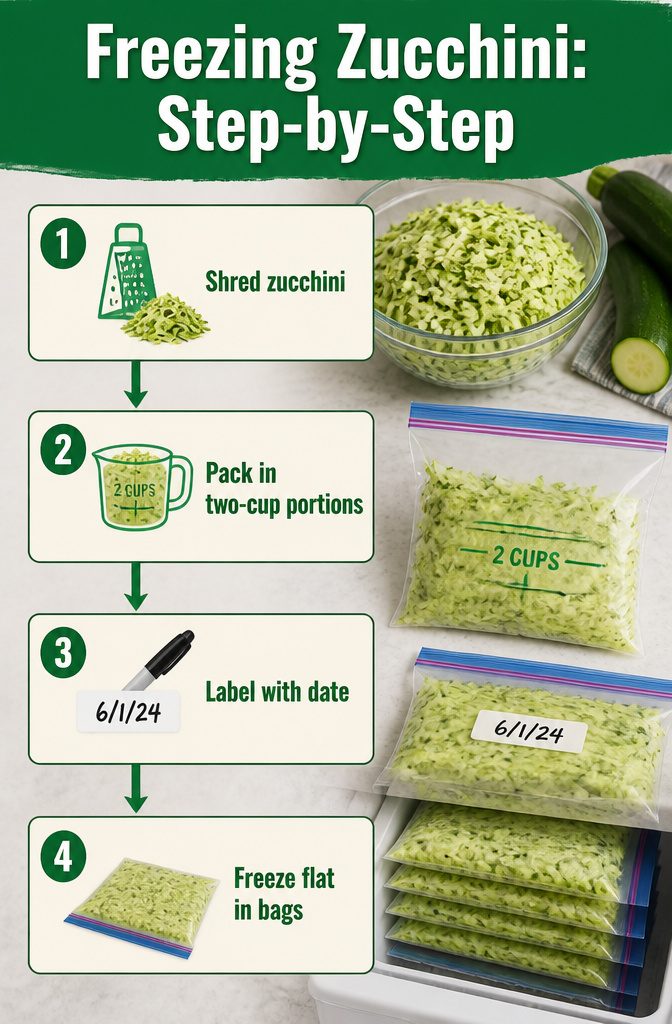
Shredded zucchini freezes flat in bags and waits in the freezer like a secret ingredient. I pack it in two-cup portions because that is what my bread recipe calls for; one-cup bags work if muffins are more your speed. The texture softens, but thawed and drained it bakes into bread almost indistinguishable from fresh. Cubes need a quick blanch first, then a single layer on a parchment-lined sheet before bagging, or they turn mushy in stews later.
Label every bag with the date. Plain frozen zucchini keeps well past the three months I would give zucchini bread, though I have pulled year-old shreds that still made good bread. If next summer arrives and you are still staring at bags, chickens will take them off your hands before they turn.
Three Ways to Cook It Fast
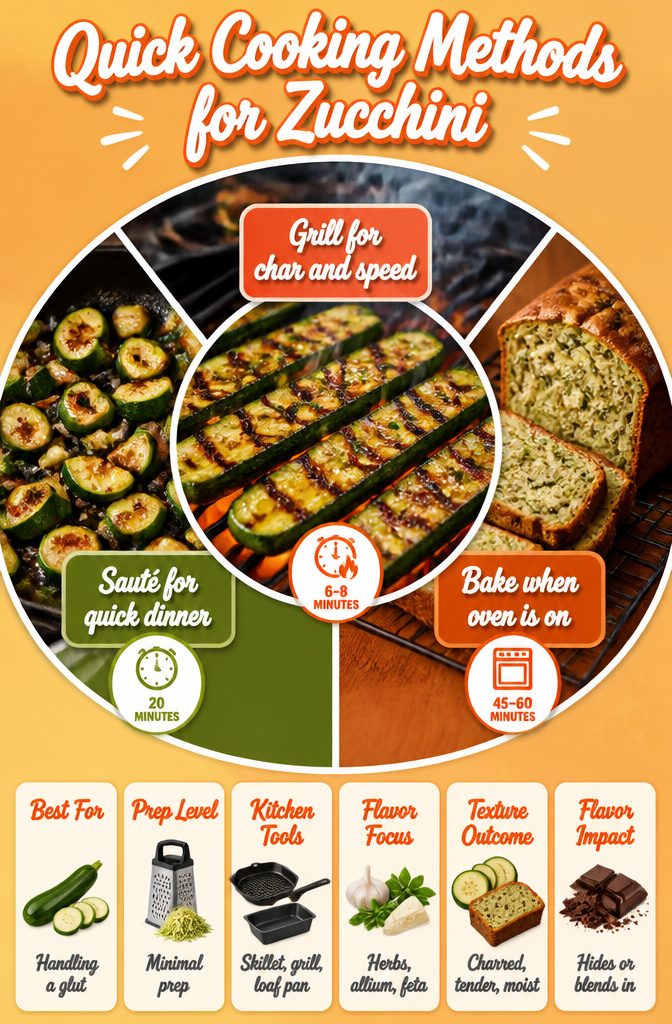
Grilling, sautéing, and baking each handle a zucchini glut on different timelines. Here is how I sort them on a busy night.
- Grill for char and speed. Slice lengthwise into planks, brush with oil, and lay them on a hot grate for 3–4 minutes per side. The quick blast collapses the water content and builds a smoky crust that stands up to a vinaigrette or a crumble of feta.
- Sauté when dinner is twenty minutes out. A hot skillet with a little fat browns diced or half-moon pieces fast. The texture stays firmer than roasting, and the pan is ready for whatever allium or herb needs using first.
- Bake into bread or cake when the oven is already on. Shredded zucchini melts into batter and keeps crumb moist without adding any vegetable flavor. A chocolate zucchini cake hides it completely; a standard loaf lets it peek through in flecks. Either way, the prep is mostly measuring and grating, then the oven does the rest.
What Zucchini Actually Brings Nutritionally
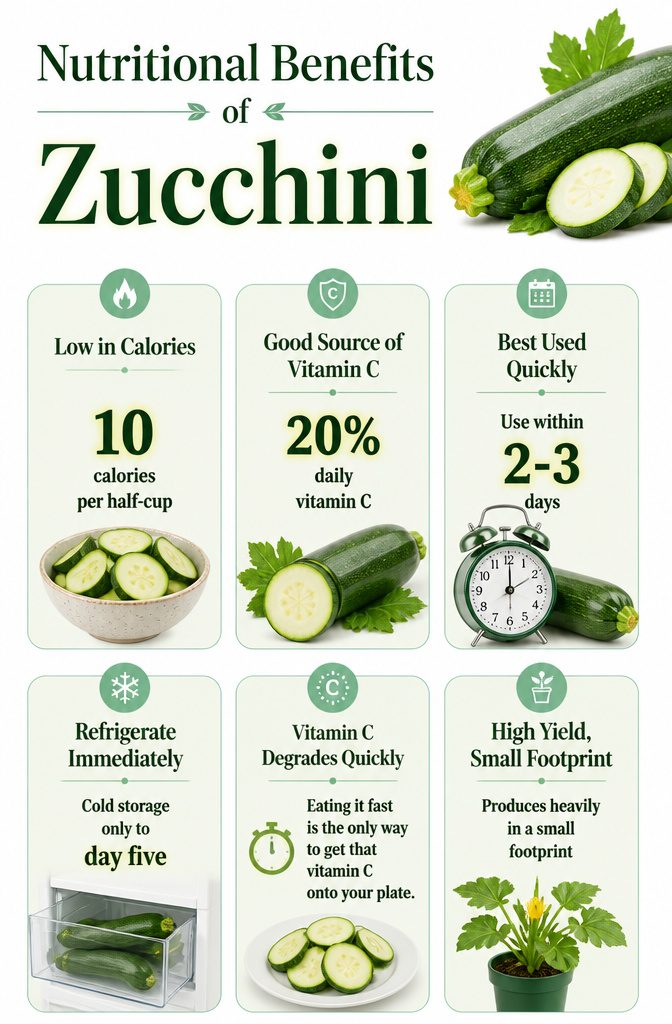
A half-cup of raw zucchini carries about 10 calories and roughly 20% of your daily vitamin C. That is the nutritional story sources agree on, and for a home gardener it matters more than it might sound.
The low calorie count means you can eat what you grow in quantity without much arithmetic. The vitamin C degrades quickly after harvest, which is the part that changed how I handle the morning’s pick. I used to let zucchini sit on the counter for days; now I use it within two or three, or refrigerate immediately and accept that even cold storage only buys me to day five. Eating it fast is the only way to get that vitamin C onto your plate.
For someone growing on a small patio with limited space, this is a fair return. Zucchini does not match the density of kale or the protein of beans, but it produces heavily in a small footprint and the calories stay low enough that "what do I do with all of it" becomes a genuine cooking question rather than a dietary worry.
Odd Uses I Have Not Tried
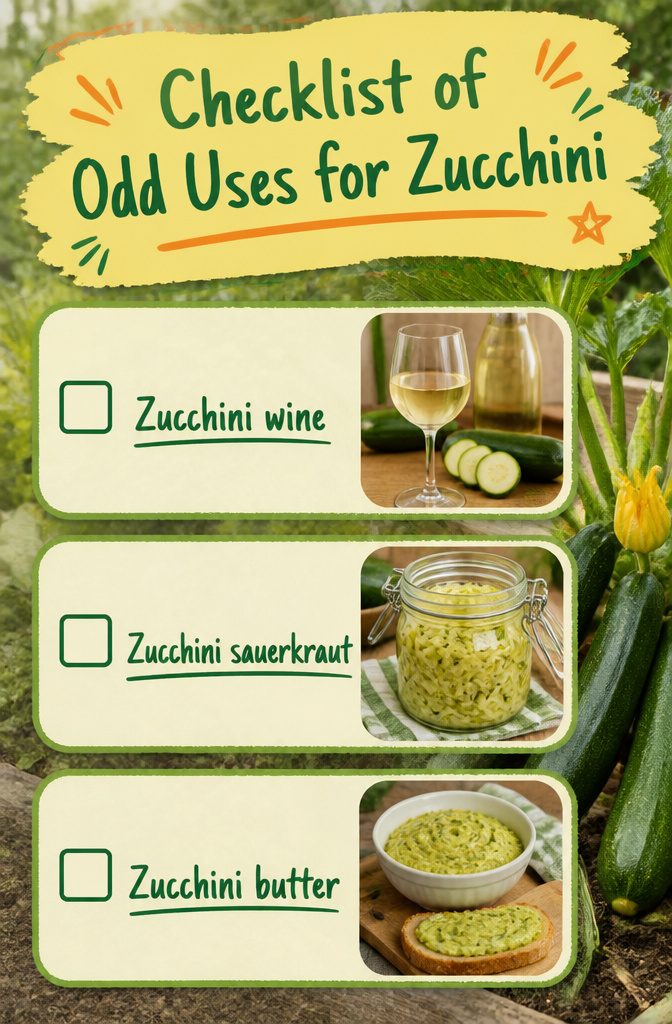
A few sources mention oddball projects I have not personally tested, so I will pass them along as reported.
- Zucchini wine. Fermented from the vegetable’s own sugars, it apparently yields a dry, pale table wine. The process needs added sugar, acid, and wine yeast; the zucchini itself contributes little flavor, serving mostly as fermentable bulk.
- Zucchini sauerkraut. Grated zucchini layered with salt and left to lacto-ferment works much like cabbage kraut. One note: keep the ferment in a warm kitchen spot out of direct sunlight, and expect a softer finished texture than cabbage gives.
- Zucchini butter. Grated zucchini cooked slowly in butter or olive oil until it collapses into a spreadable, concentrated paste. Sources describe it as a year-round freezer staple for toast, pasta, eggs, or pizza.
I have made none of these. The butter sounds most worth the gamble to me; the wine sounds like a project for a season when the tomatoes have already been sauced and the jars are still empty.
Frequently Asked Questions
What can I do with too much zucchini?
You can bake zucchini bread or chocolate cake, stuff oversized squash into dinner boats, spiralize it into noodles, fry fritters, quick-pickle slices, grill planks, puree into soup, or dehydrate into chips. For the fastest options, grill sliced zucchini for char in under ten minutes, sauté diced pieces in a hot skillet, or shred it into batter when the oven is already on.
How do I freeze zucchini?
Shred it into two-cup portions for bread, or cube it for soups and stir-fries. Pack shredded zucchini straight into plastic freezer bags; for cubes, blanch first, freeze in a single layer on parchment, then bag. Thawed shreds need draining before baking, and they keep well past three months, though the texture softens.
Can you eat zucchini raw?
Yes, though the article favors cooking it. Raw zucchini noodles appear in some recipes, but the author finds they turn watery and mushy without a quick two-minute sauté. For raw use, younger, smaller zucchini hold less moisture and shred cleaner.
What is the best way to preserve zucchini?
Freezing, pickling, and dehydrating all work. Freezing shredded or cubed zucchini handles the largest volume fastest. Pickled zucchini keeps shelf-stable for months with proper acidified brine. Dehydrated chips store for months but need six to twelve hours at 135°F and thin slicing to turn crisp rather than leathery.
How long does zucchini last in the fridge?
Three to five days when refrigerated immediately. Vitamin C degrades quickly after harvest, so use it within two or three days for the fullest nutritional return. Cold storage only buys you to day five.