

Snapped mini melons are compact, bush-type melon varieties bred for small gardens and tight spaces. The catch is that ripe fruit signals readiness by "slipping" from the vine, a trait that fools impatient gardeners into harvesting early. A standard melon vine sprawls across 100 square feet; these stay small enough for a patio pot yet still set fruit prolifically. Golden Jenny proves this: 75 days to a yellow-fleshed, turban-knobbed melon on vines that never outgrow their corner.
Golden Jenny
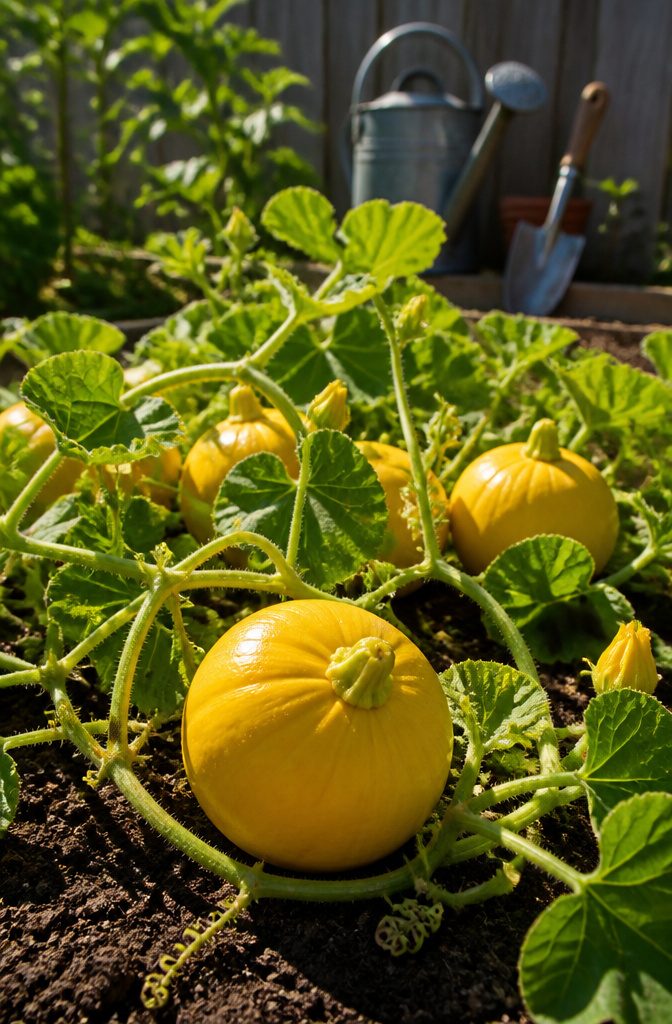
Golden Jenny is the yellow-fleshed offshoot of the old green-fleshed heirloom ‘Jenny Lind,’ and both carry that odd little turban-shaped knob at the blossom end. The netted green skin turns yellow when ripe, the flesh slips cleanly from the vine, and the whole thing matures in about 75 days on short, bushy vines that stay compact enough for a patio container or a corner of a small yard. Productivity is the surprise: the plant does not sprawl, but it still sets fruit prolifically.
A single rambling vine of a standard melon variety can cover up to 100 square feet of garden space, and many gardeners don’t have that kind of room to spare.
That is exactly why a bushy, 75-day melon matters. You get the sweetness and the slip-ripe signal of a full-sized cantaloupe type without surrendering your whole growing area to one plant.
Minnesota Midget
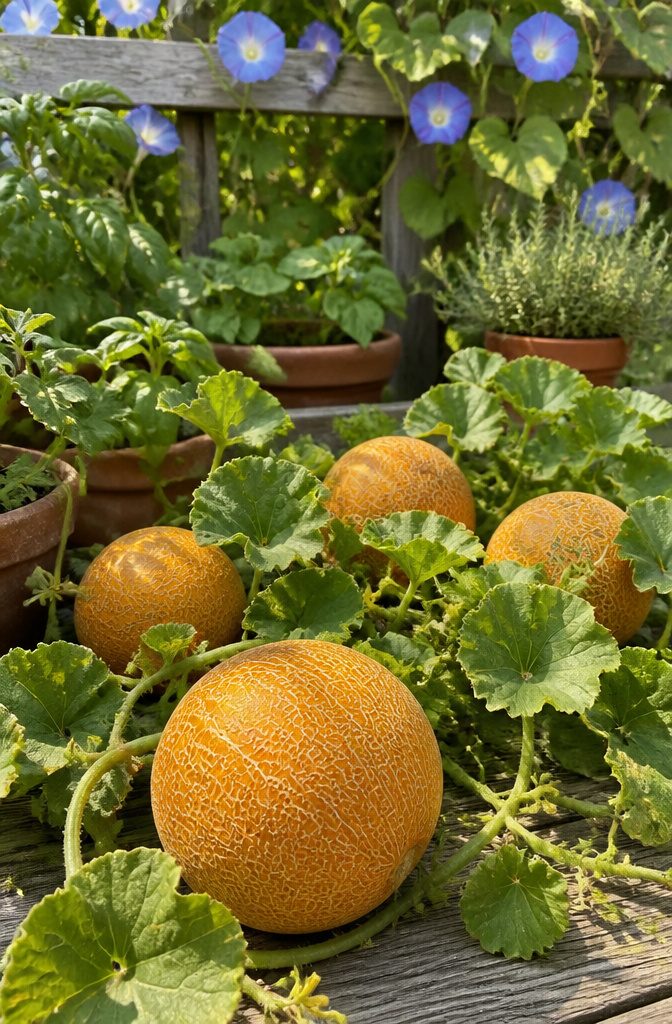
The Minnesota Midget lives up to its name in the best way. Each vine produces 2 to 6 fruits measuring about 4 inches across, with netted skin and dark orange flesh that packs more sweetness than you’d expect from something this small. The plants reach maturity in roughly 70 days, making them one of the faster options if your growing season runs short.
What sold me on this variety is the "full-slip" trait. The melons detach themselves from the vine when ripe, so there’s no guessing whether the time is right. I spent a season worrying I’d miss the window, then watched one simply let go while I was checking the garden after breakfast. The flavor held real depth, not just sugar, the kind of melon taste that makes you understand why people bother growing their own.
Container gardeners should note this one. The compact vines handle pots better than most melon varieties, and the smaller fruit size means less weight pulling stems toward the dirt. Heirloom status lets you save seed for the following year, which stretches that $500 annual budget a little further.
Sleeping Beauty
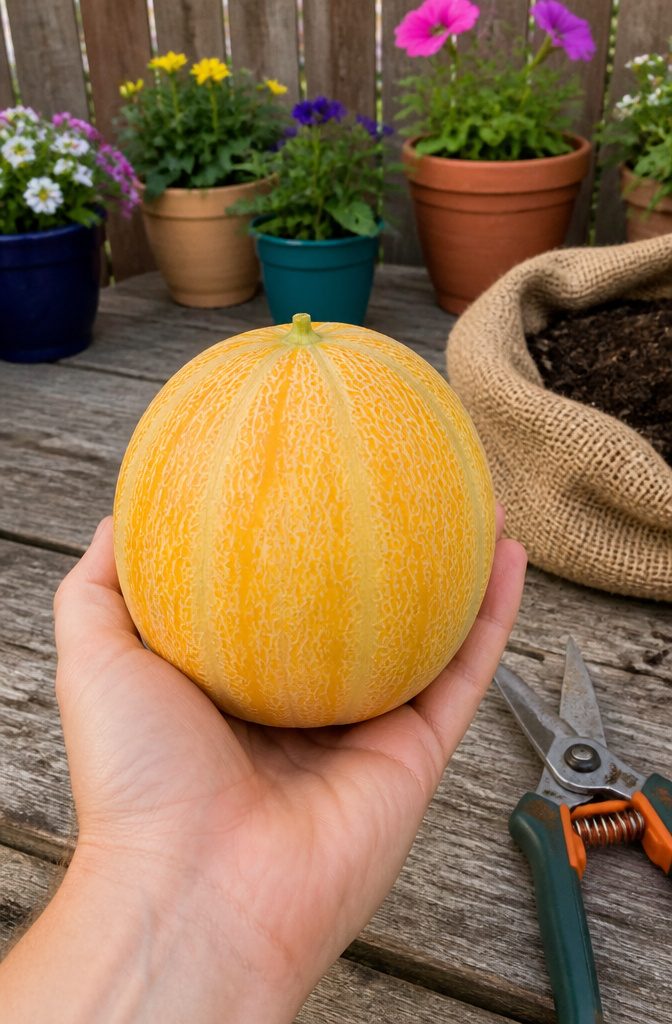
Sleeping Beauty ripens in about 85 days with fruits that stay small enough to cup in one hand. The flesh runs yellow-orange, and each melon weighs roughly half a pound at maturity. What drew me to this variety was how little space it asks for. The vines stay compact and manageable, which makes them a natural fit for containers on a patio or balcony where a full sprawling melon patch would never work. In my second season growing melons, I made the mistake of trying a standard variety in a 10-gallon pot. The vines outgrew the trellis in three weeks, and I spent August wrestling foliage through a fire escape. A compact habit like Sleeping Beauty’s keeps that from happening. The shorter vines also mean less scrambling to find fruit hidden under leaves. For a gardener working a small space and a tight budget, one or two plants in decent-sized containers can deliver a steady harvest without the footprint of a ground plot.
Green Machine
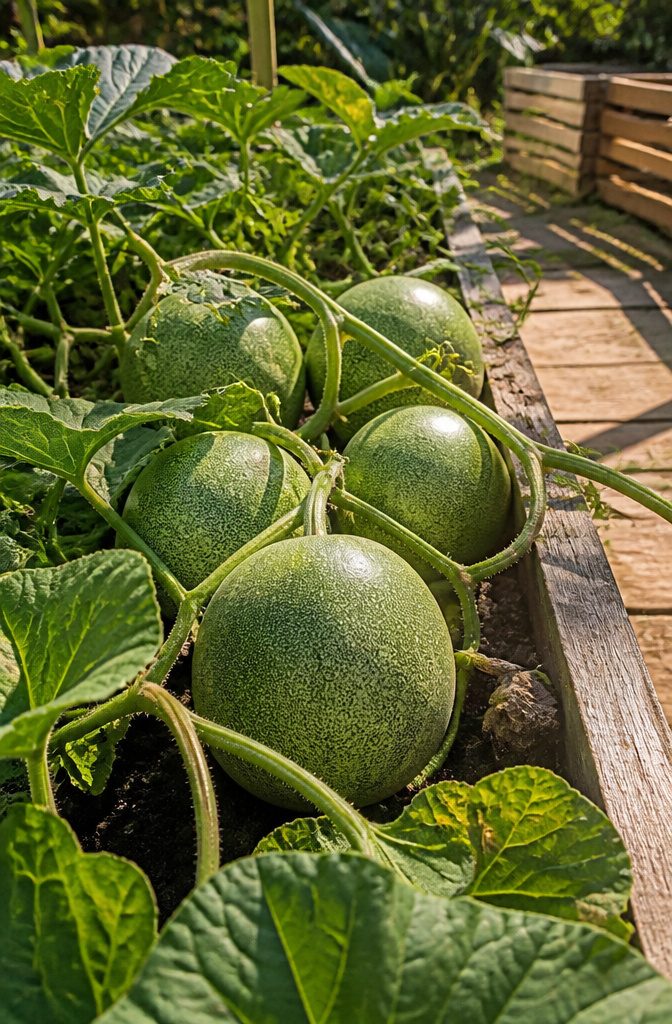
Green Machine is the one to grow when you want a lot of melon from a little vine. The flesh stays green even at full ripeness, which threw me off the first season I tried it. I kept waiting for that shift toward salmon or gold and ended up with three melons split on the vine from overripeness. Now I mark the calendar at transplant and start checking at day 80. The vines run about 85 days to maturity and set fruit that hits two pounds apiece, sometimes a touch more. That makes this variety the heaviest producer and largest fruit size among the mini melons, a real consideration if you are gardening in a single raised bed and want weight at harvest. Flavor is mild and honeyed, closer to a honeydew than a cantaloupe, and the texture stays firm even in humid summers.
Honey Bun
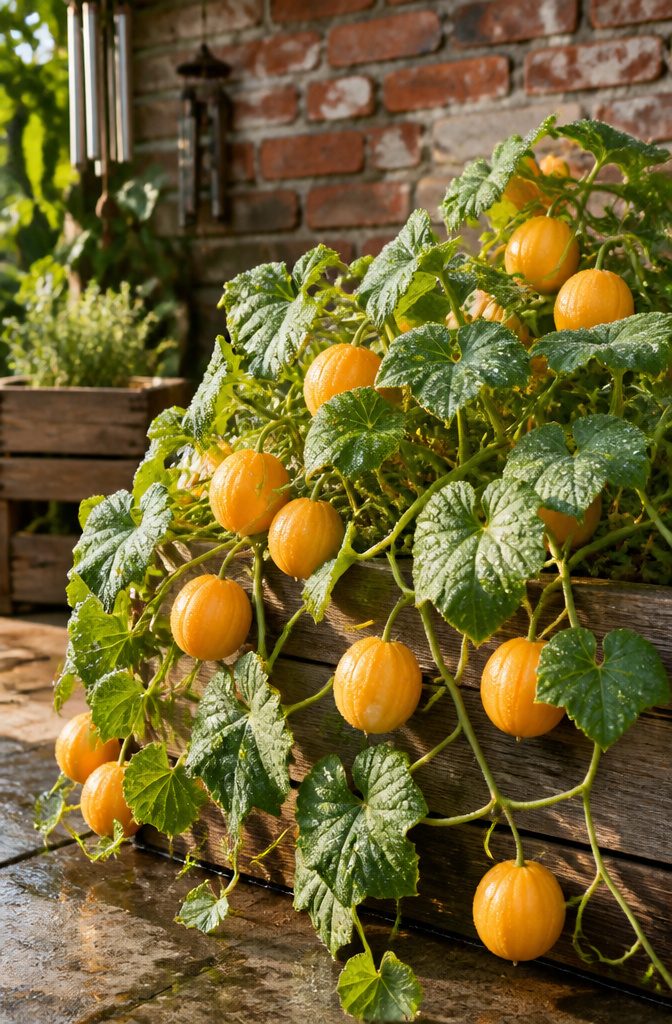
Honey Bun is the compact, orange-fleshed melon that matures in about 75 days and produces 3–4 fruits at roughly 5 inches across. That size makes it genuinely manageable for a patio grower; the fruits fit in a refrigerator crisper without drama and feed two people at breakfast without leftovers. The yield is reliable enough that I would not bother succession planting it. One vine gives you a sensible harvest, and two vines risk a glut you did not plan for. The vines themselves stay tidy, which matters when your growing space is a raised bed wedged between a grill and a railing. I have seen gardeners try to trellis Honey Bun, and the stems do cooperate, but the fruit weight wants a sling of old t-shirt material by mid-July. Skip the sling and the stem cracks, the melon bruises, and your season ends in complaint rather than breakfast.
Sun and Soil Setup
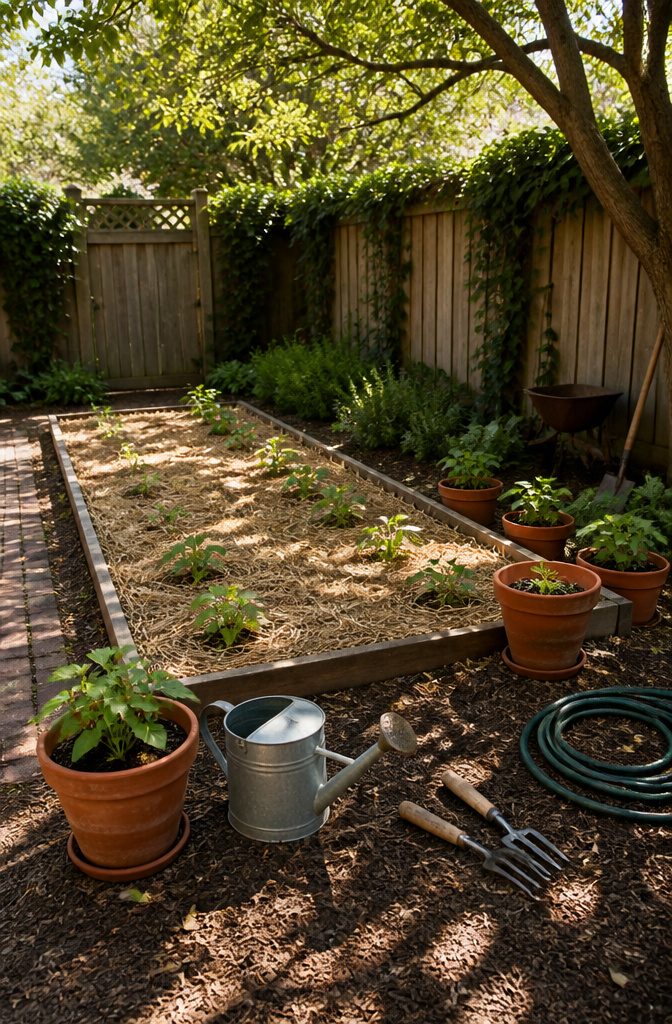
Mini melons demand at least eight hours of full sun each day, and planting before the soil warms is a mistake I have watched undo a season. I wait until the last frost has passed and the ground has lost its chill, then work compost into the bed before sowing seeds an inch deep and eighteen inches apart. The roots need steady moisture; letting the bed dry out completely stalls growth fast. A two-to-three-inch layer of straw mulch buys me time between waterings, keeps the root zone cool, and suppresses the weeds that would otherwise compete for every drop. In containers, I have found liquid organic fertilizer every three weeks keeps the vines productive through the season.
When to Pick
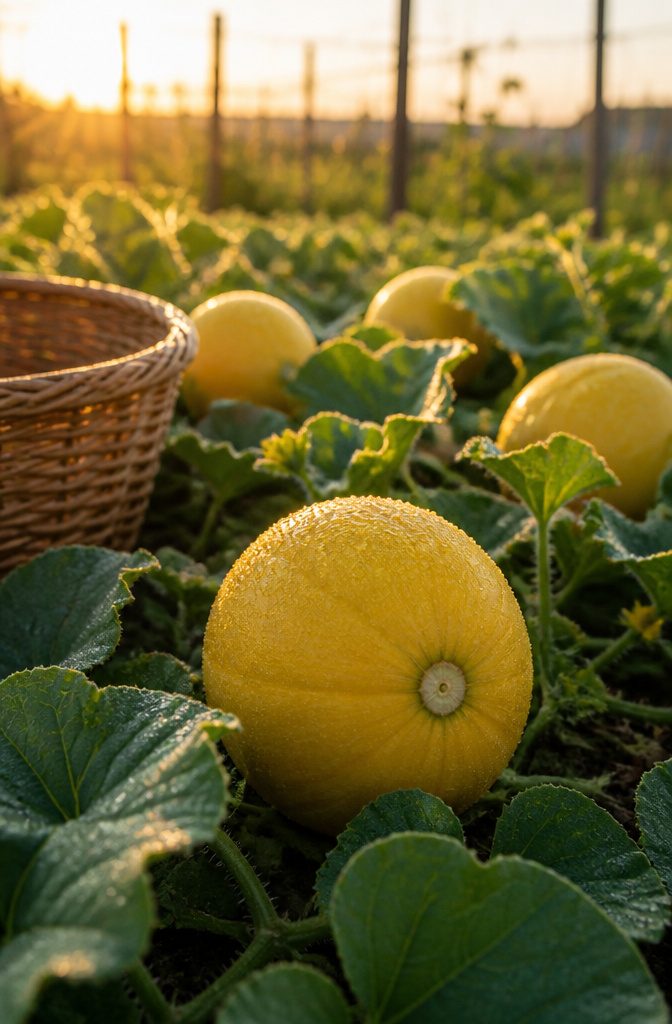
The moment a mini melon is ready, it lets you know. The stem end slips free with almost no pressure, leaving a clean, round scar where the fruit sat on the vine. That is the full-slip stage, and it is the only reliable signal for these small varieties.
A first-timer might worry about tugging too hard or too early. The feel is not a tug at all. The melon rests in your palm, you lift gently, and the connection releases like a weak snap. If you meet resistance, the fruit is still building sugar. Wait two or three days and try again. The skin color shifts help too. Golden Jenny turns from netted green to yellow all over. Sleeping Beauty pales to soft yellow. But color can fool you in odd light. The slip never does.
I check mine in early morning when the vines are turgid and easy to handle. Minnesota Midget ripens around 70 days after planting, Golden Jenny near 75, Sleeping Beauty closer to 85. The dates are rough guides. The vine decides the real timing, and the vine is honest about it.
What Each Melon Tastes Like
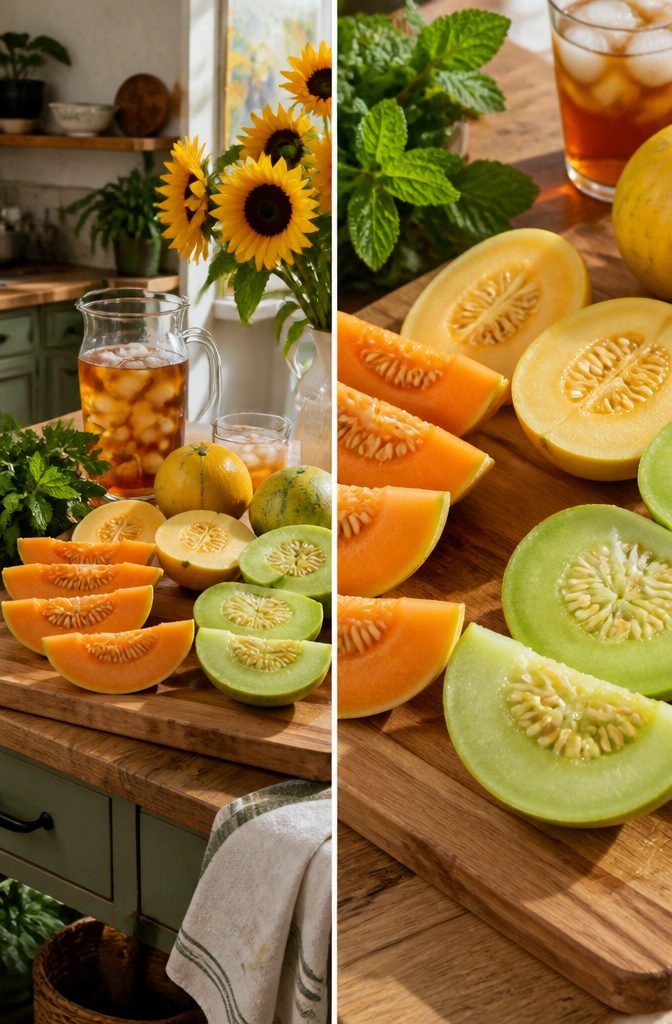
The flavor profile of a snapped mini melon changes noticeably by variety, and knowing which leans sweet versus mild saves space in a small garden for something you will actually finish.
Minnesota Midget carries exceptional sweetness in its dark orange flesh, the kind that makes a four-inch fruit feel like more dessert than snack. The sugar concentration reads higher than expected for something this small, and the texture stays firm rather than mealy even at full ripeness. Golden Jenny, by comparison, offers a lighter honeyed note. Its golden flesh is sweet but stops short of that wallop, with the turban-shaped blossom end giving slightly under thumb when ready. Sleeping Beauty lands softer still: yellow-orange flesh, pleasant and mild, better for breakfast bowls than for eating straight over the sink. Green Machine diverts entirely with green flesh and a cleaner, almost cucumber-melon brightness. Honey Bun splits the difference with deep orange flesh and a honey flavor that sits between Minnesota Midget’s intensity and Golden Jenny’s restraint.
If your priority is the sweetest bite in the smallest rind, Minnesota Midget is the clear choice. For variety across the season, pair it with Green Machine to keep things from tasting same.
Frequently Asked Questions
What are the best mini melon varieties for small gardens?
Golden Jenny, Minnesota Midget, Sleeping Beauty, Green Machine, and Honey Bun are all compact varieties bred for tight spaces. Each stays bushy enough for containers or small beds while still producing full-flavored fruit, unlike standard melons that can sprawl across 100 square feet.
How long does it take for mini melons to mature?
Most snapped mini melons ripen between 70 and 85 days after planting. Minnesota Midget is fastest at roughly 70 days, followed by Golden Jenny and Honey Bun around 75 days, with Sleeping Beauty and Green Machine taking closer to 85 days.
How do you know when mini melons are ripe?
Ripe mini melons reach full-slip stage and detach from the vine with almost no pressure, leaving a clean, round scar. If you meet resistance when lifting gently, the fruit needs two to three more days to build sugar. Skin color shifts help, but the slip is the only reliable signal.






