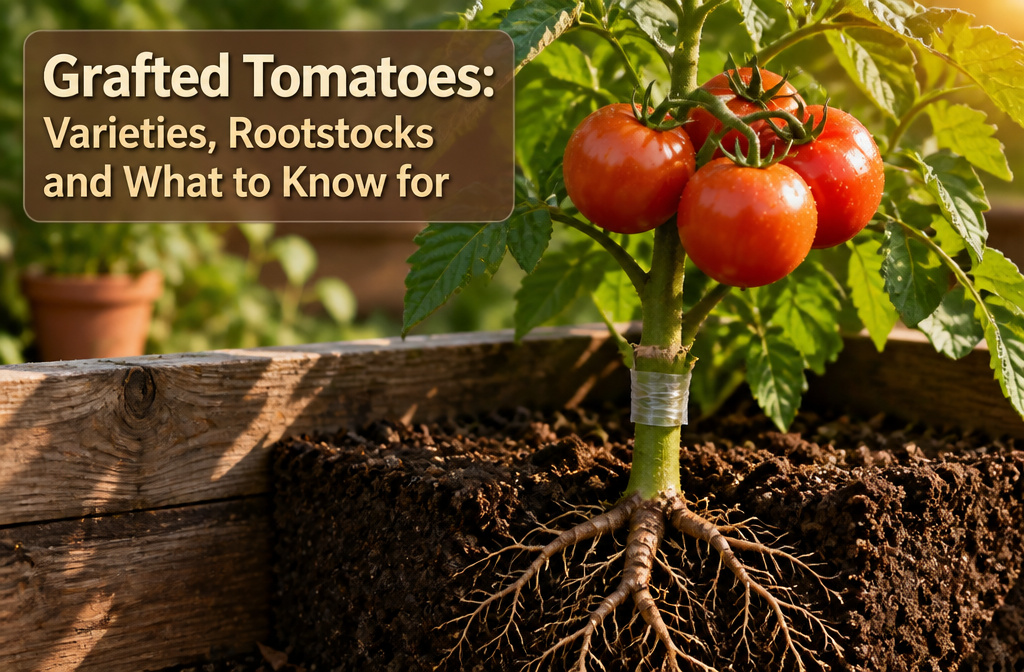
A grafted tomato is two plants fused into one working unit: a flavorful top scion and a vigorous, disease-resistant rootstock below. The catch is the price, roughly triple a standard seedling at $9–18 each. One study still recorded a 170% yield increase even in clean soil with no disease pressure, which is the difference between six pounds of tomatoes off a patio container and ten-plus.
What Grafted Tomatoes Actually Are
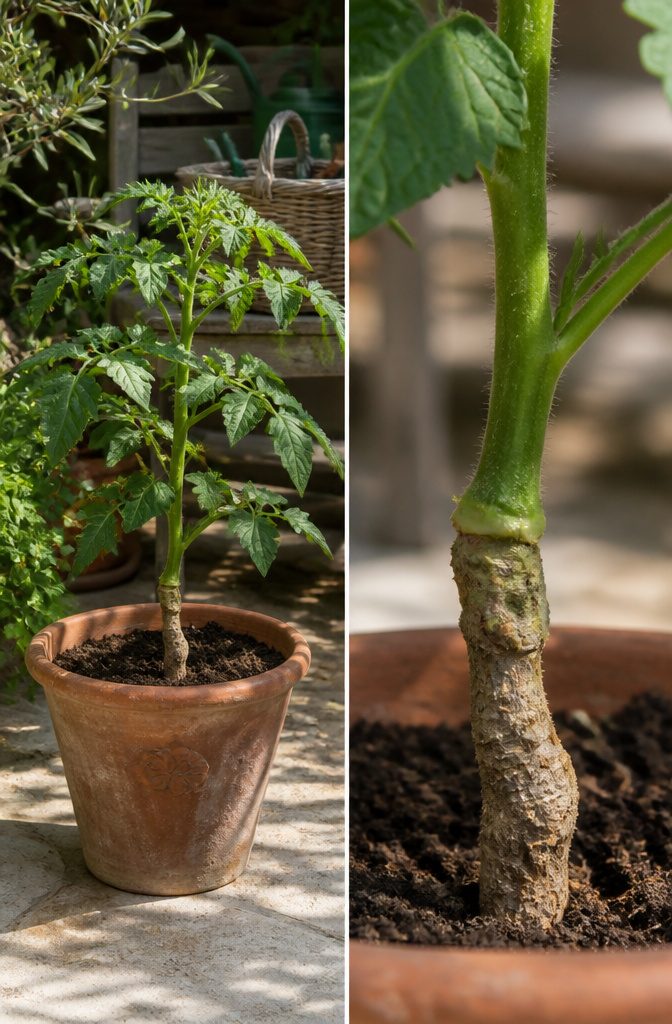
A grafted tomato is two tomato plants fused into one working unit. The scion, which is the top portion, carries the fruit traits you actually want: the flavor of a Brandywine, the size of a Mortgage Lifter, the color of an Indigo Rose. Below the graft union sits the rootstock, selected for brute vigor and disease resistance rather than taste. The rootstock does the underground work, and in exchange the scion sends it sugars.
The payoff for a small-space gardener is direct. One study measured grafted plants against their non-grafted twins in clean soil with no disease pressure and still recorded a 170% yield increase from the same footprint. That is the difference between six pounds of tomatoes off a patio container and ten-plus, or between filling one freezer bag and filling three without buying more pots, more soil, or more balcony rail space.
The catch is the upfront cost. Grafted tomato plants run $9–18 each, roughly triple the price of a standard seedling. The math only works if the extra production covers the gap, which is why I treat grafting as a bet on varieties I already know I love rather than an experiment on something new.
Brandywine
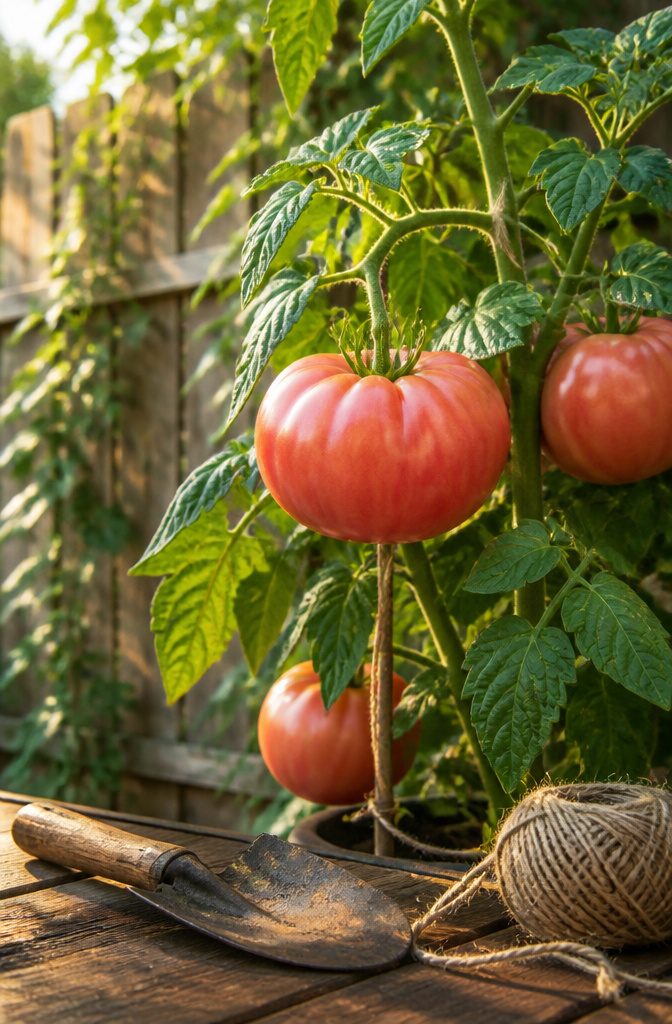
Brandywine sits at the top of most heirloom wish lists for a reason, and that reason is flavor. The large, pink, slightly ribbed fruit carries the kind of old-tomato taste that supermarket hybrids gave up decades ago in exchange for thick skins and shipping durability. The downside, any gardener who has tried it from seed knows, is middling vigor and spotty disease resistance that can leave you with three tomatoes and a plant that folds by August.
Grafting changes that equation. A Brandywine scion on a decent rootstock picks up the stamina it lacks on its own roots, which is why the grafted plant runs $12.95 against $8.50 for the same variety nongrafted at the few retailers that stock both. The 90–100 day maturity stays the same, and the potato-leaf foliage still looks like no modern hybrid, but the yield becomes reliable enough to justify the space and the water. For a gardener working a small plot who wants that particular flavor and is tired of nursing a struggling plant through July, the extra four dollars is the difference between hoping and harvesting.
Cherokee Purple
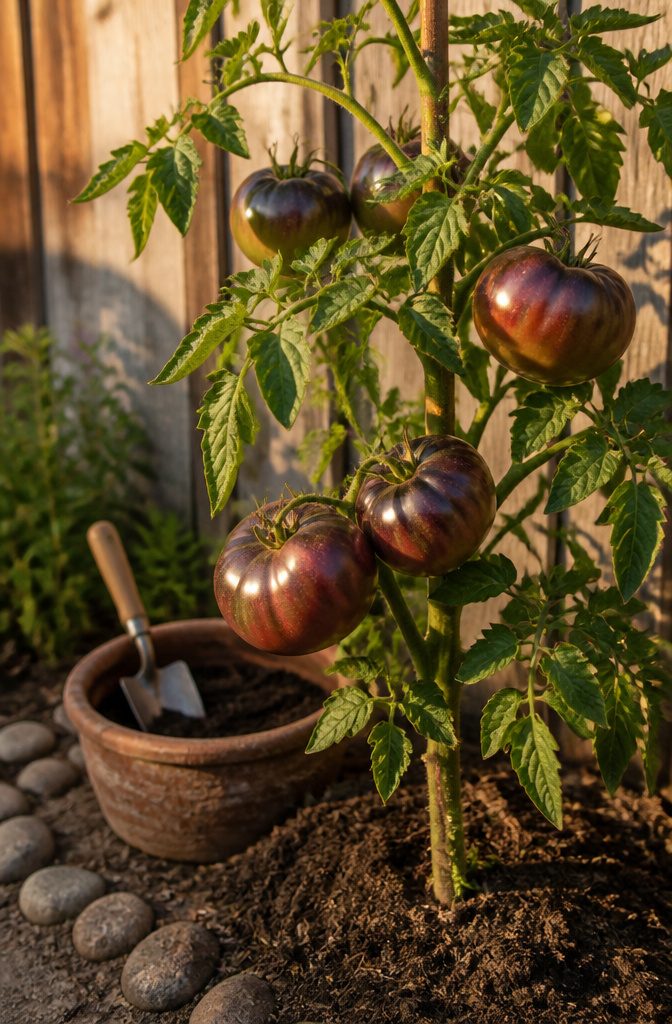
Cherokee Purple shoulders that dark, almost bruised color that makes a sliced sandwich look like something from a bakery case, but the variety can be a headache on its own roots. Cracking along the shoulders and a general susceptibility to disease are the two complaints you hear most often, and both get worse when the season turns hot and wet in the same week, which it always seems to do.
Grafted onto a disease-resistant rootstock, the same plant behaves differently. The root system stays healthier through soil-borne pressure that would normally set it back, and the vigor from those roots translates to more consistent fruit set even when the weather turns uneven. The cracking does not disappear entirely, heirloom skin being what it is, but the plant’s overall stress drops enough that the problem shows up less often and less severely.
I still grow a few ungrafted Cherokee Purples for comparison most years, and the difference in late-season production is usually obvious by mid-August. The grafted plants keep producing clean fruit while the others have tapered off or turned spotty. For a variety this good in a sandwich, that extra run at the end of summer is worth the difference in price at planting time.
Mortgage Lifter
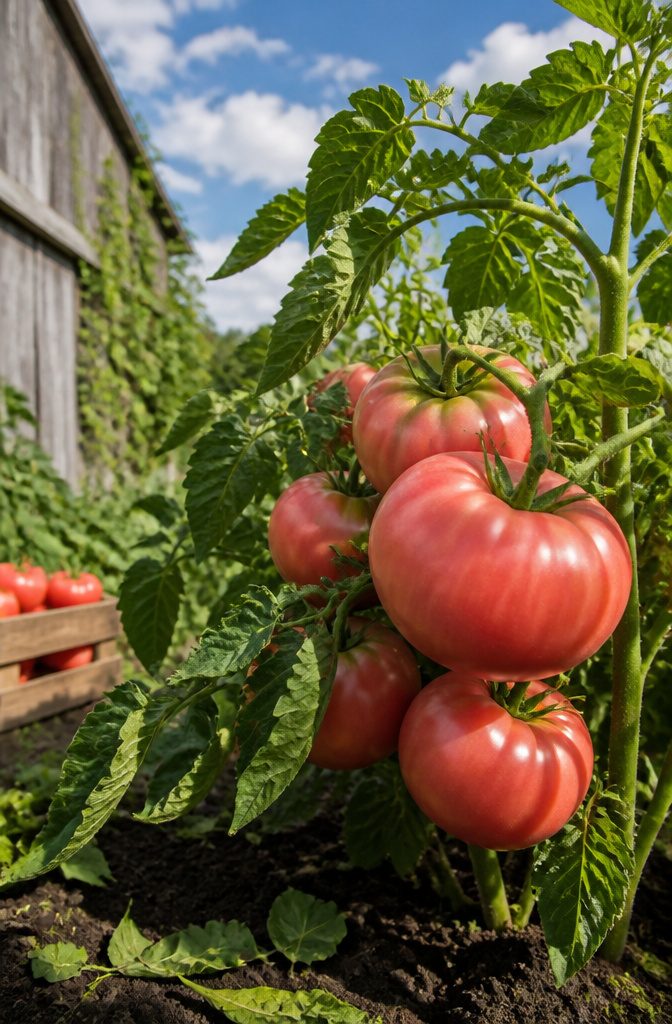
Mortgage Lifter carries one of those Depression-era origin stories that still gets passed around at seed swaps. A West Virginia mechanic named Radiator Charlie reportedly developed the pink beefsteak in the 1940s, then sold enough young plants from his backyard to pay off his house. The fruit runs 1 to 2 pounds, smooth-skinned and milder than the deep acidic punch of a Cherokee Purple, which makes it a reliable slicer when you want tomato to hold its own on bread without drowning everything in juice.
The catch with heirlooms this large is that the plant often spends its energy on foliage or sets fewer fruit than you’d hope for a four-month season. Grafting changes that equation. A vigorous rootstock pushes more water and nutrients up through the scion, and in my reading the difference shows up most clearly in fruit set: a grafted Mortgage Lifter typically bears more tomatoes per cluster than the standard plant manages in home garden conditions, not because the fruit shrinks but because the plant has the resources to hold and mature more of them at once. Disease resistance matters too; the grafted form carries protection against verticillium wilt, fusarium, and several of the soilborne problems that wipe out heirlooms in warm, humid summers.
Indigo Rose
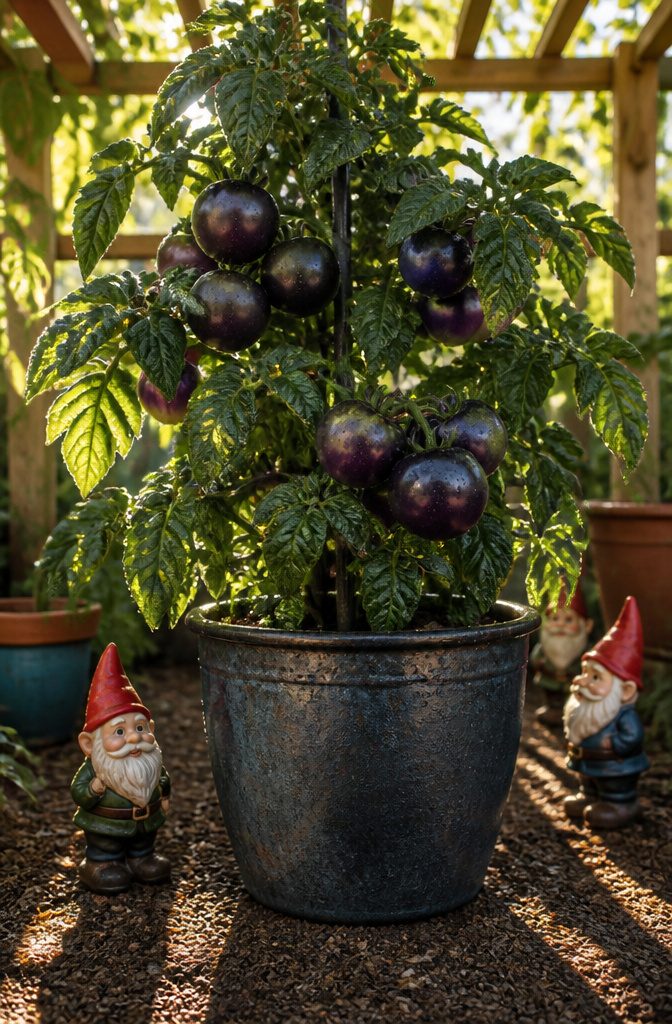
Indigo Rose arrived in 2012 from Oregon State University’s breeding program, built specifically for anthocyanin content rather than flavor. The purple-black skin makes it one of the few tomatoes that reads as ornamental on a patio, which matters when your growing space doubles as outdoor living room.
The catch is familiar to anyone who planted it for looks. Both grafted and ungrafted Indigo Rose plants produce heavily, yet the fruit takes an unusually long time to ripen and tends toward mild, watery flesh when it finally does. In grower comparisons, the rootstock did not change this; the grafted and own-root plants performed nearly identically in flavor and productivity.
For a patio gardener working a single container, that result shapes the decision. If you want the purple color as a conversation piece and do not mind harvesting for looks rather than sandwiches, Indigo Rose delivers. If grafting is meant to rescue a weak producer or intensify taste, this variety gives the rootstock little to work with. Most gardeners in these trials found the same flat result, though a minority disagreed on the flavor, which suggests soil or climate may nudge it more than the graft does.
Big Beef Plus Hybrid
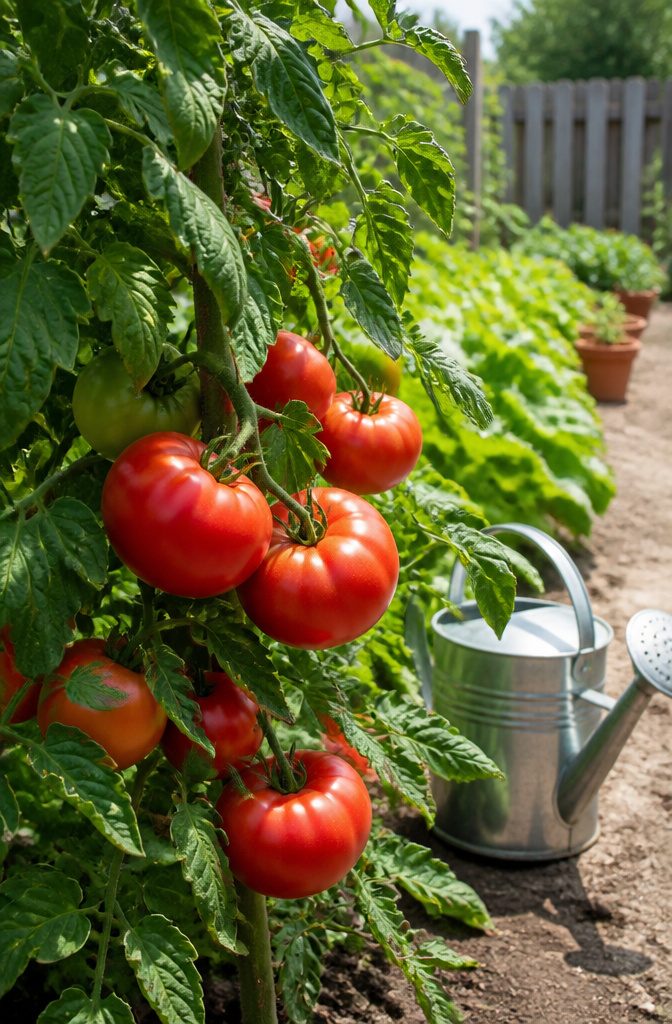
Big Beef Plus Hybrid already carries built-in disease resistance and reliable performance, which is why it has stayed popular since the original Big Beef won an All-America Selection. Grafting stacks additional protections on top of that baseline, pairing the scion with a rootstock bred specifically for soilborne disease resistance rather than fruit quality.
A 2019 field study at the University of Maryland tested Big Beef grafted onto Maxifort rootstock against non-grafted controls in clean soil with no disease pressure. The grafted plants showed a 22.2% increase in potassium uptake compared to the non-grafted ones. That mineral boost matters for fruit development and plant stamina through late summer.
Whether this workhorse needs grafting depends on your situation. In a short-season outdoor plot with no history of soil disease, the yield advantage may not justify the extra cost. The Maryland study found no significant yield difference for Big Beef specifically under those clean-field conditions. For a patio gardener working a small space and watching every dollar, the ungrafted plant already delivers. Grafting earns its keep where disease pressure is known, where you are pushing a long season, or where you have seen plants collapse before Labor Day.
San Marzano
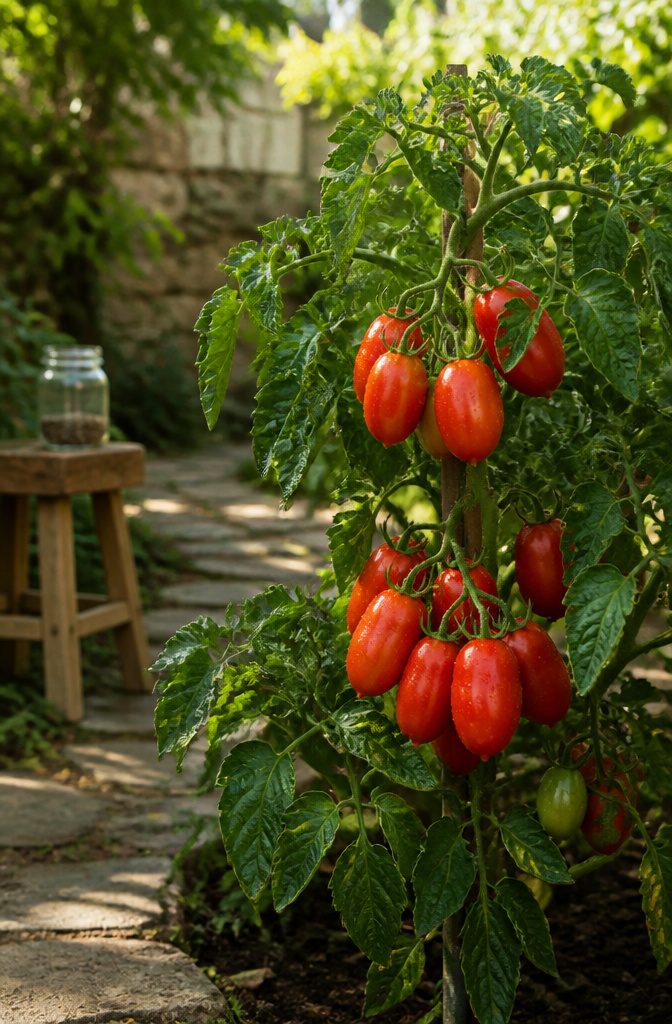
San Marzano paste tomatoes carry a reputation for thick walls and low moisture, the kind of fruit that cooks down to sauce without turning watery. That same dense flesh makes the plant a workhorse in the kitchen, but in the garden it faces a known weakness: susceptibility to fusarium wilt, a soilborne pathogen that can collapse an entire row by mid-July. Grafting onto resistant rootstock directly addresses this, exchanging the plant’s own vulnerable roots for a fortified system.
The variety is determinate, meaning it sets fruit over a shorter window and tops out at a fixed height rather than vining indefinitely. Rootstock vigor complicates this habit in useful ways. A strong rootstock pushes more nutrients upward, and with San Marzano that typically translates to heavier fruit set within the same compressed timeframe, not a longer season. The plant still wants to quit growing after its flush, but the grafted union helps it produce more heavily before it does.
For sauce makers working a small plot, this pairing makes practical sense. You get the paste tomato’s cooking qualities plus rootstock resistance to fusarium, verticillium, and nematodes without rotating beds or fumigating soil. One grafted plant in marginal ground often outproduces two standard ones struggling with infection.
Legend
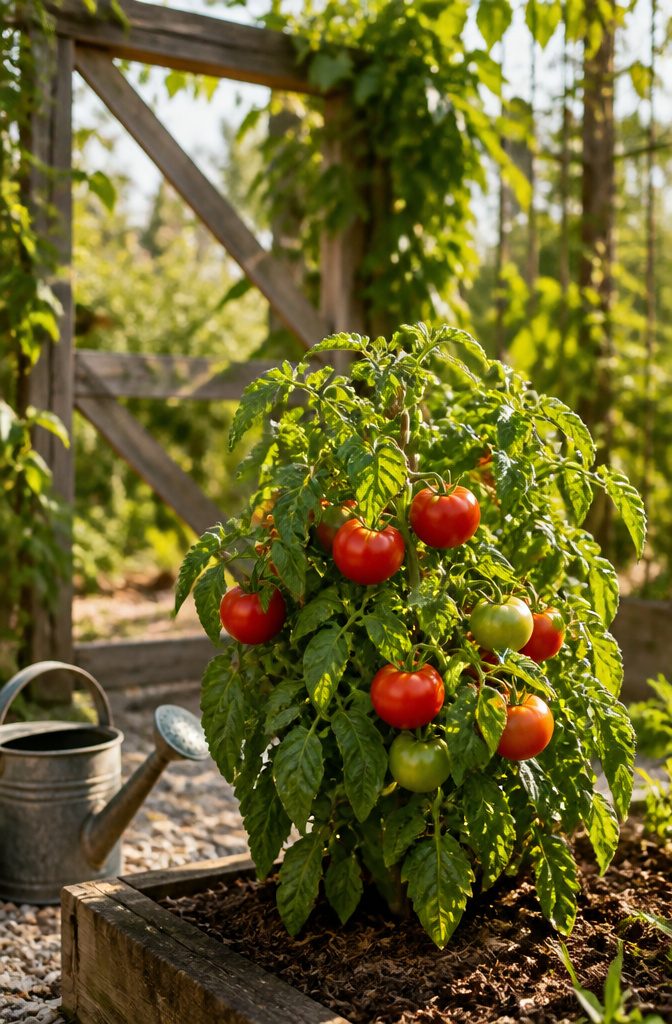
Legend is an early, blight-resistant variety that carries a useful trick for cool springs: parthenocarpic fruit set, meaning it can set fruit without pollination when nights stay too chilly for bees to work. In my zone, that extended reliable production by two to three weeks on either end of the season compared to standard varieties that wait for warmer mornings.
The catch with Legend has always been that its determinate habit and modest vigor limit total yield. Grafting onto a vigorous rootstock changes the math. The scion keeps the parthenocarpic trait and blight resistance, while the rootstock’s larger root system pulls more water and nutrients through cold, wet soil that would slow an ungrafted plant. What I get is earlier harvests in marginal conditions without sacrificing the variety’s core reliability.
Most seed companies label their rootstocks by vigor, though there’s no standard metric behind the claim. For a variety like Legend, the bet is straightforward: pair its cool-weather fruiting with a rootstock proven for root vigor and the grafted plant outperforms either parent alone in the conditions where Legend already shines.
Indigo Ruby
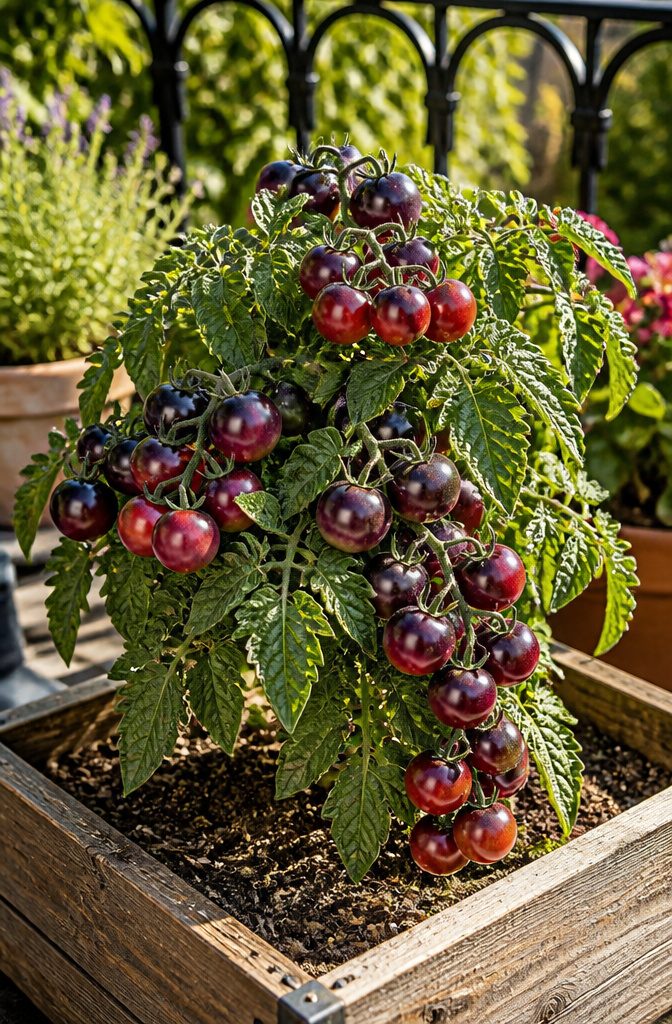
Indigo Ruby is a smaller indigo-type cherry tomato, bred from a cross between Indigo Rose and a cherry tomato. The fruit carries that dark purple-to-red coloring and hits a flavor profile that tends to get described in the same breath as "very tasty," which for a tomato bred partly for looks is not a given.
On a patio or balcony, the ungrafted plant already reads as compact enough for container life. The grafted version, sold under the Mighty ‘Mato line, keeps that manageable footprint. What the rootstock adds is vigor and disease resistance rather than a larger frame, so a gardener working a single pot on a railing is not fighting the growth habit to keep it in bounds. The graft does not turn a patio-suitable plant into one that needs a cage and a yard; it just keeps the same plant healthier and fruiting longer in the same small space.
The catch is the price, which runs steep against standard seedlings. For a container grower buying maybe six plants total for the season, the cost lands differently than for someone filling rows. One way to play it: try one grafted Indigo Ruby against one ungrafted, see if the season length or clean foliage justifies the markup in your own conditions.
Early Girl Classic Hybrid
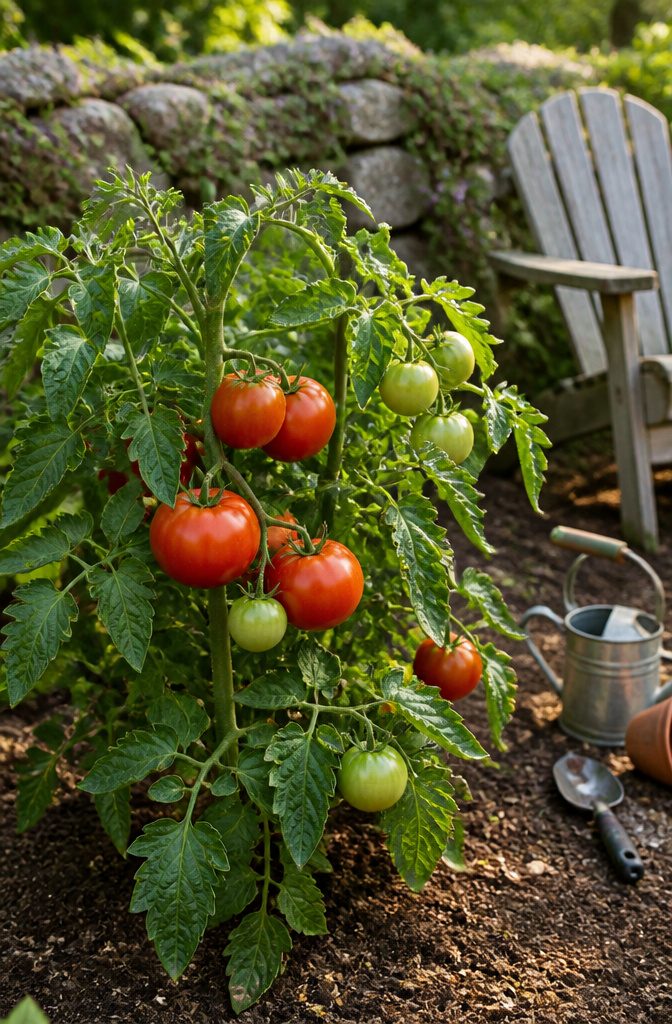
Early Girl Classic Hybrid already carries a 57-day maturity, which puts ripe tomatoes on the vine faster than most full-sized varieties. Grafting onto a vigorous rootstock does not appear to shave additional days off that timeline. What the rootstock adds is stamina: the plant keeps producing at a higher rate through the heat and stress that normally slow an ungrafted Early Girl by mid-July.
Totally Tomato lists the grafted plant at $12.95 against $8.50 for the nongrafted version. That gap matters for a gardener running a tight annual budget. The payoff shows up if your season is long enough, or your soil pressure is high enough, that the extra yield justifies the premium. In a short northern season where frost cuts things off early, the grafted price is harder to earn back. Two ways to play this: buy grafted if you need the plant to carry heavy production deep into August, or stick with standard and spend the savings on a second variety to hedge your season.
DarkStar Hybrid
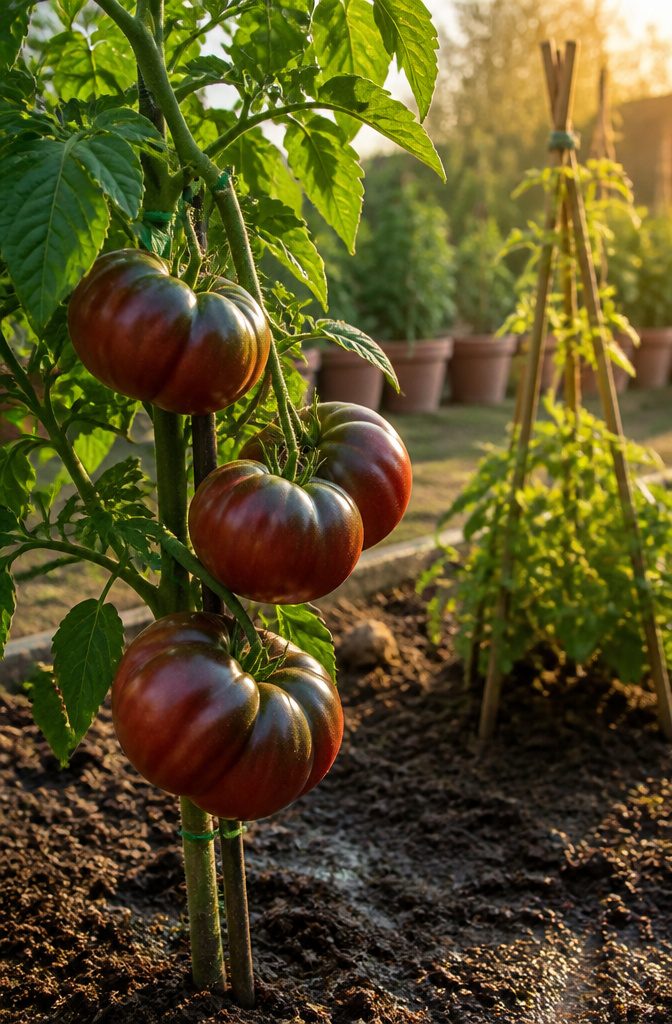
DarkStar Hybrid arrived in catalogs as a darker, beefier alternative to the indigo types that had been dominating the novelty tomato market. Where Indigo Rose produced small, nearly black fruit that looked stunning but tasted flat, this one promised an 8 to 10 ounce purple beefsteak with actual flavor behind the color. The oblate, ribbed fruits carry some of the same anthocyanin blush on their shoulders, but the selling point is size and eating quality rather than novelty.
As a grafted plant, it runs on the same disease-resistant rootstocks that make other hybrids viable for gardeners fighting soil-borne issues. The "V LB" notation indicates resistance to Verticillium wilt and Late Blight, two of the most common killers of home tomato crops in humid summers. That combination matters more than the dark skin itself: a pretty tomato that dies in August helps nobody.
The plants are listed at 70 to 75 days, squarely mid-season, which means they need a reliable rootstock to push them through the whole run. Totally Tomatoes offers grafted plants at $12.95, against $5.35 for ten seeds, so the math only works if your soil problems justify the premium or your season is short enough that vigor buys you weeks of production. For a patio gardener spending $500 a year, one or two grafted plants of something this distinctive makes more sense than a row of them.
Celebrity Plus Hybrid
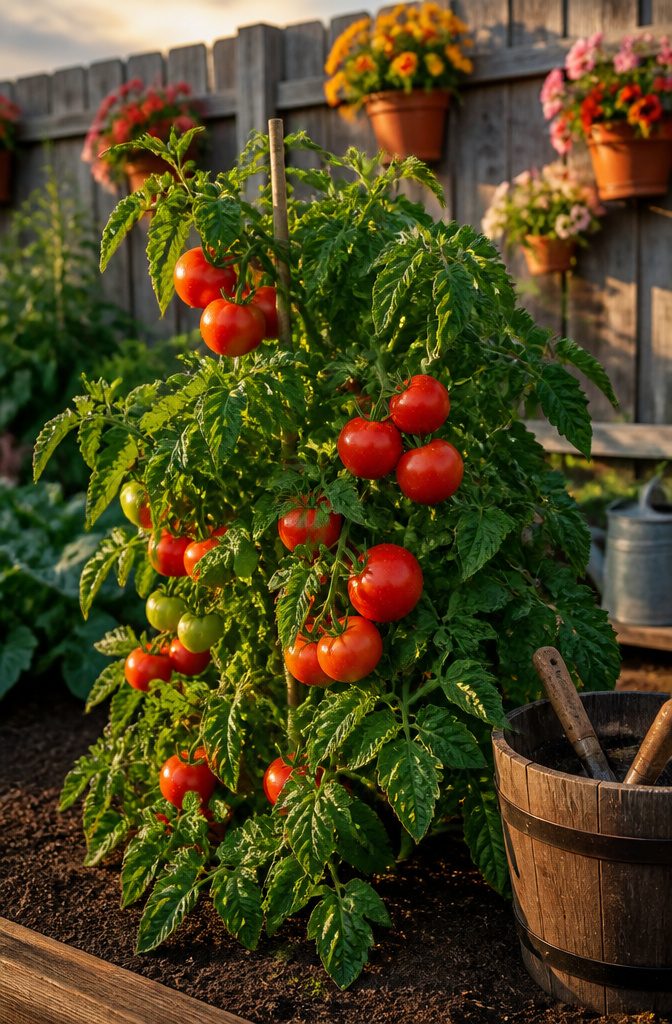
Celebrity has been a backyard workhorse for twenty years, and the grafted version, Celebrity Plus Hybrid, keeps the same semi-determinate habit that tops out around 3 to 4 feet. That manageable size made the original a container favorite, and grafting does not appear to change the plant’s stature. What the rootstock does affect is how the plant carries that load. In my reading, growers running grafted tomatoes on Fortamino or Estamino rootstock report noticeably heavier fruit set from a similarly sized vine, which matters when you are working a 5-gallon patio pot and every inch of height counts.
The semi-determinate growth means production comes in a strong mid-season wave rather than a slow trickle to frost. For a balcony gardener who needs to clear plants out by Labor Day, that timing works. The rootstock also buys some insurance against the uneven watering that containers guarantee; the scion still wants steady moisture, but the grafted root system seems to shrug off a missed day better than its own roots would. I would still run a simple stake or short cage. Grafted or not, a loaded semi-determinant tomato in a pot will sprawl if you let it.
Delicious
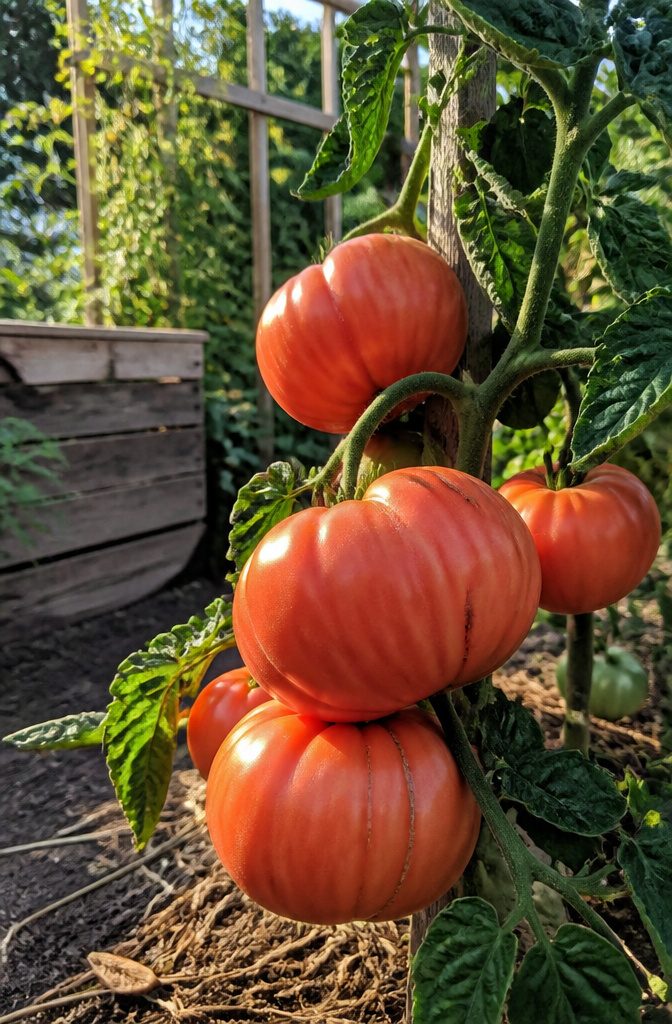
The Delicious variety is the beefsteak tomato that once held the Guinness World Record for fruit size, with most fruits running over 1 lb and many reaching 2 to 3 lbs. At those weights, a standard nongrafted plant often collapses under its own crop or cracks at the stem, so the rootstock matters more here than with a cherry type.
Grafting gives this variety what it needs to actually finish those heavy fruits. The rootstock’s added vigor pushes more water and nutrients up during the swelling weeks, and the stronger root system anchors the plant against the top-heavy load. A nongrafted Delicious plant set me back about $8.50 last season, while the grafted version ran closer to $13. For a slicer this size-dependent, the extra cost buys insurance against the disappointment of watching a two-pounder drop before it ripens.
Amish Paste
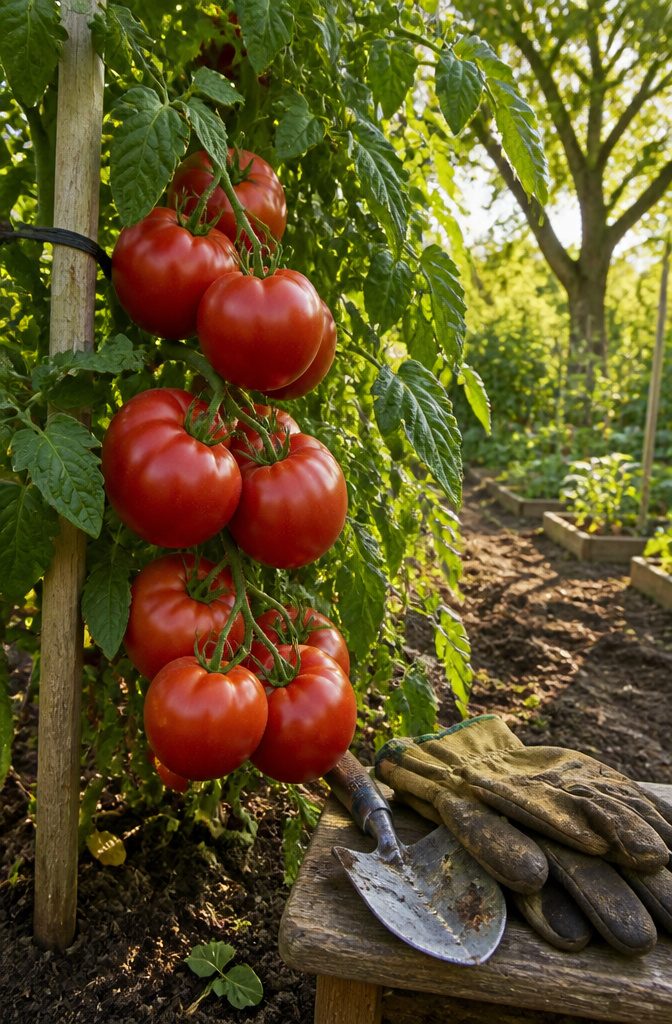
Amish Paste dates back to the early 1900s and carries the classic heirloom tradeoffs: heart-shaped, deep red fruit that sauces and cans beautifully, but often with a sparse fruit set and later maturity that can leave you waiting while hybrids already pile up on the counter. Grafting changes the math here. A vigorous rootstock pumps more energy into the scion, which translates to heavier production from a variety that otherwise holds back. The rootstock also buys tolerance to soilborne trouble like fusarium and verticillium, the very diseases that can knock an ungrafted Amish Paste flat in its second or third season in the same bed. A grafted plant runs $12.95 against $8.50 for the same variety ungrafted, so the question is whether that $4.45 gap pays out in fruit you would have lost. For a small patio grower with one or two plants in containers, the vigor bump alone often justifies it; Amish Paste on its own roots can look healthy enough but still set like a miser.
Ketchup ‘n’ Fries
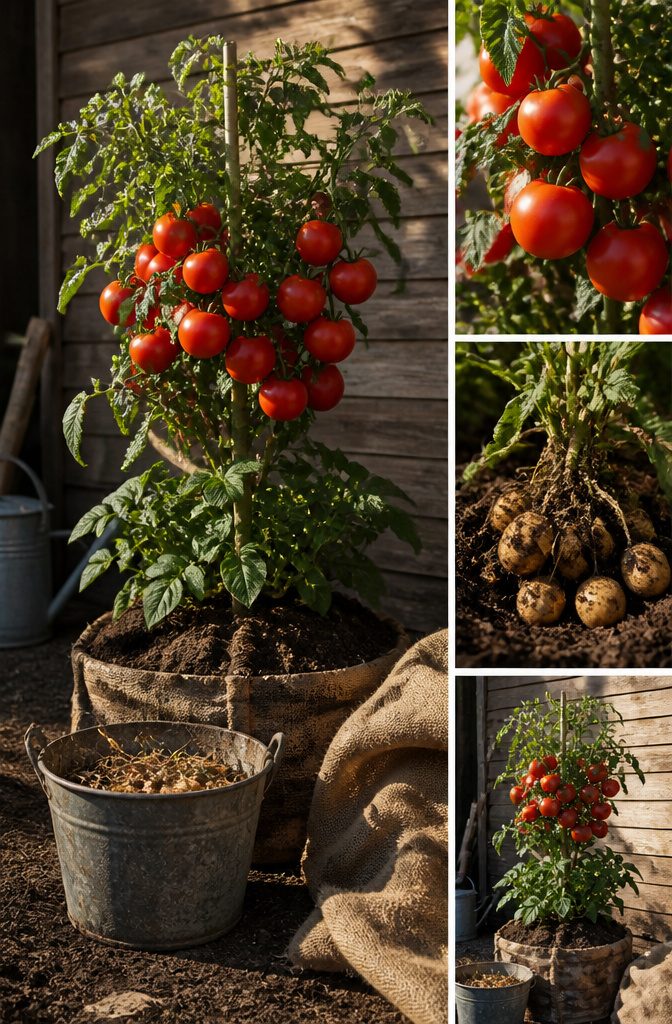
The first time I saw a "Ketchup ‘n’ Fries" plant at a nursery, I spent five minutes trying to figure out if the tag was a joke. It was not. Someone had grafted a tomato scion onto a potato rootstock, and the thing was actually for sale: red fruit up top, tubers down below, two nightshades in one hole.
For a balcony gardener counting every square foot, the pitch is obvious. One container, two crops, half the soil and water. The reality is that neither crop performs at full strength. The tomato portion typically yields less than a standard grafted plant because the rootstock is dividing its energy between fruit production and tuber formation. The potatoes come out smaller and fewer than what you’d get from a dedicated seed potato planted at proper depth.
I have never grown one myself, and after reading grower reports, I am not tempted. The plants cost more than buying a tomato start and a bag of seed potatoes separately. Most people who try them seem to harvest enough for a single meal of each, then compost the spent vine.
If your gardening budget is tight and your space is tighter, this is a conversation piece with a harvest attached, not a serious production strategy. Buy it for the neighbor who asks "what on earth is that," not for your winter pantry.
How Grafting Works
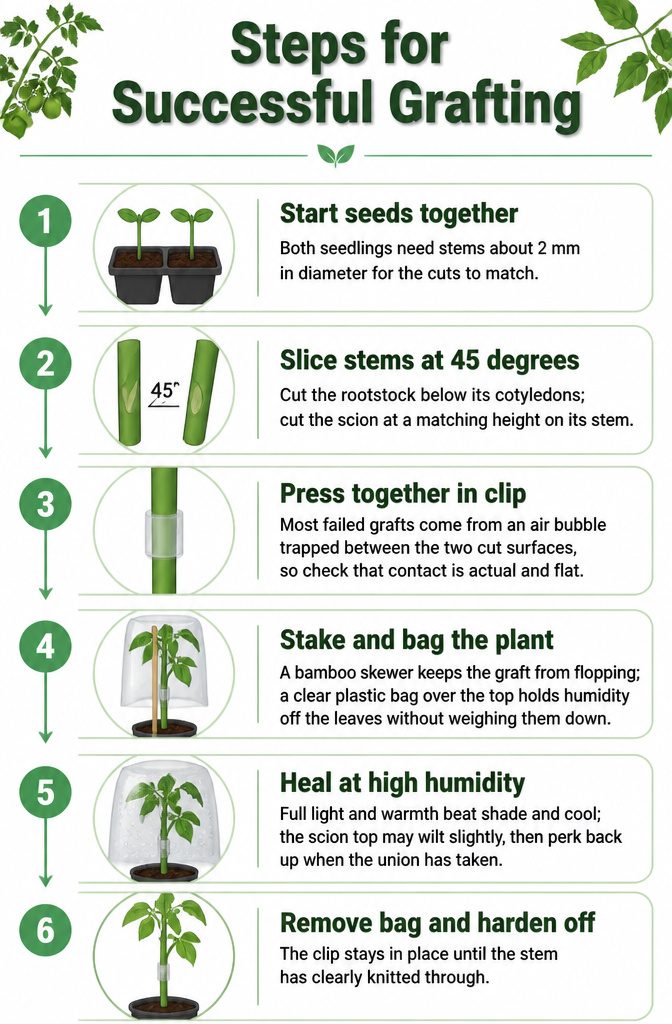
Tube grafting, also called Japanese top-grafting, is the method most home growers use because it works on seedlings small enough to handle under a humidity dome.
-
Start rootstock and scion seeds at the same time. Both seedlings need stems about 2 mm in diameter for the cuts to match.
-
Slice each stem at a 45-degree angle. Cut the rootstock below its cotyledons; cut the scion at a matching height on its stem.
-
Press the angled faces together inside a 1.5–2 mm silicone clip. Most failed grafts come from an air bubble trapped between the two cut surfaces, so check that contact is actual and flat.
-
Stake the plant and bag it. A bamboo skewer keeps the graft from flopping; a clear plastic bag over the top holds humidity off the leaves without weighing them down.
-
Heal at 85–95% humidity for two to three days. Full light and warmth beat shade and cool; the scion top may wilt slightly, then perk back up when the union has taken.
-
Remove the bag and harden off. The clip stays in place until the stem has clearly knitted through.
Cleft grafting and approach grafting exist, but cleft needs larger plants and approach takes more bench space. For a patio setup with a dozen plants, tube grafting is the proportion that actually gets finished.
Rootstock Choices
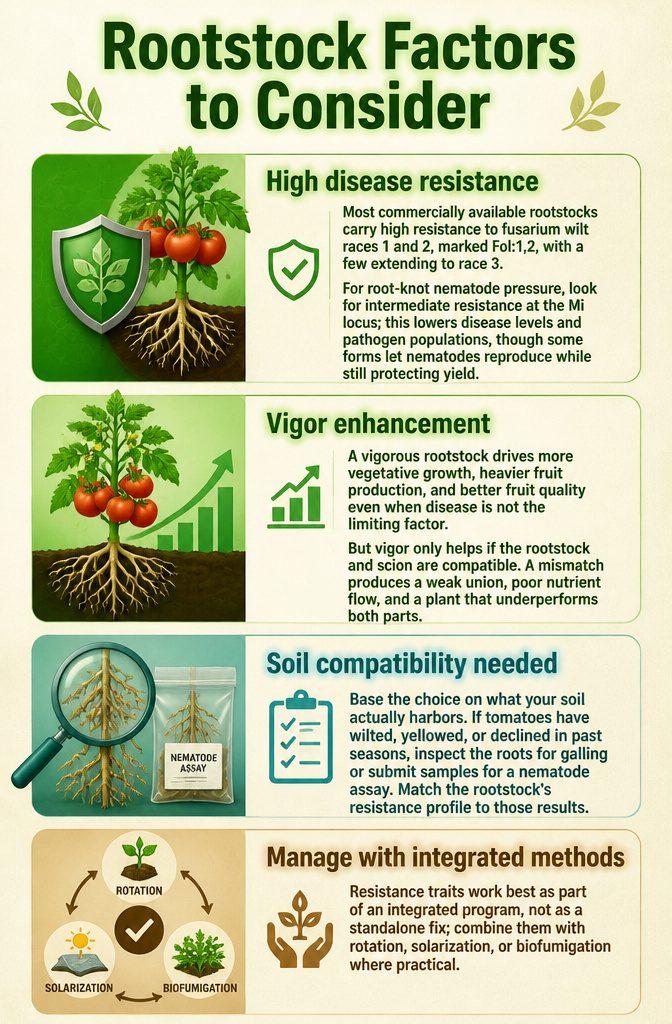
The rootstock matters more than whatever tomato variety you graft on top. Most commercially available rootstocks carry high resistance to fusarium wilt races 1 and 2, marked Fol:1,2, with a few extending to race 3. For root-knot nematode pressure, look for intermediate resistance at the Mi locus; this lowers disease levels and pathogen populations, though some forms let nematodes reproduce while still protecting yield.
Vigor enhancement is the second reason to choose carefully. A vigorous rootstock drives more vegetative growth, heavier fruit production, and better fruit quality even when disease is not the limiting factor. But vigor only helps if the rootstock and scion are compatible. A mismatch produces a weak union, poor nutrient flow, and a plant that underperforms both parts.
Base the choice on what your soil actually harbors. If tomatoes have wilted, yellowed, or declined in past seasons, inspect the roots for galling or submit samples for a nematode assay. Match the rootstock’s resistance profile to those results. Resistance traits work best as part of an integrated program, not as a standalone fix; combine them with rotation, solarization, or biofumigation where practical.
Buying vs. Doing It Yourself
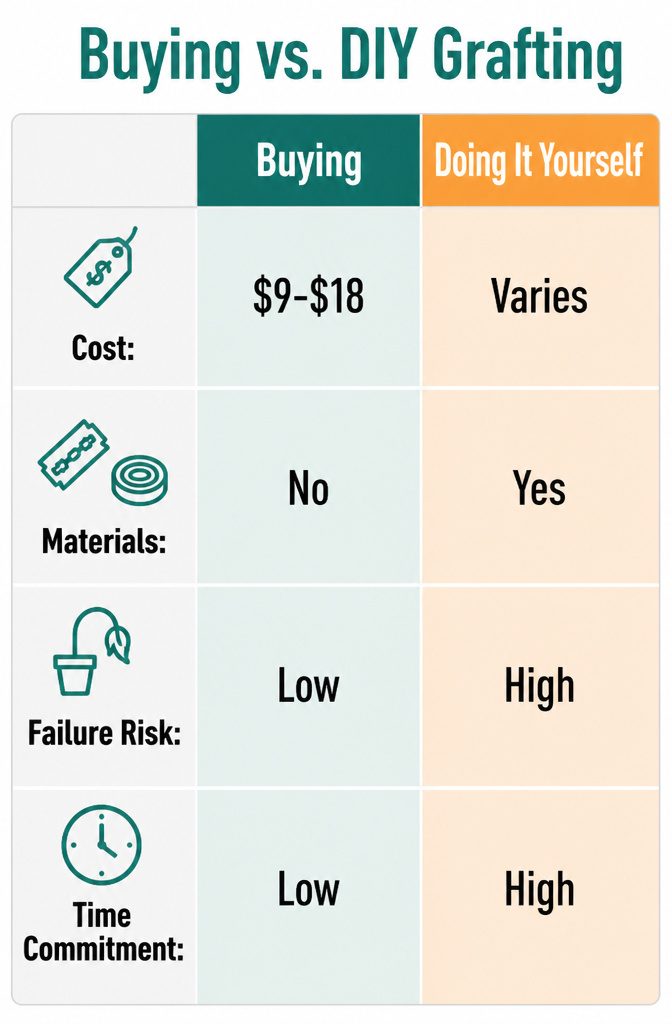
A single grafted tomato plant runs $9 to $18, which stings when you need six or eight plants for a modest plot. The alternative, doing it yourself, means buying silicon tubing, razor blades, and the separate scion and rootstock seed, then building a healing chamber with the humidity and indirect light a new union demands for up to a week. The supplies are cheap enough, but the real cost is the failed grafts while you learn to match stem diameters exactly and keep the meristem from drying out before it knits.
Commercial growers absorb that learning curve and the chamber setup, and they cull the failures before the plants reach you. For a home gardener with a single small greenhouse or a sunny windowsill, the space and time to nurse along uncertain grafts may not exist at all.
Grafted plants have become easier to find as demand has grown. Garden centers now stock them seasonally, though they sell out fast, and several mail-order nurseries list them in their catalogs. I have seen ‘DarkStar Hybrid’ grafted plants at $12.95, out of stock by the time I checked back. The limited supply means planning ahead, not waiting until Memorial Day weekend like you might with ordinary transplants.
What Can Go Wrong
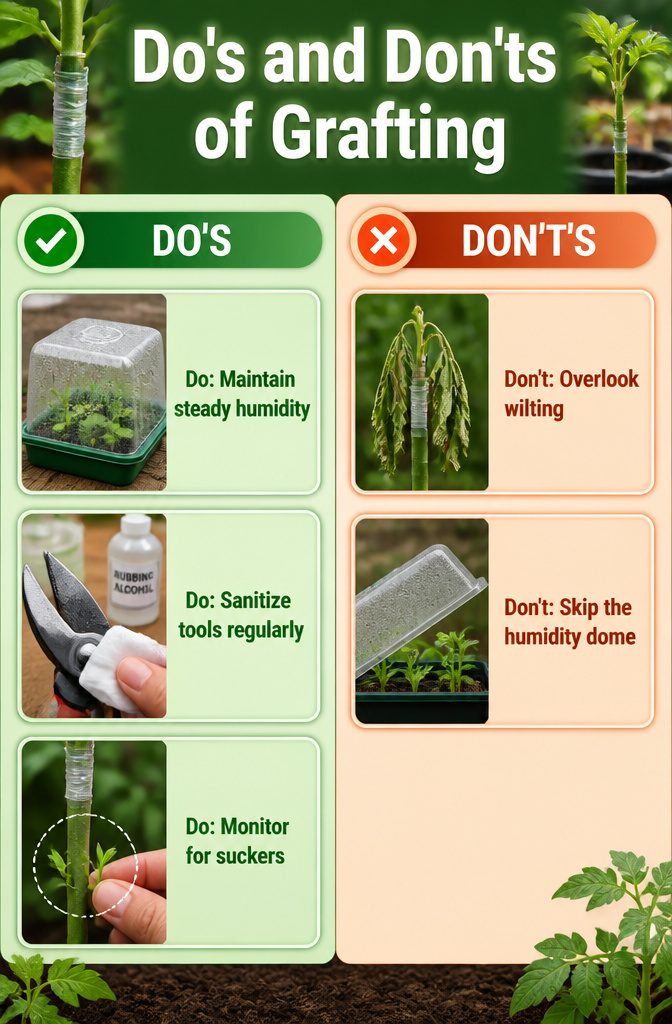
A failed graft union usually announces itself within the first two weeks. The scion wilts while the rootstock stays green, or the whole plant collapses at the join where the two tissues never properly knitted. I lost two plants my first season before I realized my makeshift humidity tent was letting in too much dry air; the cut surfaces callused over without actually bonding, leaving a brittle scar that broke under the first real wind. Healing demands steady humidity, roughly that of a closed propagator, and a humidity dome left propped open "just a crack" for ventilation is often enough to wreck it.
Sanitizing tools between cuts sounds like fussy advice until you watch mosaic virus travel from an infected rootstock to a clean scion on the same blade. A quick wipe with rubbing alcohol takes seconds; skipping it can cost the whole batch.
Rootstock suckering below the graft line is the slowest failure to catch. These vigorous shoots look like bonus growth, but they are genetically the rootstock, not your tomato, and they will outcompete the scion if left alone. The first season I grafted, I left a sucker for nearly a month, wondering why the plant’s fruit looked nothing like the label. Now I check the base weekly and snap off anything emerging below the graft while it is still thumb-sized.
Frequently Asked Questions
What are grafted tomatoes?
A grafted tomato is two tomato plants fused into one unit. The scion on top carries the fruit traits you want, like flavor and color, while the rootstock below provides vigor and disease resistance. Studies show even in clean soil with no disease pressure, grafted plants can produce a 170% yield increase from the same footprint.
Why should I graft tomatoes?
Grafting combines the best traits of two plants: the scion gives you the fruit quality you want, while the rootstock adds disease resistance, stronger roots, and higher yields. The tradeoff is upfront cost, with grafted plants running $9–18 each versus roughly $3–6 for standard seedlings. The math works when extra production covers that gap, especially for varieties you already know you love.
How do I graft tomatoes?
Tube grafting, also called Japanese top-grafting, is the standard home method. Start rootstock and scion seeds together so stems match at about 2 mm diameter, slice both at 45-degree angles, press the cut faces together inside a 1.5–2 mm silicone clip, then heal the plant at 85–95% humidity for two to three days under a clear plastic bag. Most failures come from air bubbles trapped between the cut surfaces, so check that contact is flat and actual before you clip.
What are the best rootstocks for grafting tomatoes?
Choose rootstocks based on your specific soil problems and desired vigor. Most commercial rootstocks carry high resistance to fusarium wilt races 1 and 2, marked Fol:1,2, with some extending to race 3. For root-knot nematode pressure, look for intermediate resistance at the Mi locus. Vigor enhancement varies by rootstock, but a mismatch between rootstock and scion produces weak union and poor nutrient flow, so compatibility matters as much as individual traits.