
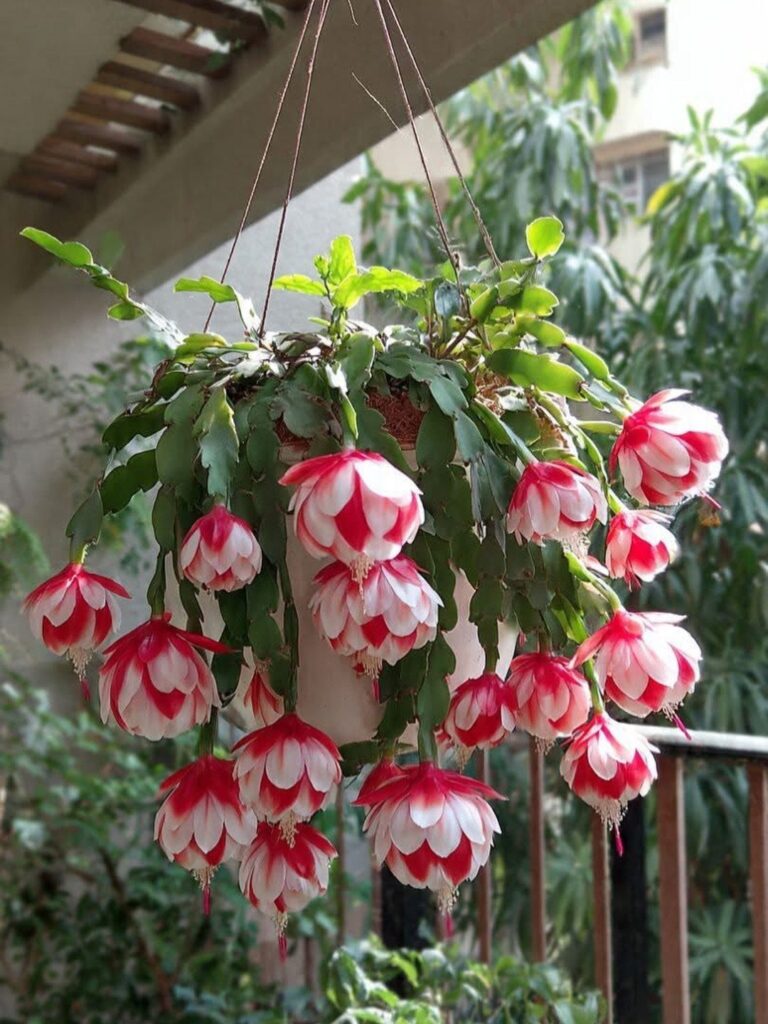
These Christmas plants range from an amaryllis bulb you start yourself to a cymbidium orchid that outlasts any cut bouquet, and the only question that matters is whether you need the plant to survive past New Year’s.
If you are traveling or tend to forget waterings, the Christmas cactus forgives neglect for decades; if you want berries through February in a zone 5 yard, holly needs a male and female pair and nothing else on this list will do.
I cut the foil wrapper off every potted plant the day it arrives, since trapped water kills more of these than drought.
1. Poinsettia
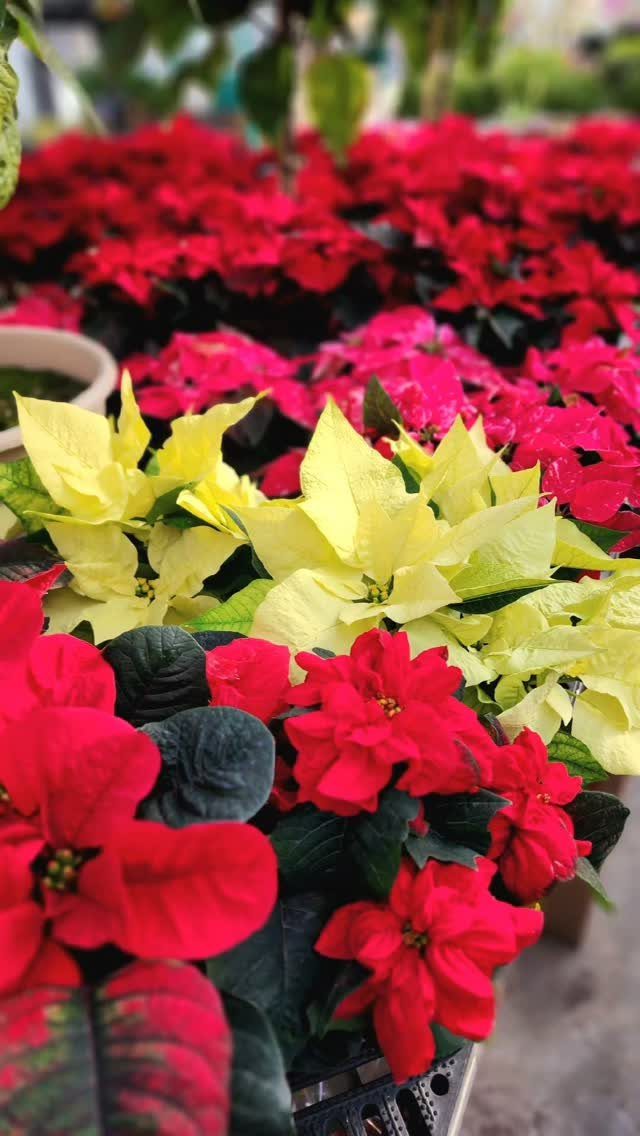
No Christmas plant display feels complete without poinsettias filling the table or mantel.
I keep mine in bright, indirect light and water when the soil surface dries; the color comes from bracts, not petals, so that red stays for weeks with steady care.
Cold drafts from a doorway will drop leaves fast, so I set them back from entryways.
2. Amaryllis
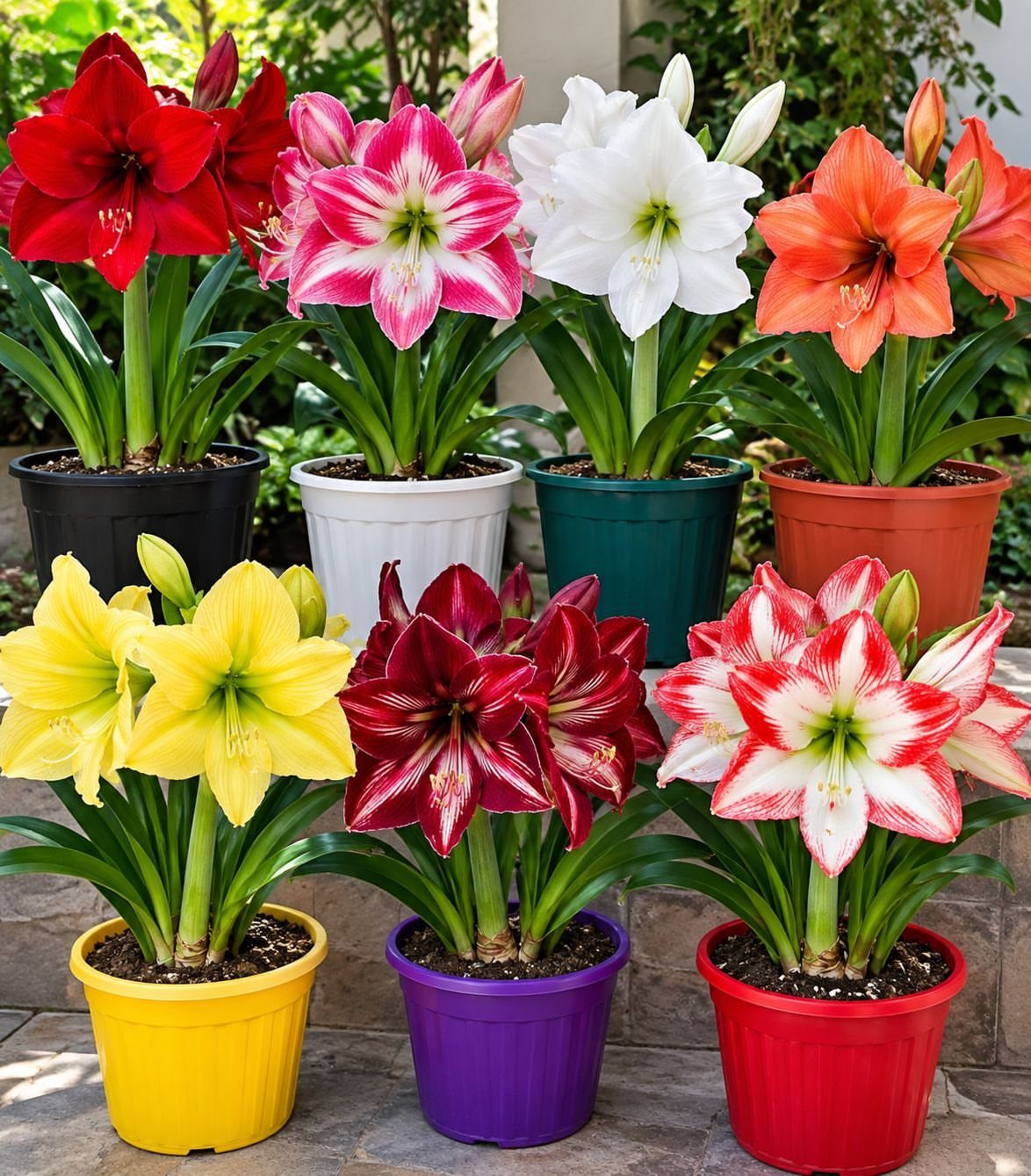
Amaryllis bulbs give you a bloom the size of your hand from a pot that fits on a windowsill.
I start mine 6-8 weeks before I want flowers, planting the bulb so the top third sits above the soil in a heavy pot; the flower stalk gets tall and needs the weight.
A single bulb is inexpensive, and most will send up 2 stalks with multiple flowers. I rotate the pot a quarter turn daily so the stalk grows straight toward the light.
3. Cyclamen
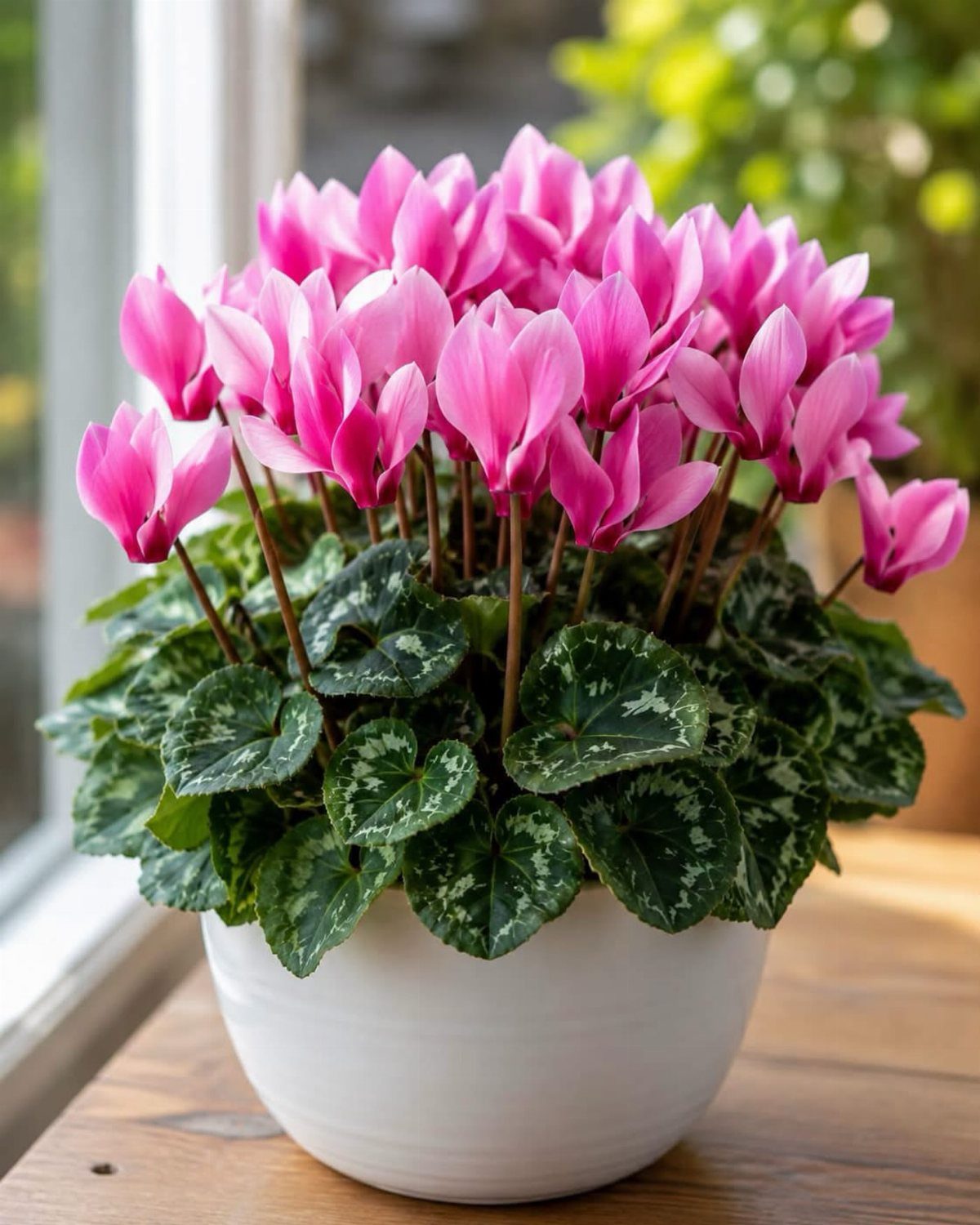
Water from below by setting the pot in a saucer for 20 minutes, since wet crowns rot the tuber.
Pink is the classic choice, though white and deep red are easy to find. Expect months of bloom before the plant goes dormant in late spring.
4. Christmas Cactus
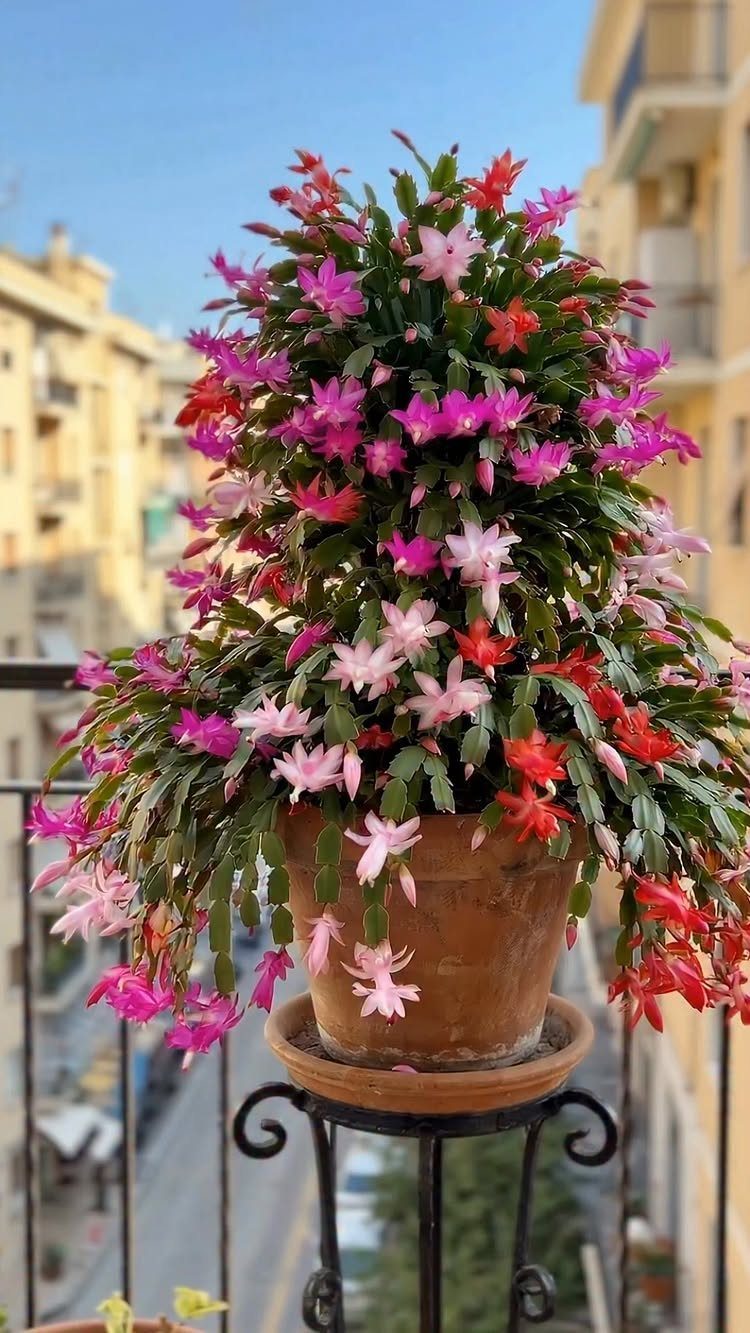
A Christmas cactus can live for decades, blooming on the same schedule each November or December. I let mine dry almost completely between waterings, then soak until water runs through; soggy soil rots the roots faster than underwatering stresses it.
Buds drop if you move it while they are forming, so I choose its spot early and leave it. This is the plant for someone who wants holiday color without daily attention.
5. Holly
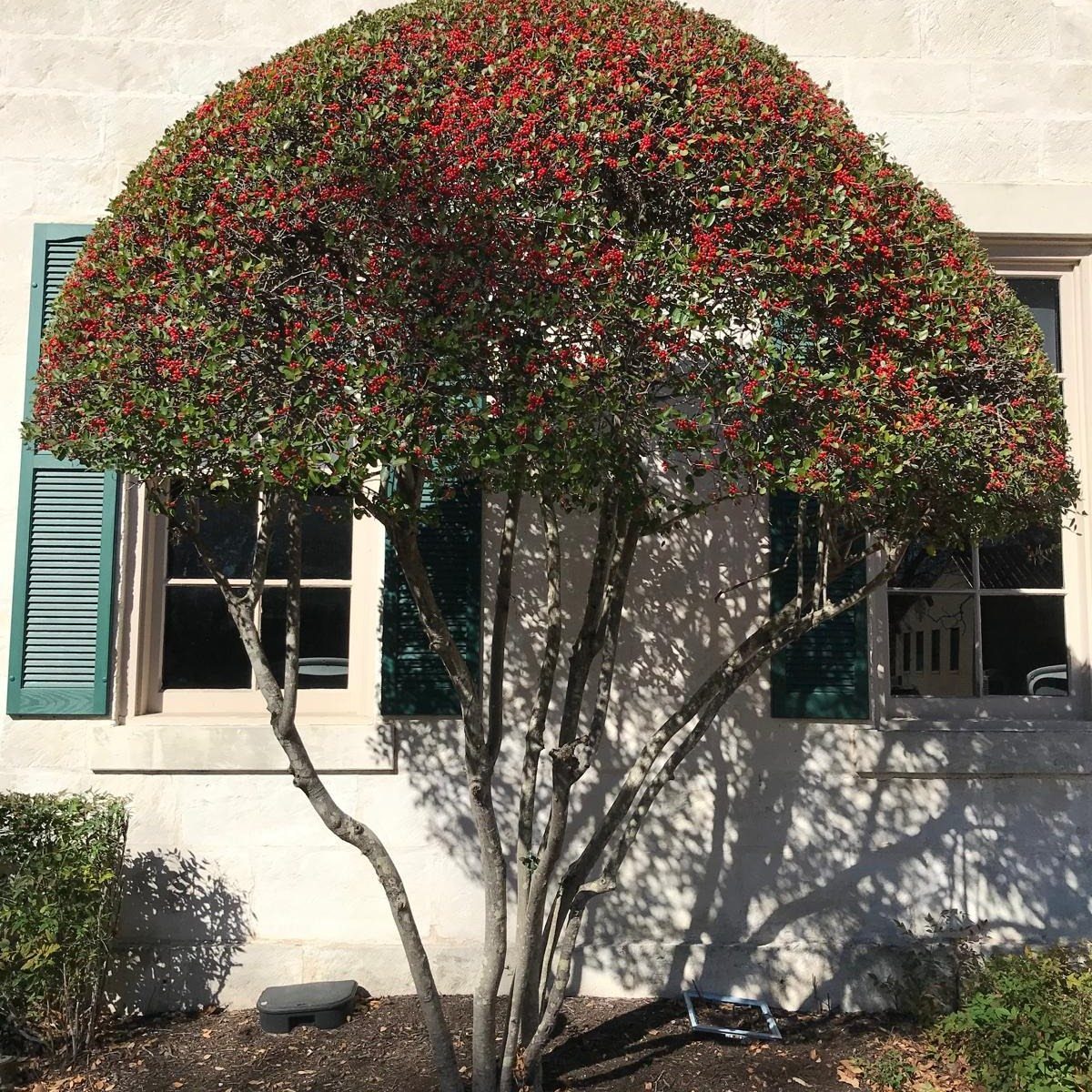
Holly works outdoors where most Christmas plants fail, giving you berries through winter in zones 5-9. You need a male and female plant for berries, so I check the tag or ask at the nursery rather than guessing.
The spiny leaves stay green year-round, and the red berries feed birds once the hard frosts soften them. For a small yard, the dwarf cultivars stay under 4 feet.
There are more than 30 different species of holly growing in the Gardens.
6. Cymbidium Orchids
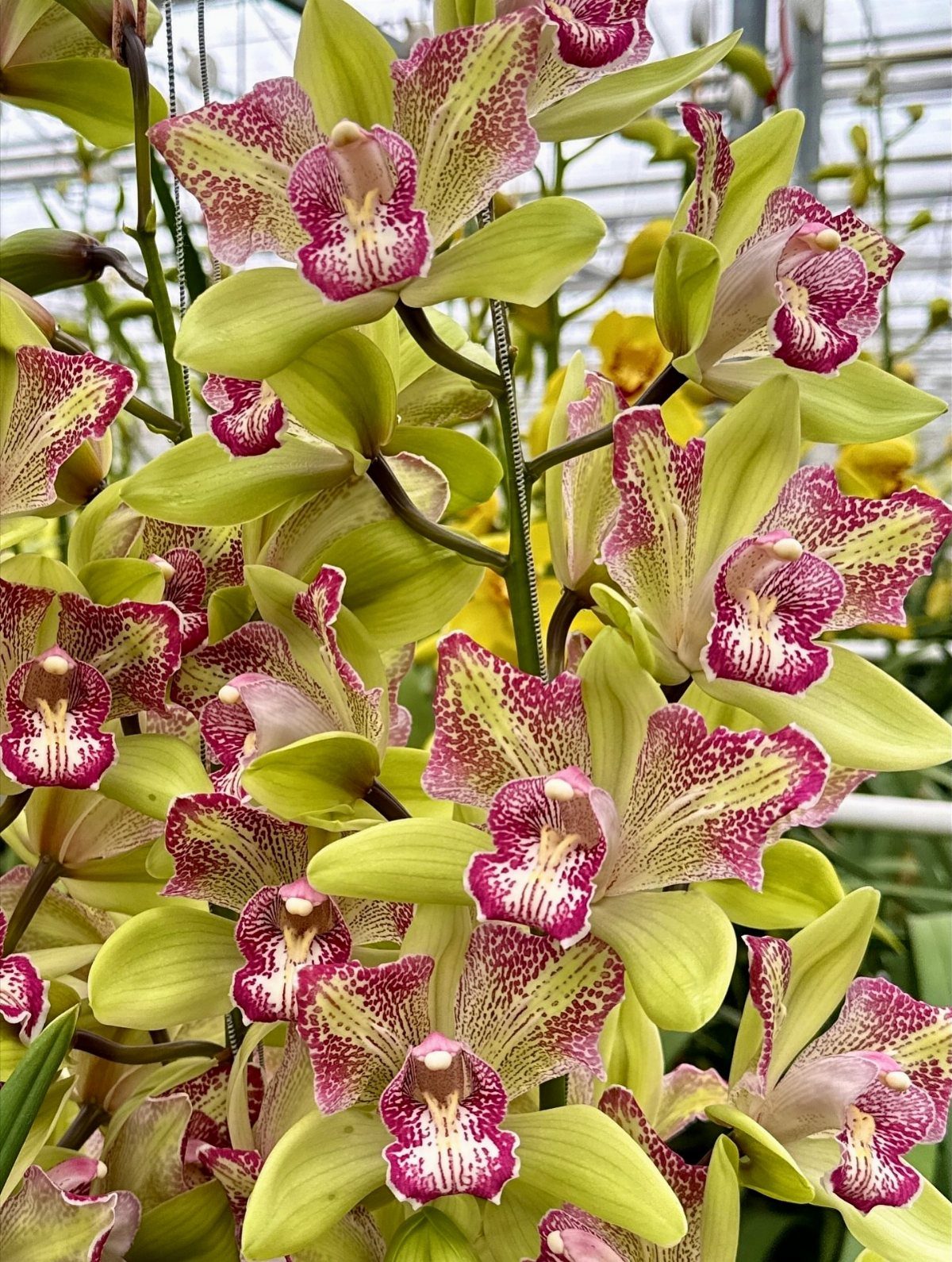
Cymbidium orchids bloom when most others rest, sending up spikes of green and magenta flowers from January through March in my experience.
They want cool nights to set buds; a bright, unheated room or enclosed porch works better than a warm living room.
I pot mine in coarse bark, water weekly, and hold off on feeding once buds appear; the plant gets its nutrients during active leaf growth, not when it’s putting energy into blooms.
A blooming-size plant costs more than a cut bouquet but lasts for years.
7. Red Roses
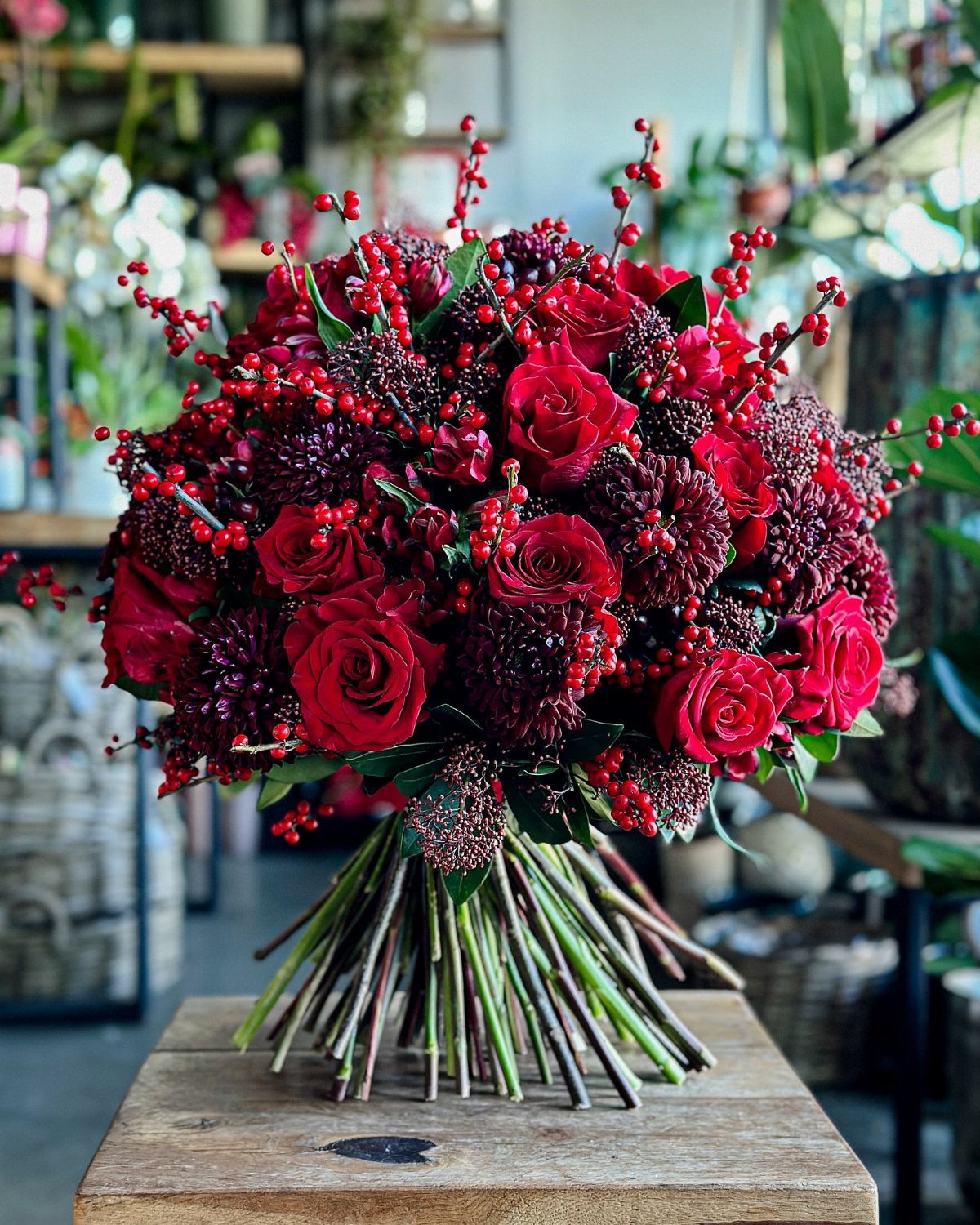
Red roses in a holiday bouquet give you the classic Christmas color without keeping a plant alive through January.
I buy mine close to when I need them, choosing stems with firm buds just starting to open; tight buds may never open indoors, and fully open ones fade fast.
Cut the stems at an angle under running water, strip leaves below the waterline, and add the packet of food that comes with them.
A dozen stems cost less than most potted holiday plants and simpler if you are traveling for the holiday.
8. Helleborus (Christmas Rose)
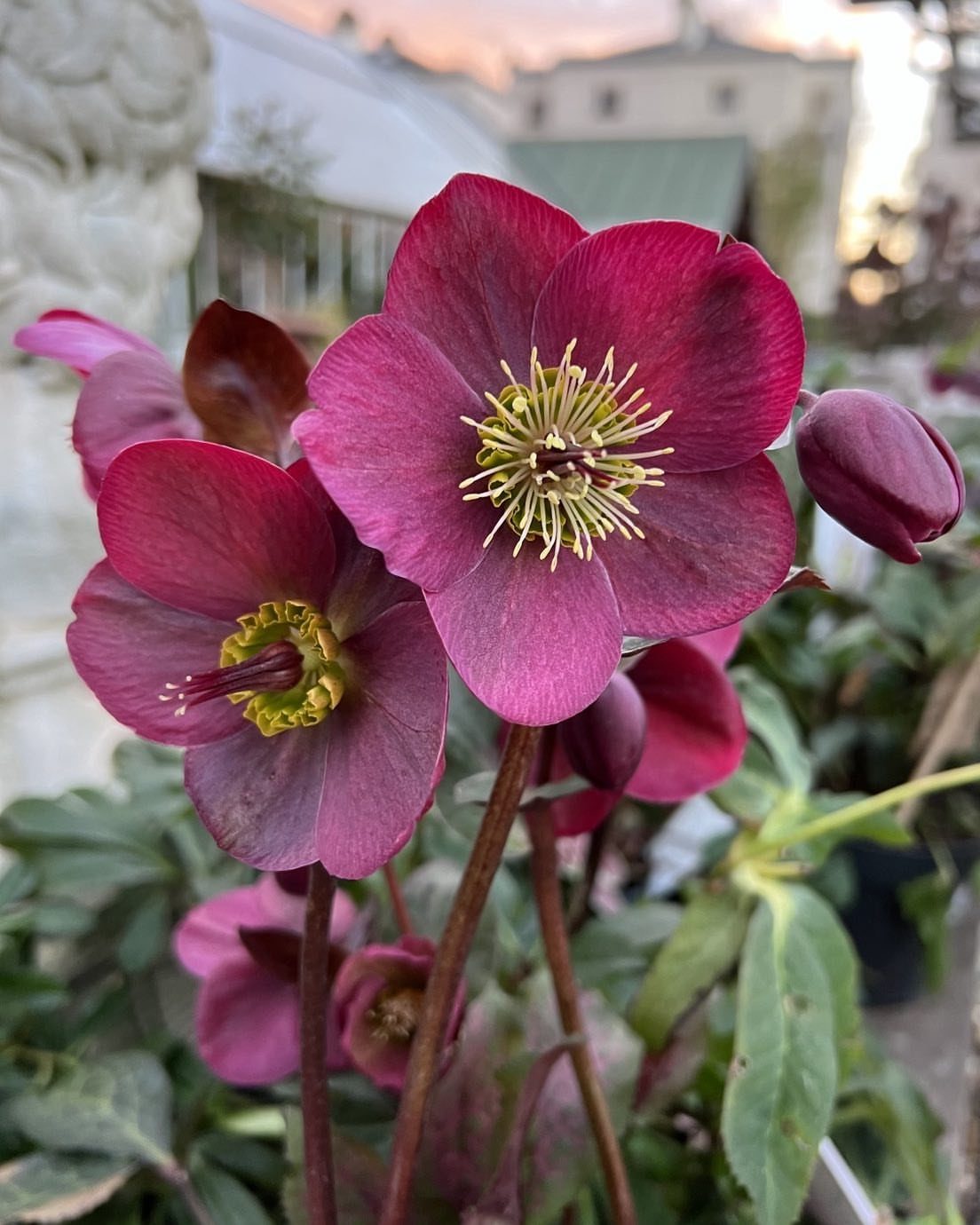
Helleborus flowers face outward like saucers from January through March, sometimes pushing through snow in zones 4-9.
The deep pink is ‘Anna’s Red’ or a similar cultivar; I plant mine in partial shade where the soil stays moist but drains, since wet roots in summer kill more hellebores than winter cold.
The evergreen leaves look rough by bloom time, so I cut them back in late winter to let the flowers show clean. All parts are toxic, which means deer leave them alone but I wear gloves when handling.
9. Potted Holiday Azaleas
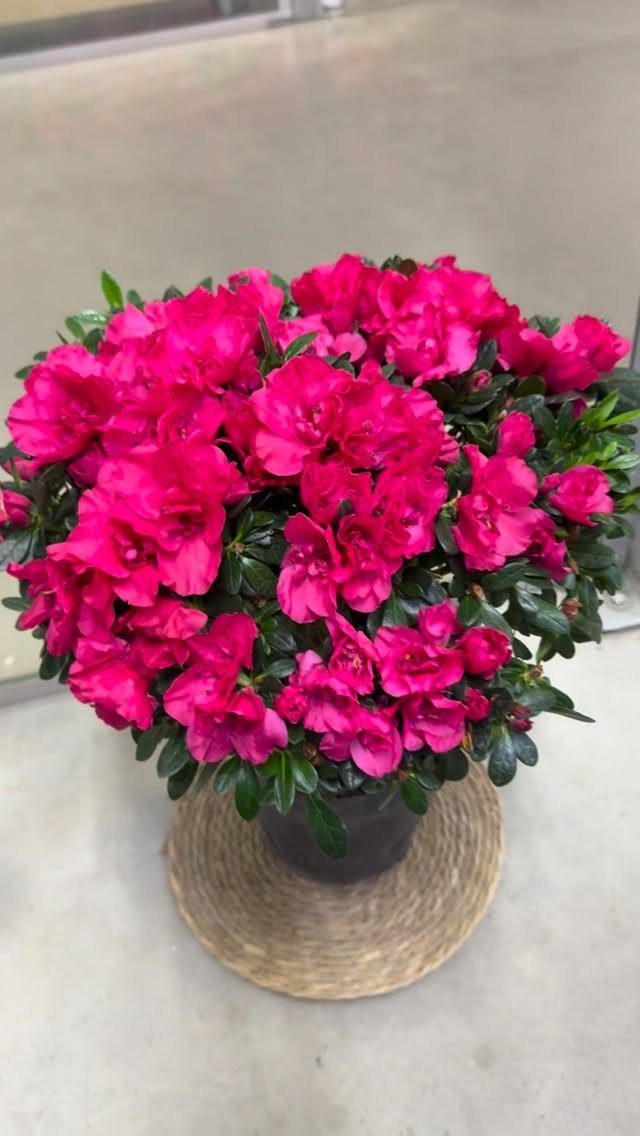
A potted azalea covered in blooms looks like a hothouse luxury, but these are forced greenhouse plants that struggle once the flowers drop.
I treat mine as a short-term centerpiece, keeping the soil evenly moist and the pot away from heating vents that dry the buds.
After blooming, the plant wants cool, humid conditions most homes cannot provide; I move mine to a sheltered porch and accept that it may never rebloom.
You get several weeks of dense color, which is fair value if you see it as temporary.
10. Mini Tabletop Christmas Trees
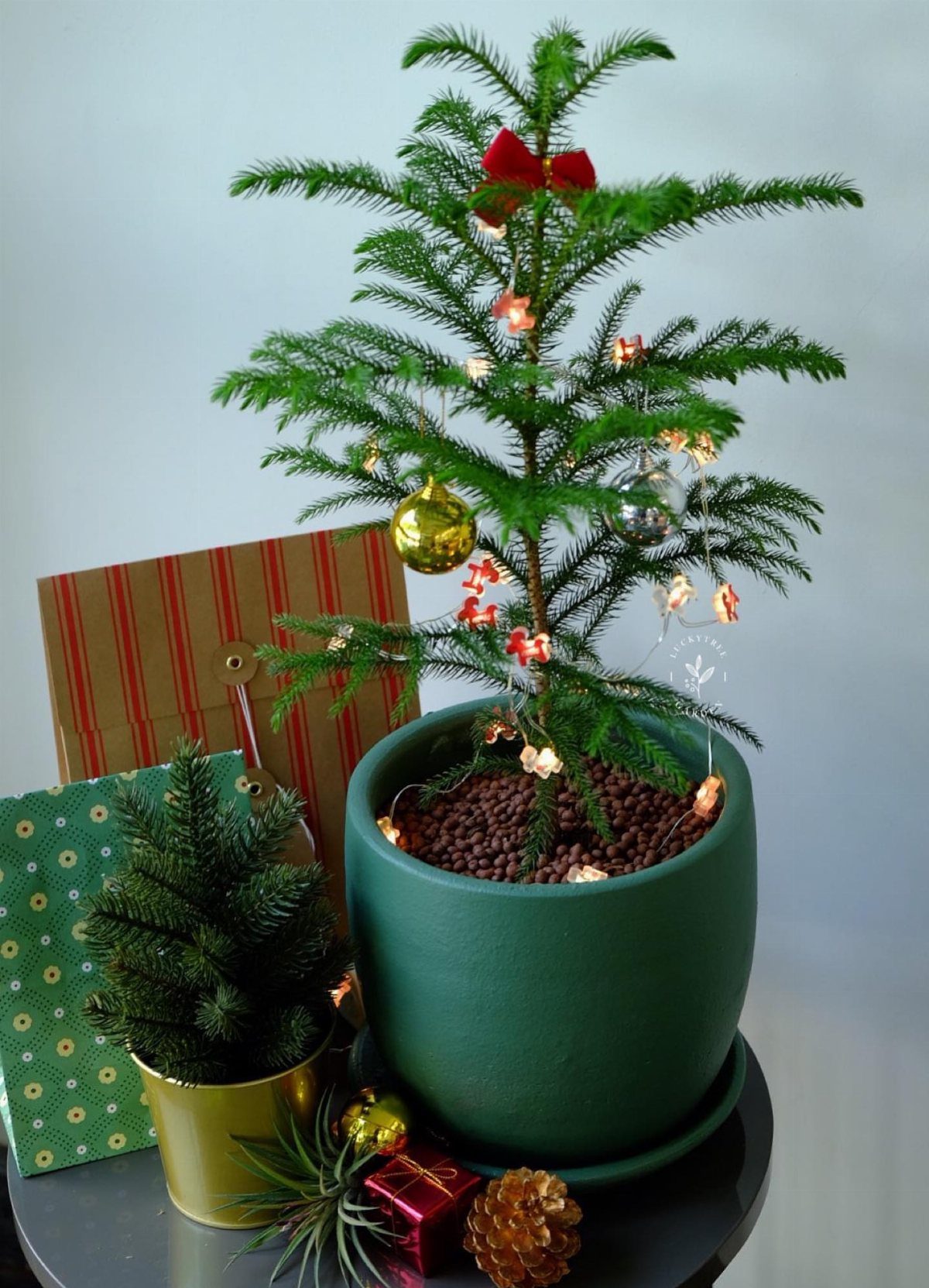
A living tree in a small pot sits on a side table without the needle drop of a cut tree.
I choose Norfolk Island pine or dwarf Alberta spruce, both slow growers that tolerate indoor light for a few weeks; the spruce stays hardy to zone 2, the Norfolk pine is tropical and must stay inside year-round in most of the US.
Water when the top inch dries, and do not keep lights on the foliage for more than a few hours; the heat browns needles.
After the holiday, the spruce moves outside to a larger pot or a corner of the yard.
11. Festive Bromeliad Plant
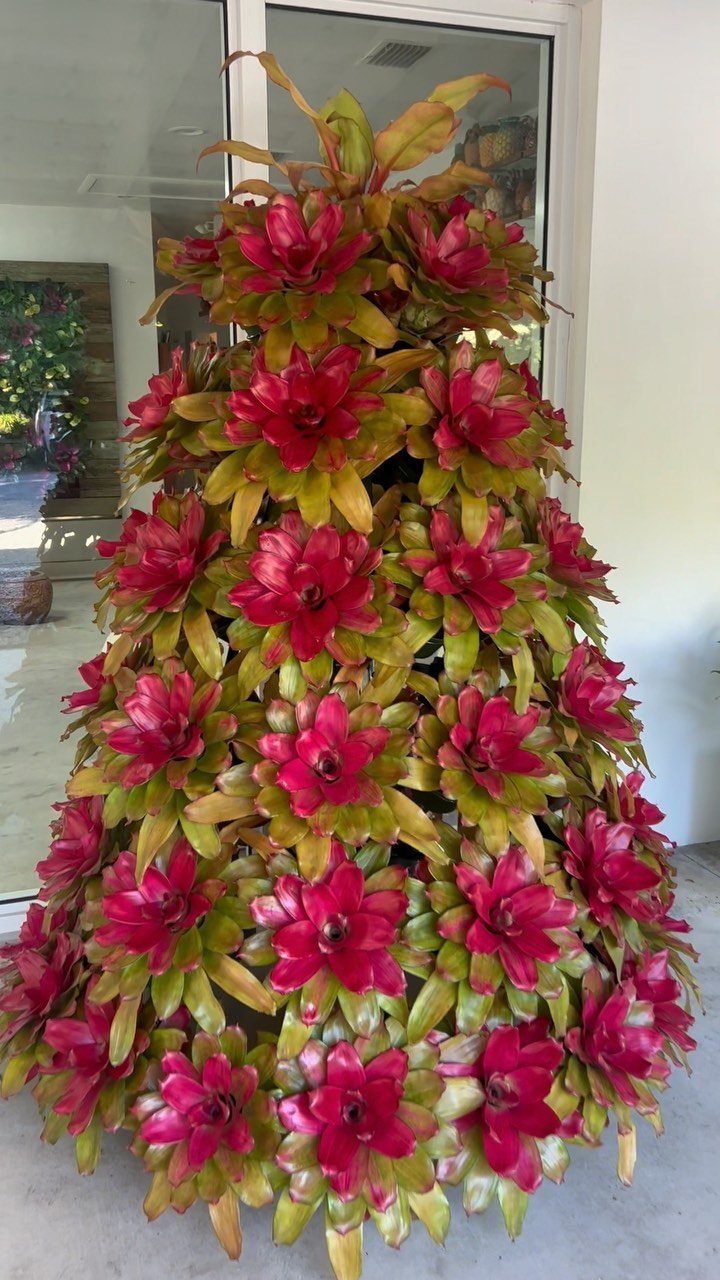
Bromeliads arranged into a cone mimic a Christmas tree using plants that need no soil and almost no care.
The red centers are bracts, not flowers, and last for months; I mist mine weekly and fill the central cup with water, emptying and refilling regularly to prevent stagnation.
Each rosette blooms once then dies, but offsets around the base carry on. A pre-made arrangement costs more, or I buy single plants and stack them myself in a cone-shaped basket lined with sphagnum moss.
Care Tips for Christmas Plants
Most Christmas plants die from too much water, not too little. Foil wrappers trap water against roots; I cut them off or punch holes the day I bring a plant home.
East-facing windows give the bright indirect light these plants want in winter, at least 6 hours daily.
I keep foliage back from cold glass and away from heating vents, doors, and appliances. Temperatures between 60 and 70°F suit nearly all of them.
Humidity drops hard indoors in December. I group plants together, set pots on pebble trays, or run a humidifier nearby rather than misting, which barely helps.
Never feed a blooming plant. I wait until after flowering ends, then only if I plan to keep it.
For transport, paper wrapping beats plastic; it buffers temperature swings and cuts condensation that wets leaves.
Gift Ideas for Christmas Plants
Match the plant to the recipient’s habits, not just the color. A potted azalea or cyclamen suits someone who enjoys fussing over a centerpiece for a few weeks and expects it to fade.
An amaryllis bulb or Christmas cactus works better for a traveler or distracted gardener; both forgive skipped waterings and give weeks of bloom with little attention.
For tight spaces like my first apartment balcony, I go with plants that stay small: a poinsettia, cyclamen, Christmas cactus, or a white phalaenopsis orchid. These fit on windowsills and tolerate room light and temperature.
Outdoor space opens wider options.
Symbolism of Christmas Plants
Poinsettias carry the strongest cultural weight: the Central American native now signals holiday cheer and love in most American homes.
Poinsettias carry holiday meaning for me because they bloom right when the days are shortest, and that red against winter gray still feels like a small defiance.
Holly’s symbolism runs deeper and older.
The evergreen leaves and winter berries predate Christian celebration in northern Europe, where they promised life would return. The need for both male and female plants to set fruit fits neatly into metaphors of partnership and renewal.
Amaryllis and paperwhites both push up bare stalks from apparent nothing, making them easy metaphors for hope and new beginnings in the darkest weeks. The amaryllis bulb’s slow build, watched for weeks on a windowsill, emphasizes anticipation.
Holly’s persistence through cold and its winter berries gave it associations with endurance and the promise of spring.
I avoid overloading meaning onto every gift plant. A poinsettia chosen for a windowsill that suits it says enough.
Frequently Asked Questions
What are popular Christmas plants?
Poinsettia, holly, amaryllis, cyclamen, Christmas cactus, helleborus, cymbidium orchids, and paperwhites are the ones most commonly sold and displayed.
Poinsettias have become the default holiday purchase in American stores, yet holly’s spiny evergreen foliage and red drupes served winter rituals in northern Europe long before they were folded into Christian custom.
Forced azaleas, red roses, and miniature tabletop trees round out the typical retail selection.
How do you keep Christmas plants alive?
Most die from too much water, not too little. I remove foil pot covers immediately or poke drainage holes through them; standing water around the root ball turns to rot within days.
An east window delivers the cool, diffused light these tropical natives need for six hours or more, with the room held between 60 and 70°F. I set pots on trays of wet pebbles or cluster them to raise local humidity; a quick spray with a mister evaporates too fast in heated December air to matter much.
Hold the fertilizer while any Christmas plant is in bloom; if I mean to carry it past the holidays, I wait until the last flower fades and only then give a half-strength dose.






