

The Lost Ladybug Project is a Cornell-based citizen science effort that has mapped over 40,000 ladybug sightings since 2000 to track the disappearance of native species across North America. Three once-common natives, including New York’s state insect, the nine-spotted ladybug, have collapsed to near extinction in just two decades while non-native replacements like the Asian lady beetle have surged.
Ladybug Species and What Changed
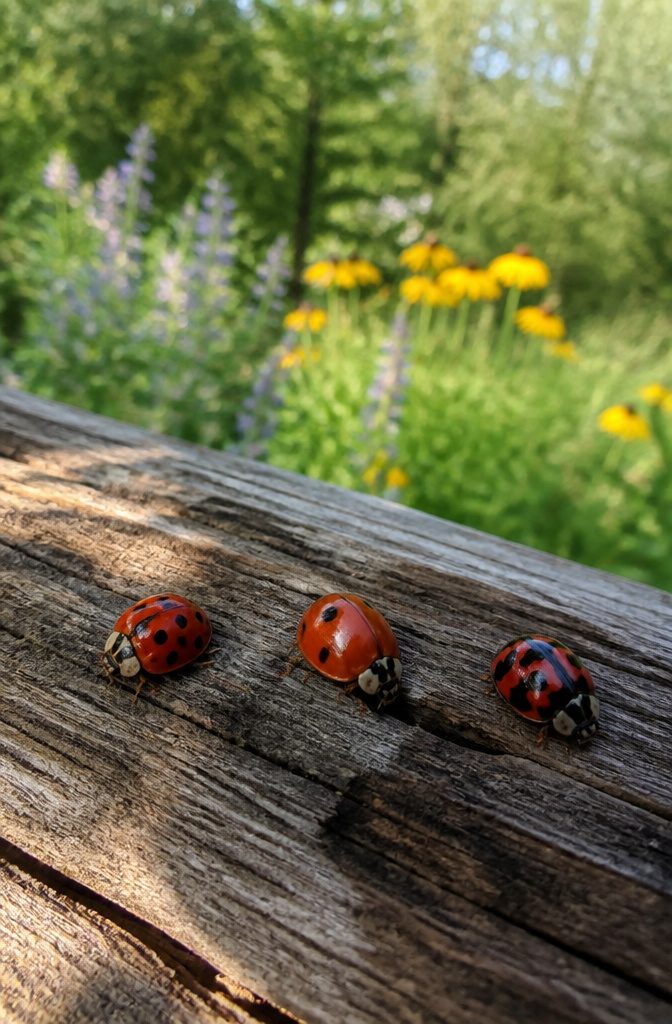
The six species at the center of this story fall into two camps: three natives that have largely vanished, and three that have taken their place. The nine-spotted, two-spotted, and transverse ladybugs once dominated eastern gardens and farmland. The nine-spotted was common enough to become New York’s state insect; now a single colony on eastern Long Island keeps the species from regional extinction. The two-spotted and transverse have followed similar paths, gone from most of their former range.
What filled the gap? The seven-spotted, convergent, and Asian lady beetles. The first two arrived through deliberate pest-control releases. The Asian lady beetle went further, spreading on its own until it became the ladybug most people now see clustering on siding in late fall. It is an invasive species, aggressive and prolific.
All six species perform the same basic service: they eat aphids, mealybugs, and other plant pests. The question researchers chase is whether the newcomers do the job as well as the natives they replaced. No one has a solid answer yet. The shift happened fast, over roughly twenty years, and the long-term effects on orchard and garden ecosystems are still being sorted out.
How the Lost Ladybug Project Works
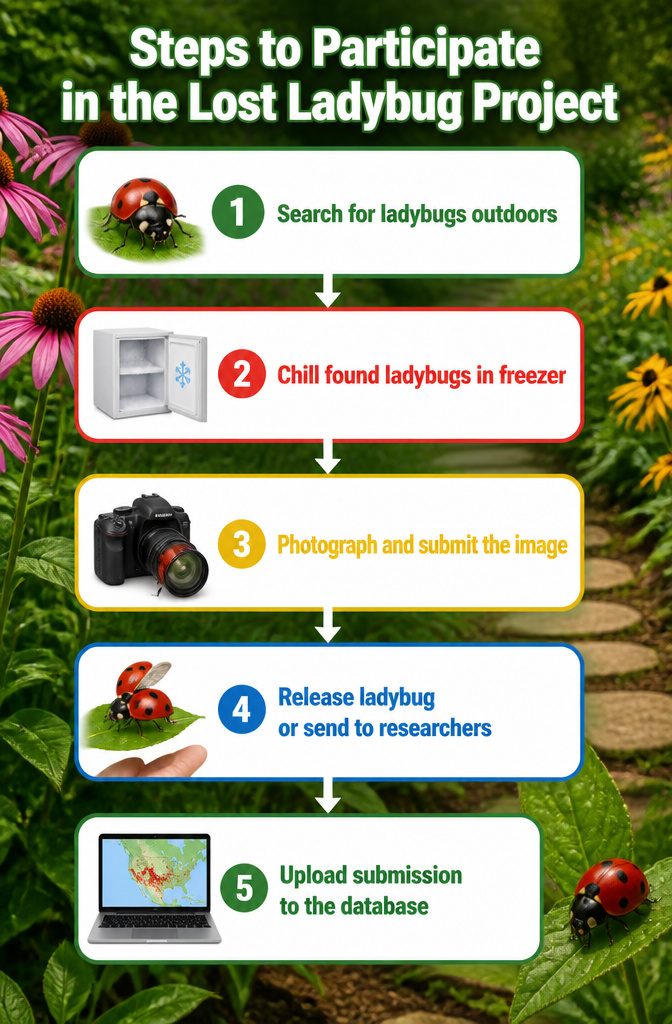
The Lost Ladybug Project started in 2000 at Cornell University and has collected over 40,000 submissions from people across North America. Here is how participation works, step by step:
-
Search for ladybugs outdoors from May through October. Gardens, fields, and yards all count, and even empty searches matter: zero findings should be reported.
-
Chill any ladybugs you find in a freezer for up to five minutes. This slows them enough for a clear photograph without harming them.
-
Photograph the ladybug, then submit the image through lostladybug.org with the location, date, and weather conditions noted.
-
Release the ladybug back where you found it. The exception is a rare species; researchers may ask you to send the specimen to them instead.
-
Upload your submission to the project’s database, where it joins the growing map of ladybug distribution across the continent.
Native Ladybug Decline and Why It Matters
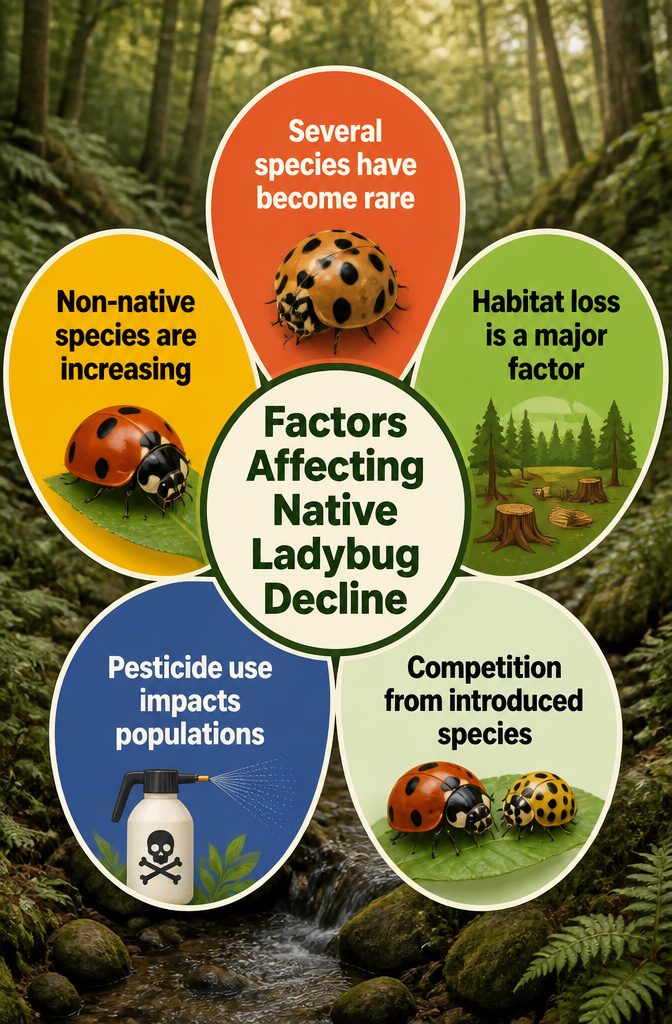
Over the past twenty years, several native ladybug species that were once common across the United States have become extremely rare. During that same period, non-native species like the seven-spotted and Asian lady beetles have greatly increased their numbers and range. Three main factors appear to be driving this shift: habitat loss, pesticide use, and competition from these introduced species.
Ladybugs serve as essential predators in both farms and forests, keeping aphids, mealybugs, and other pests from overrunning crops and wild plants. Native ladybugs controlled these pests reliably for generations, and their rapid replacement by exotic species raises real questions about whether the newcomers can match that performance. The speed of the change is itself a concern. Scientists do not yet know the full impact this replacement will have on ecological balance, or how to prevent more native species from disappearing.
Ladybug Identification for Beginners
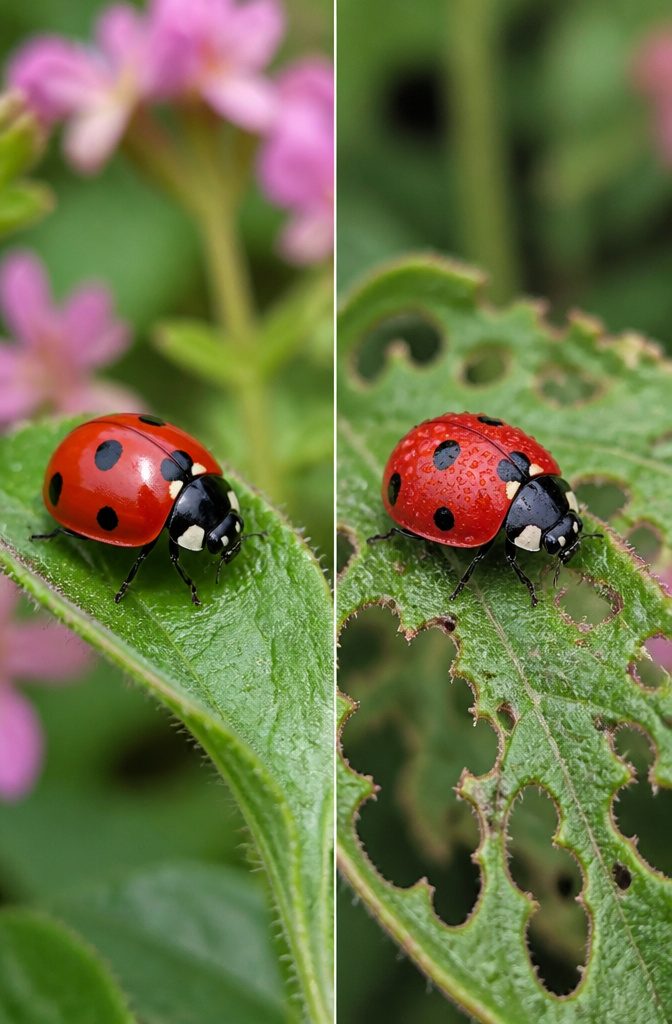
A good photograph is usually enough to place a ladybug in the right group. The Lost Ladybug Project’s field guide works from images, and most participants never need to net a specimen to get a usable record. What the camera needs to catch is the pattern of spots, the color of the pronotum (that shield behind the head), and whether the legs show any orange or black.
The Asian multicolored ladybeetle, the one that shows up in fall swarms on siding and window screens, carries a white marking shaped like an M or W on its pronotum. Native species lack that mark. The seven-spotted ladybug, introduced from Europe and now common in fields and gardens, runs larger than most natives and shows a clear black-on-red pattern with, naturally, seven spots. The nine-spotted and two-spotted ladybugs, both targets of the New York tracking effort, have more elongated bodies and different spot arrangements; the nine-spotted in particular has been so rarely photographed in the eastern U.S. that any clear image is worth submitting.
I keep the field guide on my phone and compare before I even upload. A sharp photo taken in diffuse light, not harsh midday sun, gives the pattern the best chance of reading true.
Restoration Efforts and How to Help
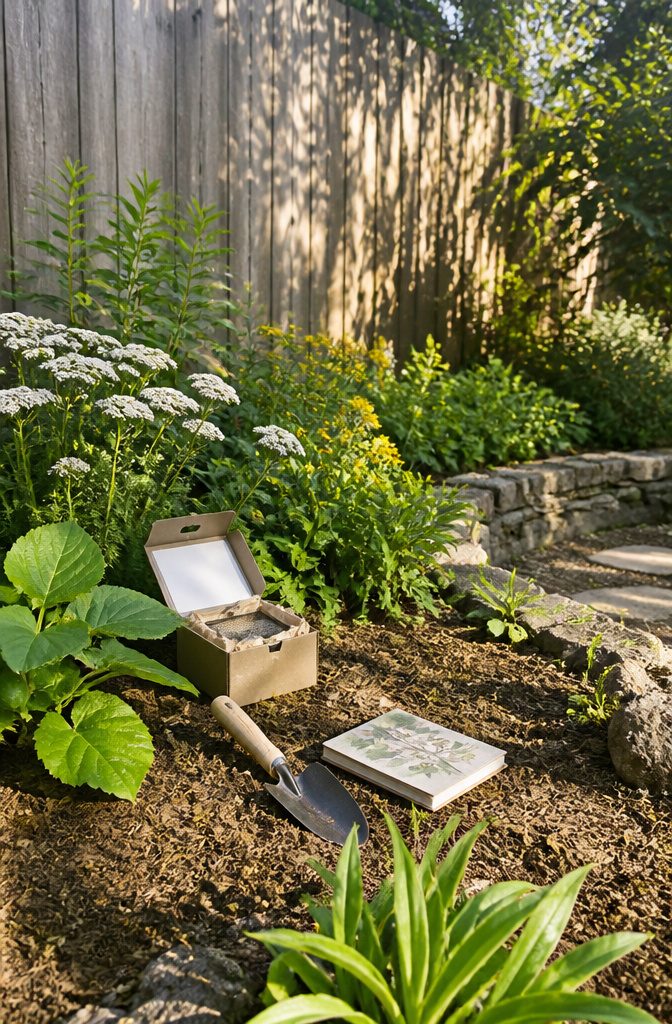
Breeding programs for native ladybugs now operate in several states, with the nine-spotted ladybug among the species being raised and released into areas where it has nearly disappeared. These efforts go well beyond standard citizen science, and a restoration kit runs about $50 plus shipping if you want to participate directly. The kits typically include larvae or eggs along with instructions for releasing them at the right time and in suitable habitat on your own property.
Community events have sprung up around this work too. Ladybug hunts draw families and gardeners to local parks to search, identify, and document whatever species they find. Some events pair the hunts with hands-on activities, like building simple shelters or learning which native plants attract the insects you are trying to bring back.
I have watched these events shift from pure science collection toward something more like stewardship. The people showing up are not just counting bugs. They are learning to distinguish the natives from the Asian multicolored arrivals, then taking steps to tip the balance back. That distinction matters, because releasing non-native ladybugs by mistake would work against the goal.
Frequently Asked Questions
What is the Lost Ladybug Project?
The Lost Ladybug Project is a citizen science initiative founded in 2000 at Cornell University that collects ladybug sightings from across North America. Participants photograph ladybugs and submit the images with location and date information to help researchers map species distribution and track the decline of native populations. The project has gathered over 40,000 submissions to date.
Why are native ladybug populations declining?
Native ladybug populations are declining due to three main factors: habitat loss, pesticide use, and competition from non-native species. Over roughly twenty years, once-common natives like the nine-spotted, two-spotted, and transverse ladybugs have become extremely rare across their former ranges, while introduced species such as the seven-spotted and Asian lady beetles have expanded dramatically.
How can I participate in the Lost Ladybug Project?
You can participate by searching for ladybugs outdoors from May through October, then chilling any found specimens in a freezer for up to five minutes to slow them for photography. After photographing the ladybug, submit the image through lostladybug.org with location, date, and weather conditions noted, then release the insect where you found it. Even empty searches matter, so report zero findings as well.






